 English
 русский
 Português
 عربى
عربى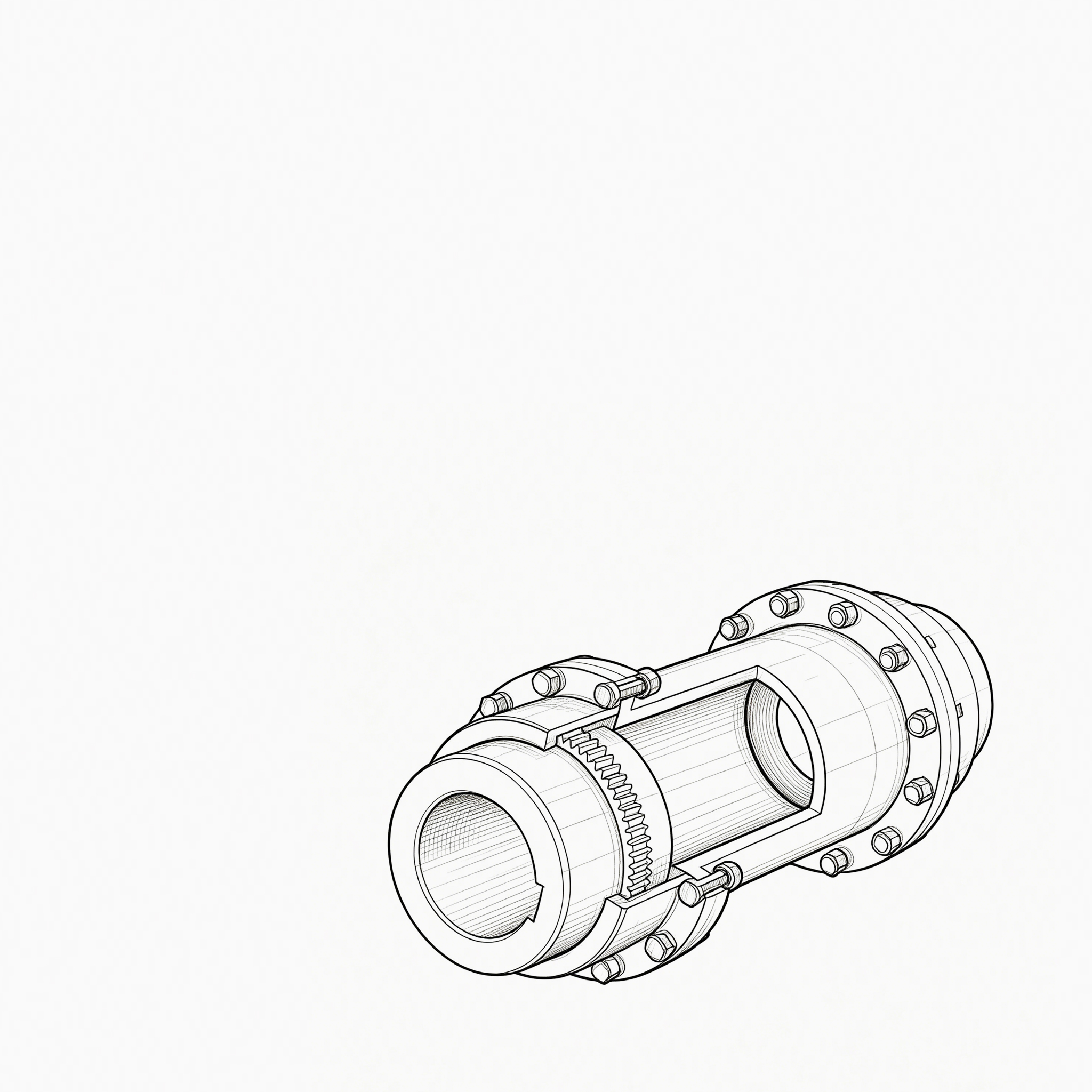
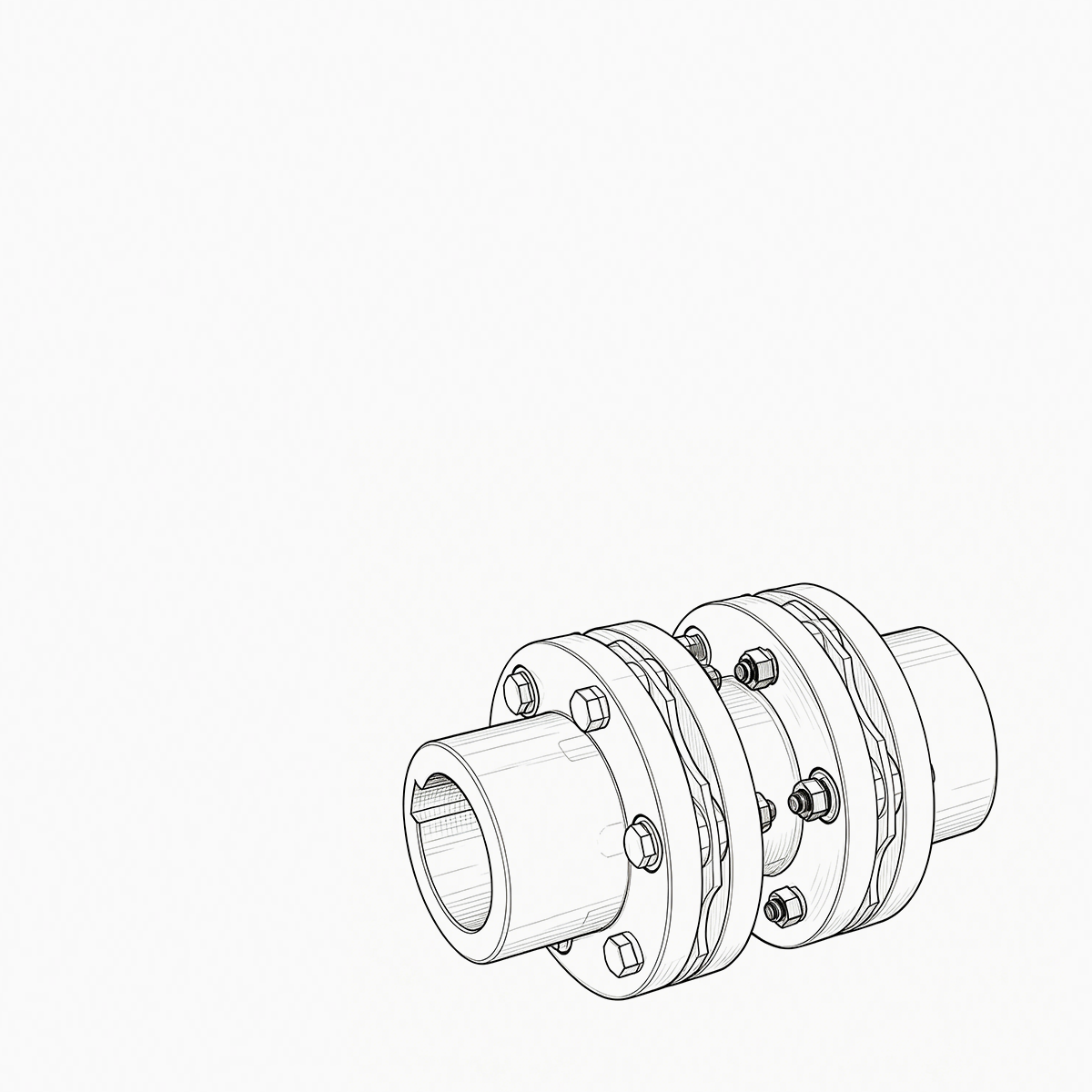
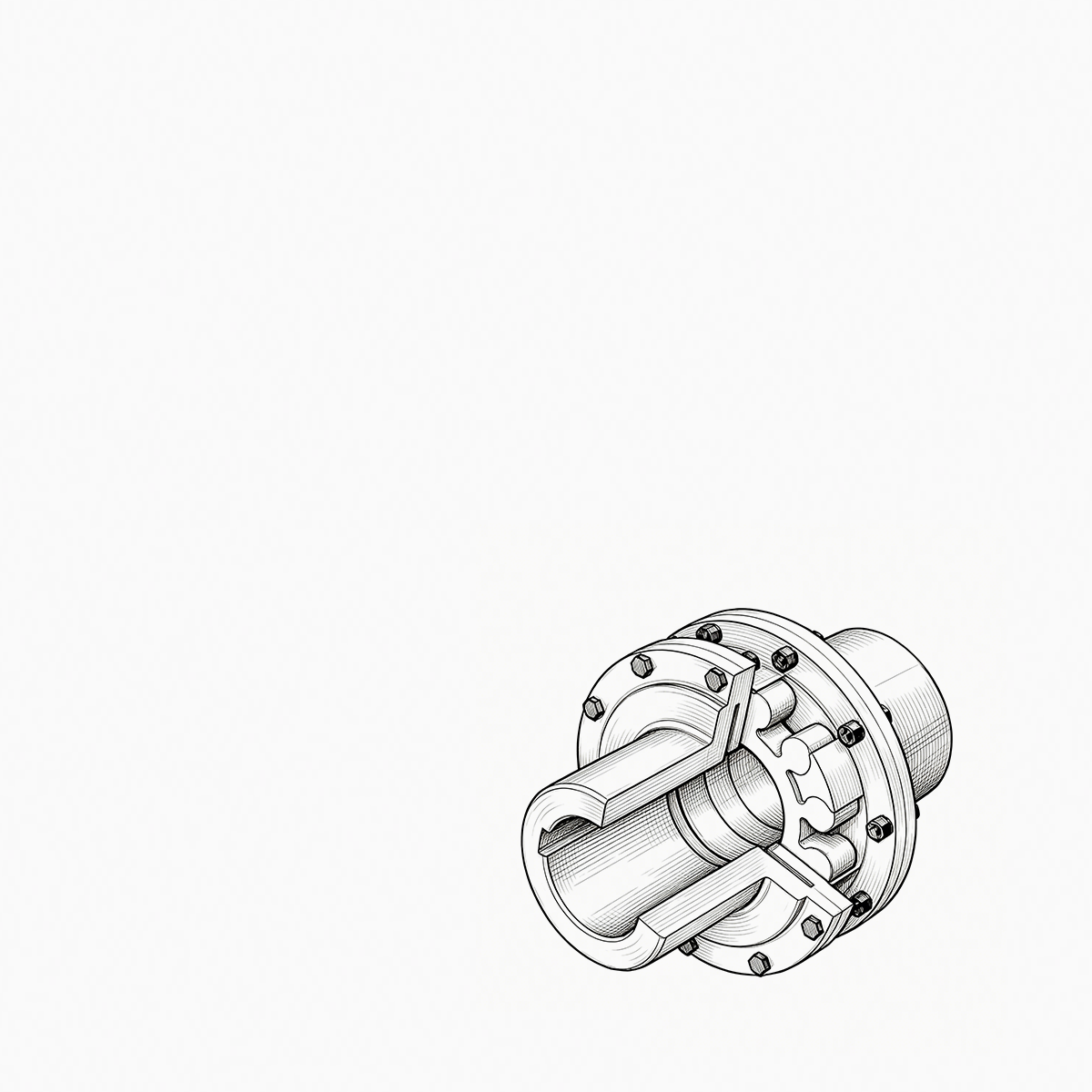
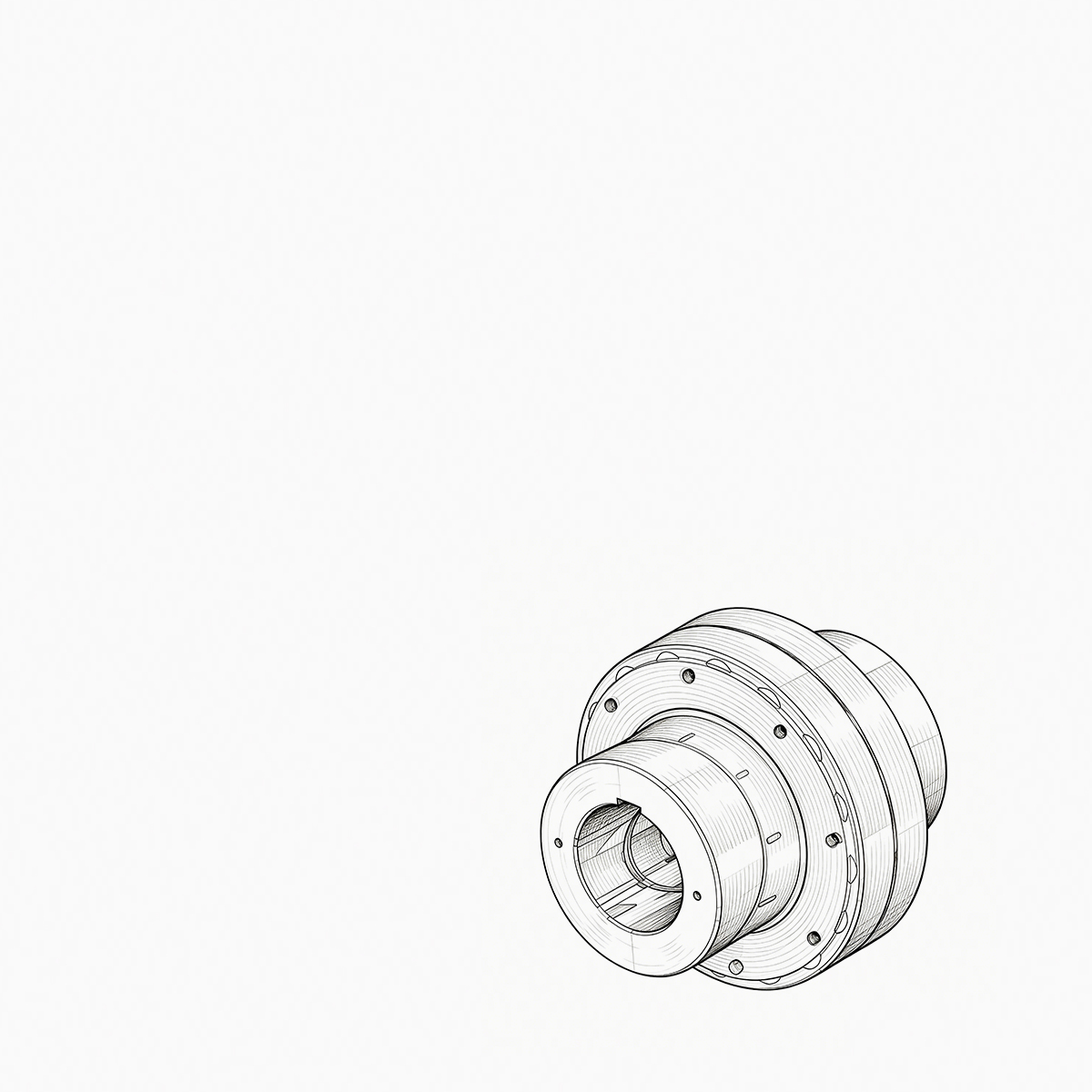
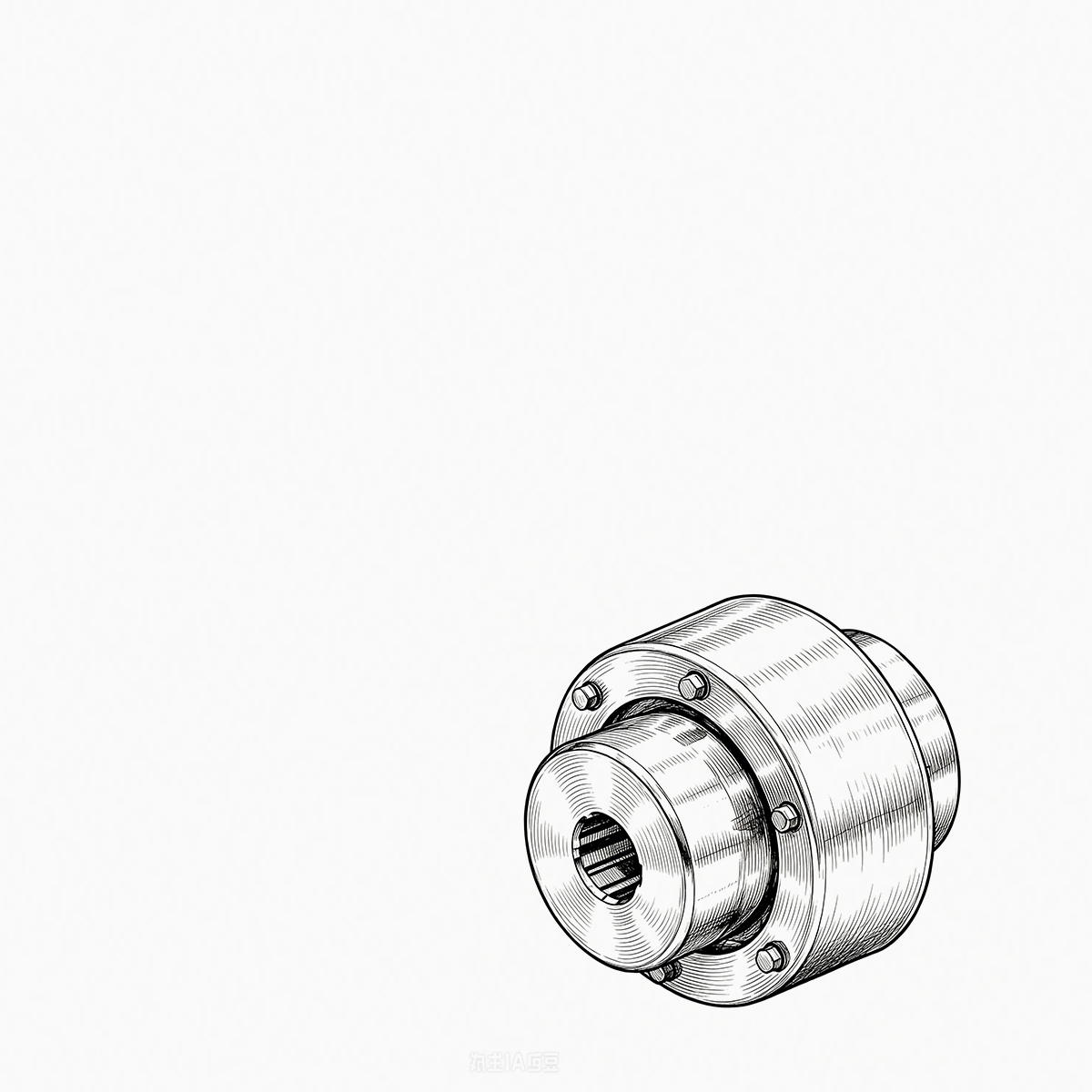
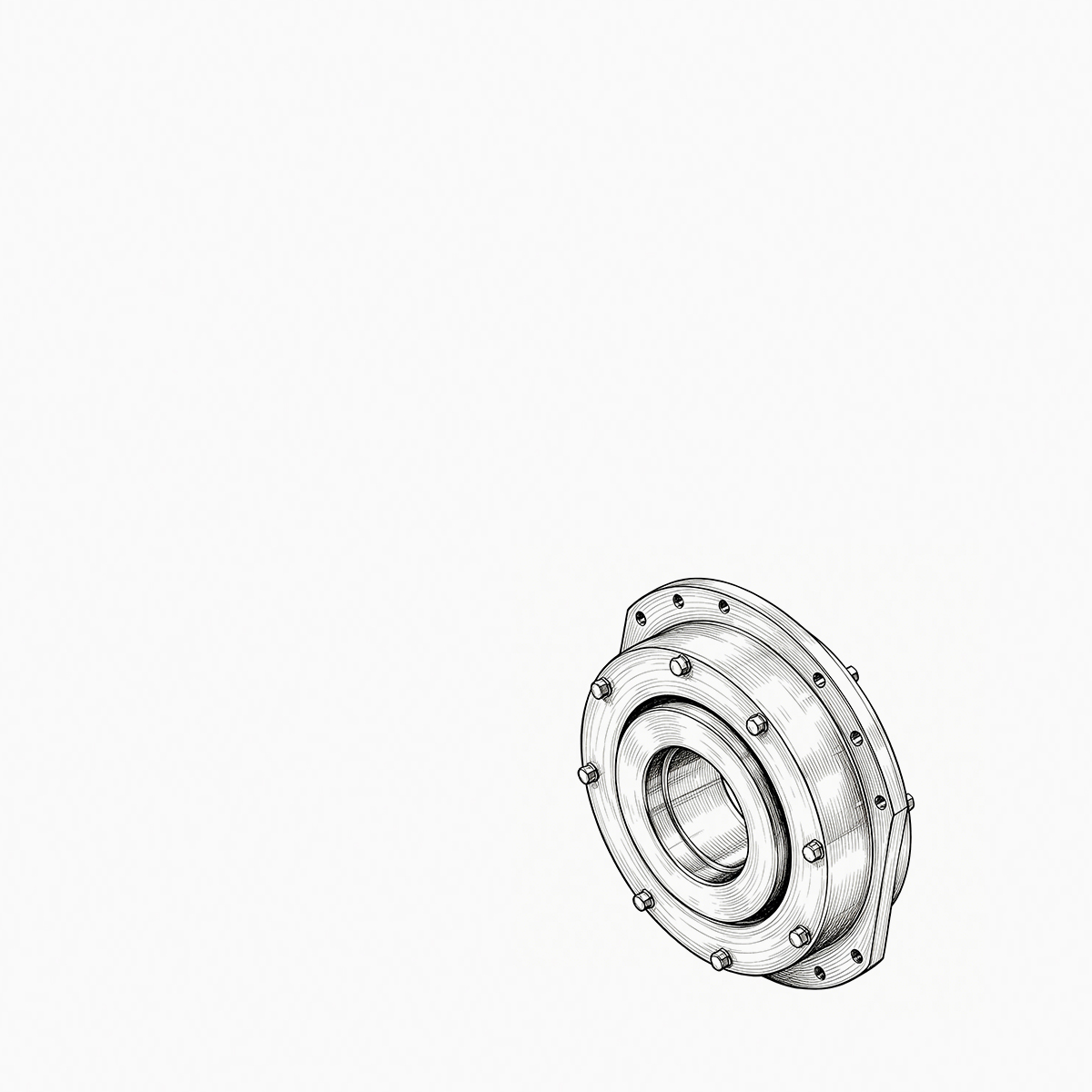
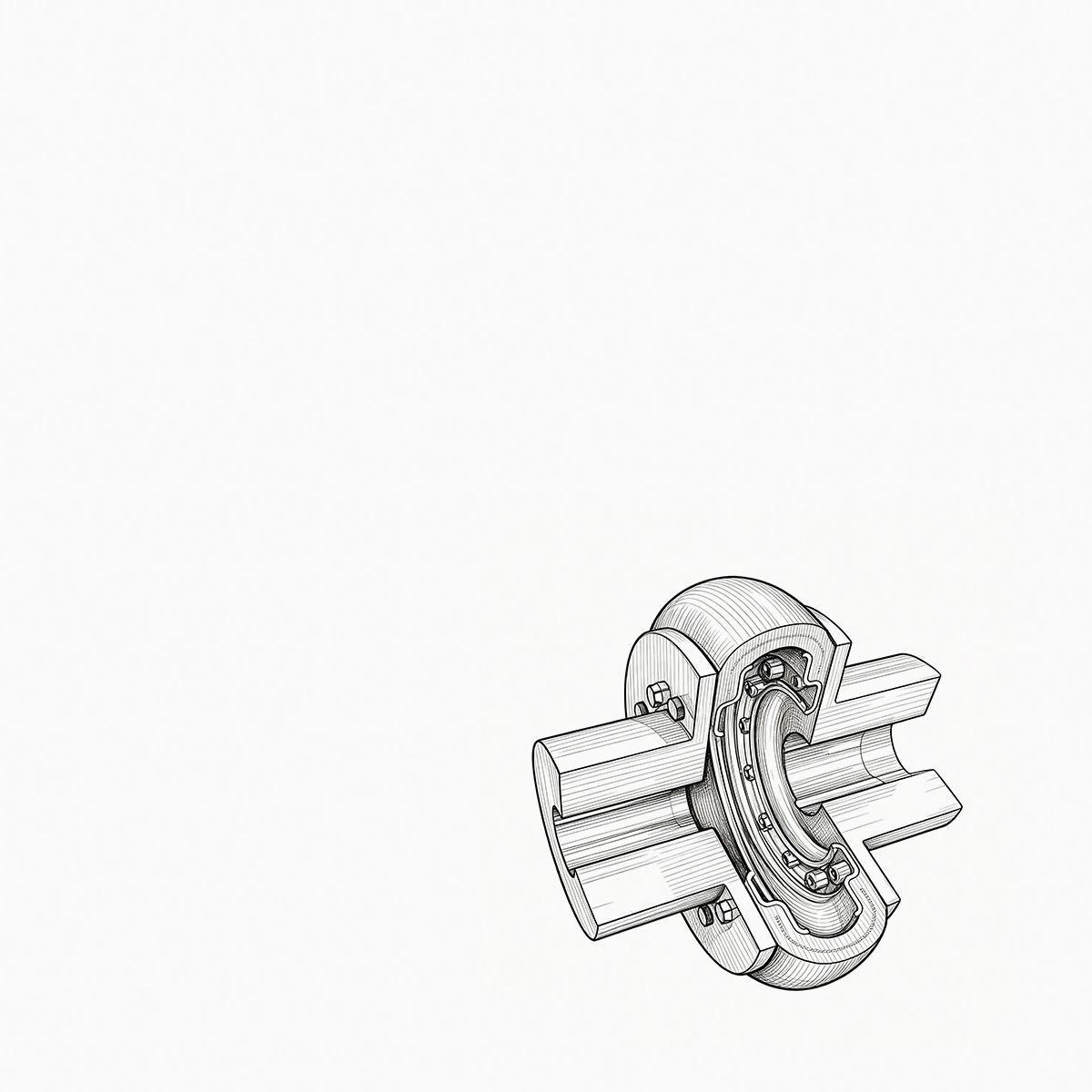
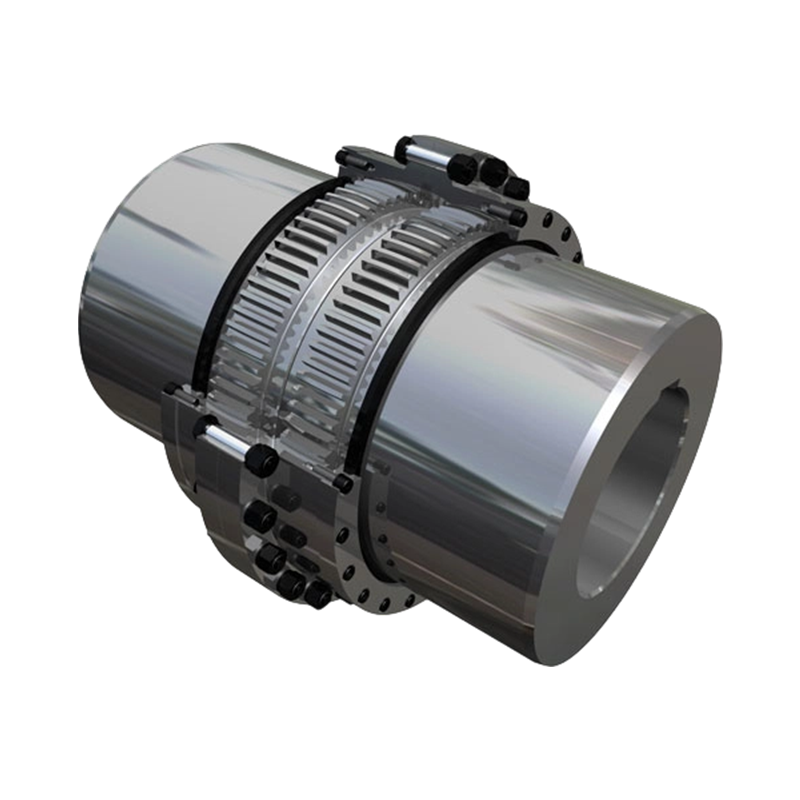
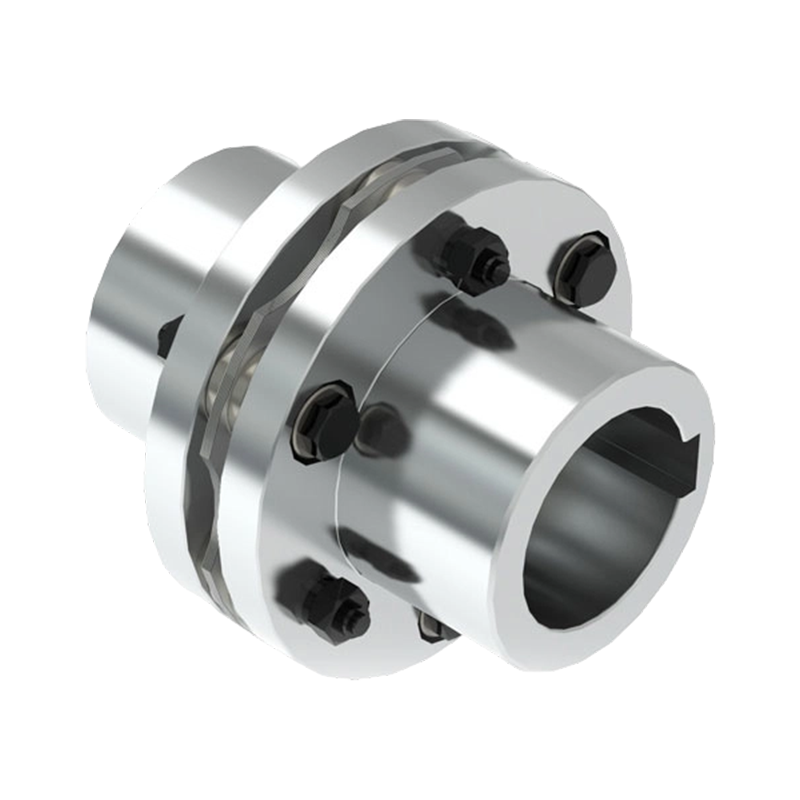
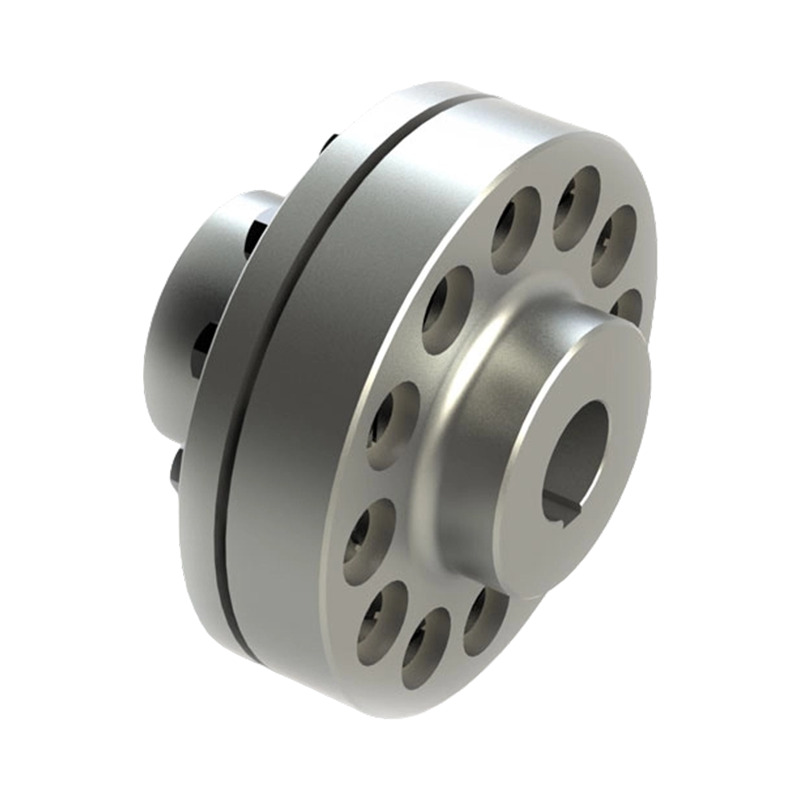
Two quotes land for the same replacement gear coupling: $1,850 from one shop and $2,600 from another. Both promise standard compliance, both quote four weeks, and the drawings look identical. The 40% gap almost never sits in the steel price. It sits in tooth geometry and heat treatment, hub bore an...
READ MORE
 Product Category
Drum/Cylindrical/Crowned Gear Coupling Manufacturers
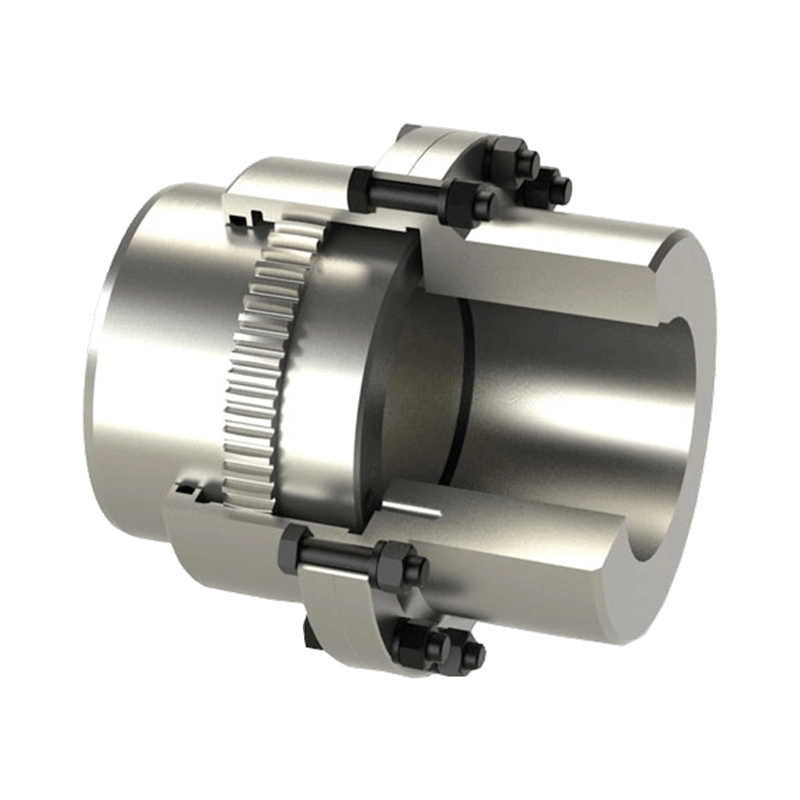
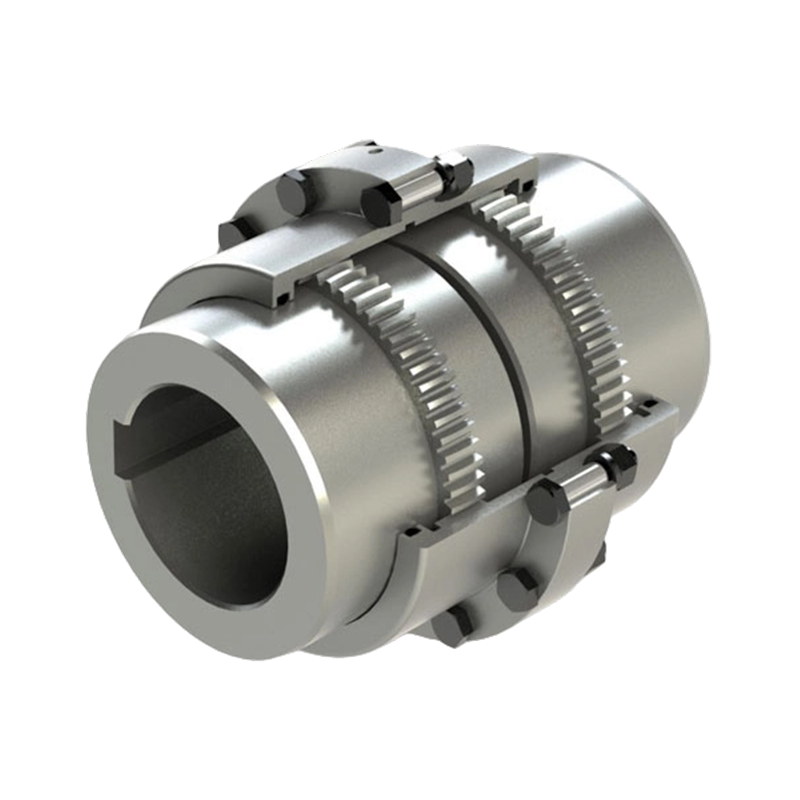
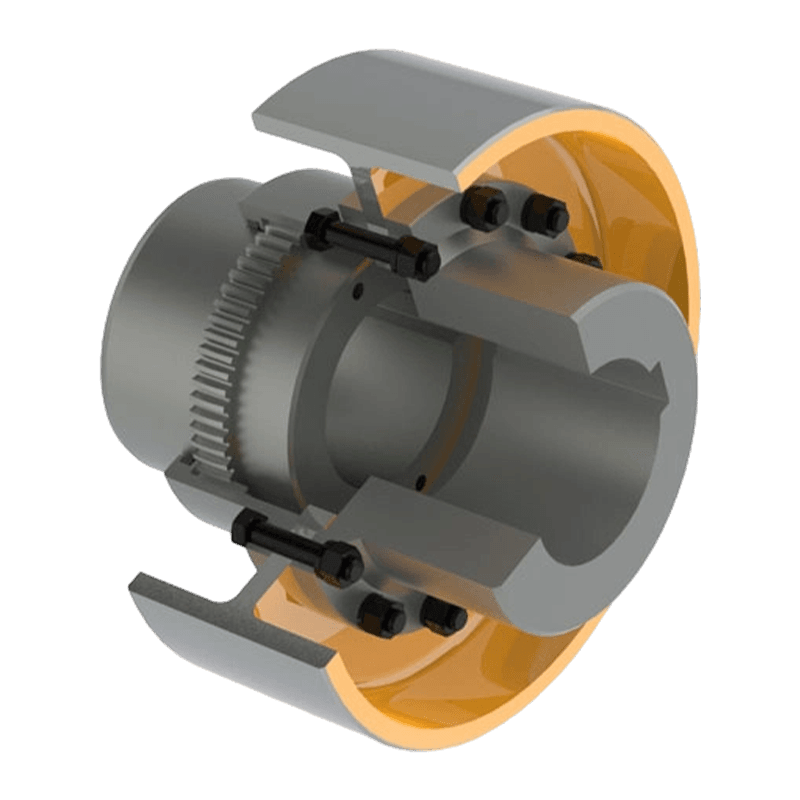
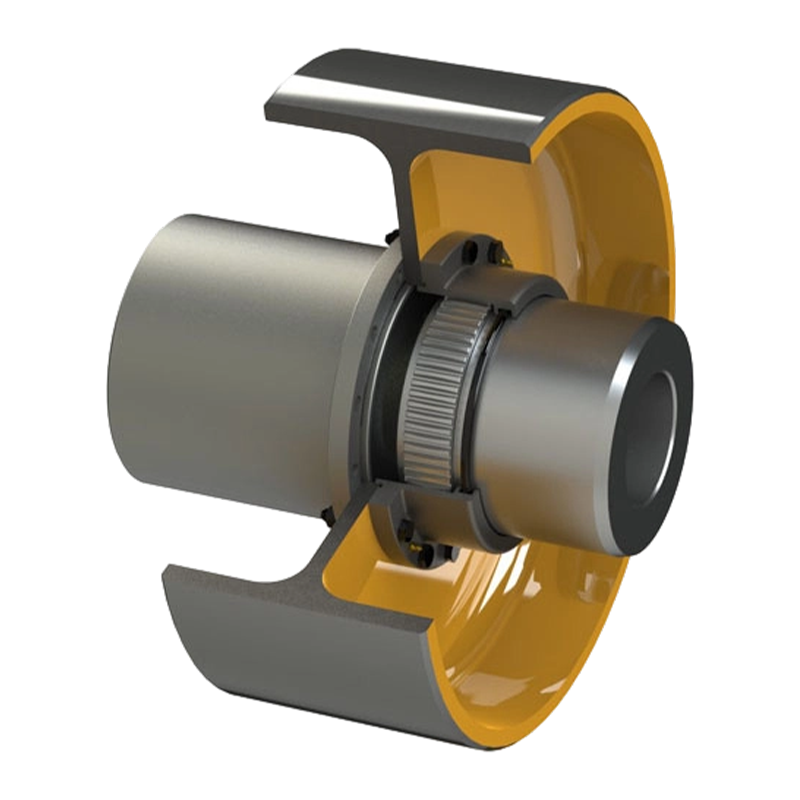
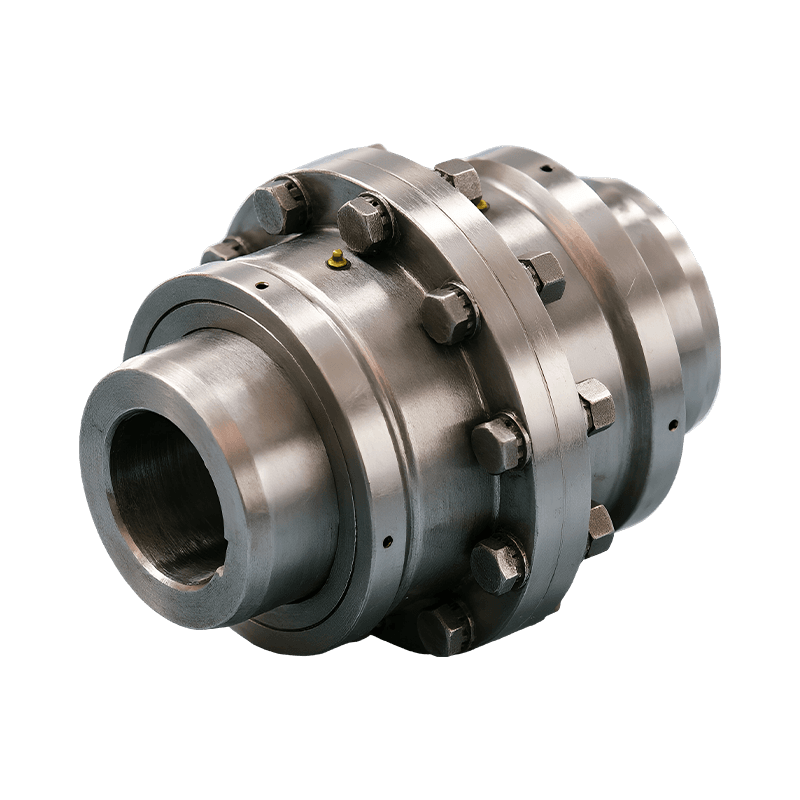
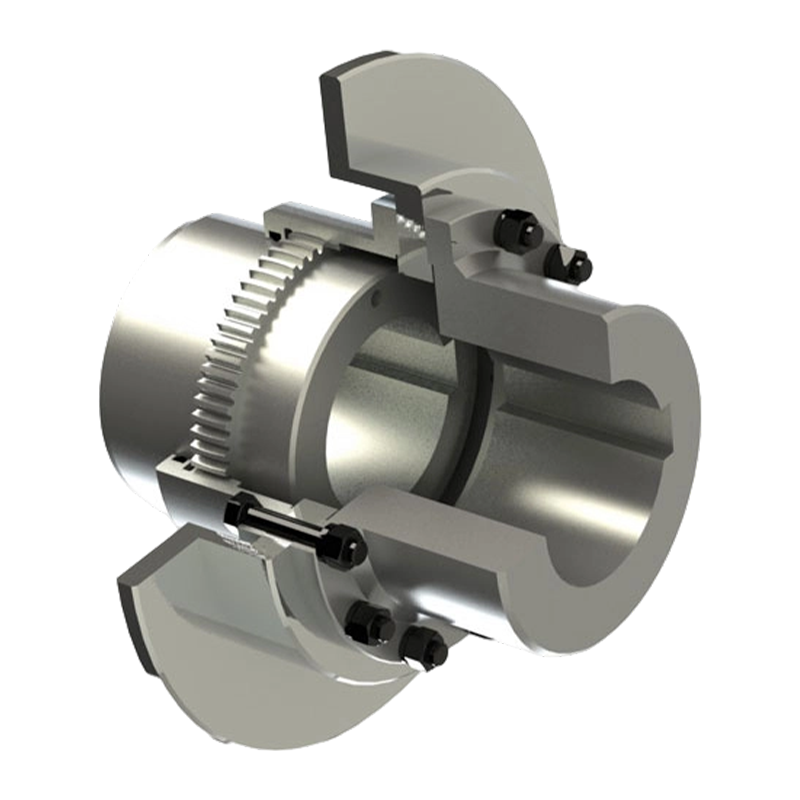
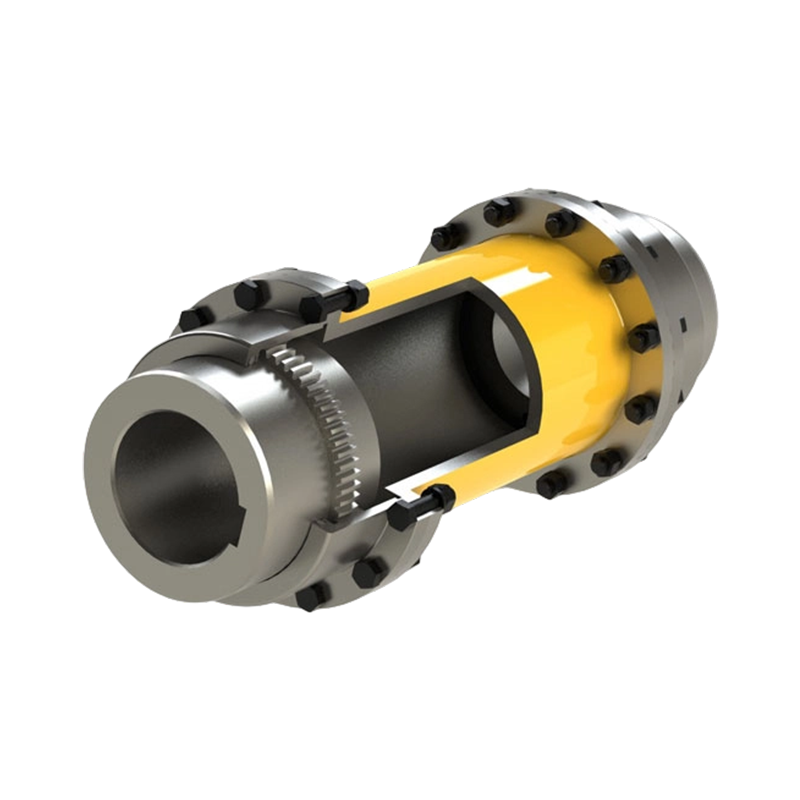
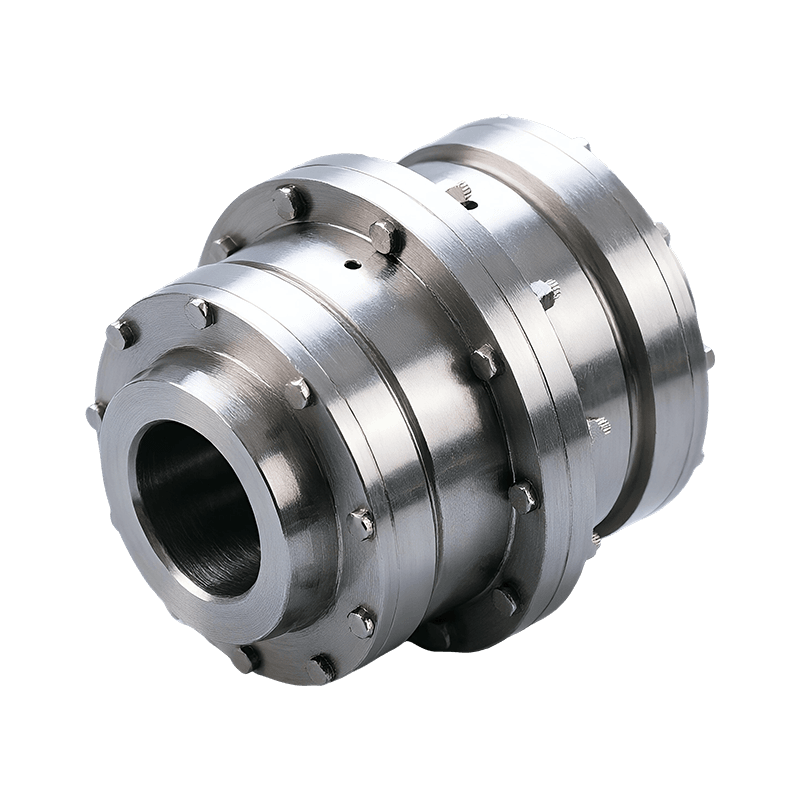
A drum gear coupling is a high-performance mechanical connection component specifically designed for heavy-duty and complex transmission systems. It is widely used in industries such as metallurgy, mining, chemical processing, power generation, and lifting and conveying, where high reliability and load-carrying capacity are critical. Its primary function is to ensure efficient torque transmission while providing a reliable connection between the driving shaft and the driven shaft. At the same time, it effectively absorbs and compensates for unavoidable radial, angular, and axial misalignments that occur during equipment operation, thereby enhancing the overall stability and safety of the transmission system.
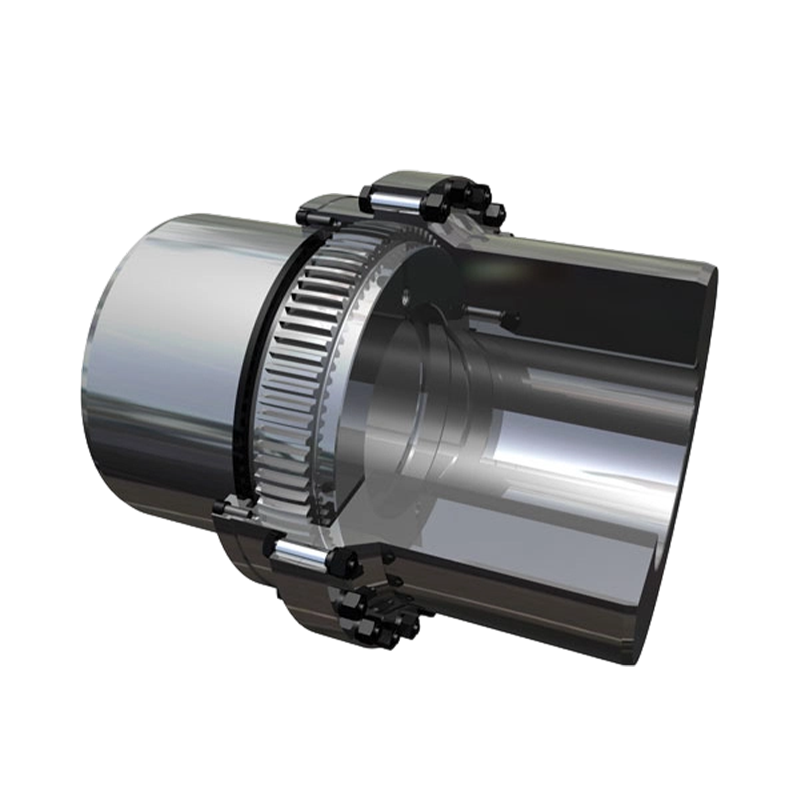
The core characteristic of this type of coupling lies in its drum-shaped gear structure. The external teeth are designed with a spherical arcuate profile, allowing the tooth surfaces to maintain proper and uniform contact even under misalignment conditions, thus preventing localized stress concentration. This structural design not only improves load distribution across the tooth surfaces, but also significantly reduces friction and wear, minimizes vibration and operating noise, and provides reliable performance for long-term continuous operation. Compared with conventional straight-tooth couplings, drum gear couplings offer higher torque capacity within the same overall dimensions, making them particularly suitable for low-speed, high-torque applications and operating conditions involving frequent starts and stops.
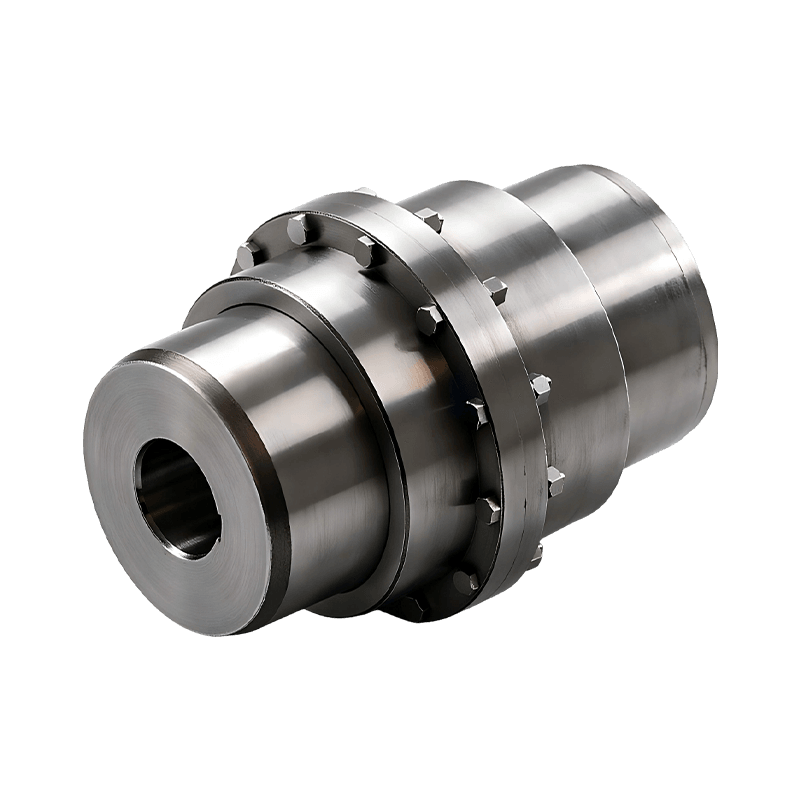
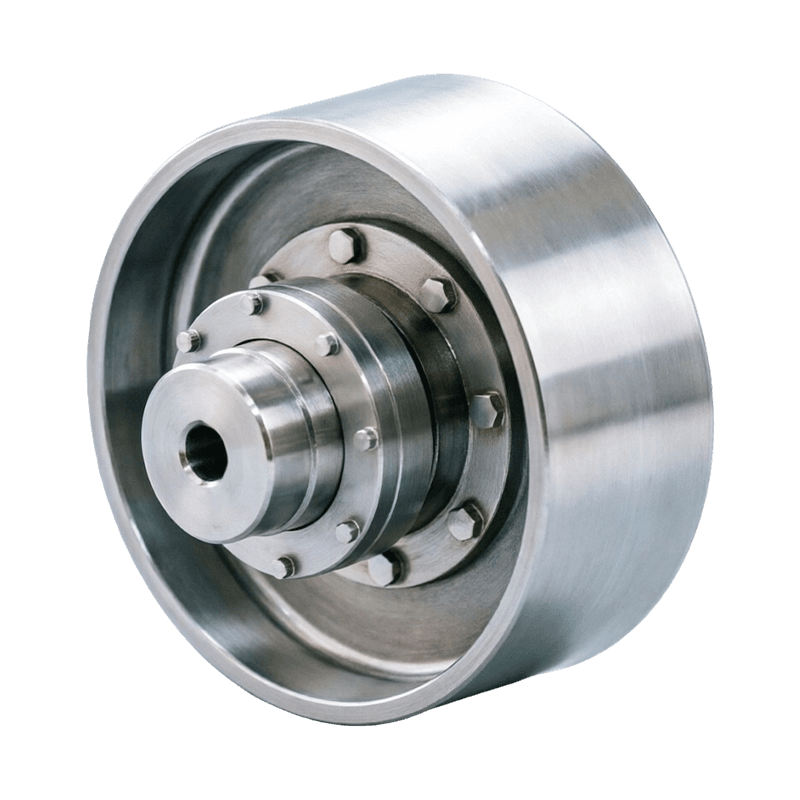
In practical applications, drum gear couplings have evolved into a well-developed product family, with different series focusing on specific structural forms, installation methods, and functional configurations. For example, certain models are equipped with brake wheels or brake discs for easy integration with braking systems; others are designed for vertical installation or long center-distance transmission; while some incorporate intermediate shafts or sleeves to accommodate special center distances or equipment layout requirements. This diversified range of structural designs enables drum gear couplings to be flexibly matched to various equipment types and operating conditions.
Company

Zhenjiang Orienthold Machinery Co., Ltd.
Zhenjiang Orienthold Machinery Co., Ltd. is China Crowned Gear Coupling Manufacturers and OEM/ODM Cylindrical Gear Coupling Suppliers, We are a medium-sized enterprise specialized in the production of couplings and papermak-ing machinery, integrating design, production and service.
Boasting strong technical strength, advanced equipment and comprehensive testing methods, our products are widely used in industries and equipment such as transportation, metallurgy, chemical engineering, mining, construction and hoisting, and are supplied to various large-scale enterprises all year round.
Equipped with a strict quality supervision system as well as complete inspection and testing instruments and equipment, our products fully comply with national standards. In particular, the production technology and quality of our papermaking machinery have reached international levels. Our products have won wide praise in the market and gained high recognition from customers.
News
-
-
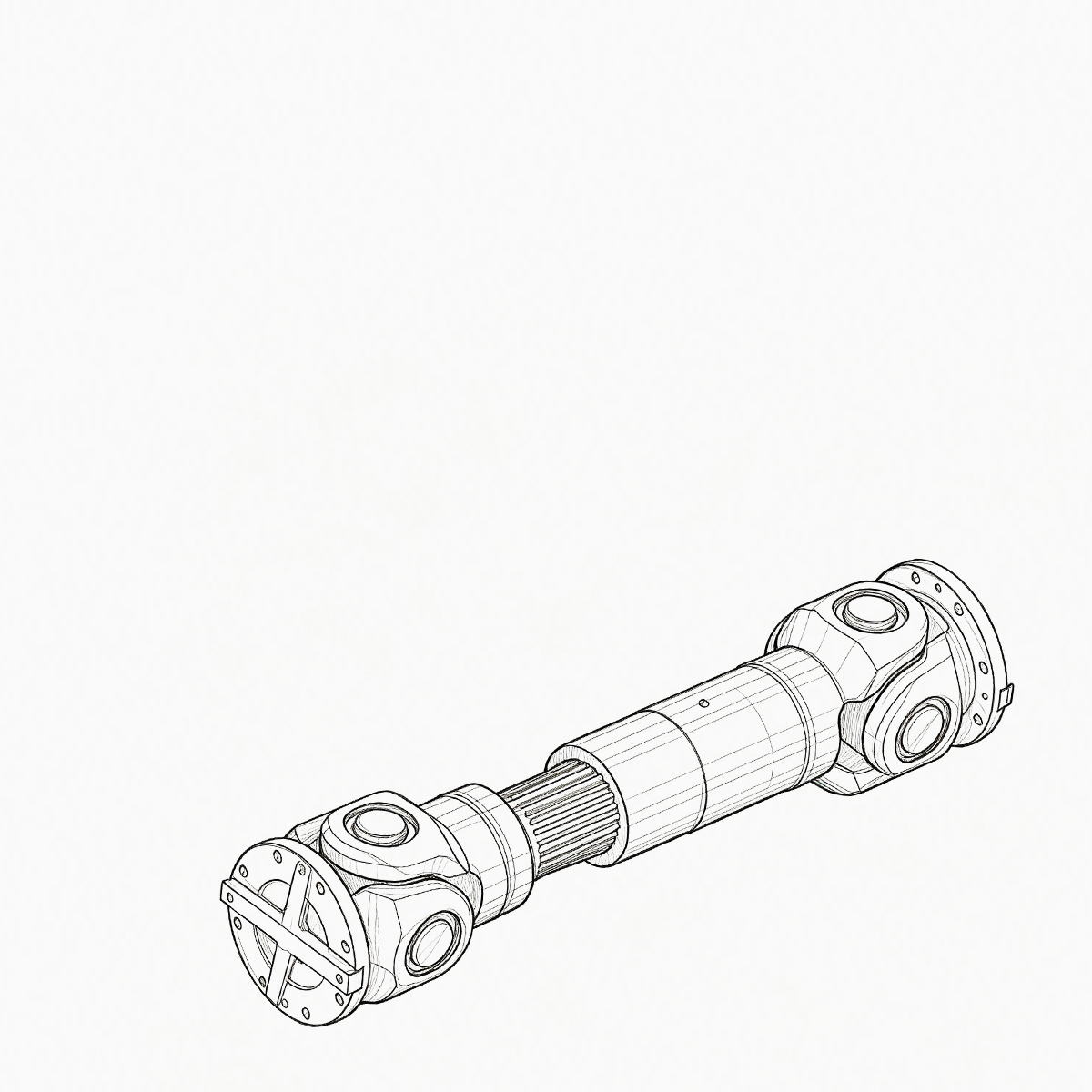
Consider a 250 kW crane hoist that begins to vibrate only when the load is lifted. The drum gear coupling is inspected after a few months and the tooth wear is concentrated on one flank. The common diagnosis is not a single defective component; it is a mismatch between the catalogue torque, the act...
READ MORE -
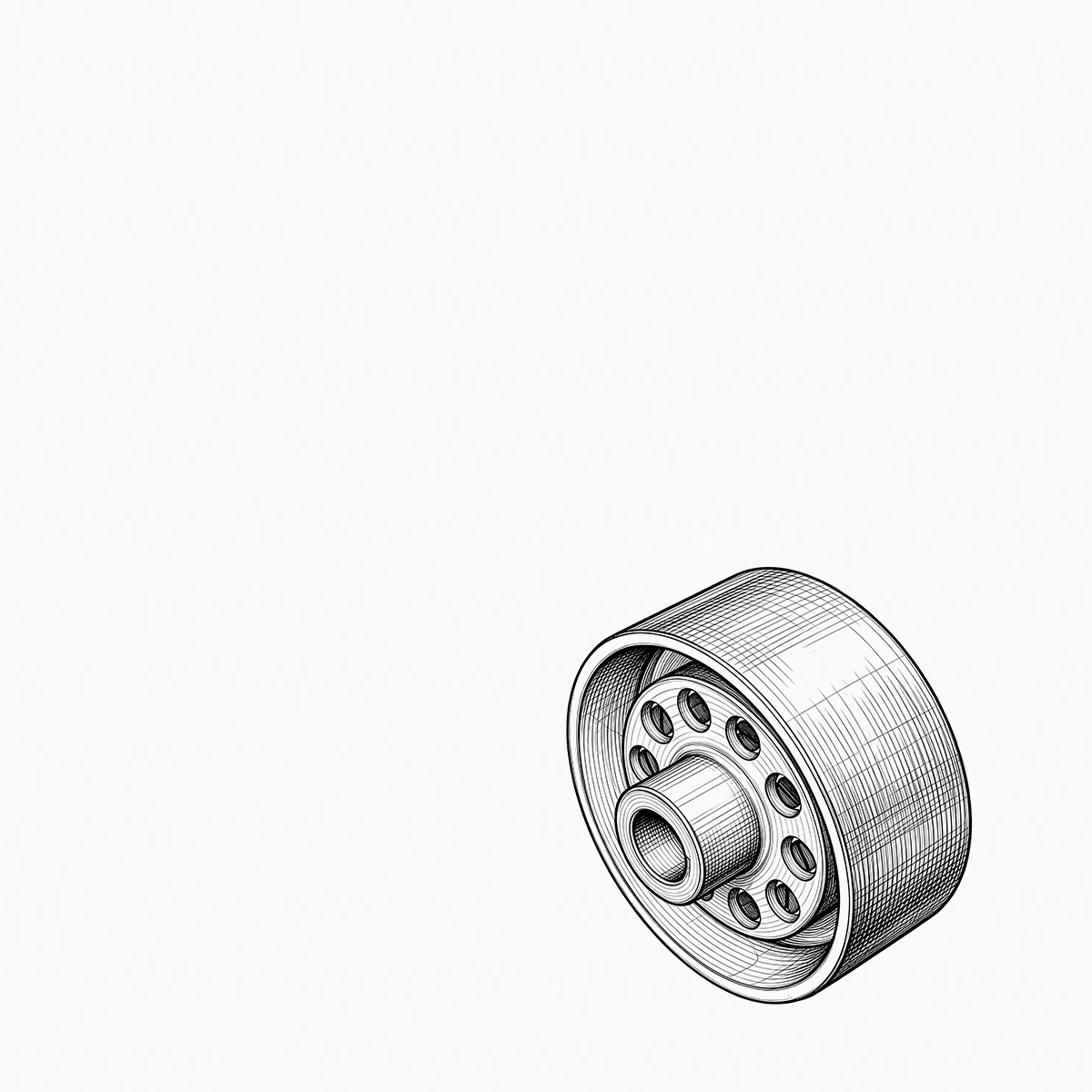
A maintenance engineer pulls a failed coupling from a pump drive. The elastomer sleeves are cracked, the pin bolts are scored, and the hub bore shows the tell-tale fretting marks of a poor fit. For most medium-duty industrial drives, the replacement is not an exotic engineering exercise: an elastic...
READ MORE
Message Feedback
Drum Gear Coupling Industry knowledge
How Drum Gear Couplings Compensate for Shaft Misalignment in Heavy Industry
In high-torque industrial transmissions, absolute alignment between driven and driving shafts is practically impossible to maintain over long operating periods. Thermal expansion, structural deflection, foundation settling, and mechanical wear inevitably introduce angular, radial, and axial misalignments. Zhenjiang Orienthold Machinery Co., Ltd. specializes in designing and manufacturing robust mechanical couplings and papermaking machinery components, where managing dynamic shaft misalignment is critical for equipment longevity and continuous operation. Among various flexible coupling designs, the drum gear coupling—also known as a curved-tooth or crowned gear coupling—is one of the most effective mechanical components for transmitting high torque while continuously accommodating shaft deviations.
The Mechanical Geometry of Crowned Tooth Profiles
The core capability of a drum gear coupling to compensate for misalignment lies in the unique geometry of its external gear teeth. Unlike standard spur gears that feature straight cylindrical teeth, the external teeth of a drum gear coupling are machined with a double-curved profile. The tooth face is crowned along its axial length, making the center section thicker than the edges, while the outer diameter of the tooth top is given a gentle spherical curvature. When two shafts are perfectly aligned, the crowned external teeth mesh with the straight internal teeth of the sleeve along a central pitch line. However, when dynamic angular misalignment occurs, this double-crowned curvature allows the external gear teeth to rock smoothly within the straight internal ring teeth without causing severe edge loading or mechanical jamming.
To fully understand the mechanical interactions within the meshing zone under misaligned operating conditions, it is helpful to examine how tooth contact stress and geometry vary across different coupling designs.
| Coupling Tooth Profile Type | Straight Spur Gear Profile | Single Crowned Profile | Fully Drum (Double Crowned) Profile |
| Contact Mechanics Under Angular Deviation | Concentrated stress at the tooth edges leading to premature pitting and spalling. | Distributes stress toward the middle but retains localized pressure during axial motion. | Elliptical contact patch remains centralized across full angular displacement range. |
| Maximum Misalignment Capacity | Extremely limited (typically under 0.25 degrees). | Moderate capability (approximately 0.5 to 0.75 degrees). | High capability (routinely 1.5 degrees per gear mesh, up to 3 degrees total). |
| Service Life in High-Torque Applications | Short service life due to severe corner clipping and localized tooth strain. | Medium service life, requiring frequent re-alignment checks under load shifts. | Long operational lifespan with minimal wear when properly lubricated. |
Mechanisms for Handling Angular, Parallel, and Axial Misalignment
Shaft misalignments in heavy machinery are rarely purely of one type; they usually manifest as a complex combination of angular offset, parallel offset, and axial thermal drift. A standard drum gear coupling configuration consists of two hubs with crowned external teeth, connected by a single floating sleeve with internal straight teeth. When angular misalignment is present on one shaft, the crowned hub tilts inside the sleeve, redistributing the line contact into an elliptical contact area that shifts across the tooth face without increasing localized pressure peaks. Parallel misalignment (radial displacement between two parallel shafts) is compensated through a double-engagement action. Because the coupling has two distinct gear meshes separated by the distance of the sleeve, each mesh handles half of the angular offset required to bridge the offset between the two shaft centerlines.
Axial movement, which commonly arises from thermal expansion in paper machine drying cylinders, heavy pumps, or metallurgical drives, is absorbed by the sliding freedom between the external and internal gear teeth. As shafts expand or contract axially, the external teeth of the hub slide axially within the sleeve's internal teeth without imposing heavy thrust loads on the connected bearings. This dynamic combination of rocking action for angularity, dual-mesh geometry for radial offset, and axial sliding flexibility makes the drum gear coupling a complete solution for complex shaft deviations.
| Misalignment Parameter | Primary Compensating Component | Mechanical Interaction Mechanism |
| Angular Misalignment | Crowned External Gear Teeth | Rocking movement of the spherical tooth crest inside the straight internal tooth space. |
| Parallel (Radial) Misalignment | Dual-Mesh Sleeve Distance | Transformation of radial offset into two equal and opposite angular deflections at both gear meshes. |
| Axial Thermal Displacement | Splined Hub-to-Sleeve Clearance | Linear sliding of hub teeth along the longitudinal pitch path of the sleeve teeth. |
Stress Distribution and Lubrication Dynamics
The compensation capability of a drum gear coupling is directly tied to its load distribution and internal lubrication mechanics. In straight-toothed couplings, even minor misalignment forces the entire driving torque onto tiny contact points at the tooth extremities, raising local contact stresses beyond the yield strength of the material. Drum gear couplings eliminate edge loading by maintaining a central contact patch. As the tooth rocks under misalignment, the contact ellipse moves smoothly along the tooth flank, maintaining a surface area large enough to keep contact pressures within acceptable material fatigue limits. This stress distribution is vital for machinery subjected to severe impact loads, heavy starting torques, or continuous duty cycles, such as hoisting equipment, mining conveyors, and rolling mills.
Furthermore, the rocking motion of crowned gear teeth under rotational misalignment actively aids in fluid lubricant circulation. As the teeth mesh and unmesh during each revolution, the localized pressure variations create a pumping action that forces grease or heavy oil into the tooth engagement zone. This continuous replenishment of the lubricant film prevents metal-to-metal contact, minimizes frictional heat generation, and dampens minor mechanical vibrations. Proper lubrication, combined with precision heat treatment of the forged steel hubs and sleeves, ensures that the coupling compensates for ongoing shaft misalignment over long operational intervals without structural wear or mechanical backlash development.
Industrial Application Demands and Engineering Considerations
In demanding manufacturing environments—such as paper mills, chemical processing facilities, and metallurgical plants—unplanned downtime driven by shaft misalignment or bearing failure carries high financial costs. Equipment such as paper machine drives, multi-stage pumps, crane hoists, and heavy transport systems operate continuously under dynamic thermal and mechanical loads. Using drum gear couplings protects delicate drive components, speed reducers, and electric motors from harmful reaction forces that uncompensated misalignment would otherwise transfer directly onto supporting shafts and bearings. Zhenjiang Orienthold Machinery Co., Ltd. incorporates precision machining, comprehensive testing protocols, and robust heat treatments into coupling production to meet these continuous operational demands across various industrial sectors.
FAQ
Q: How do Orienthold drum gear couplings adapt to the harsh operating conditions found in mining and metallurgical equipment?
A: Mining and metallurgical environments present extreme mechanical challenges, including heavy impact loads, continuous vibrations, and high dust exposure. Orienthold drum gear couplings are engineered using forged alloy steels subjected to specialized heat treatment processes, boosting fatigue resistance and surface hardness. Additionally, their robust seal designs prevent abrasive contaminants from penetrating the tooth meshing zone, ensuring stable torque transmission even under heavy operational strain.
Q: In what ways do drum gear couplings help reduce maintenance downtime on papermaking production lines?
A: Papermaking machinery requires continuous, long-term operation where unscheduled stops are costly. The crowned tooth geometry of drum gear couplings accommodates thermal expansion and shaft misalignments common in drive sections and drying cylinders. By minimizing edge stress and localized wear, these couplings lower the frequency of component replacements and reduce the risk of unexpected mechanical failure across the line.
Q: What custom design options does Orienthold offer to match non-standard shaft connections in hoisting and construction machinery?
A: Construction and hoisting applications often feature non-standard shaft spacing, unique mounting flanges, or specific torque overload requirements. Integrating design, production, and service, Orienthold provides tailored coupling dimensions, custom sleeve lengths, specific hub bored configurations, and modified tooth parameters to fit existing drivetrain layouts without requiring costly structural modifications.
Q: How does the double-engagement design of a drum gear coupling handle complex parallel shaft offsets?
A: Parallel misalignment creates an off-center distance between two parallel shafts. A double-engagement drum gear coupling utilizes two crowned gear meshes joined by a central floating sleeve. The parallel offset is split into two equal angular deflections across the two meshing points, allowing the coupling to smoothly transmit rotation without causing excessive reaction forces on adjacent bearings and seals.
Q: What quality inspection and testing protocols ensure Orienthold couplings meet the standards of large-scale industrial enterprises?
A: To serve large-scale enterprises all year round, Orienthold employs comprehensive testing methods throughout the manufacturing process. Key quality controls include non-destructive testing (NDT) for material integrity, magnetic particle inspection for surface defects, gear tooth profile measurement for precise meshing tolerances, and dynamic balancing tests to verify smooth performance at high rotational speeds.
Q: How does proper lubrication choice impact the wear life of drum gear couplings operating in chemical engineering plants?
A: The continuous sliding and rocking motion between the internal and external gear teeth generates localized frictional heat. In chemical engineering facilities where ambient temperatures and corrosive atmospheres vary, using high-viscosity, chemical-resistant lubricants or specially formulated greases forms a durable hydrodynamic film. This film prevents direct metal-to-metal contact, dissipates friction heat, and protects gear teeth against premature corrosion and pitting.


ABOUT US
PRODUCTS
INDUSTRIES
CONTACT US
- Phone: +86-18652865511
- Email: sales@ohmach.com
- Address: No.1, Minying Developing Zone, Zhenjiang, Jiangsu, China
Copyright Zhenjiang Orienthold Machinery Co., Ltd. All Rights Reserved.
 Custom Drum/Cylindrical/Crowned Gear Coupling Manufacturers