 English
 русский
 Português
 عربى
عربى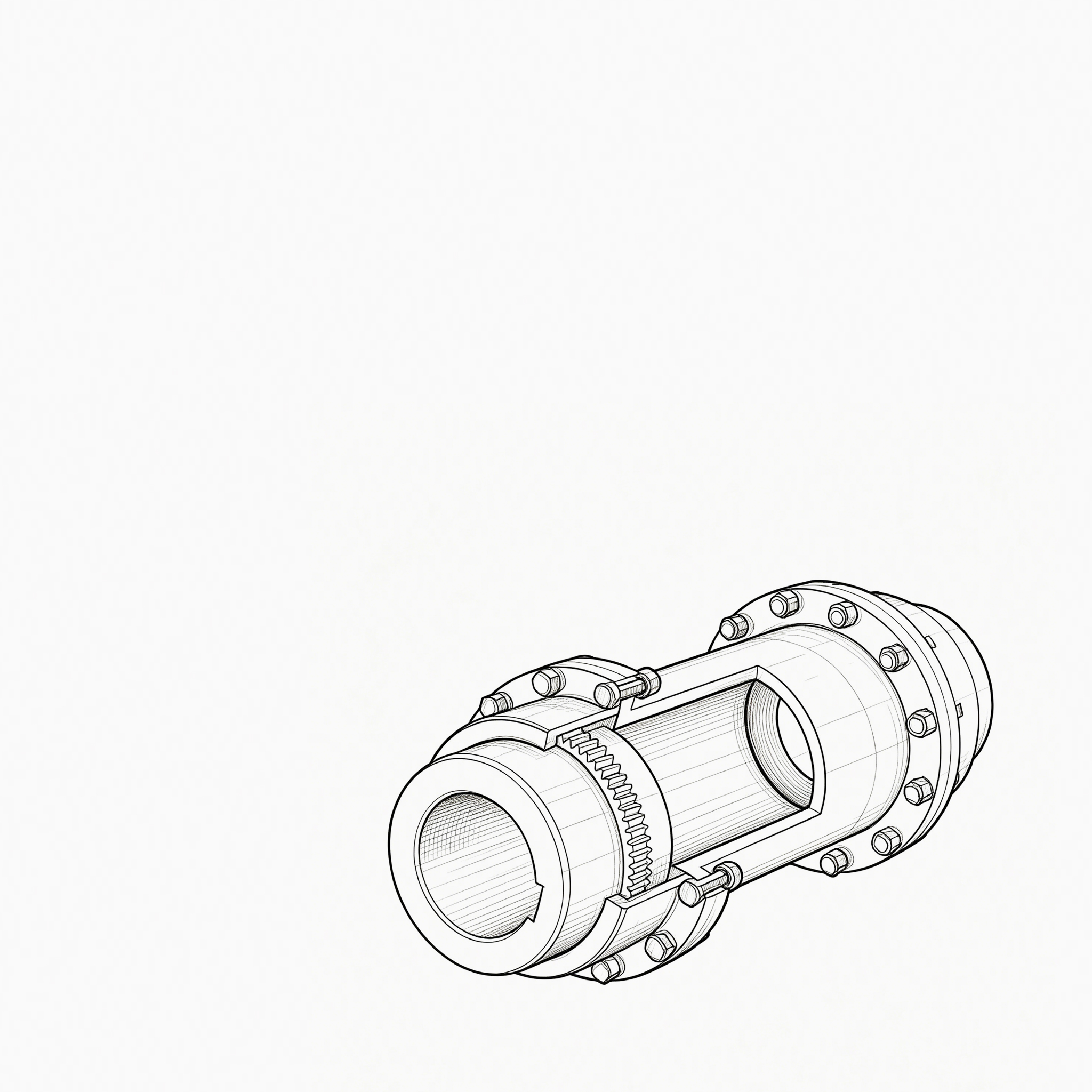
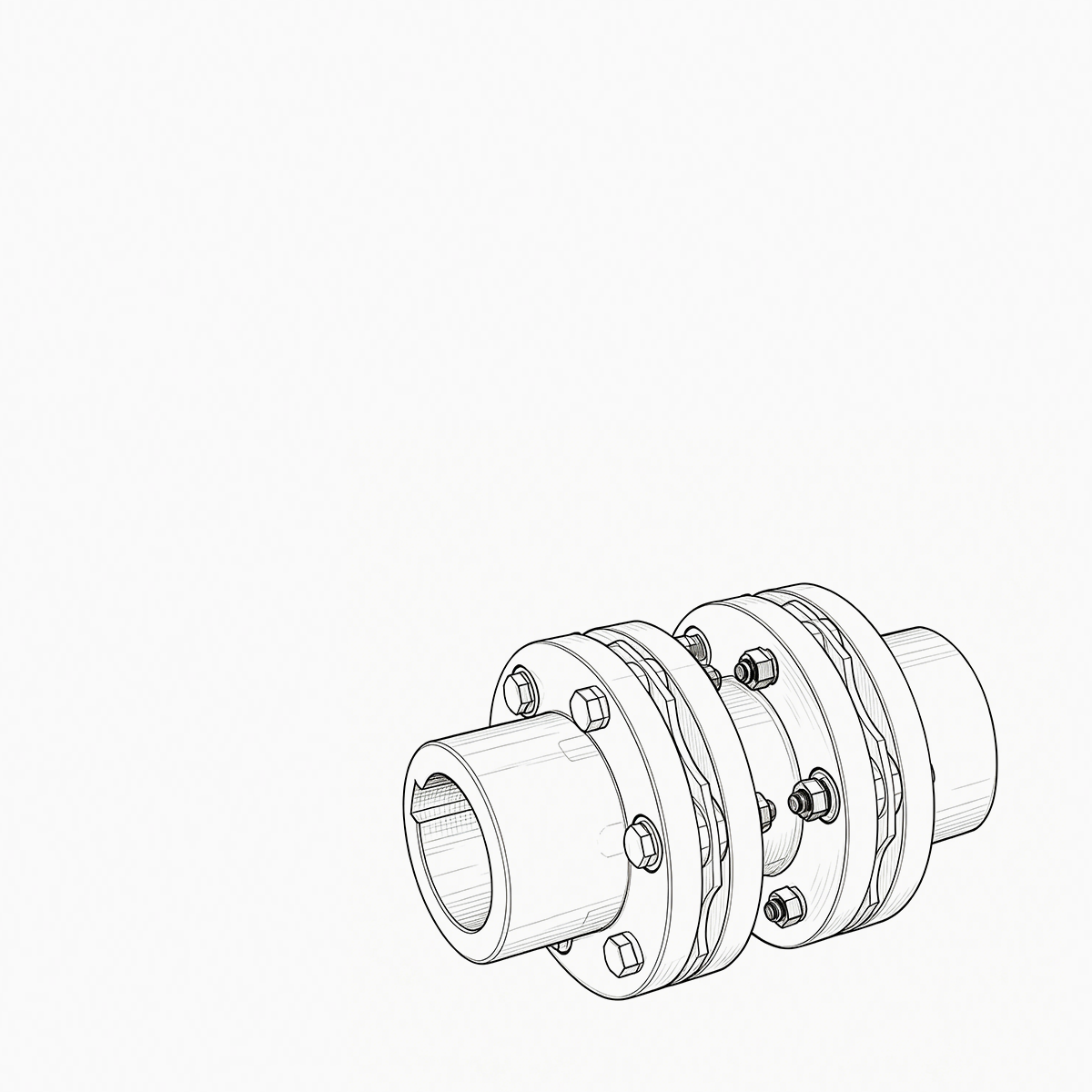
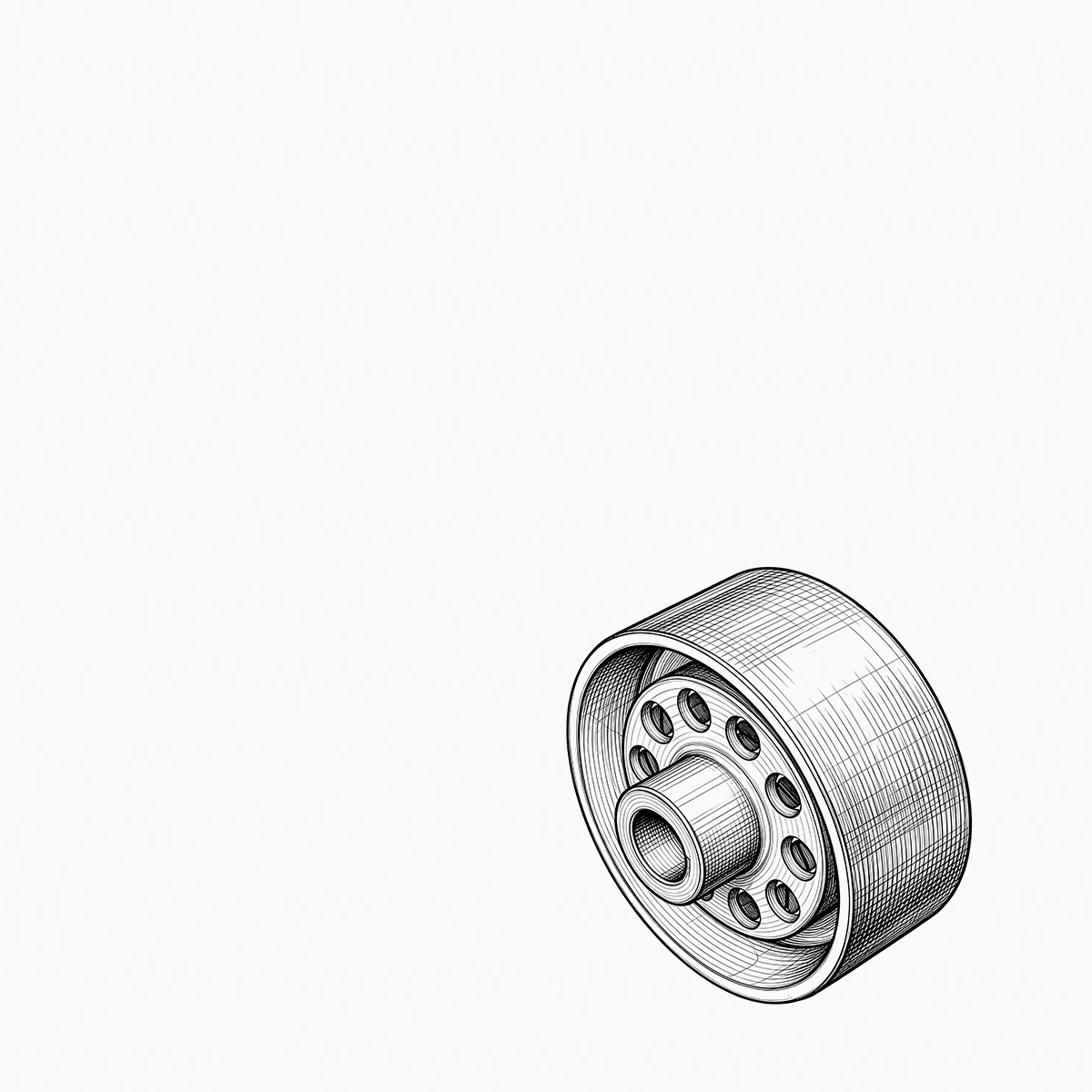
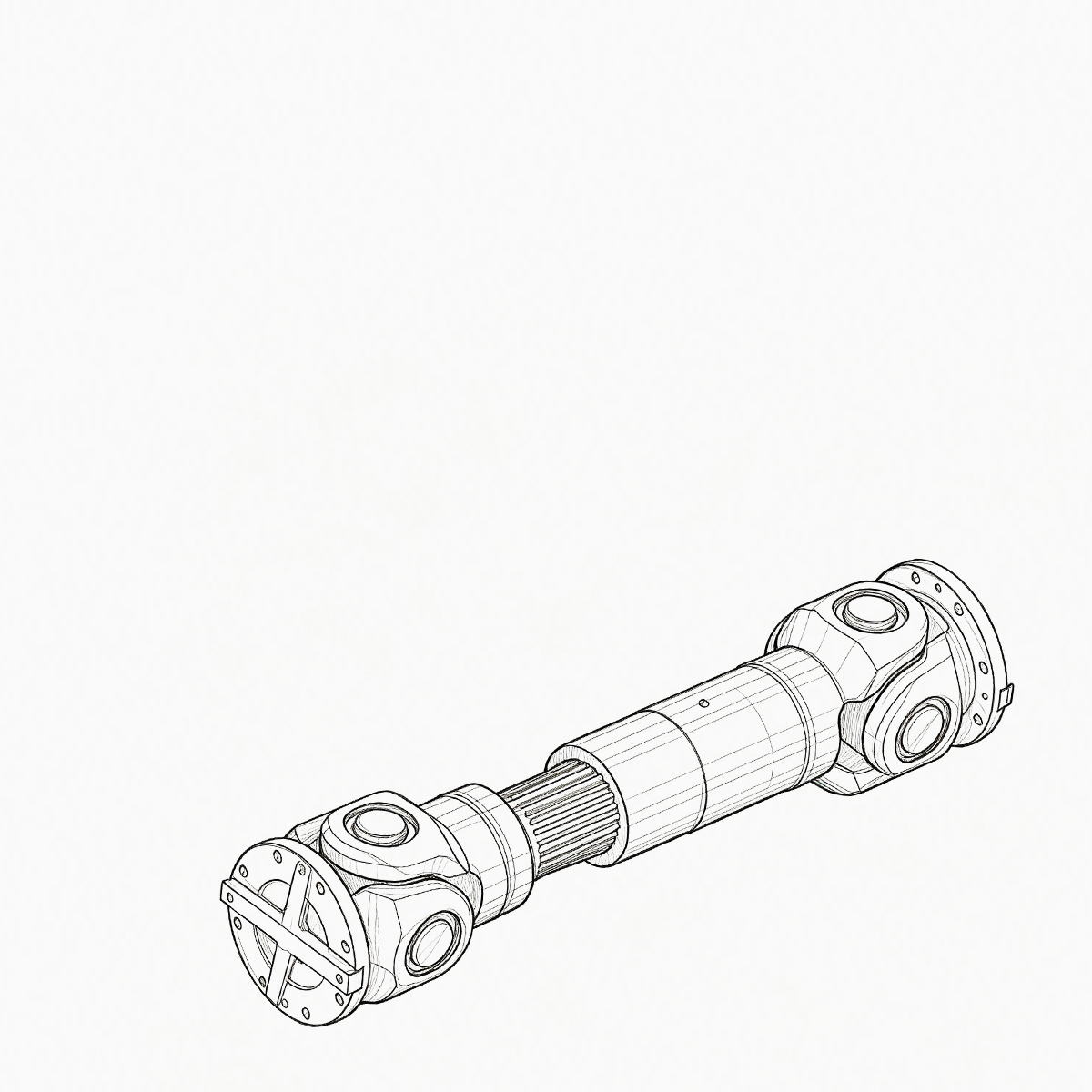
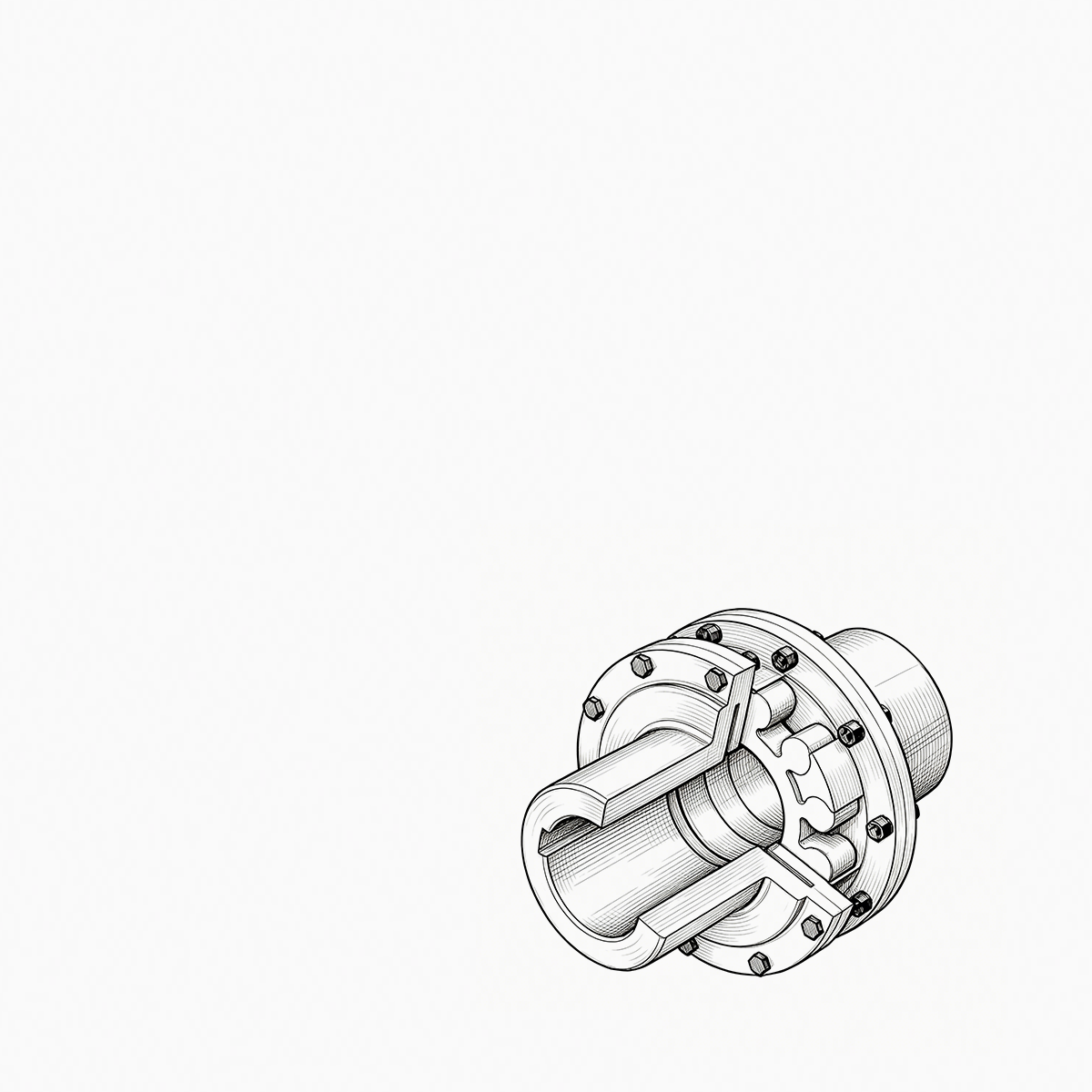
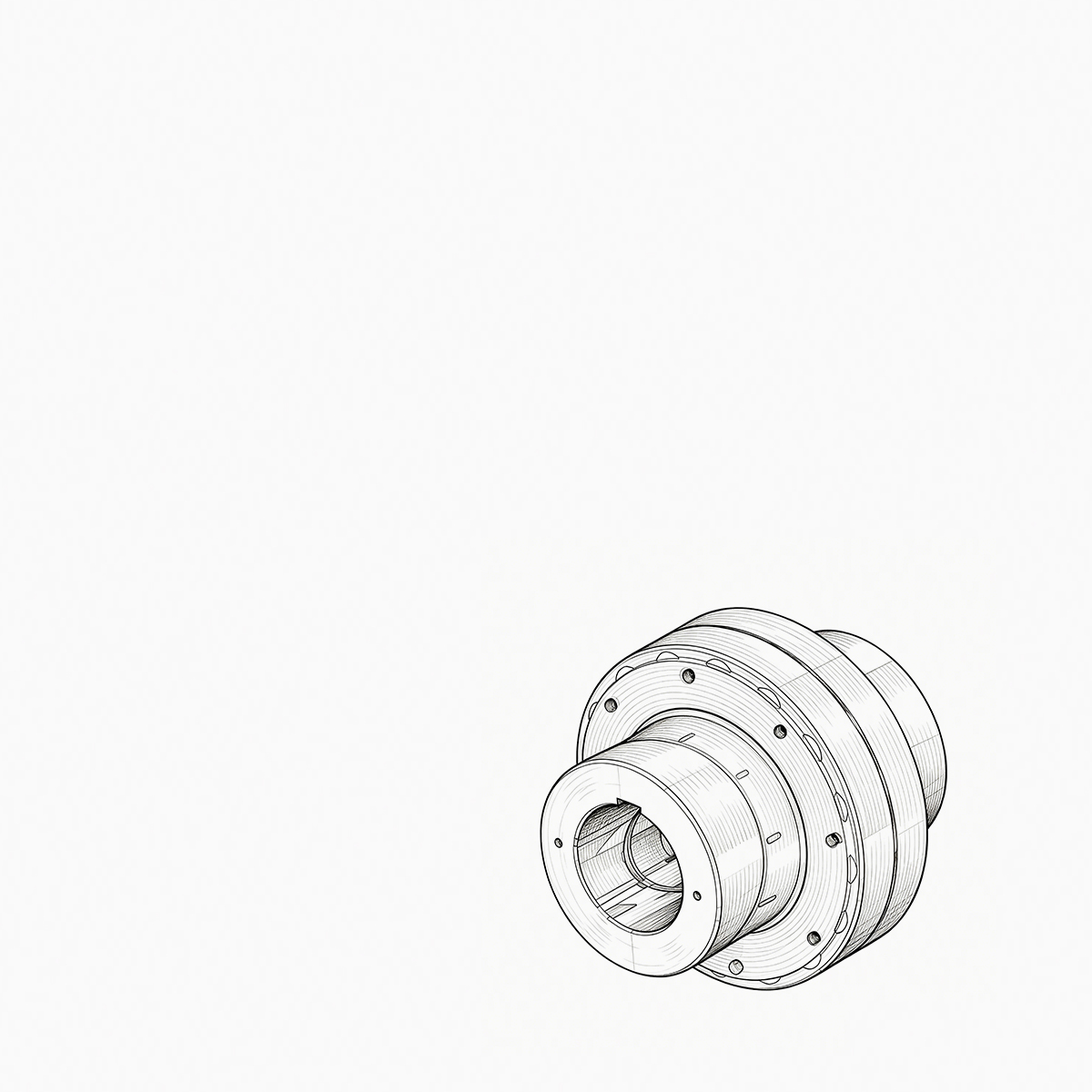
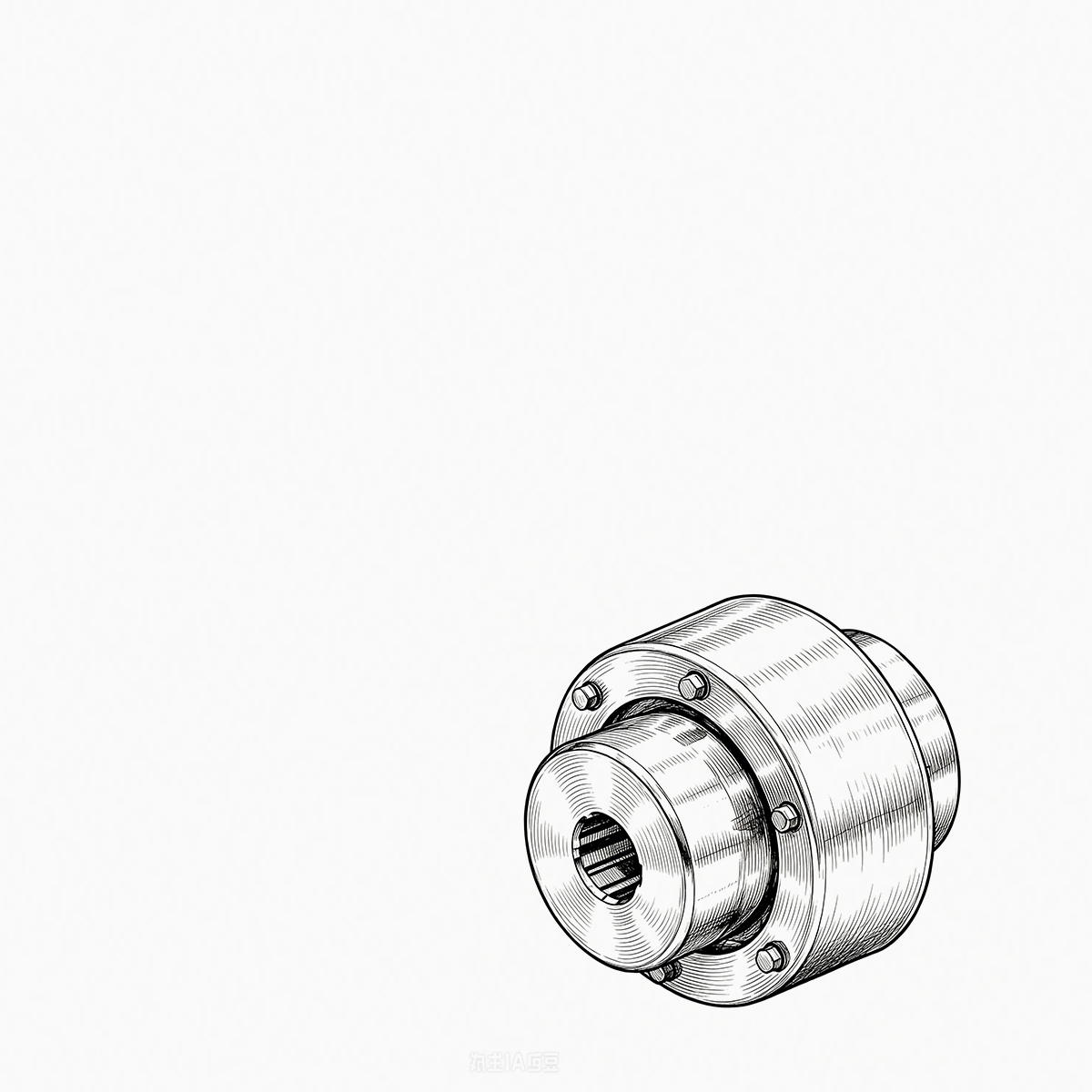
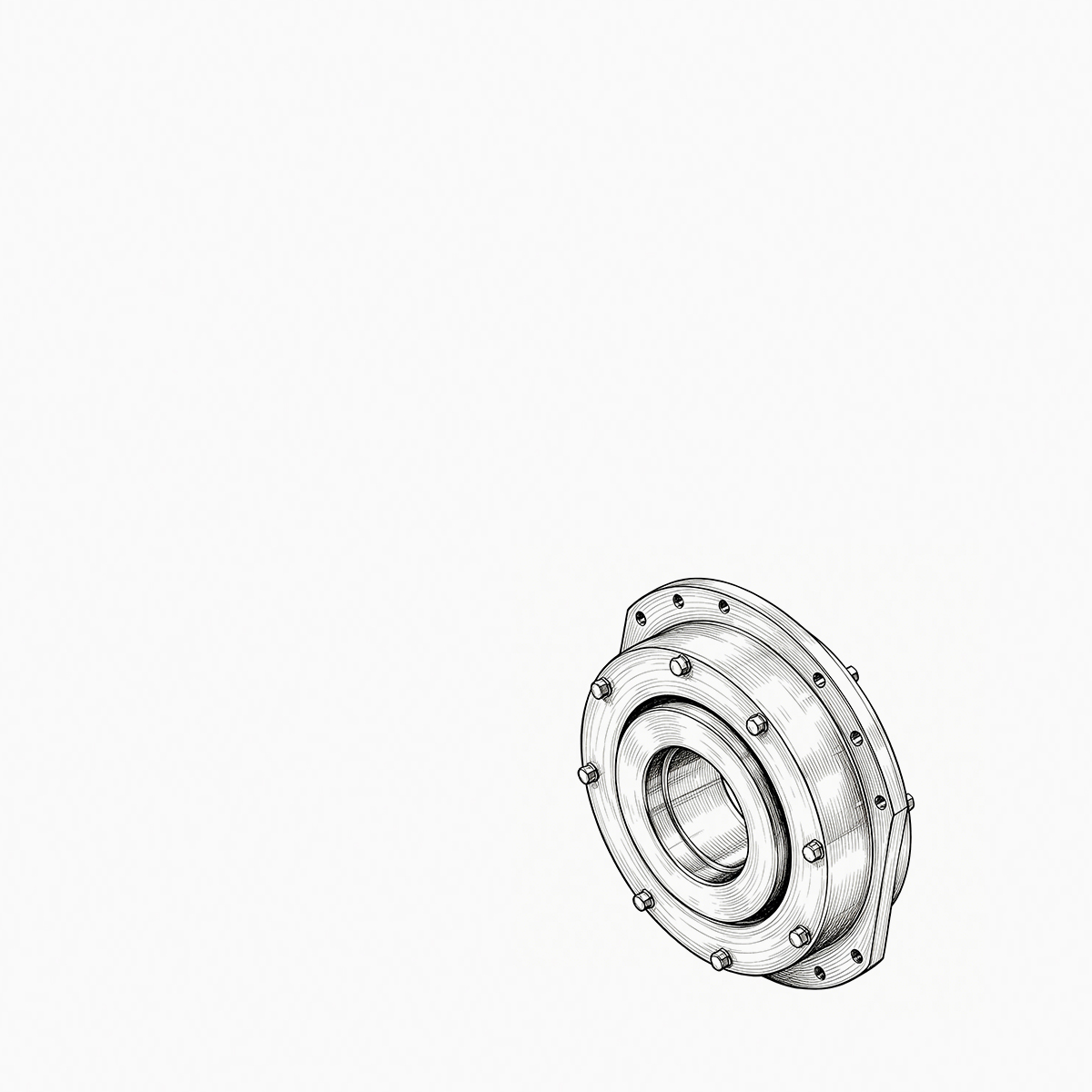
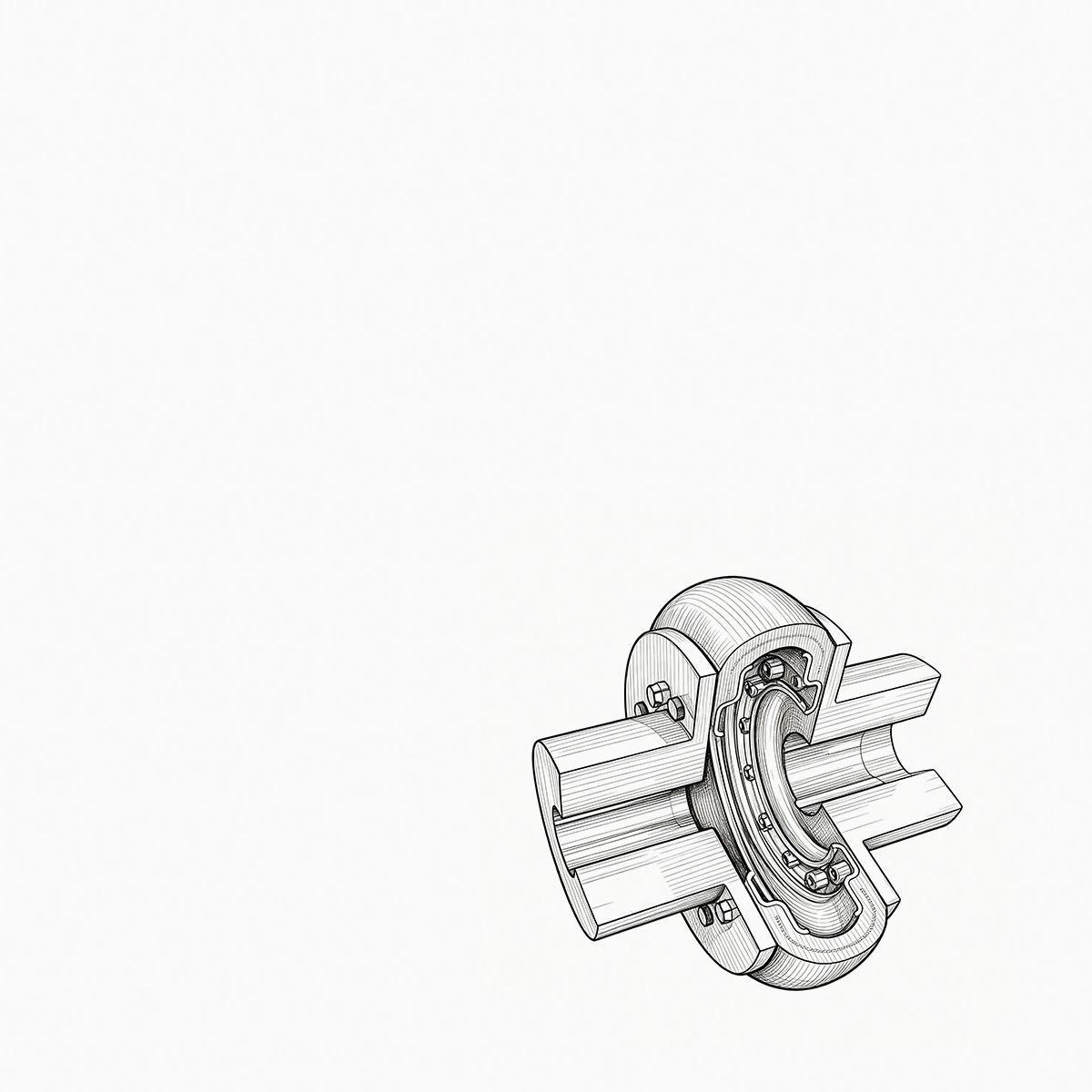
Two quotes land for the same replacement gear coupling: $1,850 from one shop and $2,600 from another. Both promise standard compliance, both quote four weeks, and the drawings loo...
READ MORE
 Drum Gear Coupling
NGCL cylindrical gear coupling
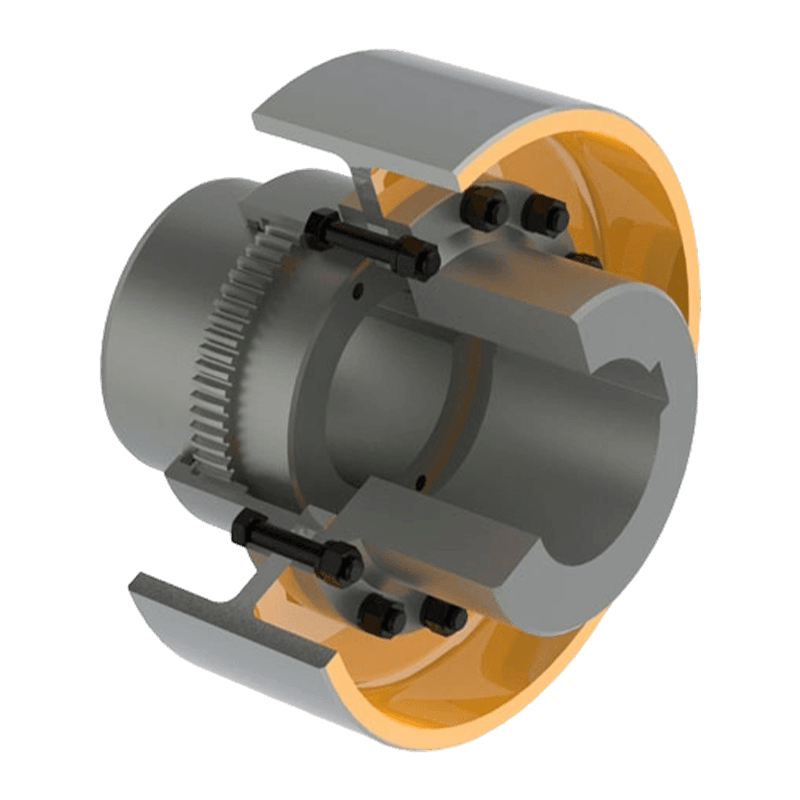
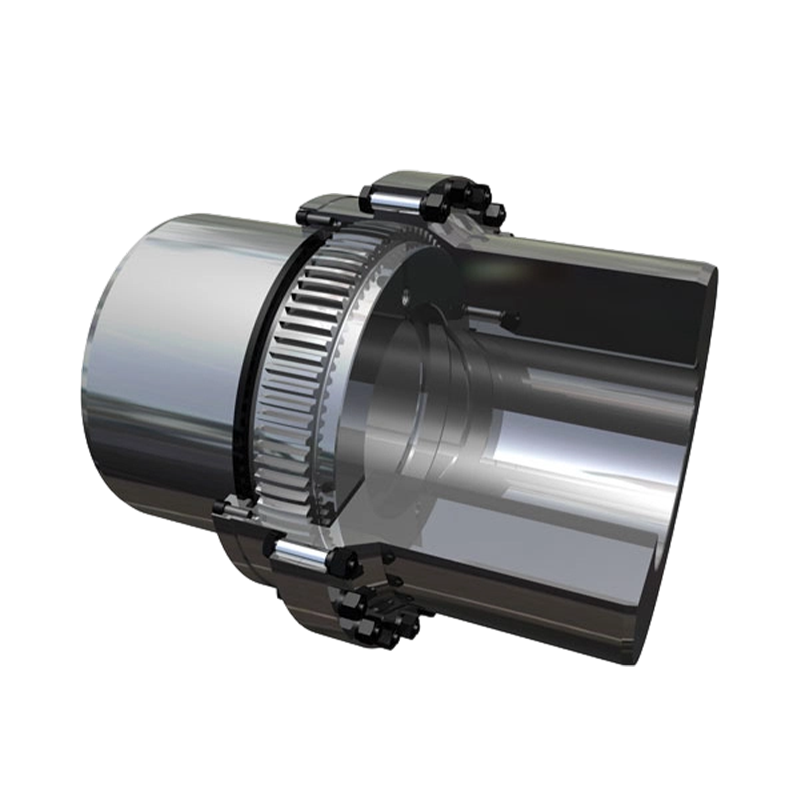
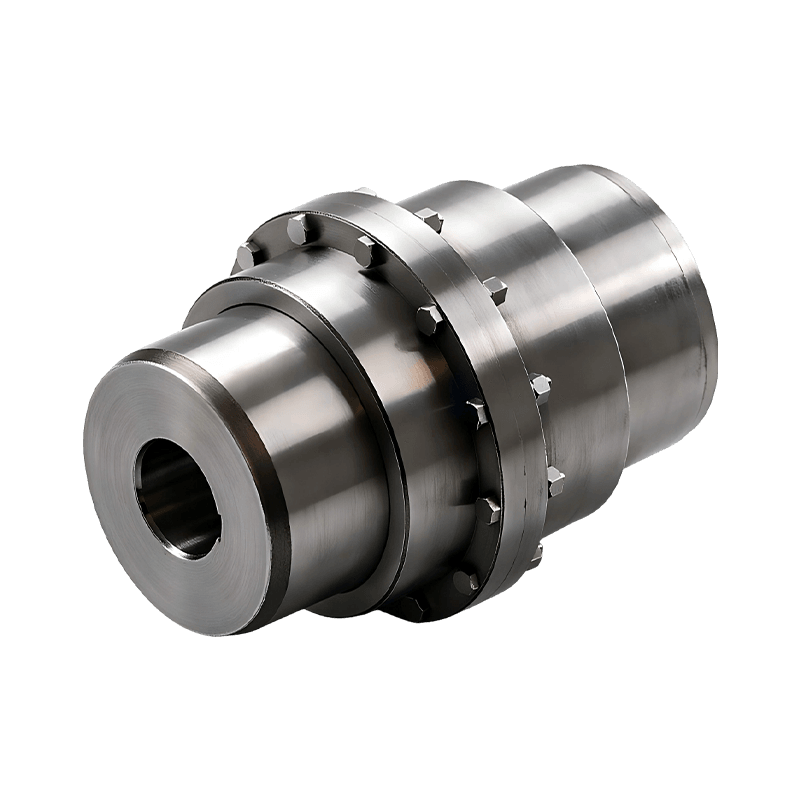
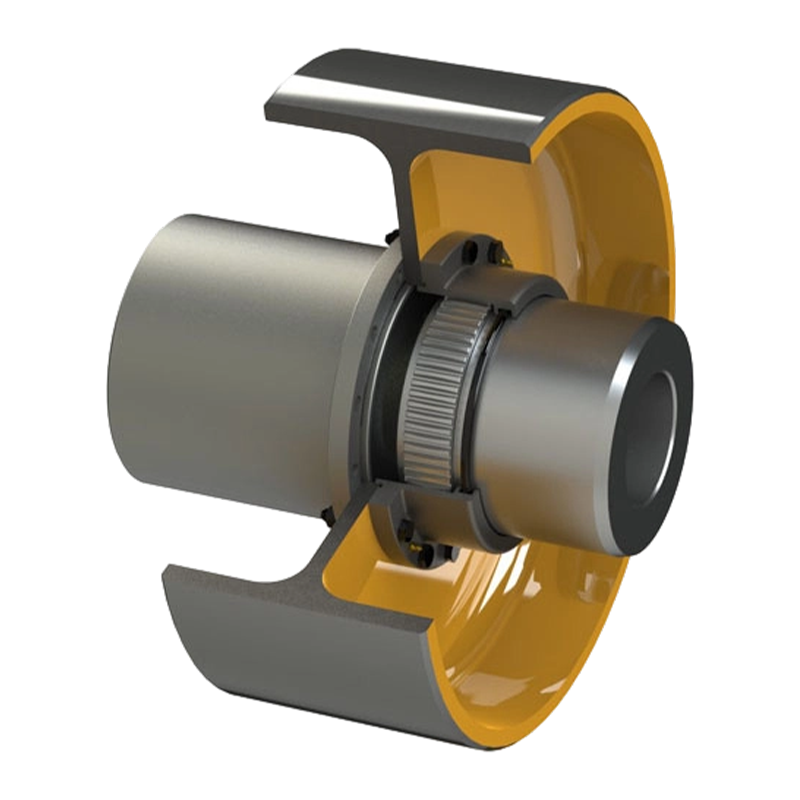
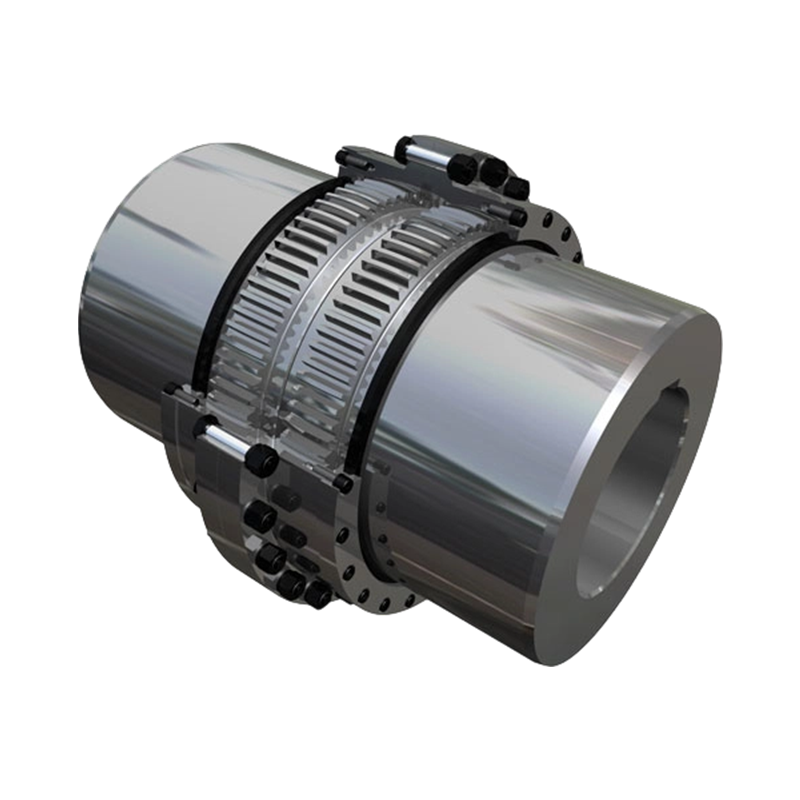
The NGCL cylindrical gear coupling is a torsionally rigid yet flexible transmission device that integrates both power transmission and braking functions into a single unit. It is designed for industrial equipment requiring synchronized braking control. Based on the conventional crowned gear coupling structure, this model incorporates an integrated brake drum, allowing the transmission and braking systems to function as one assembly. This eliminates the need for additional standalone braking components, simplifying system layout and improving space utilization. It is particularly suitable for installations where space is limited or where compact mechanical configurations are required. The main components include an internal gear ring, a flanged half coupling with external teeth, a brake drum, and sealing elements, all arranged in a structurally efficient configuration for convenient installation and maintenance.
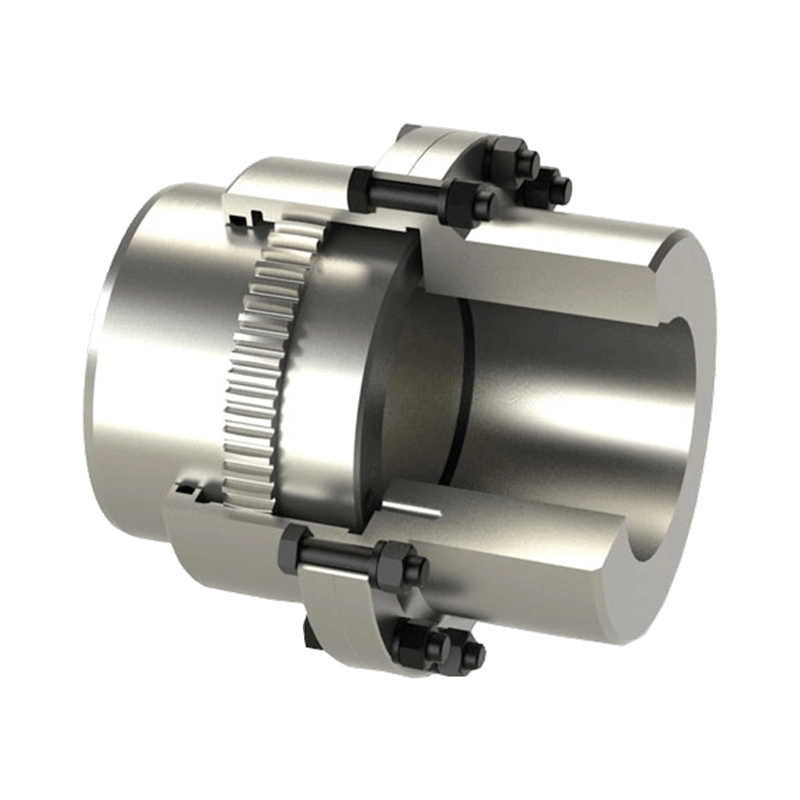
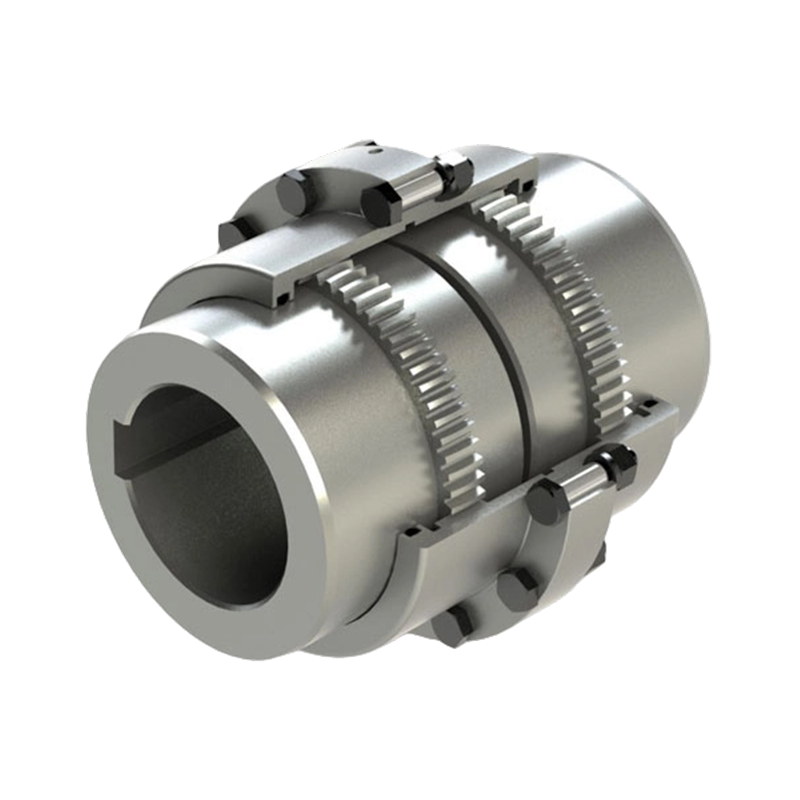
From a structural perspective, the external teeth of the NGCL coupling feature a crowned profile, with the tooth surfaces machined into a spherical shape whose center coincides with the shaft axis. The tooth side clearance is greater than that of conventional straight-tooth couplings. This design improves meshing contact conditions, ensuring more uniform load distribution across the tooth surface. Under angular misalignment conditions, it effectively prevents edge loading and localized stress concentration at the tooth ends, while enhancing the coupling’s ability to accommodate shaft misalignment. Compared with straight-tooth designs, the load-carrying capacity is increased by approximately 15%–20% under the same outer diameter conditions, with a rated torque range from 355 N·m to 100,000 N·m, meeting the transmission requirements of various industrial applications.
In terms of performance, the NGCL cylindrical gear coupling provides effective compensation for radial, axial, and angular misalignments, with a permissible angular displacement of up to 1°30′. It maintains high transmission efficiency during operation, reaching up to 99.7%. The optimized gear profile reduces operational noise and vibration, while the reliable sealing system prevents lubricant leakage and protects against dust ingress, ensuring stable internal lubrication and minimizing gear wear over time.
Company

Zhenjiang Orienthold Machinery Co., Ltd.
As China NGCL cylindrical gear coupling Factory and NGCL cylindrical gear coupling Manufacturers, Zhenjiang Orienthold Machinery Co., Ltd. is a medium-sized enterprise specialized in the production of couplings and papermak-ing machinery, integrating design, production and service.
Boasting strong technical strength, advanced equipment and comprehensive testing methods, our products are widely used in industries and equipment such as transportation, metallurgy, chemical engineering, mining, construction and hoisting, and are supplied to various large-scale enterprises all year round.
Equipped with a strict quality supervision system as well as complete inspection and testing instruments and equipment, our products fully comply with national standards. In particular, the production technology and quality of our papermaking machinery have reached international levels. Our products have won wide praise in the market and gained high recognition from customers.
Contact us
Sign up with your email to grab exclusive discounts, latest industry news and potential overseas inquiries. Don’t miss out on business opportunities worldwide.
Related products
News
-
-
Consider a 250 kW crane hoist that begins to vibrate only when the load is lifted. The drum gear coupling is inspected after a few months and the tooth wear is concentrated on one...
READ MORE -
A maintenance engineer pulls a failed coupling from a pump drive. The elastomer sleeves are cracked, the pin bolts are scored, and the hub bore shows the tell-tale fretting marks ...
READ MORE -
A rotating equipment engineer at a steel finishing mill recently described a flexible coupling that had failed twice in fourteen months. The first replacement came from the origin...
READ MORE -
Your compressor train is running at 9,800 rpm when the vibration monitor triggers an alarm. The first component your maintenance team inspects is the coupling. If the disc couplin...
READ MORE


ABOUT US
PRODUCTS
INDUSTRIES
CONTACT US
- Phone: +86-18652865511
- Email: sales@ohmach.com
- Address: No.1, Minying Developing Zone, Zhenjiang, Jiangsu, China
Copyright Zhenjiang Orienthold Machinery Co., Ltd. All Rights Reserved.
 Wholesale NGCL cylindrical gear coupling Factory