 English
 русский
 Português
 عربى
عربى
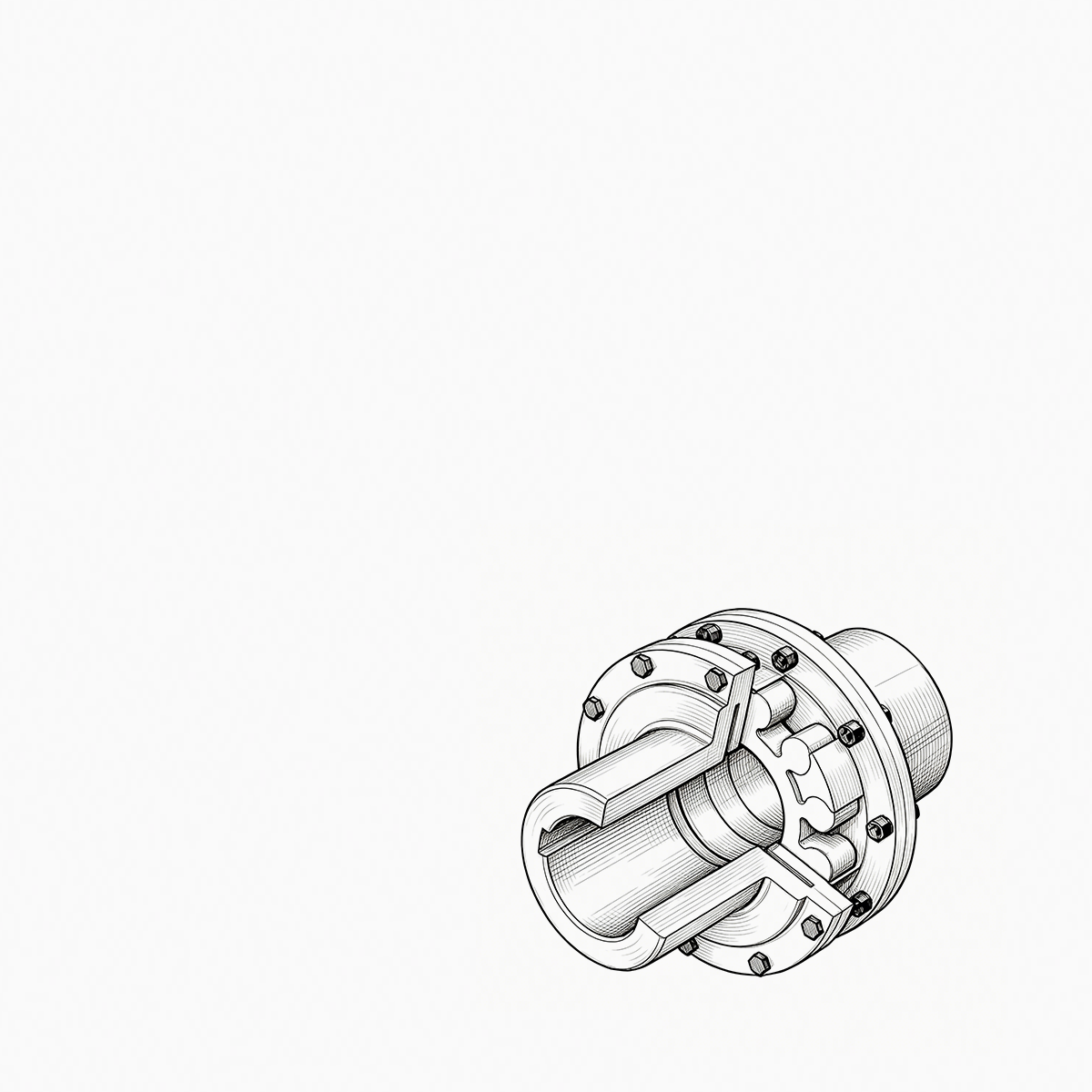
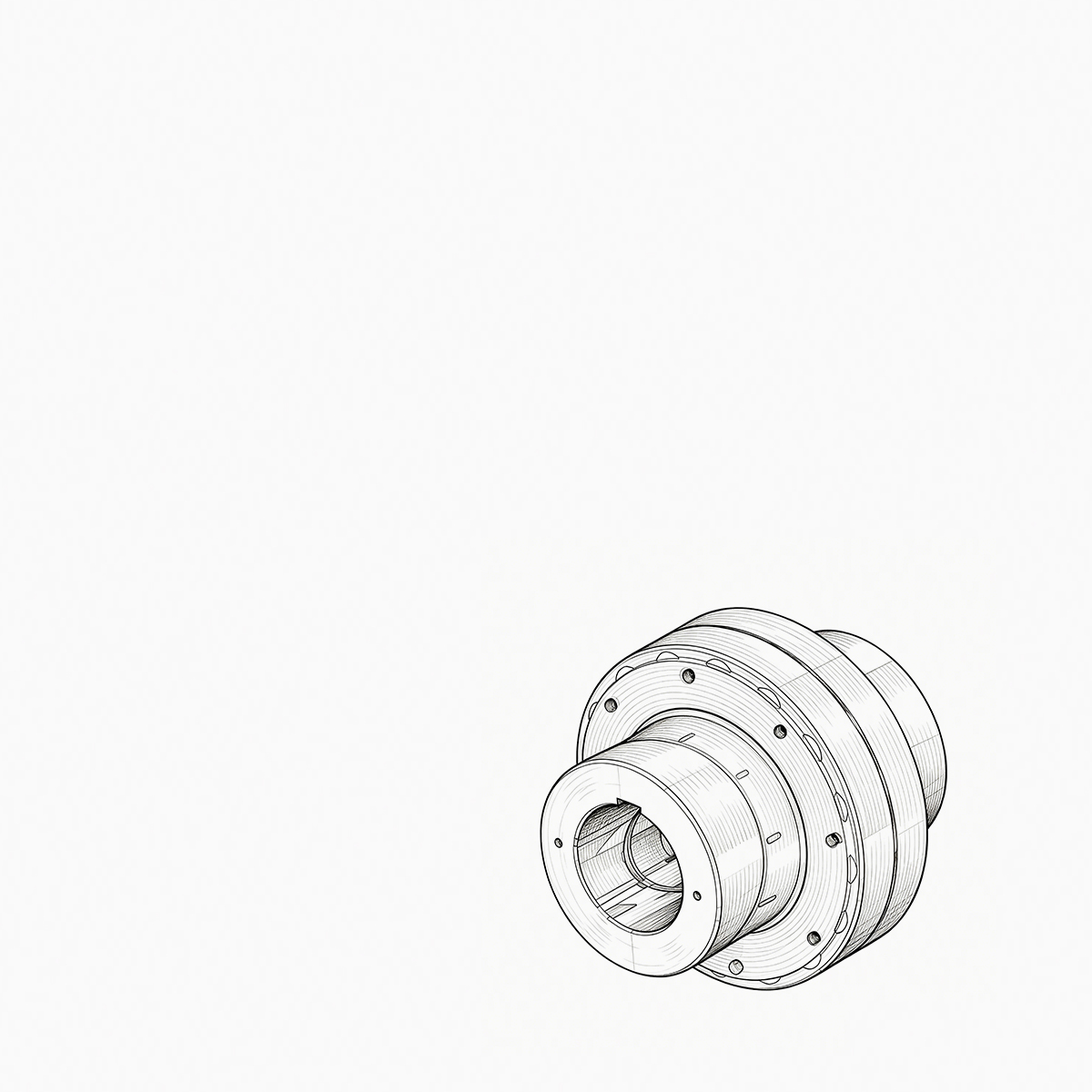
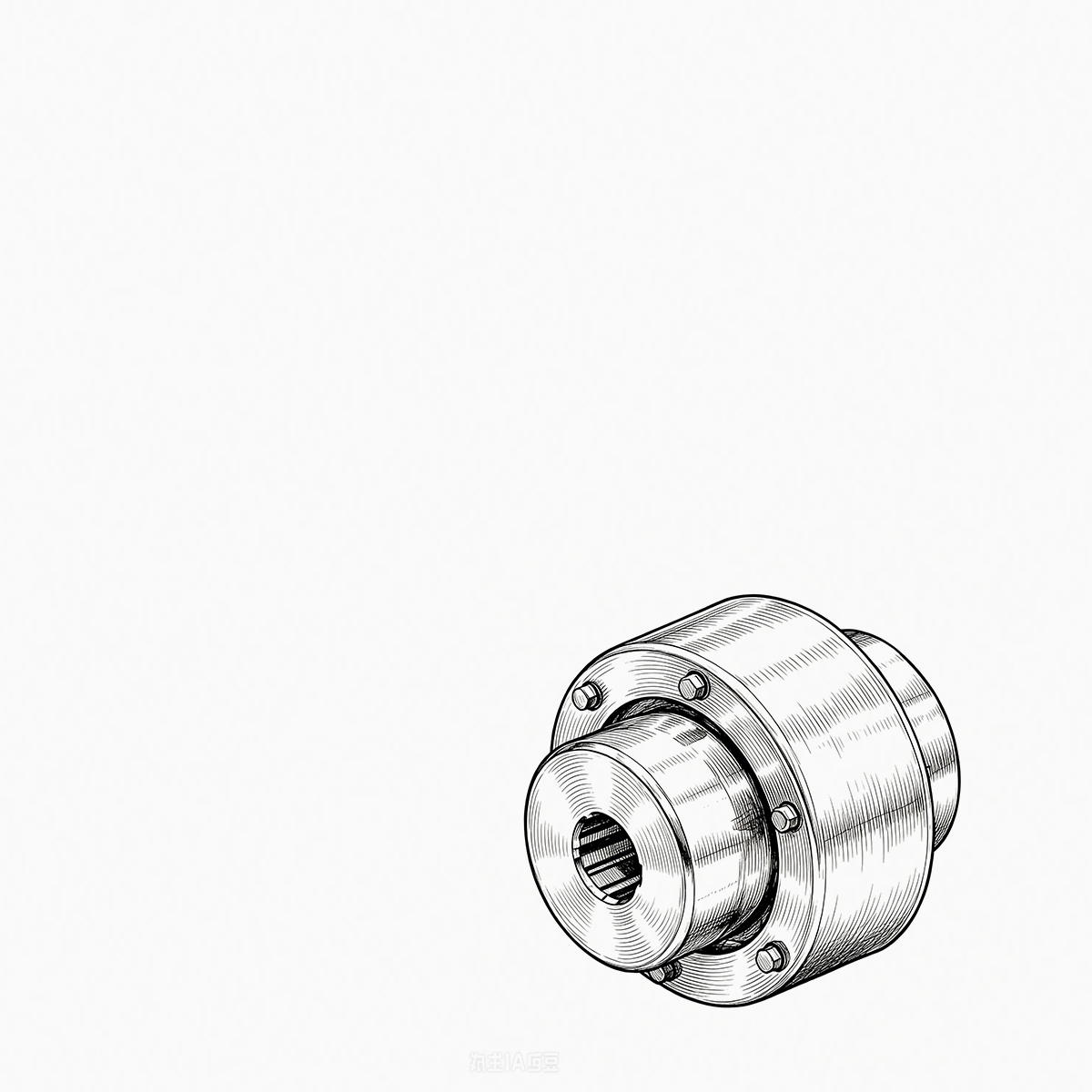
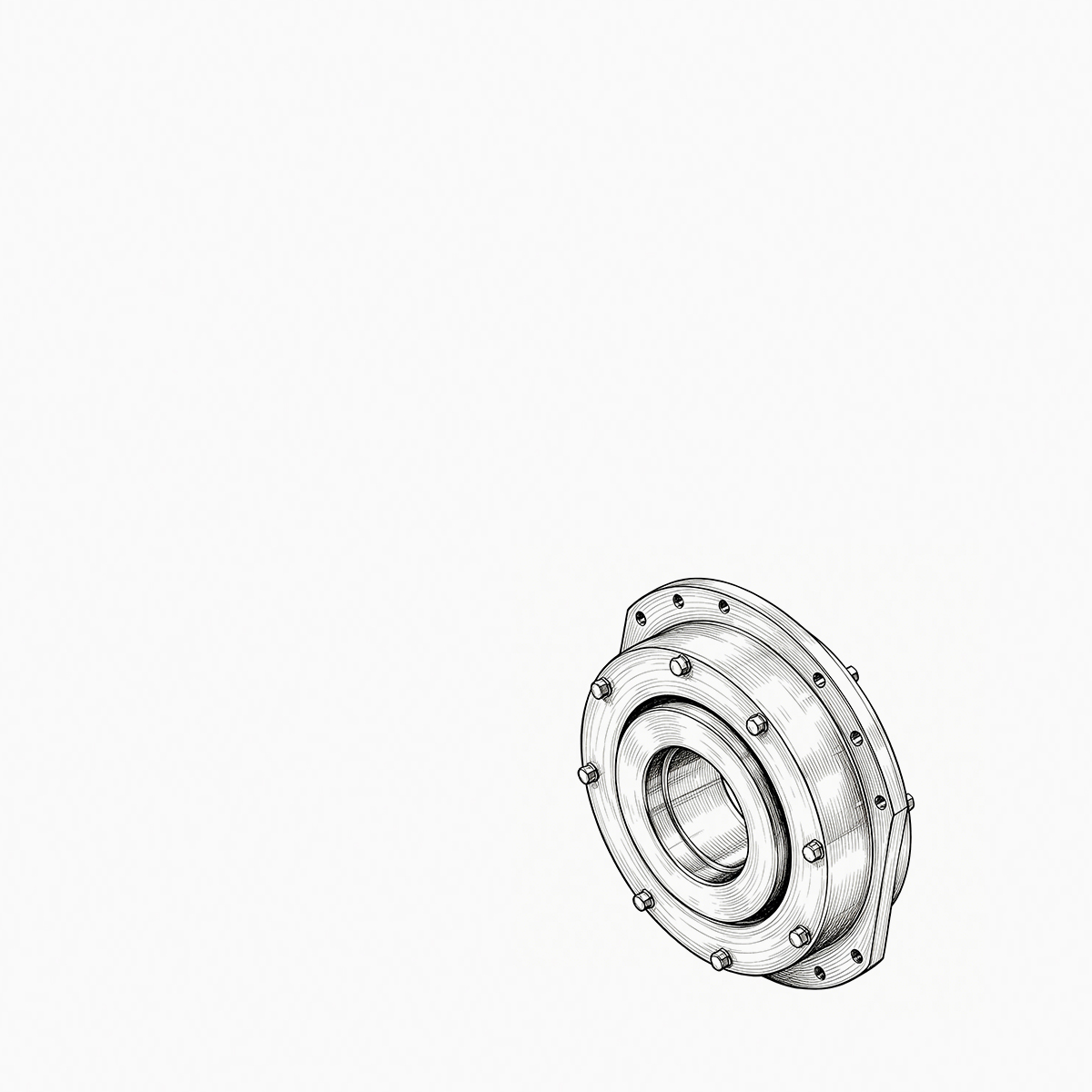
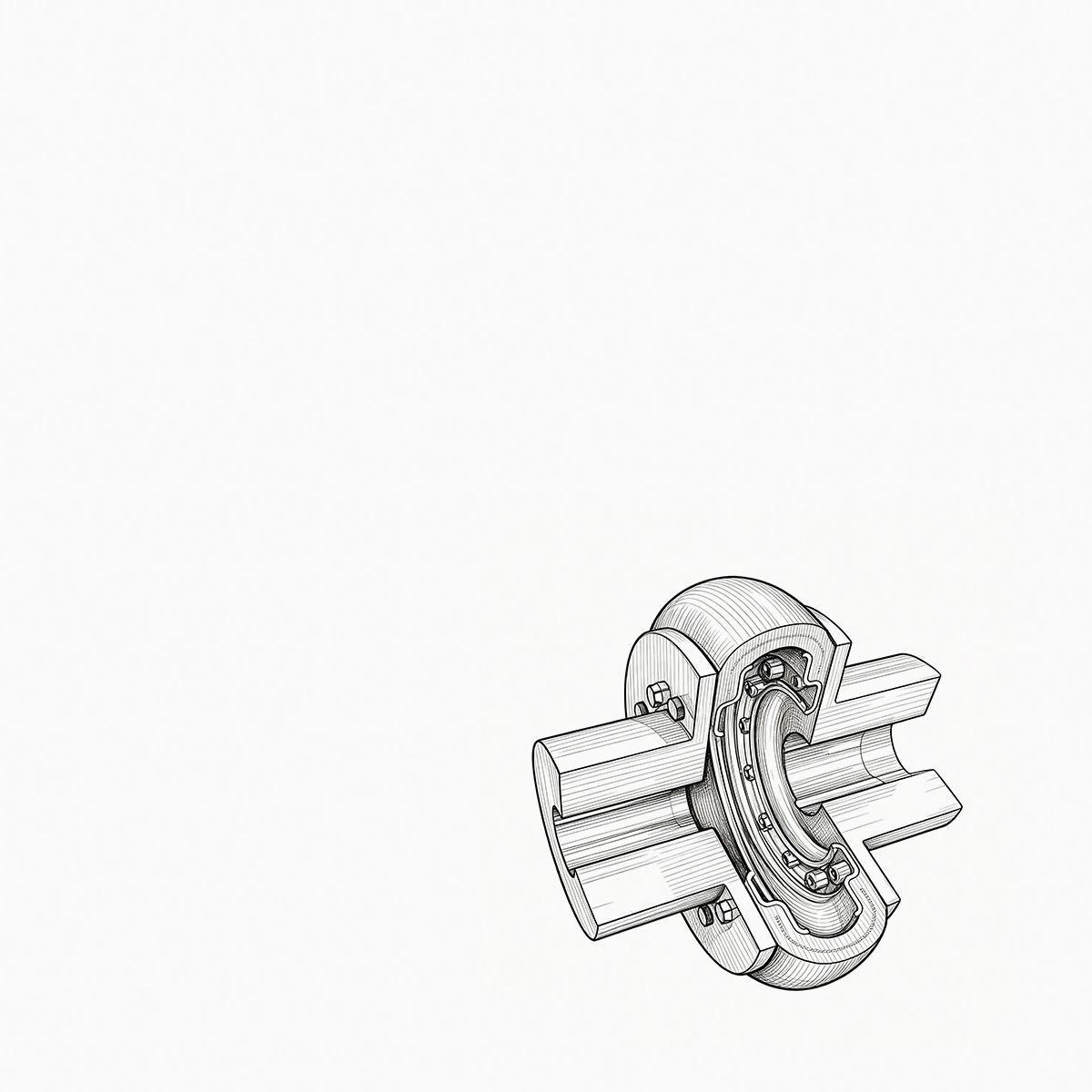
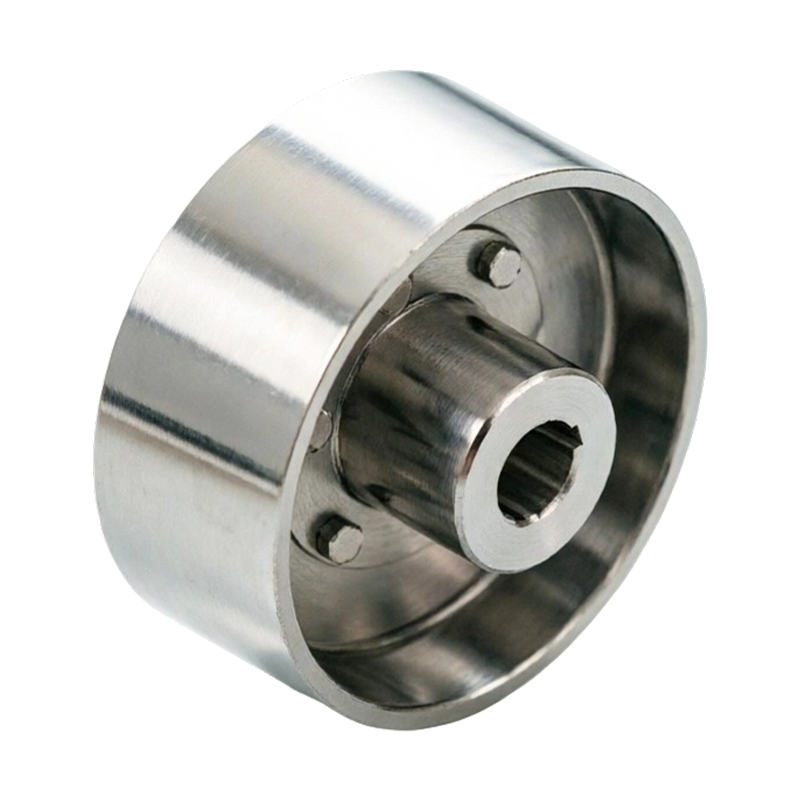
Industrial Couplings: The Definitive Technical Encyclopedia – Classification, Sizing, Failure Prevention, and Lifecycle...
READ MORE
A Guide to Selecting, Fitting, and Maintaining Elastic Sleeve Pin Couplings
Admin 2026-09-24Content
- 1 What Is an Elastic Sleeve Pin Coupling?
- 2 How It Handles Torque, Shock, and Misalignment
- 3 Selecting the Right Elastic Sleeve Pin Coupling
- 4 Shaft Fit: Getting the Hub Connection Right
- 5 Installation and Maintenance Best Practices
- 6 Where These Couplings Are Used
- 7 Customization and Procurement Considerations
- 8 Conclusion
A maintenance engineer pulls a failed coupling from a pump drive. The elastomer sleeves are cracked, the pin bolts are scored, and the hub bore shows the tell-tale fretting marks of a poor fit. For most medium-duty industrial drives, the replacement is not an exotic engineering exercise: an elastic sleeve pin coupling is often the simplest, most economical choice. It will absorb vibration, tolerate modest misalignment, and keep working for years if the fit and maintenance are correct.
This guide explains what an elastic sleeve pin coupling is, how it behaves under load, what to check when selecting one, and how to fit and maintain it so that the coupling does not become the weak link in the drivetrain.
What Is an Elastic Sleeve Pin Coupling?
An elastic sleeve pin coupling is a flexible shaft coupling that transmits torque through cylindrical pins inserted into holes in the two hubs. The driving hub carries pins; around each pin is an elastomeric sleeve. The driven hub has matching holes or slots. As the driving hub rotates, each pin compresses the sleeve against the wall of the driven hub, transferring torque by compression rather than by metal-to-metal contact.
A typical assembly consists of:
- Two flanged hubs, normally machined from steel or cast iron.
- Pin bolts, usually arranged on one pitch circle.
- Elastic sleeves, made of rubber or polyurethane, that fit over the pins.
- Retaining washers, lock washers, and nuts that secure the pins.
The design is also called a "pin-and-bush coupling" or a "bushed pin coupling." In the LT/TL series, the elastic sleeve is the load-bearing element; the pin only pushes the sleeve, not the mating metal. This is the key to its vibration and shock absorption.
How It Handles Torque, Shock, and Misalignment
When the drive starts, torque rises quickly. The elastic sleeve deforms in shear and compression, smoothing the sudden load. That deformation also lets the coupling absorb cyclic irregularities from a diesel engine, gearbox, or electric motor. The result is lower peak stress in the driven equipment and less noise.
The sleeve also creates a small amount of compliance between the shafts. Elastic sleeve pin couplings can accept radial misalignment of a few tenths of a millimeter, angular misalignment of up to roughly 1 degree, and axial displacement of a few millimeters in normal service. The exact values depend on speed, torque, and the elastomer used. These limits are not as generous as those of a gear coupling, but they are enough for most aligned installations and they are much easier to achieve in practice.
| Feature | Elastic sleeve pin | Gear | Diaphragm |
|---|---|---|---|
| Shock absorption | High | Low | Medium |
| Misalignment capacity | Good | High | Good |
| Lubrication needed | No | Yes | No |
| Maintenance intensity | Low | Medium | Low |
| Relative cost | Low | High | High |
For a general-purpose drive that does not suffer from extreme torque spikes, the sleeve coupling offers an excellent balance between protection and cost.
Selecting the Right Elastic Sleeve Pin Coupling
Selection starts with torque, then speed, then physical constraints, and finally environmental conditions. The rated torque of the coupling must exceed the maximum torque of the driven machine, including starting torque and any occasional overload. For a pump or fan, the continuous torque is usually enough; for a crusher or conveyor, a service factor between 1.5 and 2.0 is safer.
Bore size is the next check. The coupling hub must fit both the driving and driven shaft diameters. A larger bore does not always mean higher torque capacity, because the pin circle is fixed. The catalog rating is based on the largest permitted bore; a small shaft can still be accommodated with a reduction sleeve, but the torque rating must be reduced.
Speed affects the allowable misalignment and the balancing quality. At low speeds, standard hub balancing is sufficient. At higher speeds, residual imbalance may cause vibration, so the coupling should be checked and dynamically balanced if needed.
Temperature and atmosphere matter because the elastomer sleeve is the weakest material. Oil, ozone, and heat all accelerate rubber hardening. For high-temperature or oily environments, select a sleeve made of polyurethane or a specially formulated rubber and check the manufacturer's temperature limits.
If the driven machine also needs braking, a version with an integrated brake wheel can simplify the installation. This arrangement is common in cranes and hoists, where the coupling and brake form one compact component.
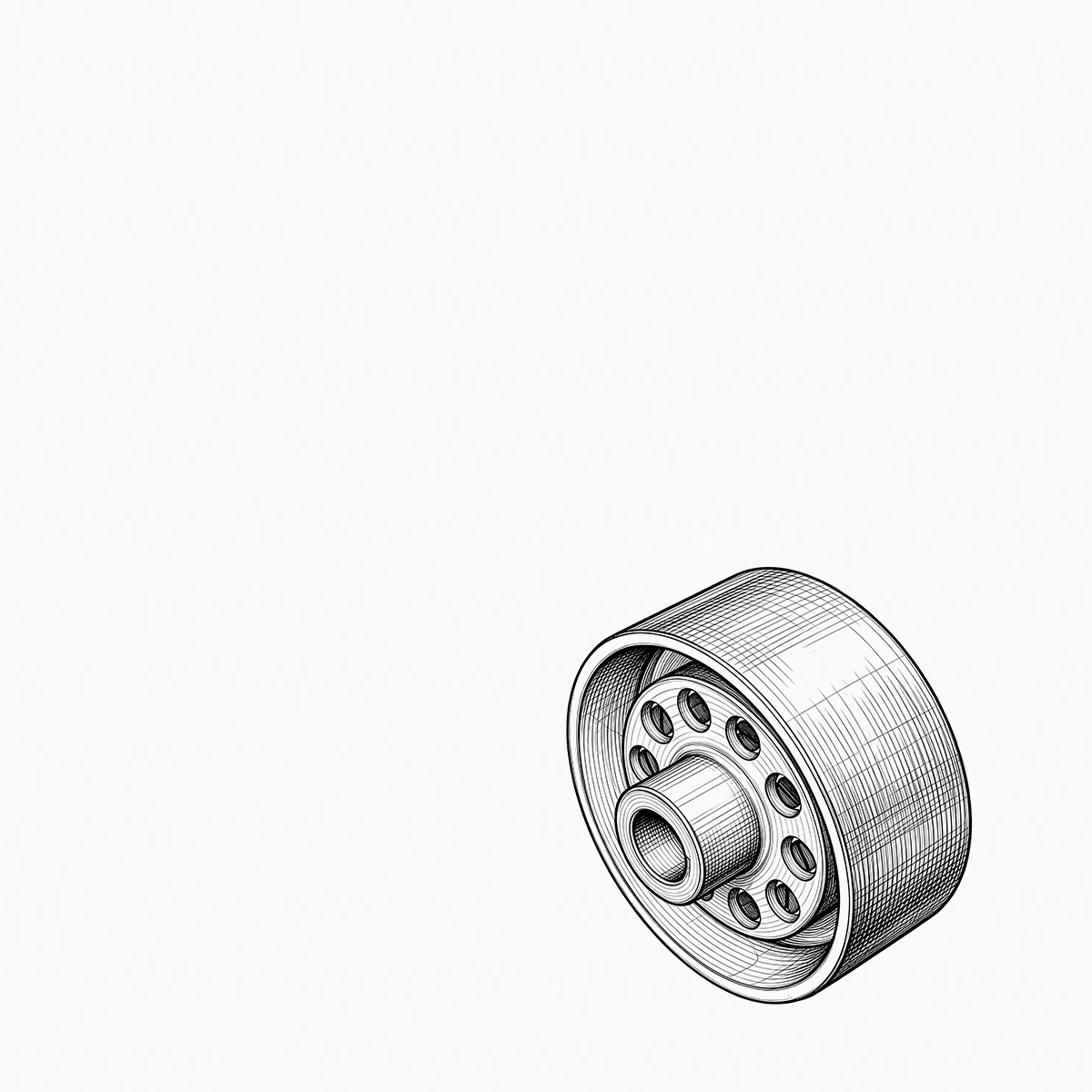
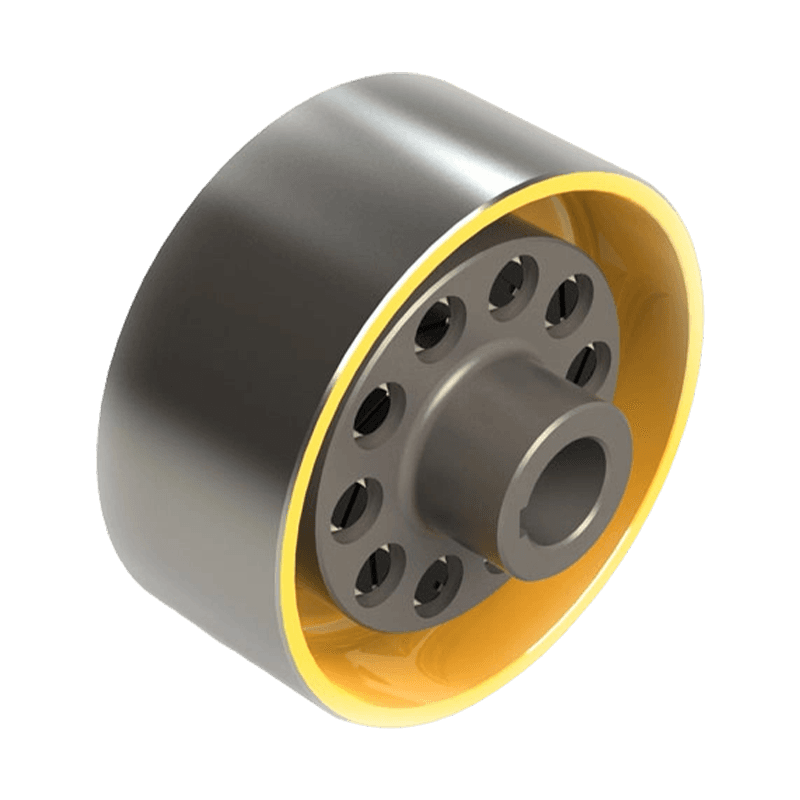
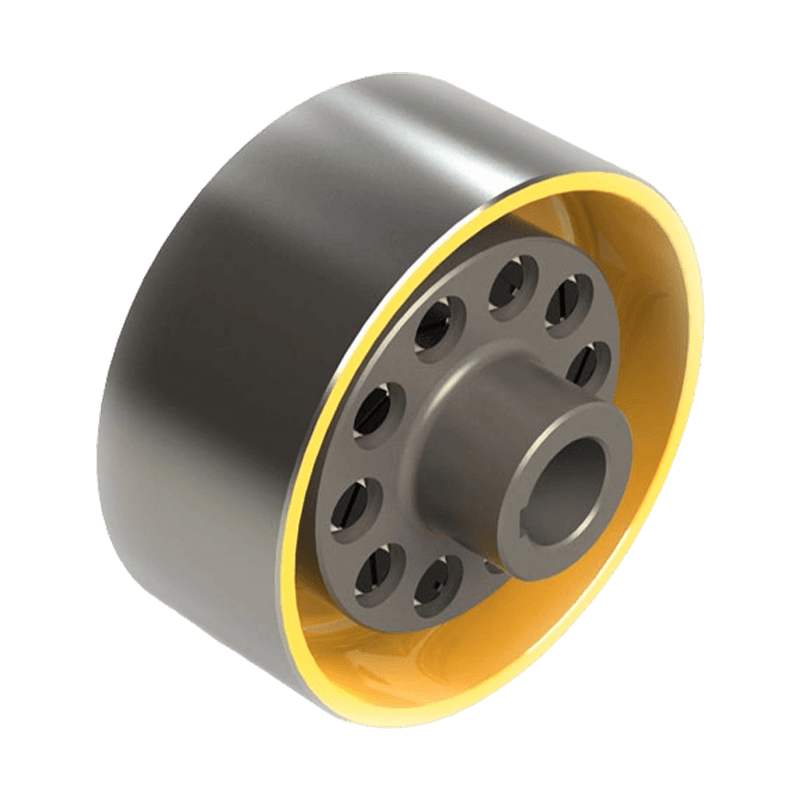 LTZ(TLL) Elastic Sleeve Pin Coupling with Brake WheelThis coupling integrates torque transmission and braking in one component, ideal for cranes and hoists where compact installation and reliable stopping are required. The brake wheel works with an external brake to ensure smooth deceleration and precise positioning.View Product →
Configurations with a brake wheel use a wider hub or an extended sleeve, and they should be selected together with the brake caliper clearance and the required braking torque. That said, for a straight coupling without a brake, the standard LT/TL design is one of the most widely used flexible options in industrial machinery.
Shaft Fit: Getting the Hub Connection Right
The fit between the coupling hub and the shaft determines whether the connection develops fretting wear, vibration, or slack. A loose fit, such as H8/h7, may be easy to assemble but can allow micro-movement at the bore surface. Over time that micro-movement creates fretting corrosion, which looks like dark red or brown dust on the shaft. In a reversing drive, the same movement can quickly enlarge the keyway and turn a small problem into a wrecked shaft.
For most rigid and flexible couplings, a transitional fit is preferred. In ISO terms, the hub bore is often H7, while the shaft is k6 or m6. H7/k6 gives a light press fit; H7/m6 gives a firmer hold and is common when torque reversals or light shocks are present. For severe duty, an interference fit such as H7/p6 can be used, provided the coupling can be disassembled with a hydraulic puller or an induction heater.
The keyway also needs attention. A standard square key transmits torque from the shaft to the hub. The fit of the key in the keyway should allow a small interference on the sides; a loose key allows hammering and rapid wear. Before assembling, measure the bore, the shaft, and the keyway with a micrometer, not just a vernier caliper. If the coupling has been in stock for a long time, re-measure the bore at two positions to detect ovality.
The fit between the hub and the shaft is a recurring subject in maintenance engineering literature because it often decides the coupling's service life. A mismatch of only a few micrometers can change the connection from trouble-free to chronically loose.
Installation and Maintenance Best Practices
Clean the shaft and bore thoroughly before assembly. Remove any rust, paint, burrs, or raised metal around the keyway. Lubricate the bore lightly with anti-seize compound, but do not lubricate the friction surface if the fit is meant to be a press fit; follow the supplier's recommendation.
Use a dial indicator to check alignment. Set the angular misalignment within the coupling's limit, usually 0.1 mm/100 mm or less, and the radial offset within 0.1–0.2 mm. Tightening the coupling to compensate for a misaligned motor is a fast way to fail.
For bolt tightening, use a torque wrench and tighten the pin bolts progressively in a star pattern. Over-tightening collapses the sleeve or distorts the pin. Under-tightening allows the pin to move axially and hammer against the retaining washer.
Maintenance activities are simple but should be scheduled:
- Check for oil, solvent, or excessive heat on the elastomer sleeves every three to six months.
- Look for cracks, swelling, or compression set in the sleeves.
- Measure the axial movement of the hub on the shaft; visible movement means the fit is failing.
- Replace all sleeves and pins as a set, not one-by-one, to keep load sharing even.
- Re-check alignment after replacing elastomers, because the new sleeves are stiffer and may change the running position.
When replacement is needed, an elastic sleeve pin coupling is usually cheaper and faster to repair than a gear or disc coupling, which explains its continued popularity in plant maintenance.
Where These Couplings Are Used
Elastic sleeve pin couplings are found in almost every continuous-production industry. Typical applications include pumps, fans, compressors, conveyors, mixers, crushers, cranes, hoists, and machine tools. Their ability to absorb torsional vibration makes them especially useful on diesel-driven pumps and generators, where torque pulses are unavoidable.
In steel mills, they are used on roller table drives and auxiliary equipment; in mining, on conveyors and slurry pumps; in marine and petrochemical environments, on deck machinery and process pumps. For crane service, the coupling is often combined with a brake wheel, and the whole assembly must meet hoisting safety standards. Our covered industries page gives an overview of the operating conditions where such couplings need to perform reliably. See the industry application list for more.
Customization and Procurement Considerations
Most manufacturers are willing to modify a standard elastic sleeve pin coupling to fit a specific drive. Common customizations include the bore diameter, keyway size and position, hub length, the material of the sleeve, and whether the coupling must be balanced for a higher speed. For hoisting and lifting, a brake wheel can be forged or welded onto the hub and then machined to run true.
The standard LT/TL type is the workhorse of this family. It has a compact flange and uses either a single-row or double-row arrangement of pins, depending on torque. Many plants keep a spare LT/TL coupling in stock because it fits a wide range of motor and pump shafts.
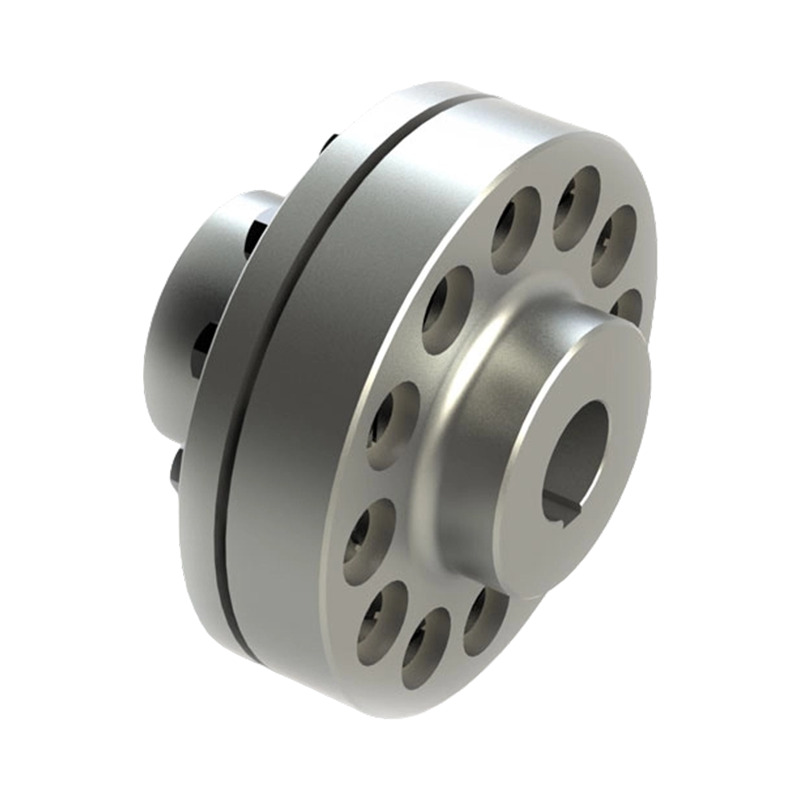
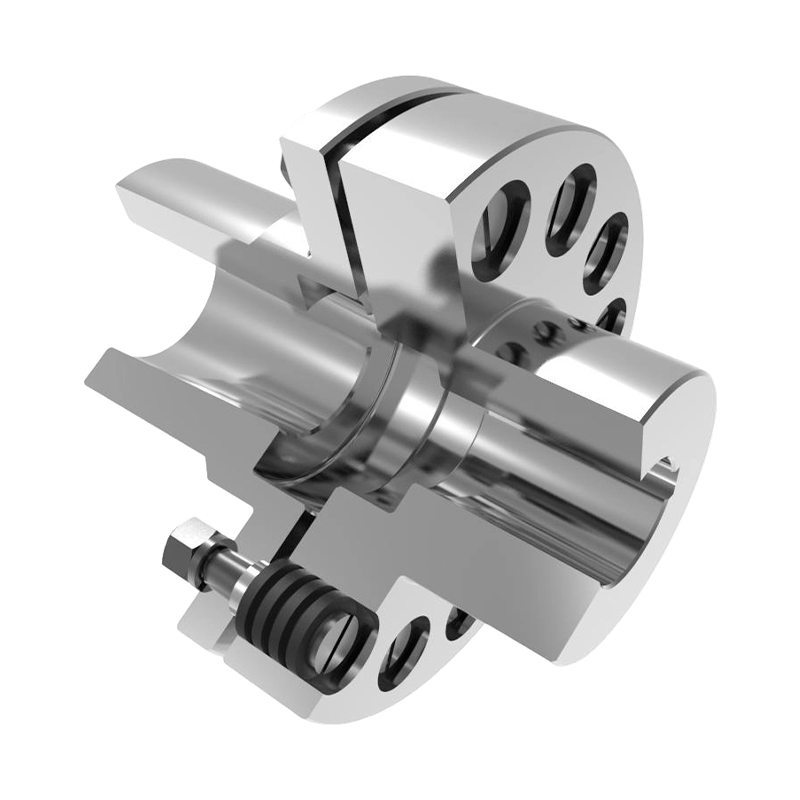 LT(TL) Elastic Pin and Bush CouplingThis standard flexible coupling suits a wide range of motor and pump shafts, offering vibration damping and misalignment compensation. Its compact flange and easy maintenance make it a practical spare part for many industrial plants.View Product →
When you send an enquiry, provide the following information: power or torque, operating speed, shaft diameters and keyway dimensions, space available between shafts, ambient temperature, and whether the unit is indoor or outdoor. Also state whether the load is constant or shock-type. That data allows the manufacturer to calculate the actual service factor and to recommend the correct bore and hub material.
Before ordering, it is also worth reviewing the critical selection factors that affect coupling reliability; an apparently small detail, such as the elastomer hardness or the pin surface finish, can change the service life by a large margin. The article on critical factors for selecting the right industrial coupling explains the issues that are easy to overlook during procurement.
Conclusion
The elastic sleeve pin coupling remains a practical first choice for many industrial drives. It is simple to understand, easy to install, and forgiving in service. The main requirements are a correct bore fit, reasonable alignment, and regular inspection of the elastomer sleeves. When selected with the right service factor and customized for the actual shaft and environment, it provides long, dependable life without the lubrication and maintenance demands of gear couplings.
Next time a coupling fails, do not immediately assume that a larger or more expensive coupling is the answer. Instead, check the fit, the alignment, and the condition of the elastomer sleeves. In most cases, a correctly fitted elastic sleeve pin coupling will solve the problem at a lower cost and with less downtime.
PREV: Drum Gear Coupling Selection: Types, Misalignment, Torque and ApplicationsNEXT: Flexible Coupling Manufacturers: What to Check Before You Choose a Supplier
Be the First to Know
For exclusive deals and latest offers, sign up by entering your email address below.
Related products
News
-
-
During a routine vibration survey on a high-speed compressor train, engineers found a 4.5 mm/s velocity spike at the mo...
READ MORE -
Your compressor train is running at 9,800 rpm when the vibration monitor triggers an alarm. The first component your ma...
READ MORE -
Consider a 250 kW crane hoist that begins to vibrate only when the load is lifted. The drum gear coupling is inspected ...
READ MORE -
China's coupling industry is at a critical historical juncture of transformation from scale expansion to quality and eff...
READ MORE -
A rotating equipment engineer at a steel finishing mill recently described a flexible coupling that had failed twice in...
READ MORE


ABOUT US
PRODUCTS
INDUSTRIES
CONTACT US
- Phone: +86-18652865511
- Email: sales@ohmach.com
- Address: No.1, Minying Developing Zone, Zhenjiang, Jiangsu, China
Copyright Zhenjiang Orienthold Machinery Co., Ltd. All Rights Reserved.
 Custom Industrial Shaft Coupling Manufacturers