 English
 русский
 Português
 عربى
عربى
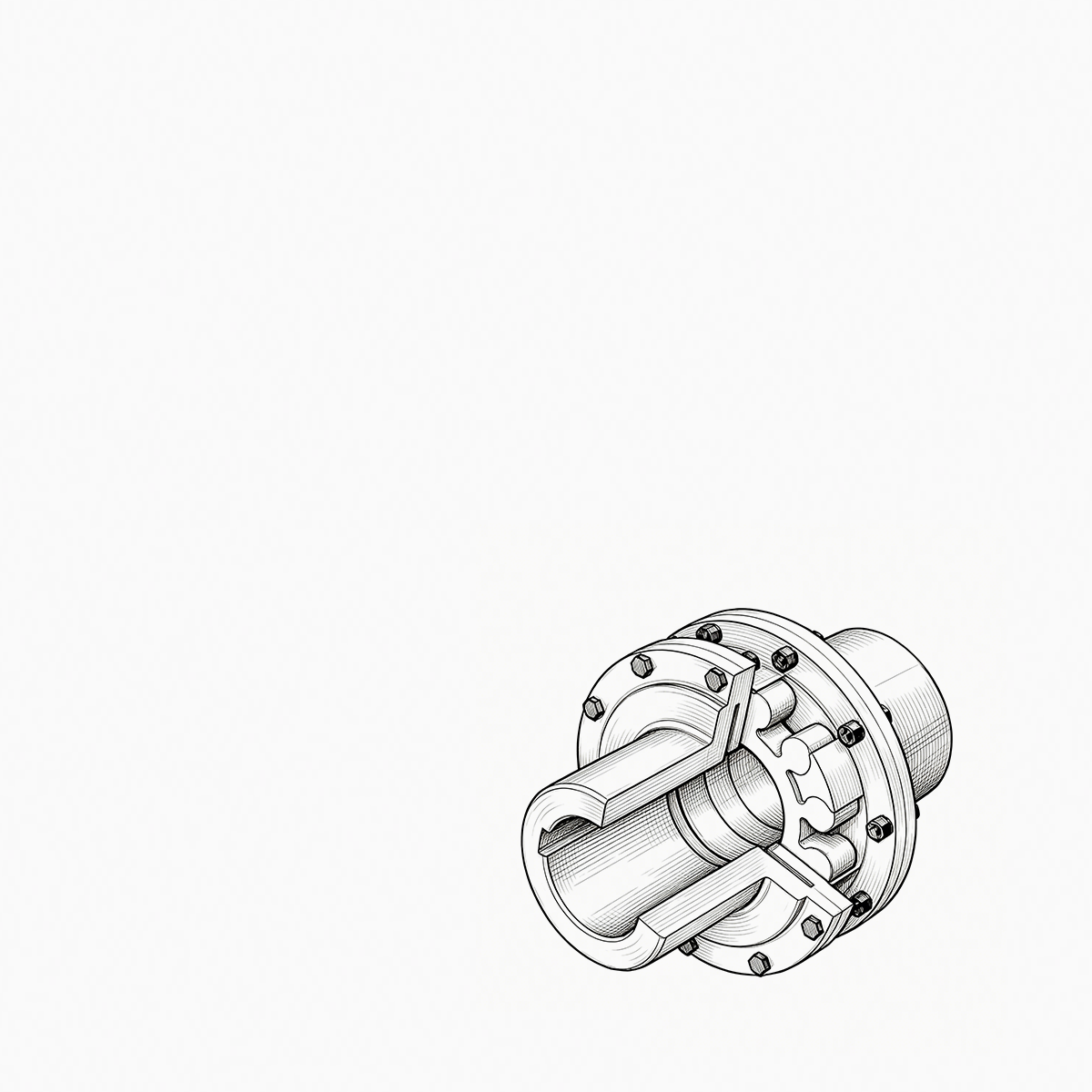
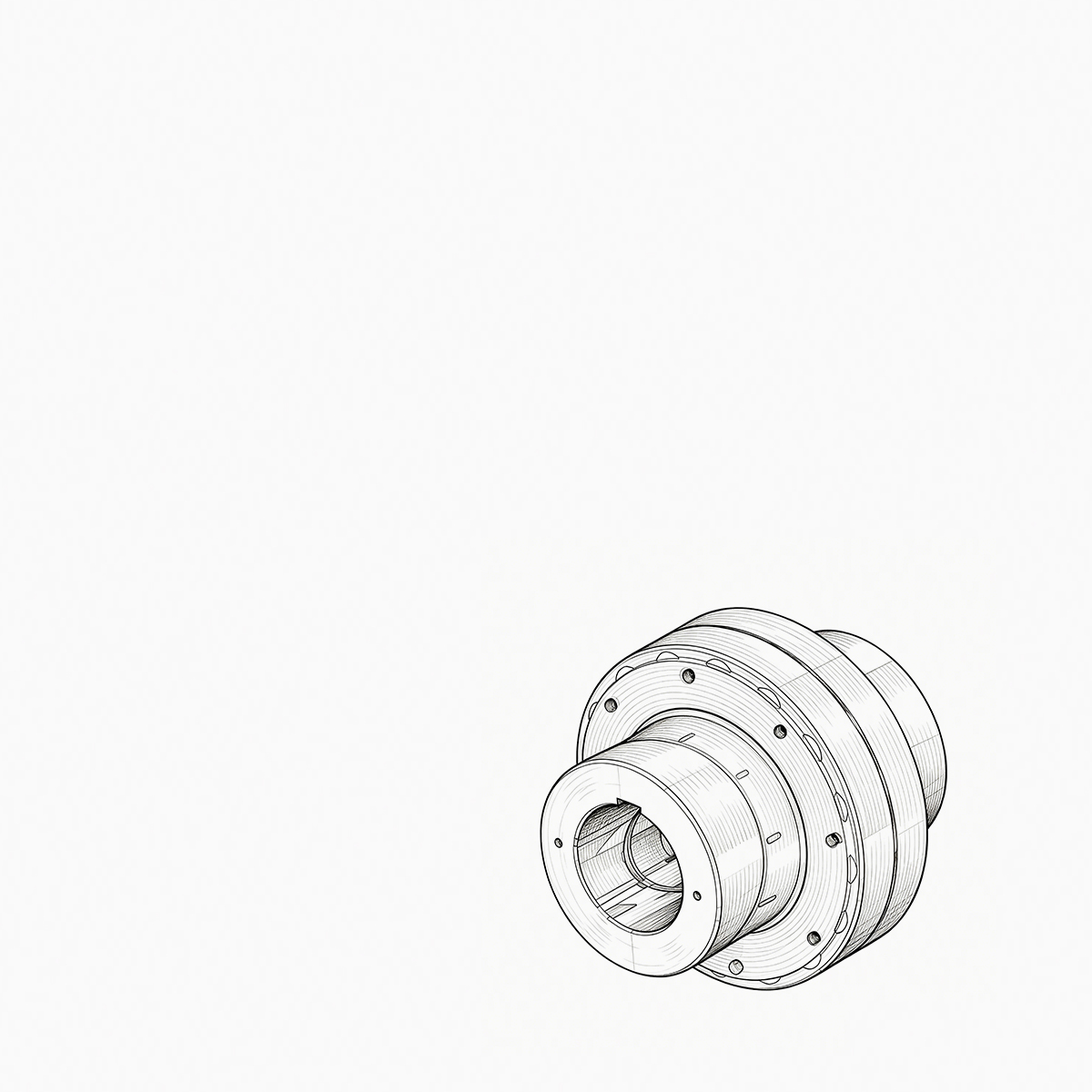
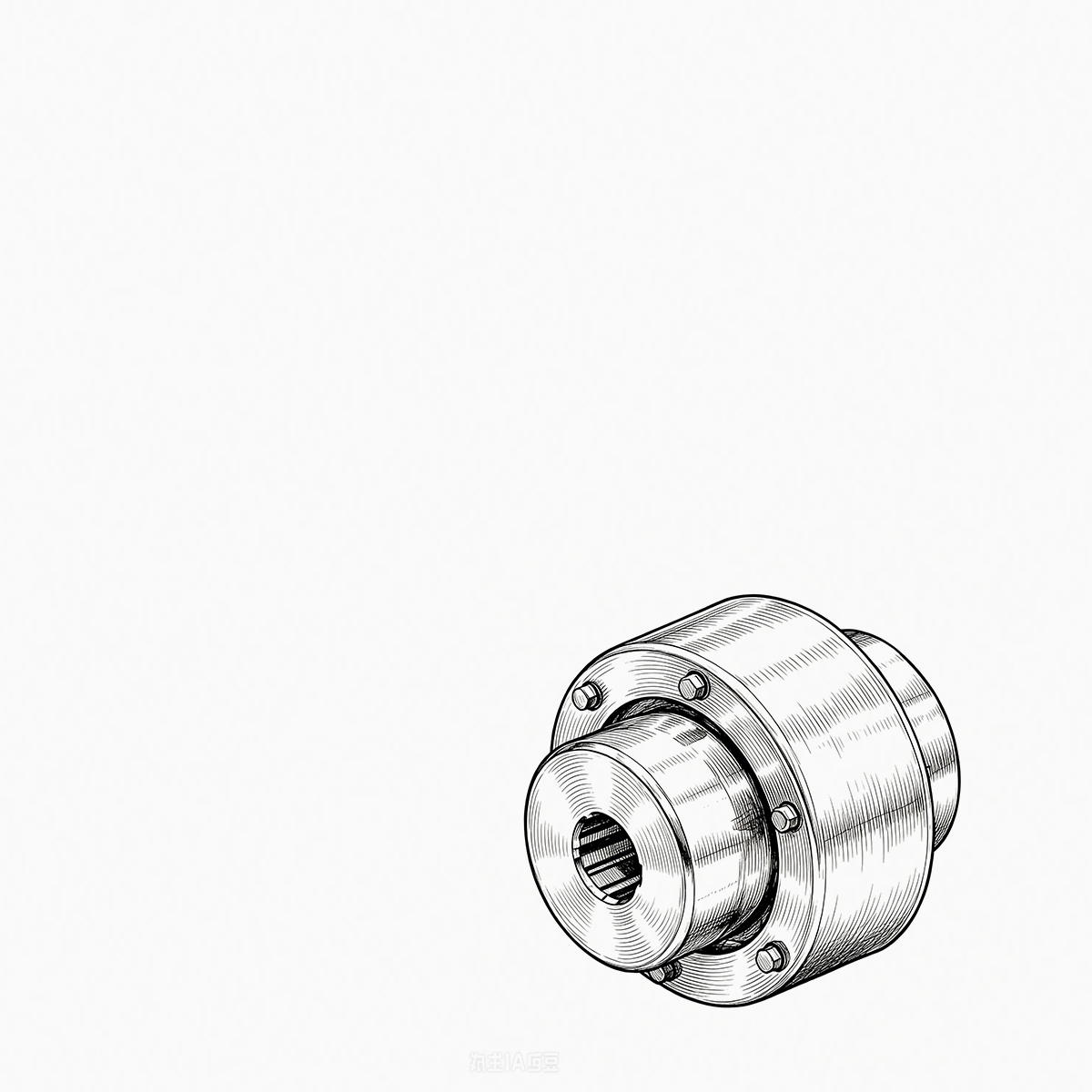
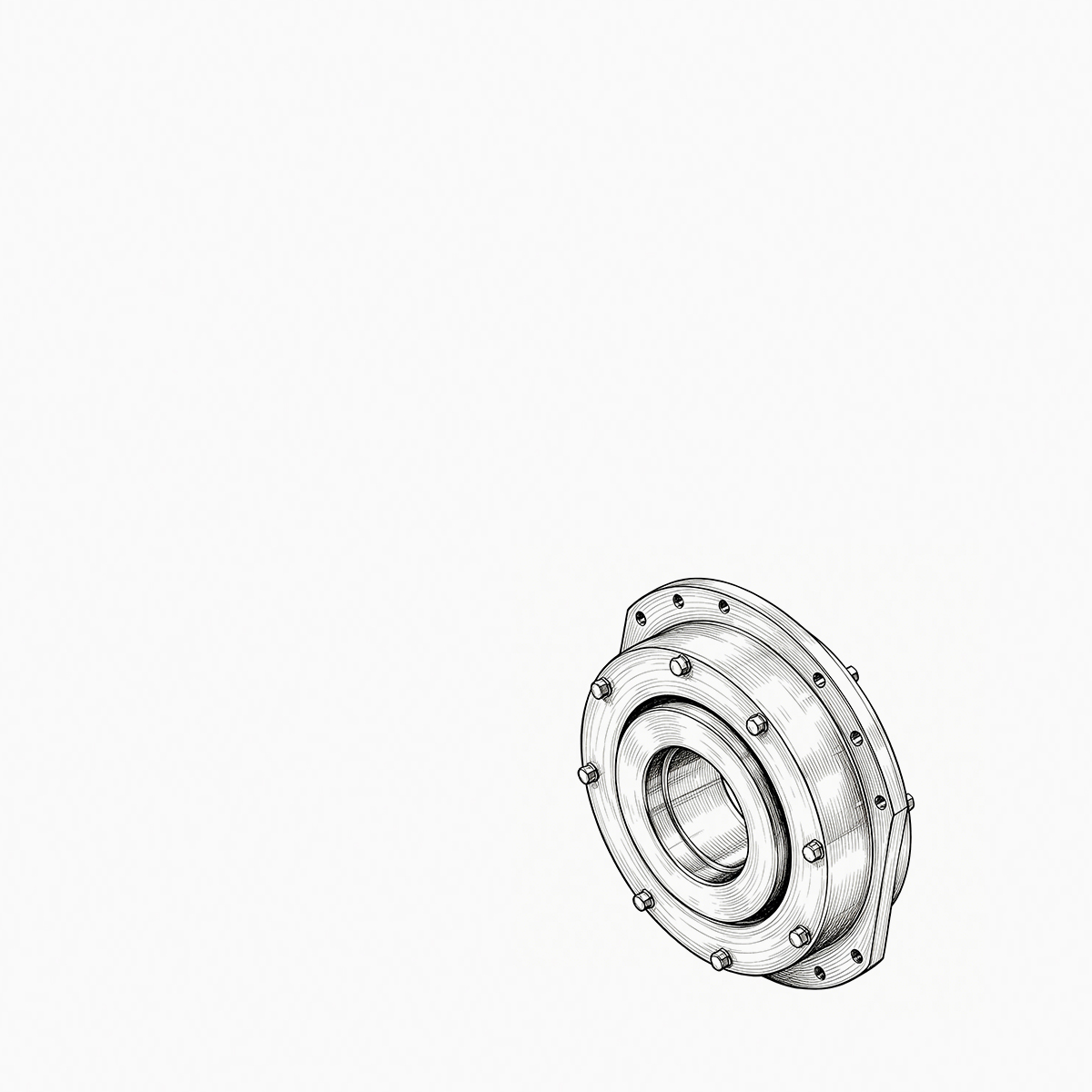
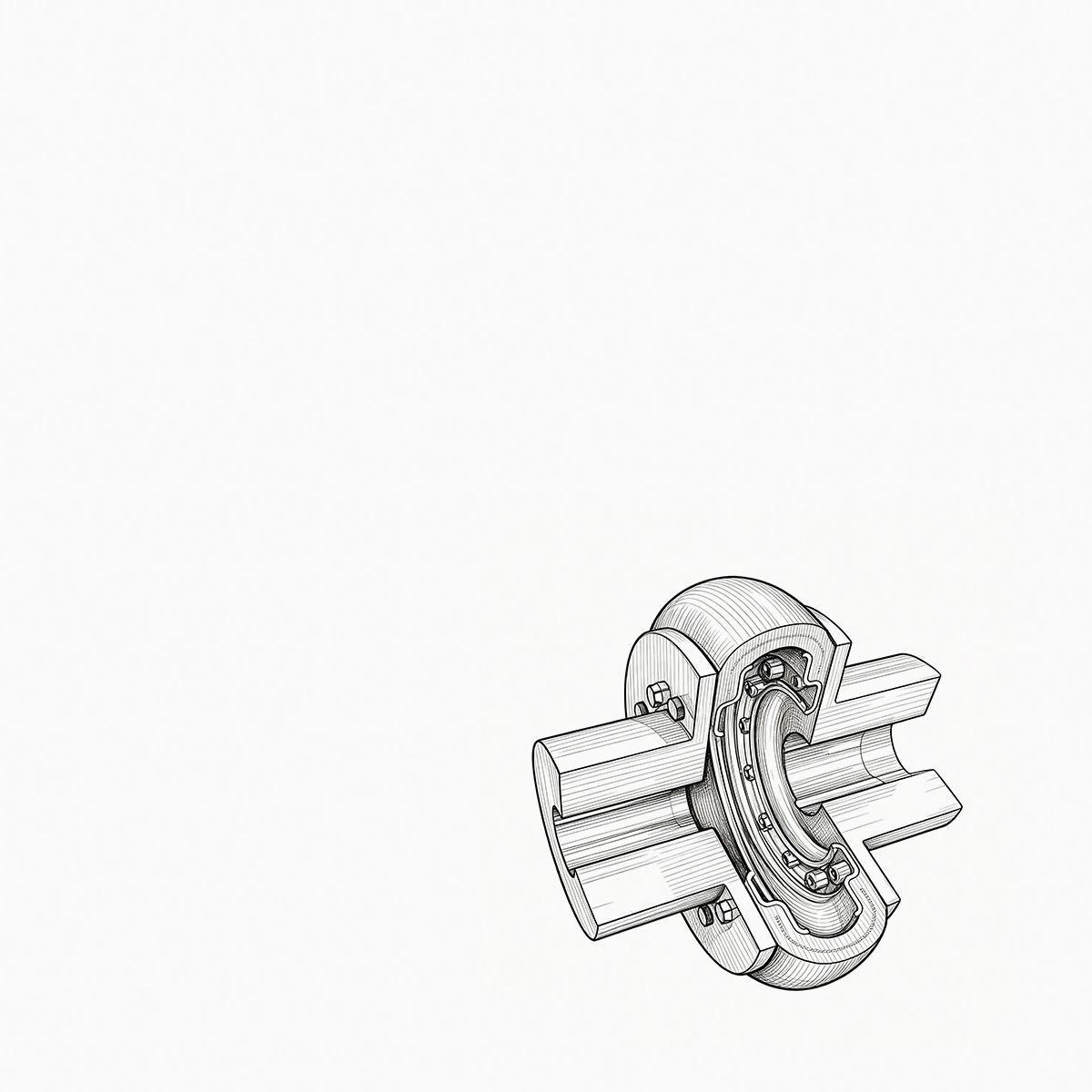
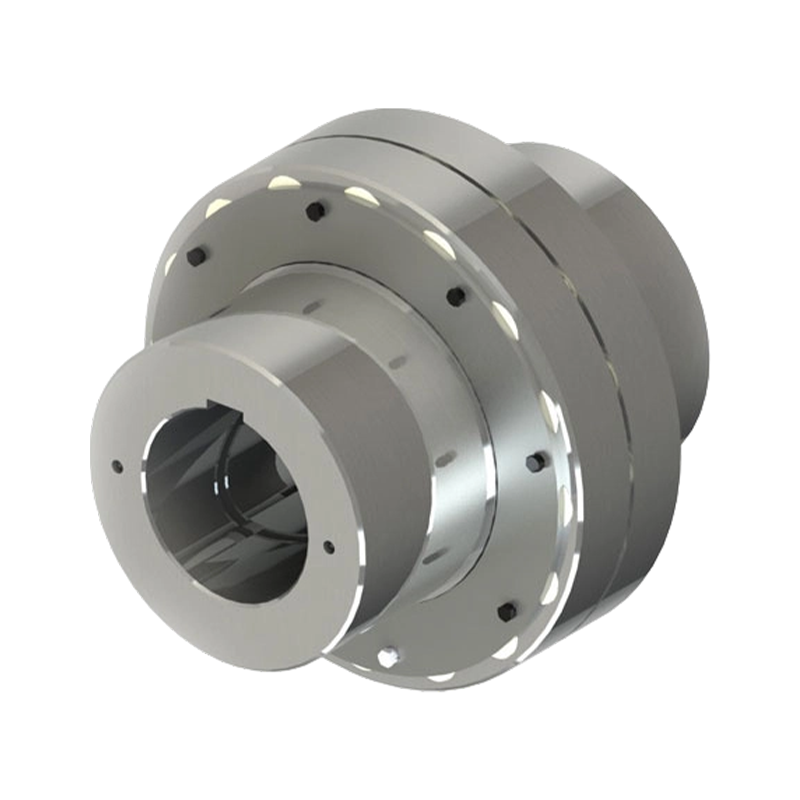
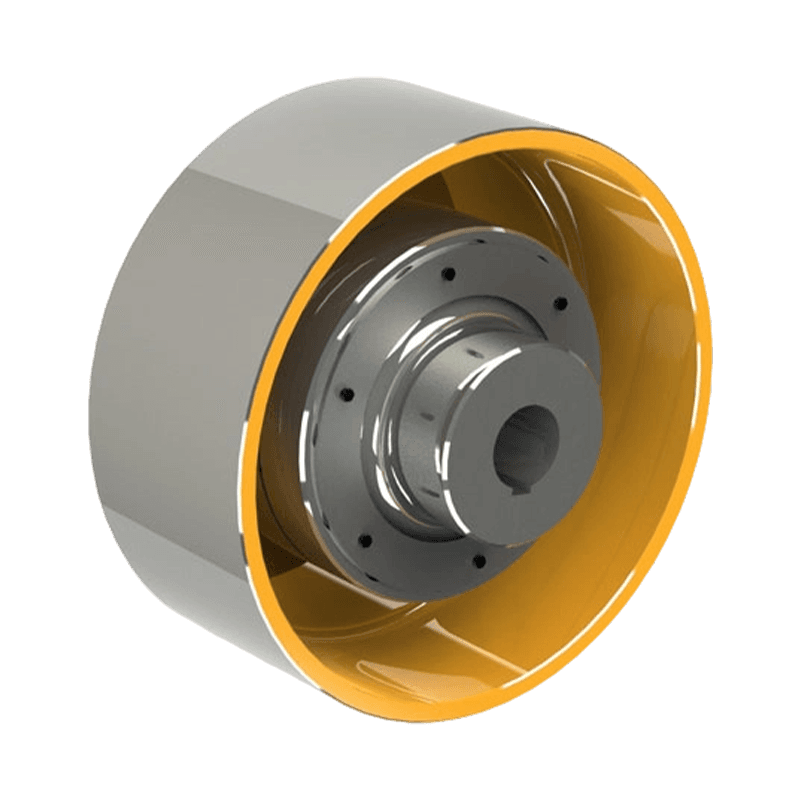
Two quotes land for the same replacement gear coupling: $1,850 from one shop and $2,600 from another. Both promise standard compliance, both quote four weeks, and the drawings look identical. The 40% gap almost never sits in the steel price. It sits in tooth geometry and heat treatment, hub bore an...
READ MORE
 Product Category
Elastomeric Pin Coupling Suppliers
The elastic pin coupling is a common mechanical coupling that uses non-metallic elastic pins as the core buffering and torque transmission elements, mainly used for power connections under low to medium speed and low to medium torque conditions. In industrial transmission systems, it is responsible for connecting the driving shaft and the driven shaft, achieving stable torque transmission while also providing vibration damping and buffering. Due to its straightforward overall structure, mature manufacturing process, and low environmental requirements, the elastic pin coupling has maintained a high application rate in general machinery, light industrial equipment, conveyor systems, auxiliary mining equipment, and various supporting transmission devices over a long period.
The elastic pin coupling is usually composed of two flanged half couplings, several metal pins, and non-metallic elastic elements fitted on the outside of the pins. During operation, torque is transmitted through the pins, while the elastic pins undergo elastic deformation under load, thereby absorbing impact energy caused by start-up, braking, or load variations. This “rigid-flexible combined” transmission method ensures basic load-bearing capacity while effectively reducing the transmission of vibration and noise to the shaft system and the equipment body. Compared with fully rigid connections, the elastic pin coupling has better tolerance for shaft misalignment and can compensate for a certain range of radial and angular offset, helping to reduce additional loads on bearings and shaft ends.
Different models focus on variations in structural dimensions, the number of pins, elastic material selection, and installation forms to meet diverse operating requirements. Some models emphasize compact structure and versatility, suitable for equipment with limited space and relatively stable loads; others strengthen pin strength and elastic element performance to withstand frequent start-stop operations or transmission systems with certain braking impacts. At the same time, this type of coupling usually does not require lubrication. Routine maintenance mainly focuses on inspecting and replacing elastic pins, which is simple to operate and results in short downtime, further enhancing the economic efficiency and reliability of equipment operation.
Company

Zhenjiang Orienthold Machinery Co., Ltd.
Zhenjiang Orienthold Machinery Co., Ltd. is China Elastomeric Pin Coupling Manufacturers and OEM/ODM Elastomeric Pin Coupling Suppliers, We are a medium-sized enterprise specialized in the production of couplings and papermak-ing machinery, integrating design, production and service.
Boasting strong technical strength, advanced equipment and comprehensive testing methods, our products are widely used in industries and equipment such as transportation, metallurgy, chemical engineering, mining, construction and hoisting, and are supplied to various large-scale enterprises all year round.
Equipped with a strict quality supervision system as well as complete inspection and testing instruments and equipment, our products fully comply with national standards. In particular, the production technology and quality of our papermaking machinery have reached international levels. Our products have won wide praise in the market and gained high recognition from customers.
News
-
-
Consider a 250 kW crane hoist that begins to vibrate only when the load is lifted. The drum gear coupling is inspected after a few months and the tooth wear is concentrated on one flank. The common diagnosis is not a single defective component; it is a mismatch between the catalogue torque, the act...
READ MORE -
A maintenance engineer pulls a failed coupling from a pump drive. The elastomer sleeves are cracked, the pin bolts are scored, and the hub bore shows the tell-tale fretting marks of a poor fit. For most medium-duty industrial drives, the replacement is not an exotic engineering exercise: an elastic...
READ MORE
Message Feedback
Elastomeric Pin Coupling Industry knowledge
Load-Bearing Capacity Variations Across Elastic Pin Coupling Specifications
Geometric Scale and Nominal Outer Diameter Influence on Torque Capacity
In industrial power transmission systems, the load-bearing capacity of an elastic pin coupling is fundamentally governed by its physical dimensions. As the nominal outer diameter of the coupling hub increases, the pitch circle diameter of the pin locations expands accordingly. Mechanical torque is transmitted as a force acting at a distance from the rotational center. Consequently, a larger pitch circle diameter provides a longer lever arm, allowing the coupling to transmit higher torque levels without increasing the stress imposed on individual pin assemblies. Zhenjiang Orienthold Machinery Co., Ltd. produces elastic pin couplings across a wide spectrum of dimensional specifications to accommodate various power transmission demands in transportation, metallurgy, and heavy machinery.
Smaller specification couplings with outer diameters under 200 mm are engineered for lower torque loads, typically found in auxiliary pumps, small motor drives, and light material handling equipment. Intermediate specifications ranging from 200 mm to 500 mm outer diameter handle moderate torque requirements in paper machine sections, agitators, and industrial fans. Large-scale specifications exceeding 500 mm outer diameter are designed for heavy-duty industrial machinery, such as mining crushers, rolling mills, and construction winches, where continuous high torque transmission is mandatory.
| Specification Grade | Outer Diameter Range (mm) | Nominal Torque Capacity (Nm) | Typical Industrial Application |
| Small Specifications | 105 to 190 | 125 to 1,250 | Auxiliary pumps, fans, small conveyor drives |
| Medium Specifications | 210 to 450 | 1,600 to 16,000 | Papermaking drives, industrial mixers, cranes |
| Large Specifications | 480 to 800 | 20,000 to 125,000 | Metallurgical rolling mills, mining crushers, heavy hoists |
Pin Quantity, Pin Diameter, and Shear Stress Distribution
The total torque capacity of an elastic pin coupling depends directly on the number of pins, their cross-sectional diameter, and their radial arrangement around the hub. Torque transmission subjects each pin to shear stress across the interface between the two coupling halves. Increasing the number of pins around the pitch circle distributes the total tangential force across a greater number of load-bearing points, thereby reducing the shear stress experienced by each individual pin during operation.
Smaller coupling specifications typically utilize four to six pins of reduced diameter, which is adequate for moderate torque loads and compact spatial layouts. Medium to large specifications incorporate eight to sixteen pins of substantially larger diameter and length. The increased cross-sectional area of larger pins provides higher resistance against shear deformation and bending moments under peak loads. Orienthold applies precise machining and strict heat treatment protocols to pin components to maintain structural consistency and uniform load distribution across all pins in a given coupling assembly.
Elastomeric Sleeve Material Properties and Compression Behavior
While the steel pins carry the shear loads, the elastomeric sleeves fitted over the pins govern the compliance, damping capacity, and local pressure distribution of the coupling. The load-bearing capability of the sleeve is defined by its material composition, wall thickness, and Shore hardness rating. Under torque transmission, the elastic sleeve compresses against the interior wall of the matching flange bore, transforming shear forces into compressive loads within the elastomeric material.
Different sleeve material specifications alter the overall load capacity and dynamic behavior of the coupling. Standard rubber sleeves with lower Shore hardness provide higher torsional flexibility and dampening, but exhibit lower allowable compressive stress limits, making them suitable for light to medium shock loads. High-density polyurethane or synthetic fluororubber sleeves with higher Shore hardness support substantially higher compressive loads per unit area, enabling the coupling to handle heavier torque loads without excessive elastic deformation or premature sleeve degradation in chemical and high-temperature processing environments.
| Elastic Sleeve Specification | Material Composition | Shore Hardness Rating | Load Deformation Characteristics |
| Standard Flexible Sleeve | Nitrile Rubber (NBR) | 70 to 80 Shore A | High deflection, moderate load limit, high damping |
| Heavy Duty Sleeve | Cast Polyurethane (PU) | 90 to 95 Shore A | Low deflection, elevated load limit, firm torque transmission |
| High Temperature Sleeve | Fluororubber (FKM) | 80 to 90 Shore A | Moderate deflection, chemical resistance, elevated thermal limit |
Rotational Speed Limits and Centrifugal Force Considerations
Load-bearing capacity is not limited to static or dynamic torque; it also encompasses the ability of the coupling structure to withstand centrifugal forces generated at operational speeds. Smaller specification elastic pin couplings feature lower mass and smaller pitch diameters, resulting in reduced centrifugal forces at a given rotational velocity. Consequently, smaller couplings can operate at higher rotational speeds without exceeding material stress limits or generating excessive vibration.
As coupling specifications scale up in size and weight, the maximum allowable rotational speed decreases proportionately. The higher rotational mass of large cast iron or steel hubs imposes greater centrifugal stress on the pins and sleeve retaining structures. For high-speed applications requiring large torque capacities, hub materials are shifted from standard cast iron to ductile iron or forged steel to maintain structural safety margins. Orienthold utilizes comprehensive testing methods, including dynamic balancing, to verify rotational performance across all coupling specifications.
Service Factors and Peak Load Capacity Ratings
In heavy industrial machinery, couplings must accommodate instantaneous peak loads caused by equipment startup, rotational reversals, or material jams. The maximum peak torque capacity of an elastic pin coupling is typically specified as two to two-and-a-half times its nominal rated torque. Selecting the appropriate coupling specification requires evaluating the driven equipment characteristics and applying a suitable service factor to the nominal torque calculation.
In continuous duty applications such as papermaking machinery and chemical pumps, shock loads are moderate, allowing selection closer to the nominal torque rating. Conversely, in hoisting, mining, and metallurgical applications, severe shock loads and frequent start-stop cycles require larger coupling specifications with higher service factor margins. By integrating design, production, and technical service, Zhenjiang Orienthold Machinery Co., Ltd. assists enterprise customers in selecting elastic pin coupling specifications that match specific torque, speed, and environmental requirements across diverse industrial sectors.
FAQ
Q: How do Orienthold elastic pin couplings reduce maintenance downtime in continuous papermaking machinery?
A: Elastic pin couplings feature elastomeric sleeves that can be inspected and replaced without unbolting or moving the primary driving and driven equipment. In papermaking production lines, this design allows maintenance personnel to swap worn elastic elements efficiently, significantly shortening routine service windows and minimizing unscheduled downtime.
Q: How do Orienthold elastic pin couplings absorb dynamic shocks in heavy metallurgical and mining drives?
A: In metallurgical and mining environments, heavy starting torques and impact loads subject drive systems to mechanical shock. The elastomeric sleeves fitted over high-strength steel pins compress under torsional impulse forces, dampening kinetic vibrations and protecting connected gearboxes, motors, and shafts from transient peak loads.
Q: What sleeve material options are available for elastic pin couplings operating in chemical engineering facilities?
A: To withstand corrosive vapors, oils, and elevated ambient temperatures in chemical processing environments, Orienthold offers elastic sleeves manufactured from specialized synthetic polymers such as polyurethane or fluororubber. These compounds resist environmental degradation, maintain structural elasticity, and preserve dampening capabilities over extended service intervals.
Q: Can Orienthold supply custom hub configurations and non-standard pin dimensions for specialized hoisting equipment?
A: Yes. Integrating design, production, and technical service, Orienthold provides customized hub bore diameters, specialized keyway geometries, and adjusted pin configurations to match specific torque requirements and spatial constraints in heavy-duty hoisting, crane, and construction machinery.
Q: What quality control and testing protocols ensure Orienthold elastic pin couplings meet the standards of large-scale enterprises?
A: Orienthold applies comprehensive testing methods throughout the manufacturing process. Key quality controls include non-destructive testing (NDT) for forged steel pins, material hardness verification, precise dimensional inspection of flange bores, and dynamic balancing checks to ensure smooth performance under continuous heavy-duty operation.
Q: How do elastic pin couplings accommodate shaft misalignments to extend bearing lifespan in industrial equipment?
A: The elastic compliance of the pin sleeves allows the coupling to absorb minor angular, radial, and axial shaft misalignments resulting from installation tolerances or thermal expansion. By buffering these shaft deviations through elastic deformation, the coupling reduces parasitic reaction forces transmitted to supporting motor and reducer bearings, extending overall bearing lifespan.


ABOUT US
PRODUCTS
INDUSTRIES
CONTACT US
- Phone: +86-18652865511
- Email: sales@ohmach.com
- Address: No.1, Minying Developing Zone, Zhenjiang, Jiangsu, China
Copyright Zhenjiang Orienthold Machinery Co., Ltd. All Rights Reserved.
 Custom Elastomeric Pin Coupling Suppliers