 English
 русский
 Português
 عربى
عربى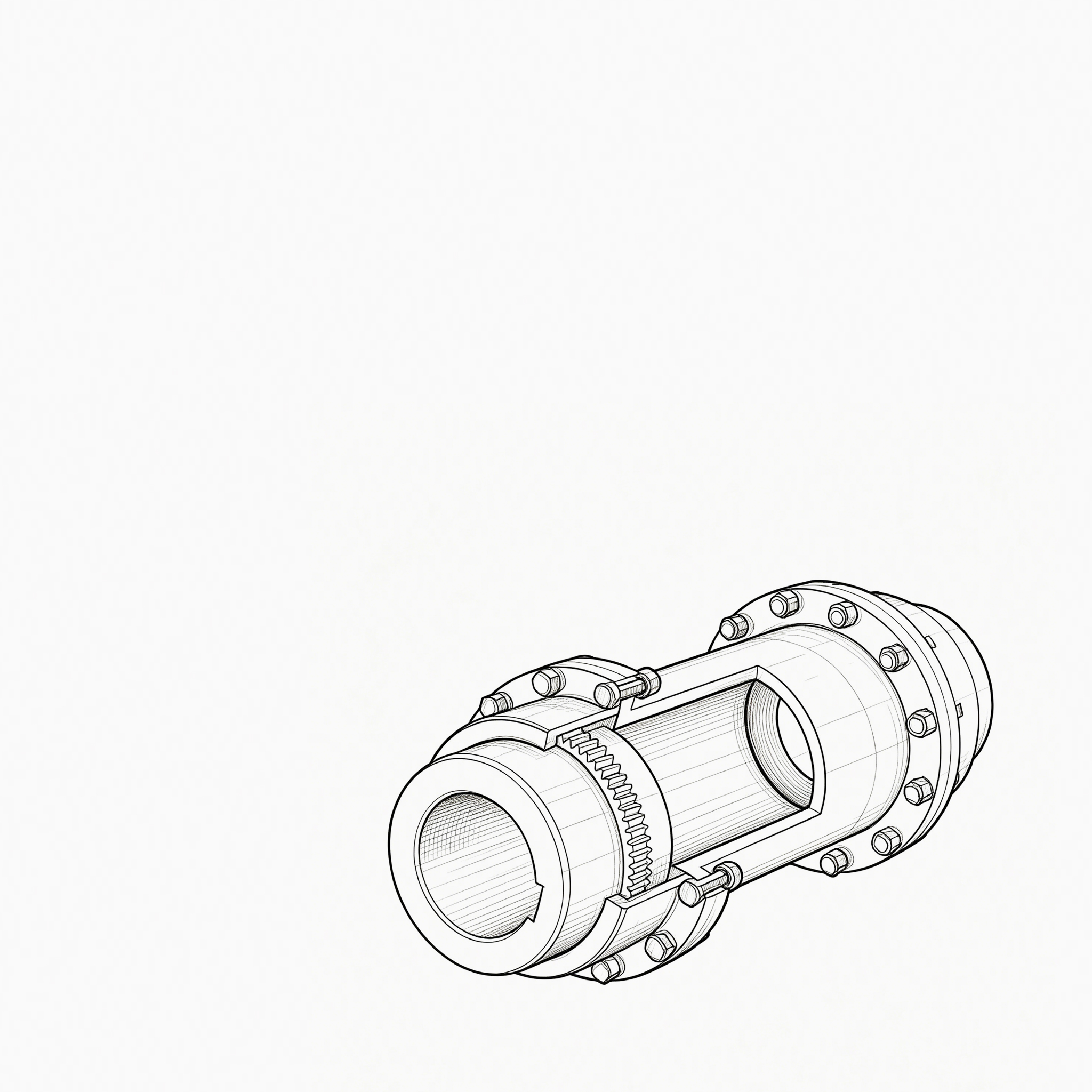
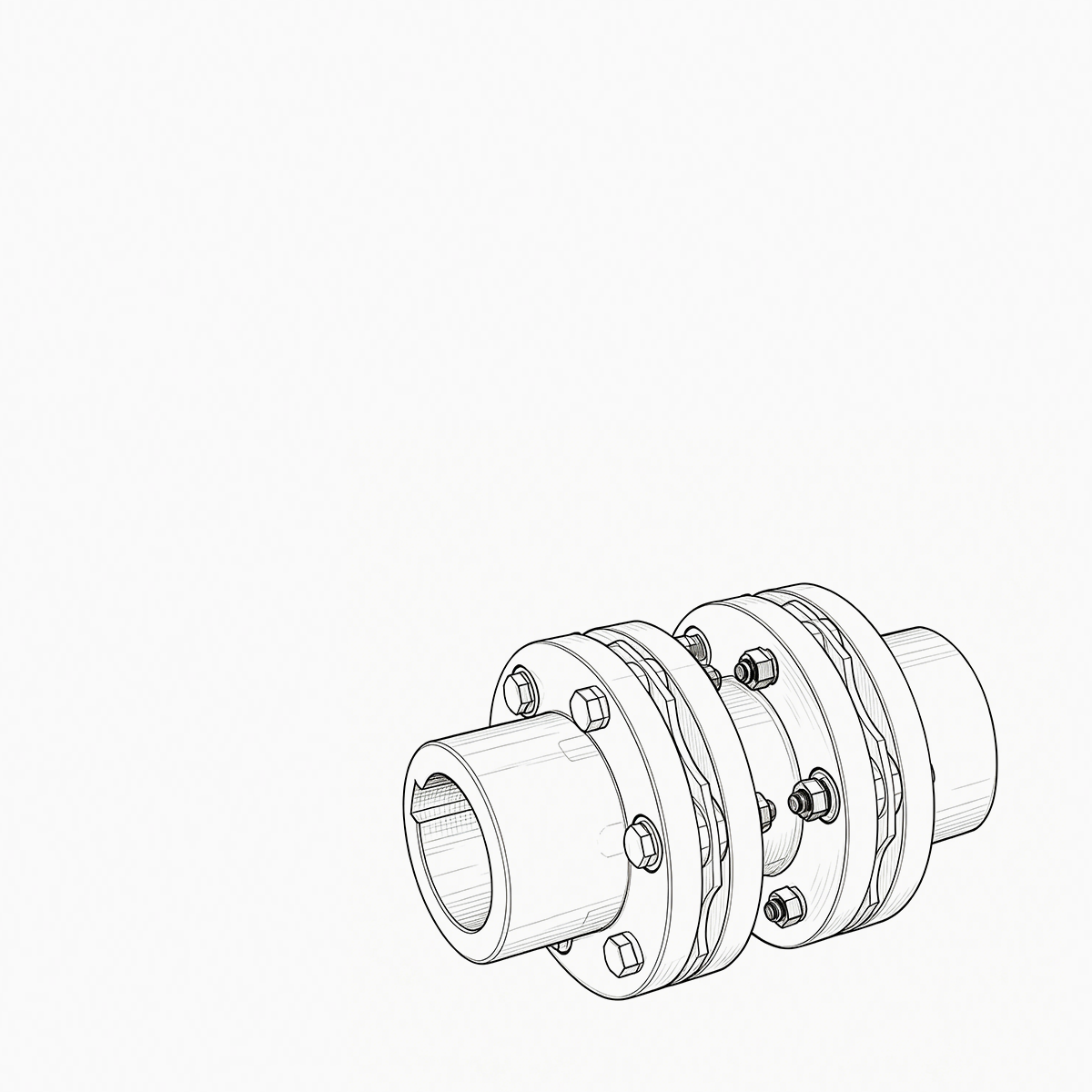
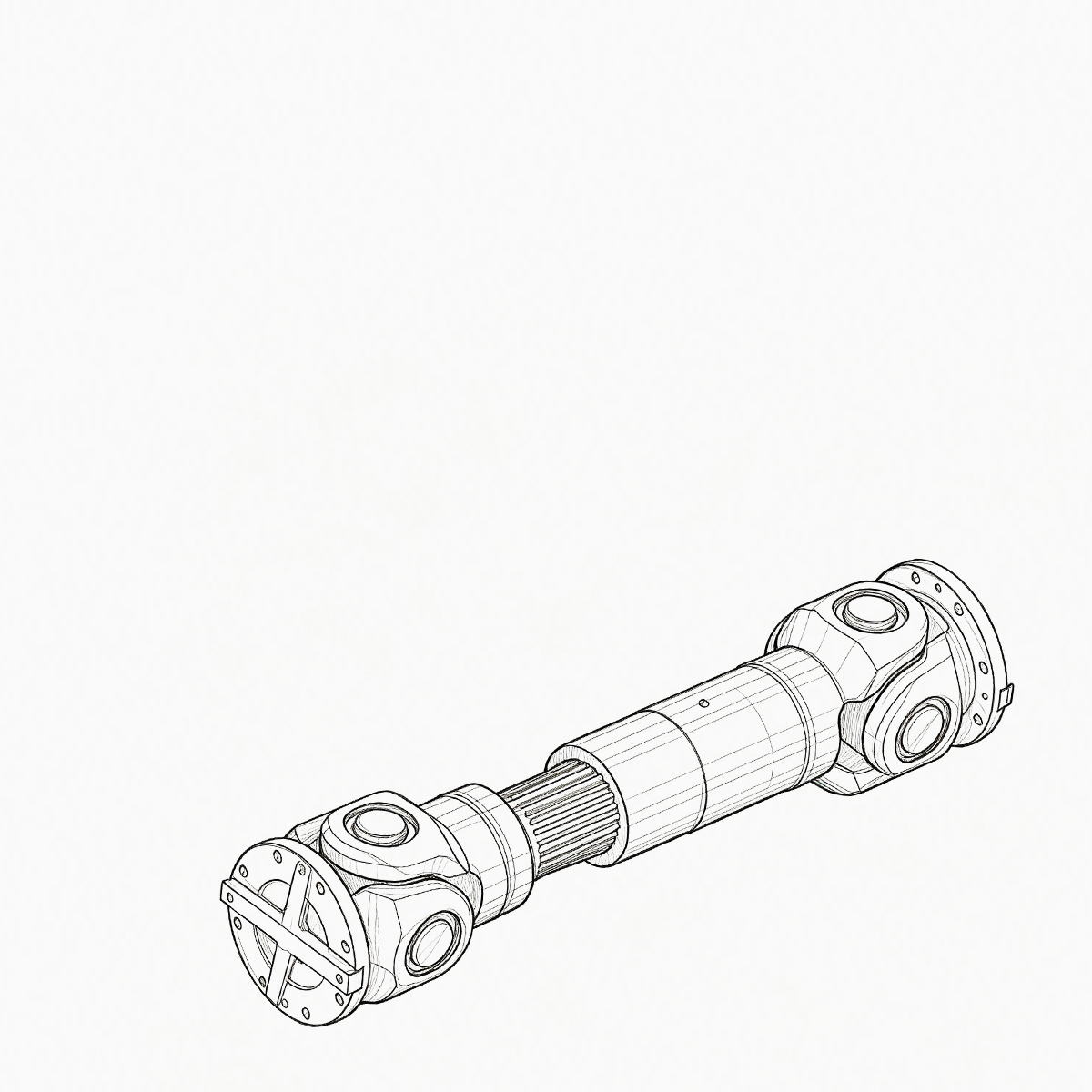
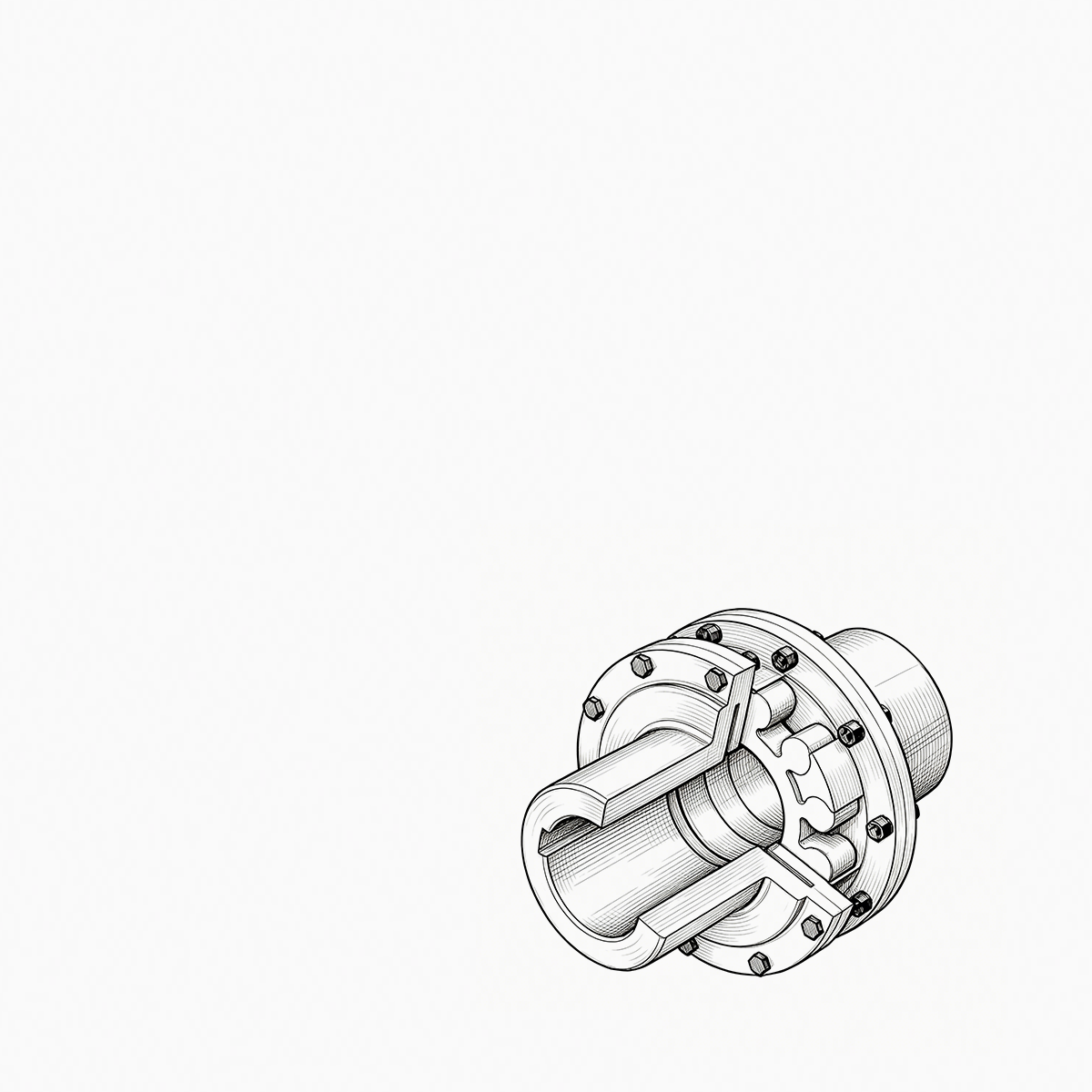
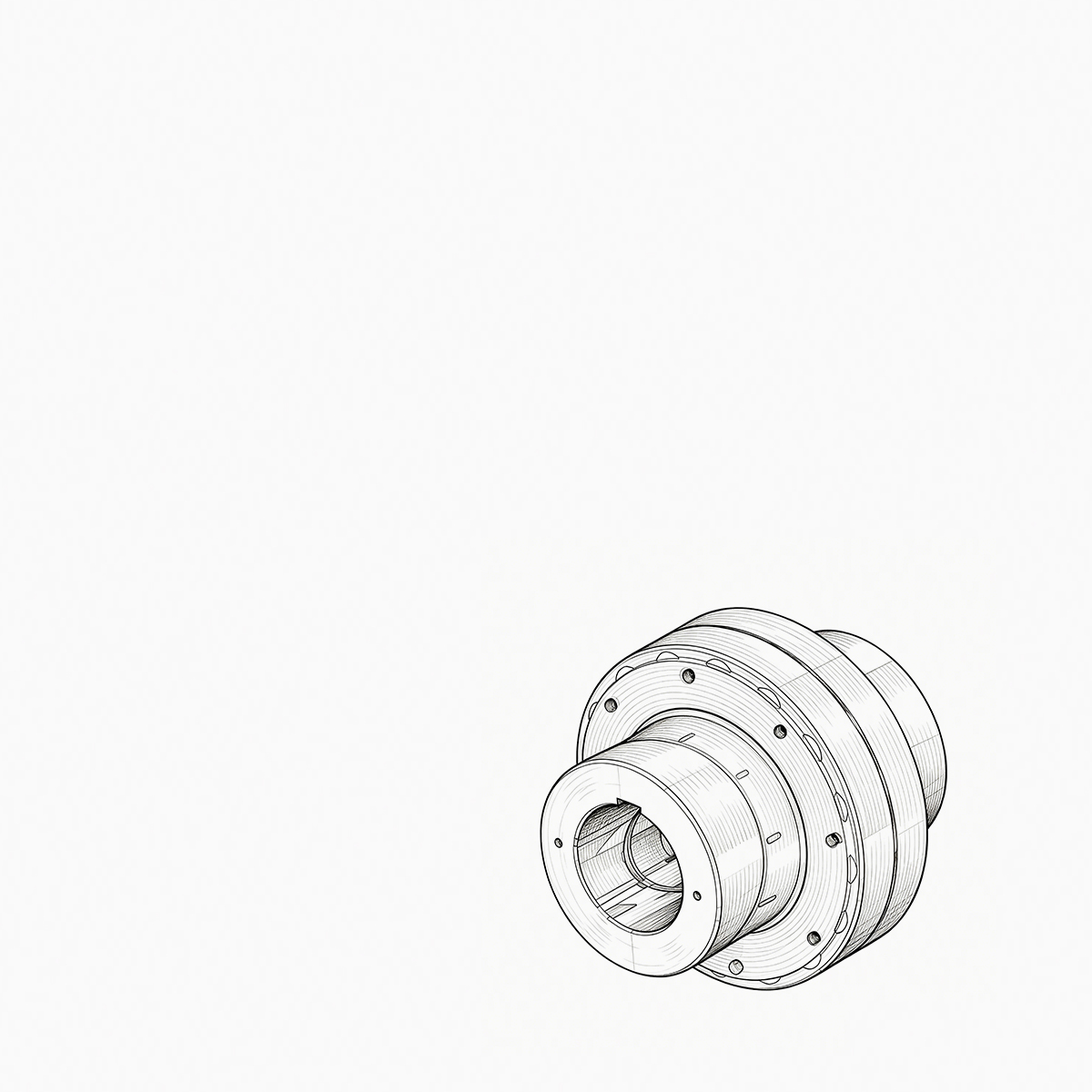
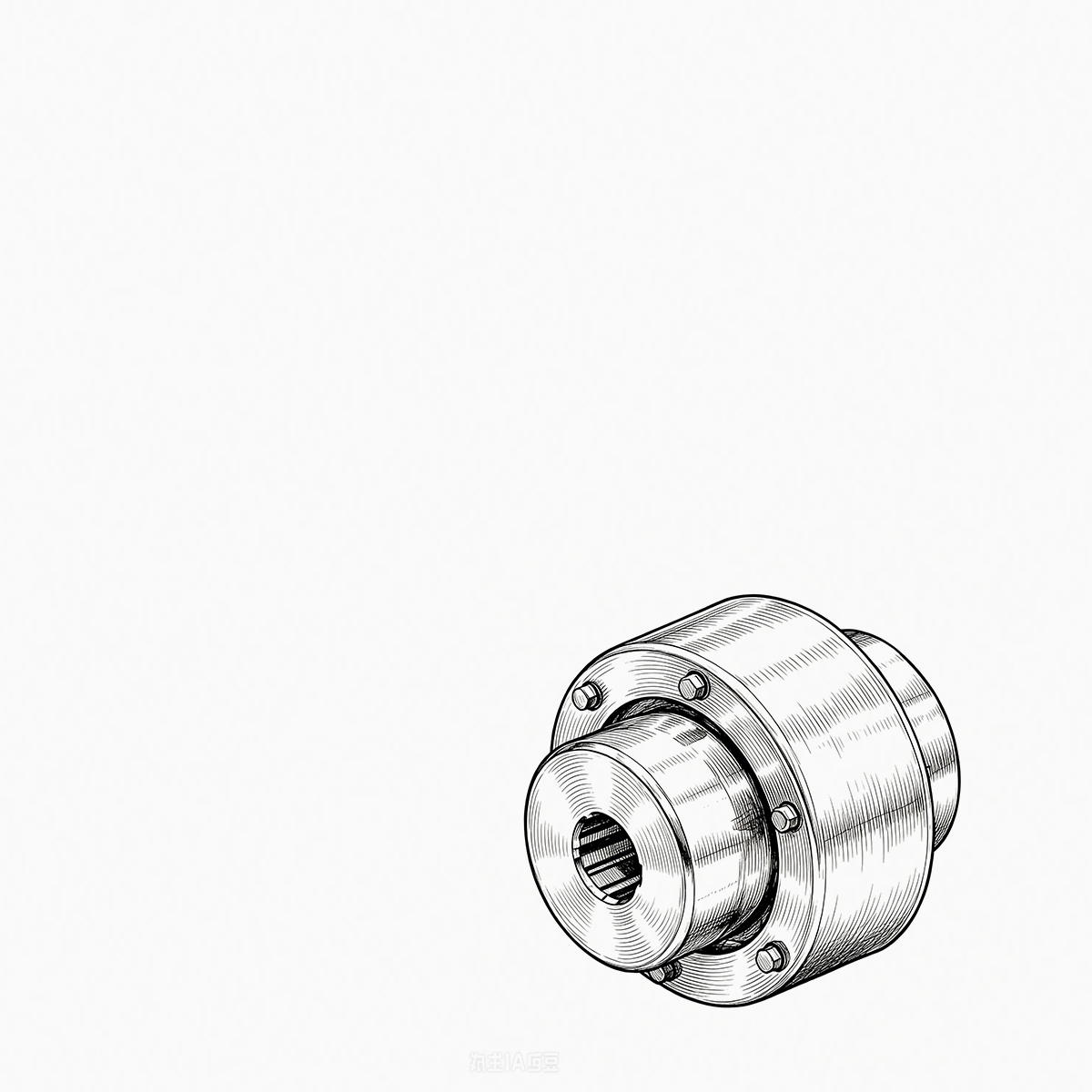
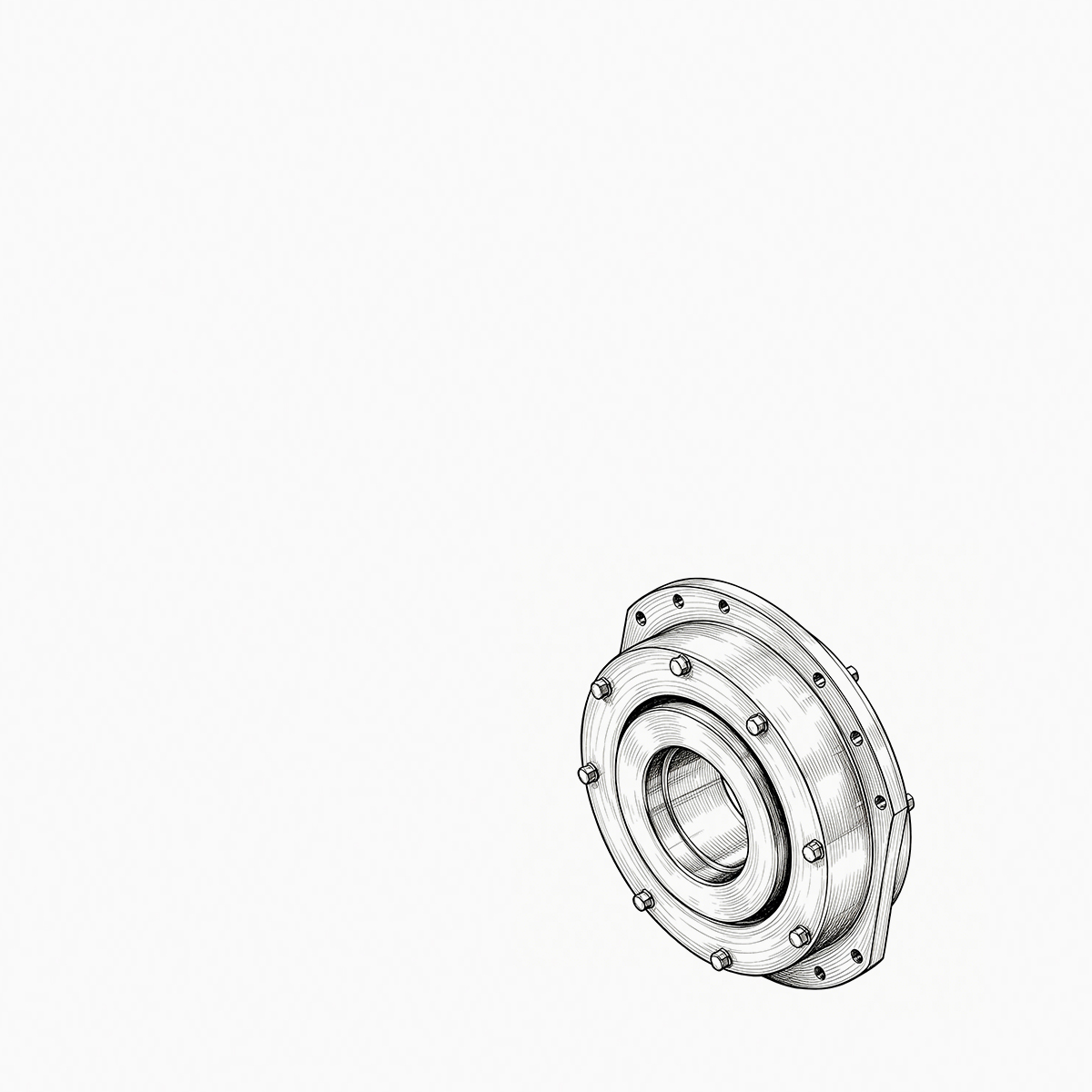
Two quotes land for the same replacement gear coupling: $1,850 from one shop and $2,600 from another. Both promise standard compliance, both quote four weeks, and the drawings look identical. The 40% gap almost never sits in the steel price. It sits in tooth geometry and heat treatment, hub bore an...
READ MORE
 Product Category
Tire Coupling Suppliers
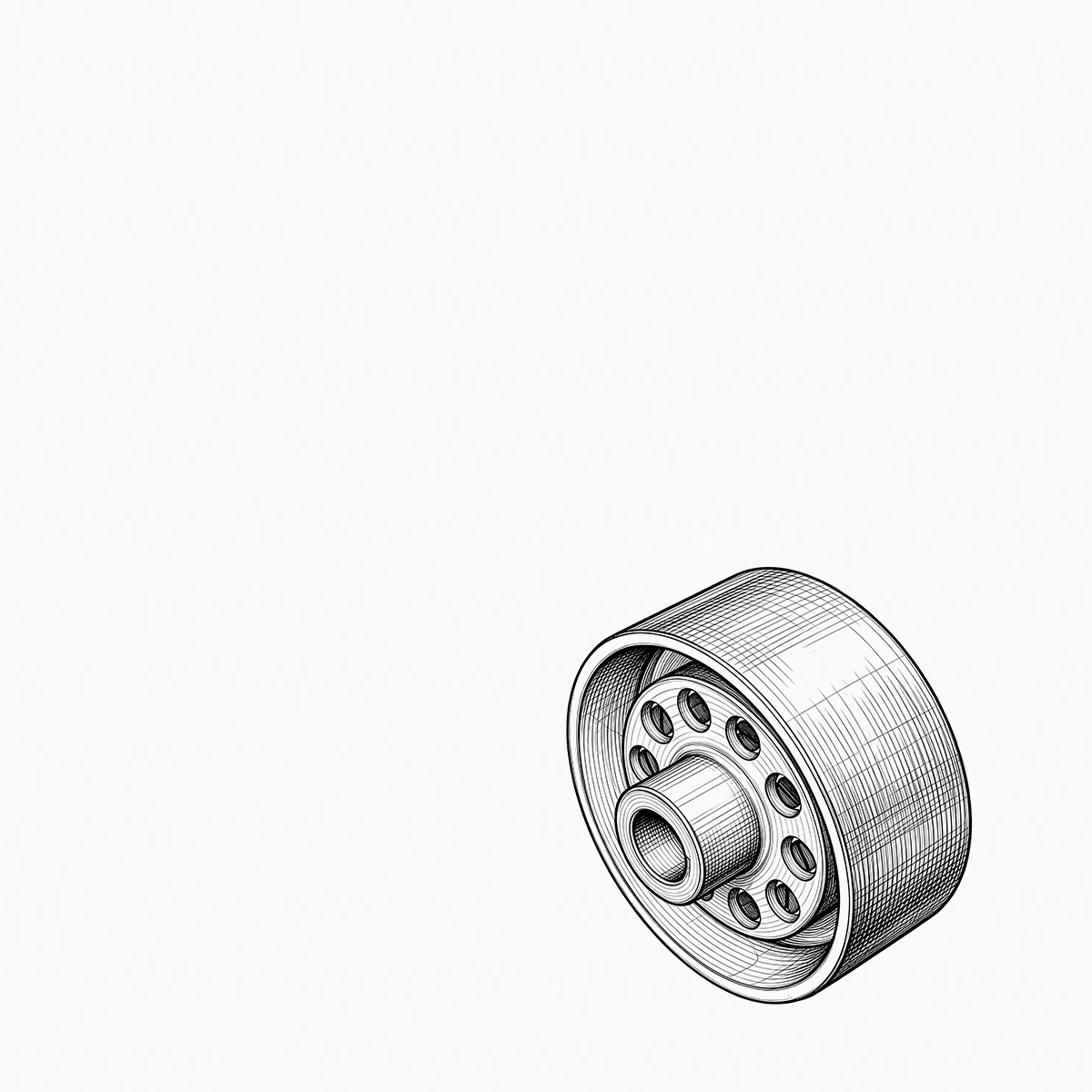
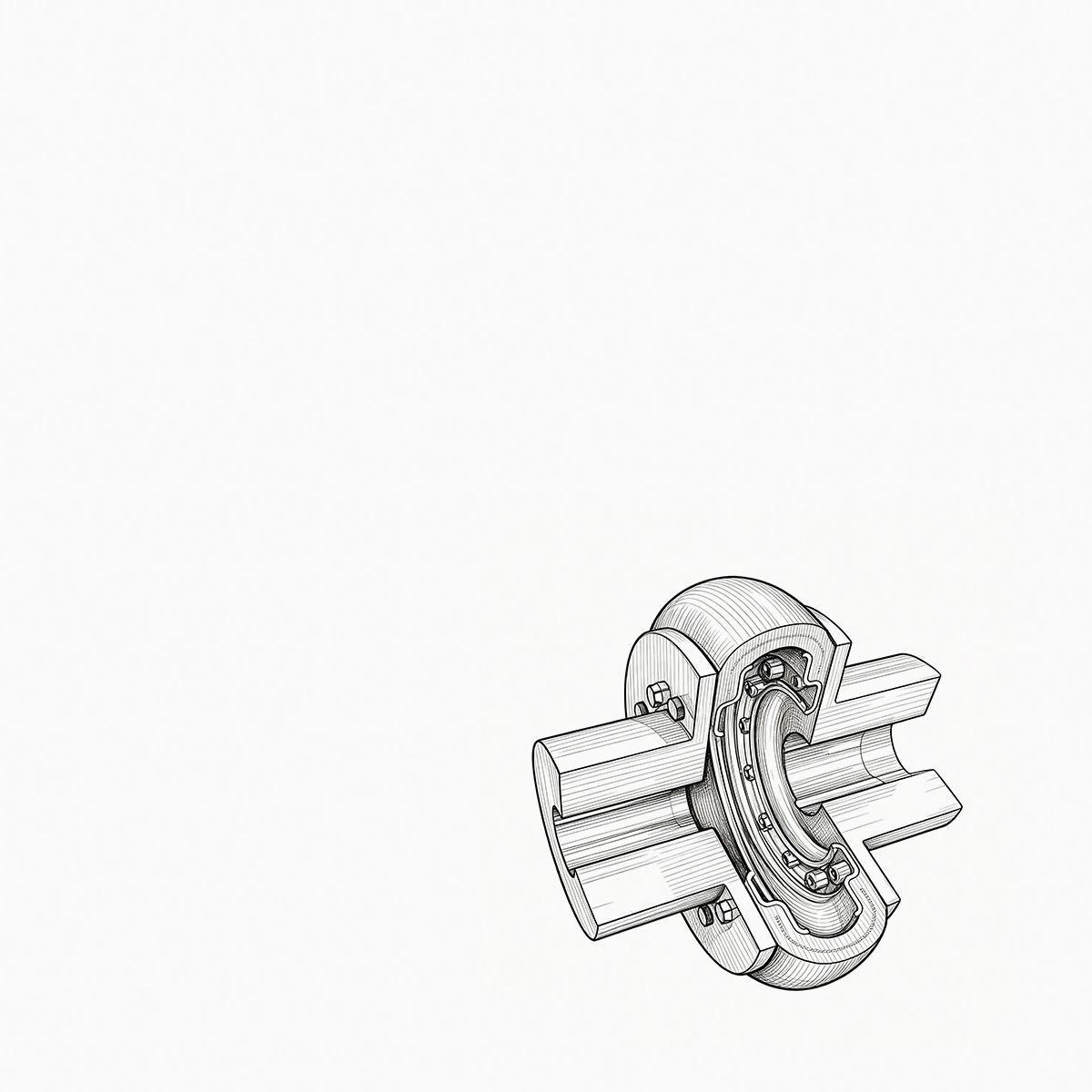
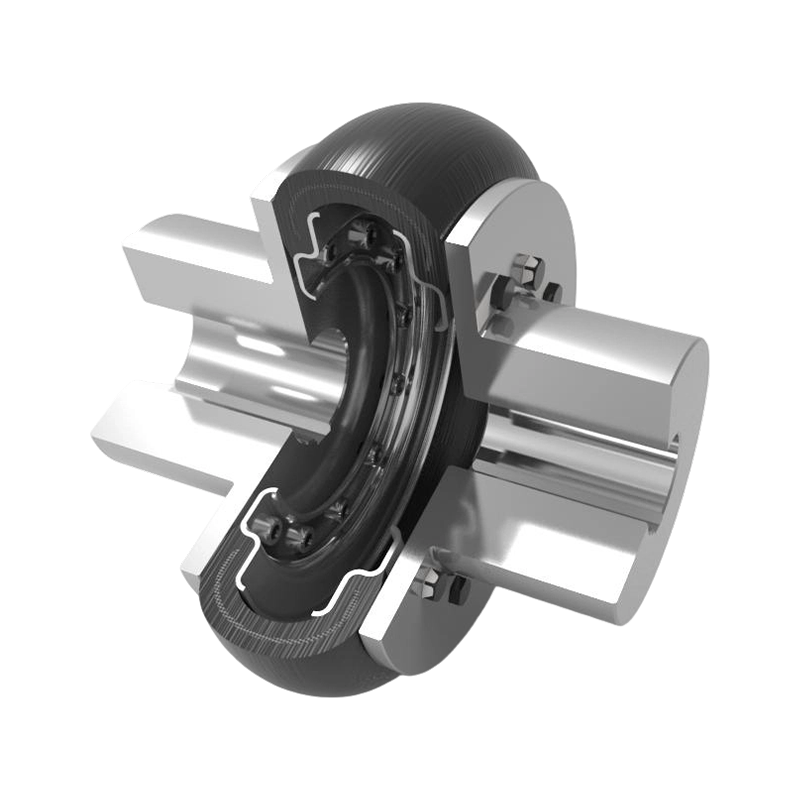
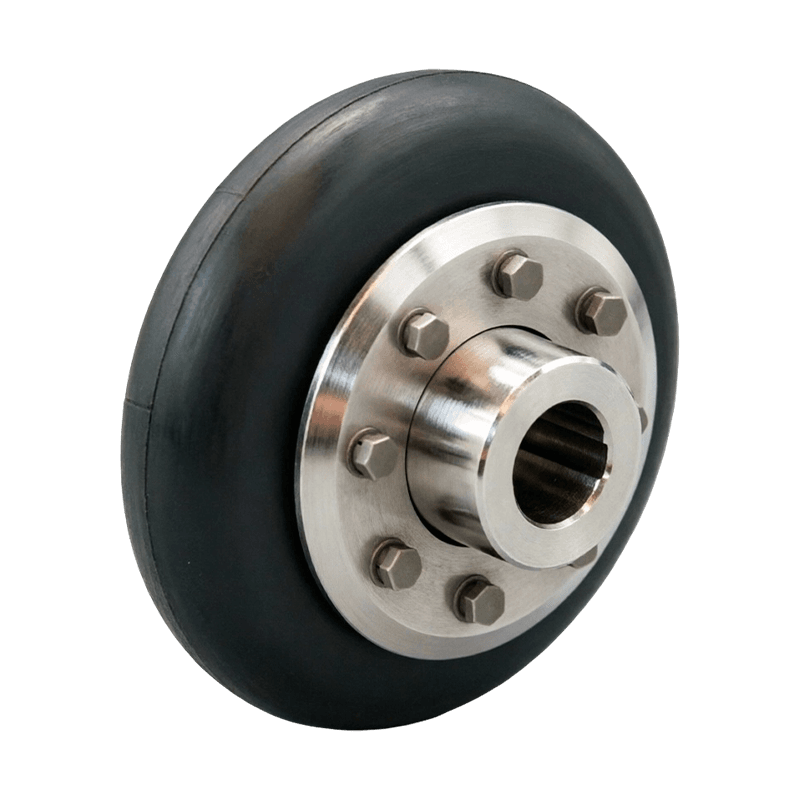
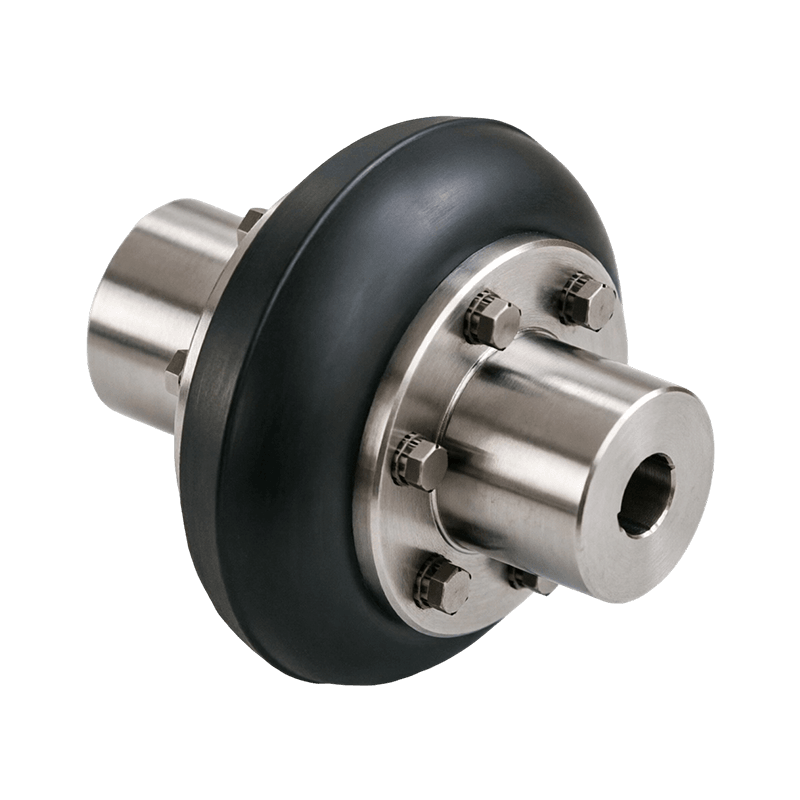
A tire coupling is a type of flexible transmission connector that uses a rubber tire body as its core elastic element. It is mainly used to connect motors with load equipment, achieving torque transmission while compensating for shaft misalignment and absorbing impacts and vibrations during operation. Compared with rigid couplings, the most significant feature of tire couplings lies in their “soft connection” characteristic: the tire body has low torsional stiffness and high elastic deformation capability, enabling it to significantly buffer impact loads during startup, braking, or sudden load changes, thereby reducing vibration transmission and improving the stability and reliability of the entire transmission system. At the same time, the elastic element of the tire coupling also has certain damping properties, which can effectively suppress mechanical resonance and reduce noise, making it suitable for equipment applications with high requirements for operating environment.
A tire coupling consists of two metal half couplings and a rubber tire body in the middle, with torque transmitted through friction between the tire body and the flanges. Its advantages also include no lubrication requirement, simple structure, and convenient assembly and maintenance, making it suitable for transmission systems with limited space and relatively stable working conditions but requiring vibration reduction performance. As different working conditions demand different compensation ranges, torque capacities, and durability, tire couplings have developed multiple series and models. Among them, the LLA, LLB, and UL series are the mainstream products widely used in the market. The LLA series is typically characterized by compact structure and strong versatility, suitable for conventional working conditions in medium- and low-power transmission. The LLB series strengthens and optimizes the tire body structure or connection method to accommodate higher torque or greater displacement compensation requirements. The UL series focuses more on improving overall damping and buffering effects, making it suitable for equipment with higher vibration control requirements.
Company

Zhenjiang Orienthold Machinery Co., Ltd.
Zhenjiang Orienthold Machinery Co., Ltd. is China Tire Coupling Manufacturers and OEM/ODM Tire Coupling Suppliers, We are a medium-sized enterprise specialized in the production of couplings and papermak-ing machinery, integrating design, production and service.
Boasting strong technical strength, advanced equipment and comprehensive testing methods, our products are widely used in industries and equipment such as transportation, metallurgy, chemical engineering, mining, construction and hoisting, and are supplied to various large-scale enterprises all year round.
Equipped with a strict quality supervision system as well as complete inspection and testing instruments and equipment, our products fully comply with national standards. In particular, the production technology and quality of our papermaking machinery have reached international levels. Our products have won wide praise in the market and gained high recognition from customers.
News
-
-
Consider a 250 kW crane hoist that begins to vibrate only when the load is lifted. The drum gear coupling is inspected after a few months and the tooth wear is concentrated on one flank. The common diagnosis is not a single defective component; it is a mismatch between the catalogue torque, the act...
READ MORE -
A maintenance engineer pulls a failed coupling from a pump drive. The elastomer sleeves are cracked, the pin bolts are scored, and the hub bore shows the tell-tale fretting marks of a poor fit. For most medium-duty industrial drives, the replacement is not an exotic engineering exercise: an elastic...
READ MORE
Message Feedback
Tire Coupling Industry knowledge
How Tire Couplings Reduce Equipment Vibration in Industrial Machinery
Mechanical Fundamentals of Vibration Generation in Industrial Drives
In industrial drive systems utilized in papermaking, mining, metallurgy, chemical engineering, and construction, rotating shafts generate mechanical vibration during standard operations. Vibration originates from various physical sources, including motor torque fluctuations, dynamic imbalance in rotating components, shaft misalignments, and sudden load alterations. Zhenjiang Orienthold Machinery Co., Ltd. produces and services industrial couplings engineered to manage these mechanical stresses across demanding processing lines. Unmitigated vibration propagates along connected shaft lines, increasing stress levels on bearings, mechanical seals, gear teeth, and structural frames. Over extended periods, unbuffered mechanical vibration accelerates component fatigue, increases noise levels, and reduces operational accuracy in sensitive equipment such as paper machine rolls, pumps, and heavy hoisting winches.
The Role of the Elastomeric Element in Energy Dissipation
Tire couplings damp vibration primarily through the viscoelastic behavior of their flexible elastomeric element. Unlike metallic couplings that transfer mechanical impulses directly through steel-to-steel contact, a tire coupling connects driving and driven hubs using a flexible natural rubber, synthetic elastomer, or polyurethane tire body. When dynamic torque fluctuations or high-frequency vibrations pass from the power source, the elastomeric element deforms elastically. This physical deformation converts a portion of the mechanical vibration energy into low-level thermal energy through internal material friction, a property known as hysteresis damping. By absorbing kinetic energy within the rubber matrix, the tire element reduces the amplitude of vibrational waves before they transmit to adjacent machinery components, altering the system's natural frequency to prevent resonance during operation.
| Coupling Design Type | Vibration Mitigation Mechanism | Torsional Flexibility Level | Damping Capability |
| Rigid Coupling | Direct mechanical transfer (No damping) | None | Low |
| Metallic Gear Coupling | Mechanical clearance and fluid film damping | Low | Moderate |
| Grid Coupling | Flexible metallic grid flexing in hub slots | Moderate | Moderate to High |
| Elastomeric Tire Coupling | Viscoelastic hysteresis material absorption | High | High |
Mitigation of Angular, Parallel, and Axial Shaft Misalignments
Shaft misalignment is a primary contributor to operational vibration in industrial pumps, fans, and heavy drive assemblies. Tire couplings accommodate multi-directional misalignment because the elastomeric tire body flexes readily in three dimensional planes. Parallel shaft offset creates cyclic radial displacements during rotation, which normally exert heavy radial loads on shaft bearings. The flexible tire element absorbs these radial offsets through elastic shearing and compression, reducing reaction forces transferred to supporting bearings. Angular misalignment causes the tire element to flex continuously, expanding on one side while compressing on the opposite side throughout each shaft revolution. Axial displacement caused by thermal expansion or end-float in electric motors is accommodated by lateral flexing of the tire walls, stabilizing shaft positions and keeping vibration amplitudes low.
Torsional Shock Absorption and Load Spike Buffering
Equipment operating under severe impulse conditions, such as jaw crushers in mining, pulpers in paper mills, or heavy winches in hoisting operations, encounters frequent torsional shock loads. Direct mechanical shocks produce sudden torque spikes that generate high-amplitude torsional vibrations across the drive train. The flexible element of a tire coupling acts as a mechanical shock absorber by providing high torsional compliance. When a torque peak occurs, the tire twists angularly relative to the metal hubs, temporarily storing kinetic energy within the elastic material and releasing it smoothly as the torque subsides. This energy storage capability flattens sharp torque peak profiles, protecting gear teeth, keyways, and motor shafts from instantaneous impulse stresses and preventing shock-induced vibrations from propagating through the mechanical system.
| Operating Parameter | Solid Metallic Connection | Tire Coupling Integration |
| Torsional Stiffness | High structural stiffness | Low to moderate elastic stiffness |
| Shock Load Transmission | Direct transmission of peak torque Spikes | Buffered torque transmission via elastic twist |
| Bearing Radial Stress | High reaction forces during misalignment | Reduced reaction forces due to tire flexibility |
| Electrical Isolation | Conductive path across shafts | Insulated path provided by rubber tire element |
Operational Benefits in Papermaking and Heavy Processing Lines
In continuous manufacturing systems, such as paper machines produced and serviced by enterprises like Zhenjiang Orienthold Machinery Co., Ltd., rotational stability directly affects product uniformity and machinery longevity. In paper mills, dampening motor harmonics and roll vibration prevents variations in paper web tension, reducing paper tears and machine downtime. Tire couplings operate without metal-to-metal contact inside the elastomeric element, eliminating the need for continuous grease lubrication. The absence of liquid lubricants prevents grease splatter, which helps keep paper pulp and processing environments clean. Additionally, the non-conductive rubber tire provides electrical isolation between connected shafts, preventing stray shaft currents from passing through motor bearings and causing micro-pitting or premature bearing failure.
Material Formulation and Design Considerations of the Flexible Element
The vibration damping performance of a tire coupling relies on the material composition and physical design of its flexible element. Tire elements are typically constructed from natural rubber compounds, neoprene, synthetic elastomers, or polyurethane, reinforced internally with synthetic cord plies. Natural rubber formulations provide high elasticity and internal hysteresis, making them suitable for general industrial applications requiring substantial torsional damping. Synthetic elastomers offer increased resistance to ambient heat, oils, and chemical vapors present in chemical engineering and metallurgical processing facilities. The embedded fabric plies provide high tensile strength to withstand centrifugal forces and heavy torque loads without restricting the elastic flexibility needed to dampen dynamic vibrations effectively.
FAQ
Q: How do tire couplings help protect bearings in papermaking and mining machinery?
A: Tire couplings utilize a flexible elastomeric element that absorbs shock loads, torsional vibrations, and shaft misalignments. By damping these dynamic mechanical stresses before they reach the drive shafts, the coupling significantly reduces reaction forces on supporting bearings, extending their service life in heavy-duty equipment like pulpers and crushers.
Q: In what ways do tire couplings accommodate multi-directional shaft misalignments?
A: The flexible rubber or synthetic tire body can shear, compress, and flex in three dimensions. This allows the coupling to handle simultaneous angular misalignment, parallel offset, and axial movement caused by structural deflection or thermal expansion without imposing heavy loads on the connected machinery.
Q: Can Zhenjiang Orienthold's tire couplings operate in environments exposed to chemicals and oils?
A: Yes. While standard natural rubber tire elements excel in general mechanical applications, specialized synthetic rubber or polyurethane elements are available to resist degradation from chemical vapors, petroleum products, and higher ambient temperatures found in chemical engineering and metallurgical facilities.
Q: How do tire couplings simplify routine maintenance compared to metallic gear couplings?
A: Tire couplings require no lubrication, eliminating grease maintenance and preventing lubricant contamination in sensitive production areas like paper mills. Additionally, the flexible tire element can typically be inspected visually and replaced by loosening the clamping hubs without having to move or realign the motor or driven equipment.
Q: How do tire couplings prevent electrical currents from damaging connected equipment?
A: The non-metallic elastomeric tire element acts as a natural electrical insulator between the driving and driven shafts. This prevents stray electrical currents—often generated in heavy electric motors—from passing through the coupling and causing electrical discharge pitting in downstream bearings.
Q: What features enable tire couplings to buffer severe shock loads in heavy industrial drives?
A: The flexible tire element possesses high torsional compliance and viscoelastic damping properties. When sudden torque spikes occur in equipment such as winches or paper machine rolls, the tire twists elastically to absorb the peak energy, flattening the torque shock profile and protecting internal gear trains.


ABOUT US
PRODUCTS
INDUSTRIES
CONTACT US
- Phone: +86-18652865511
- Email: sales@ohmach.com
- Address: No.1, Minying Developing Zone, Zhenjiang, Jiangsu, China
Copyright Zhenjiang Orienthold Machinery Co., Ltd. All Rights Reserved.
 Custom Tire Coupling Suppliers