 English
 русский
 Português
 عربى
عربى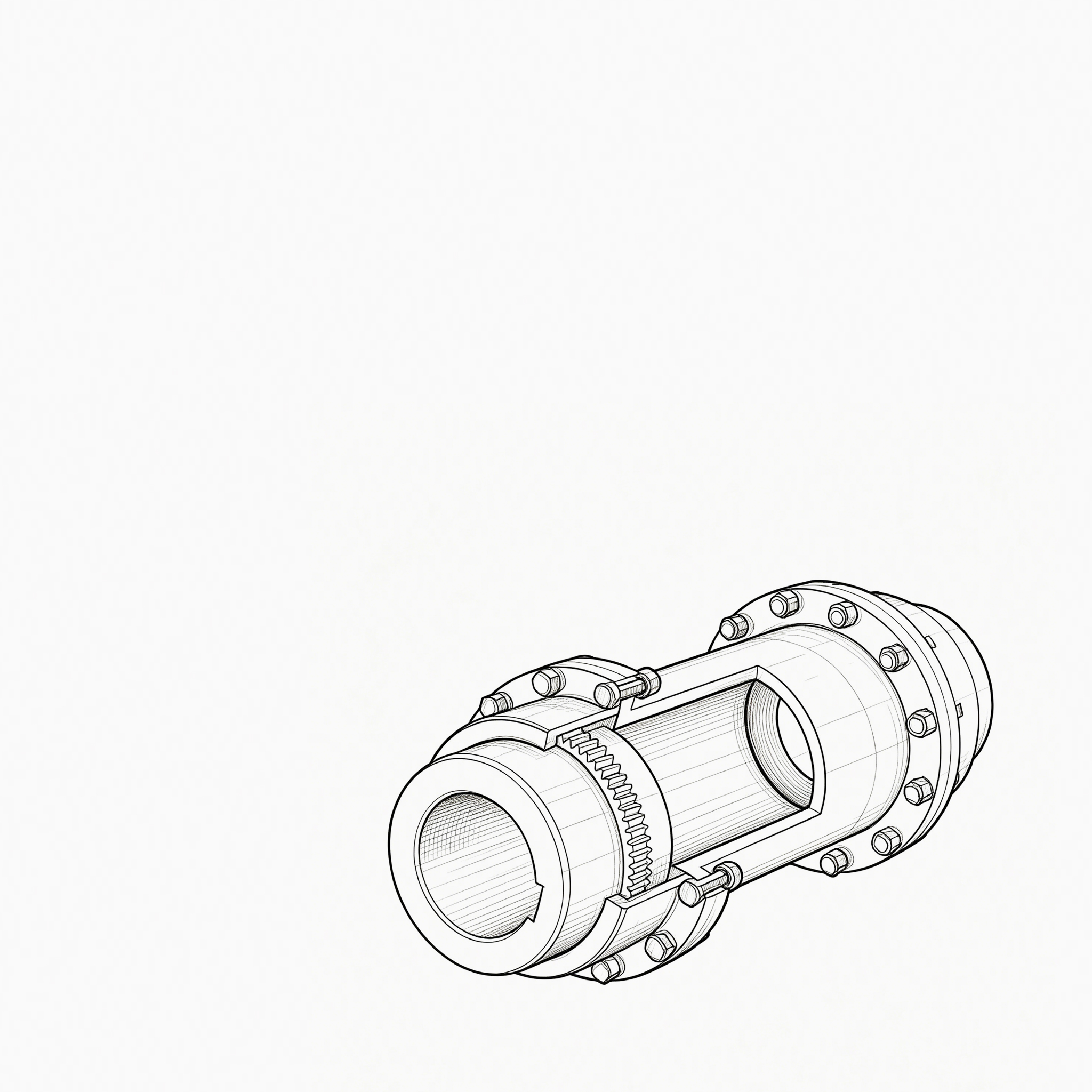
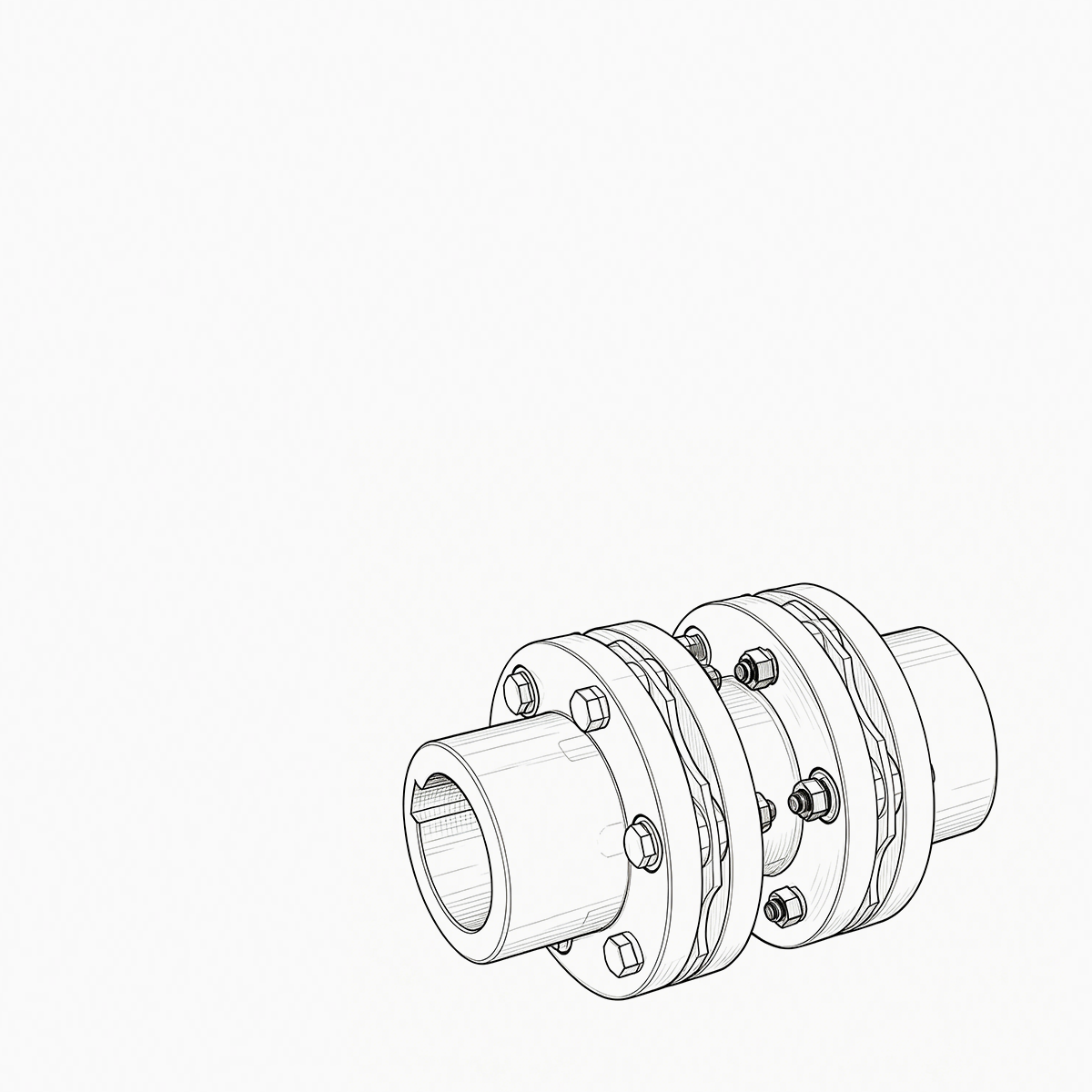
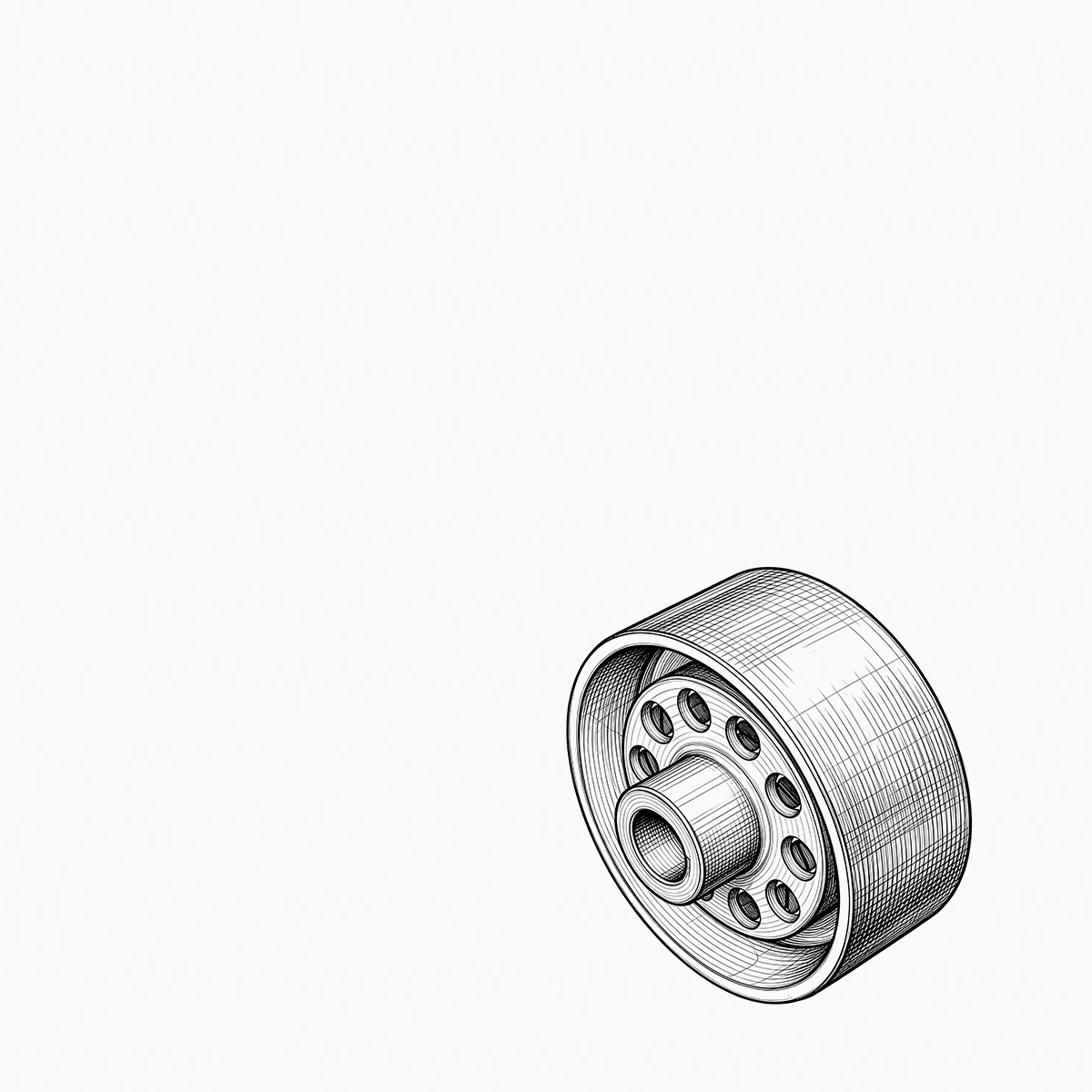
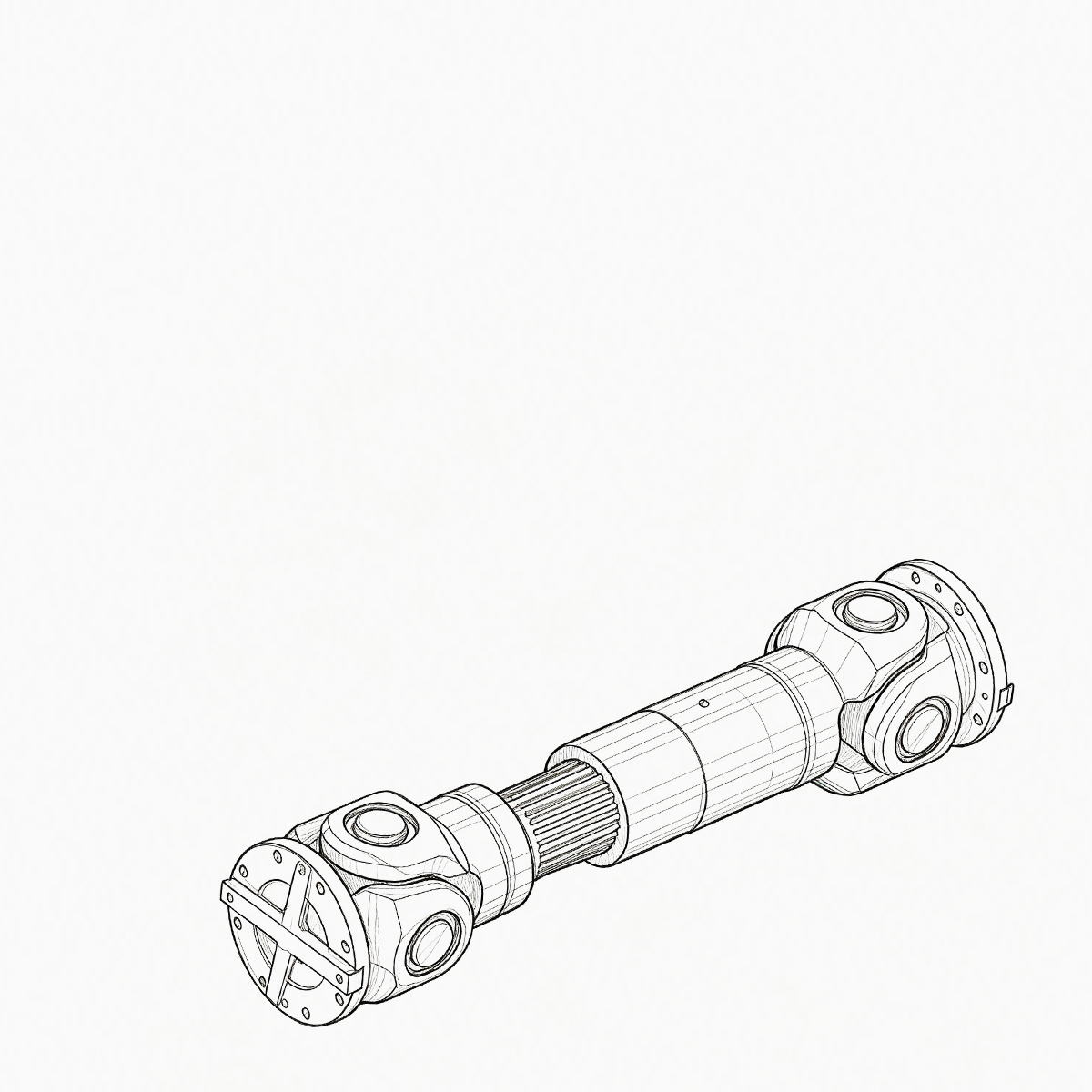
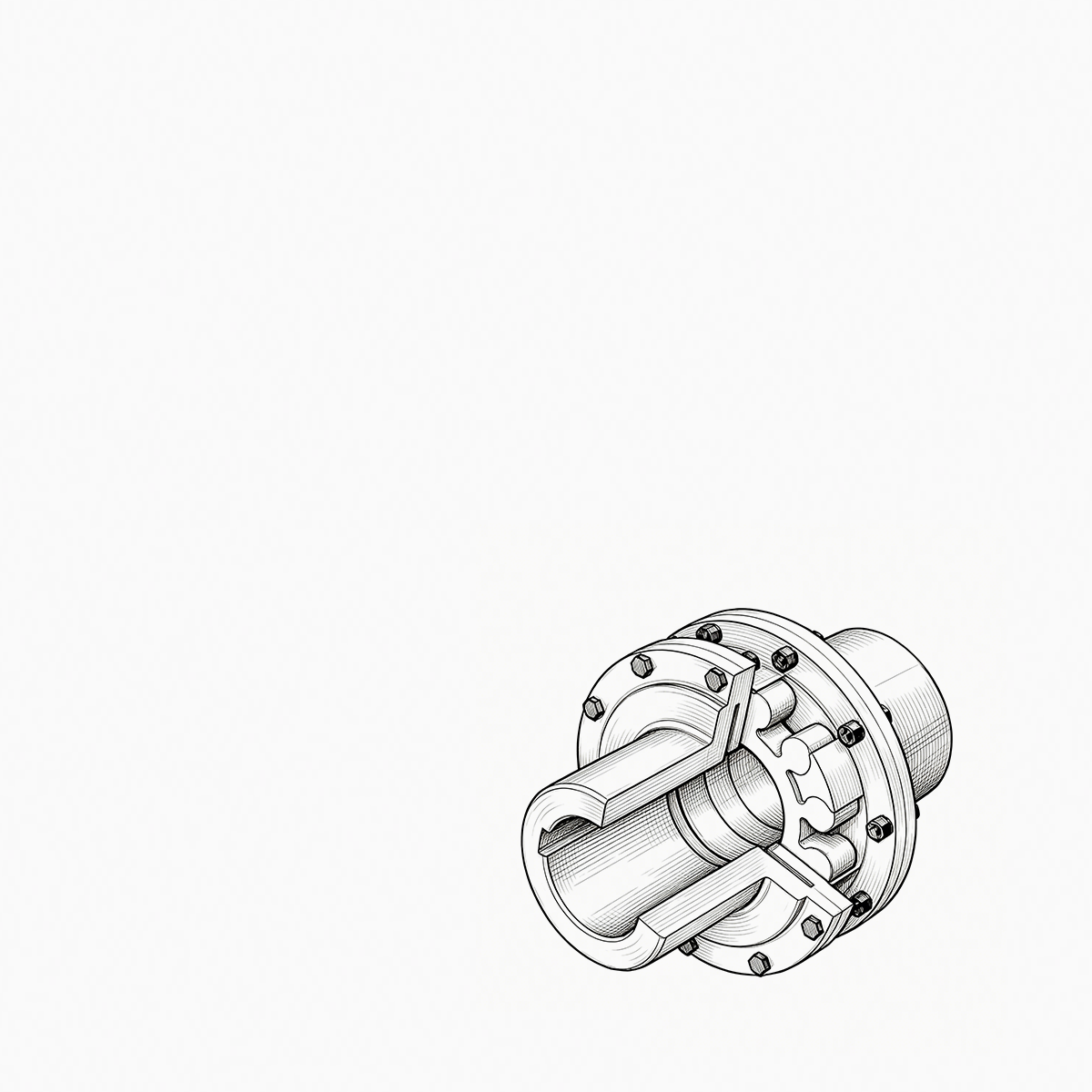
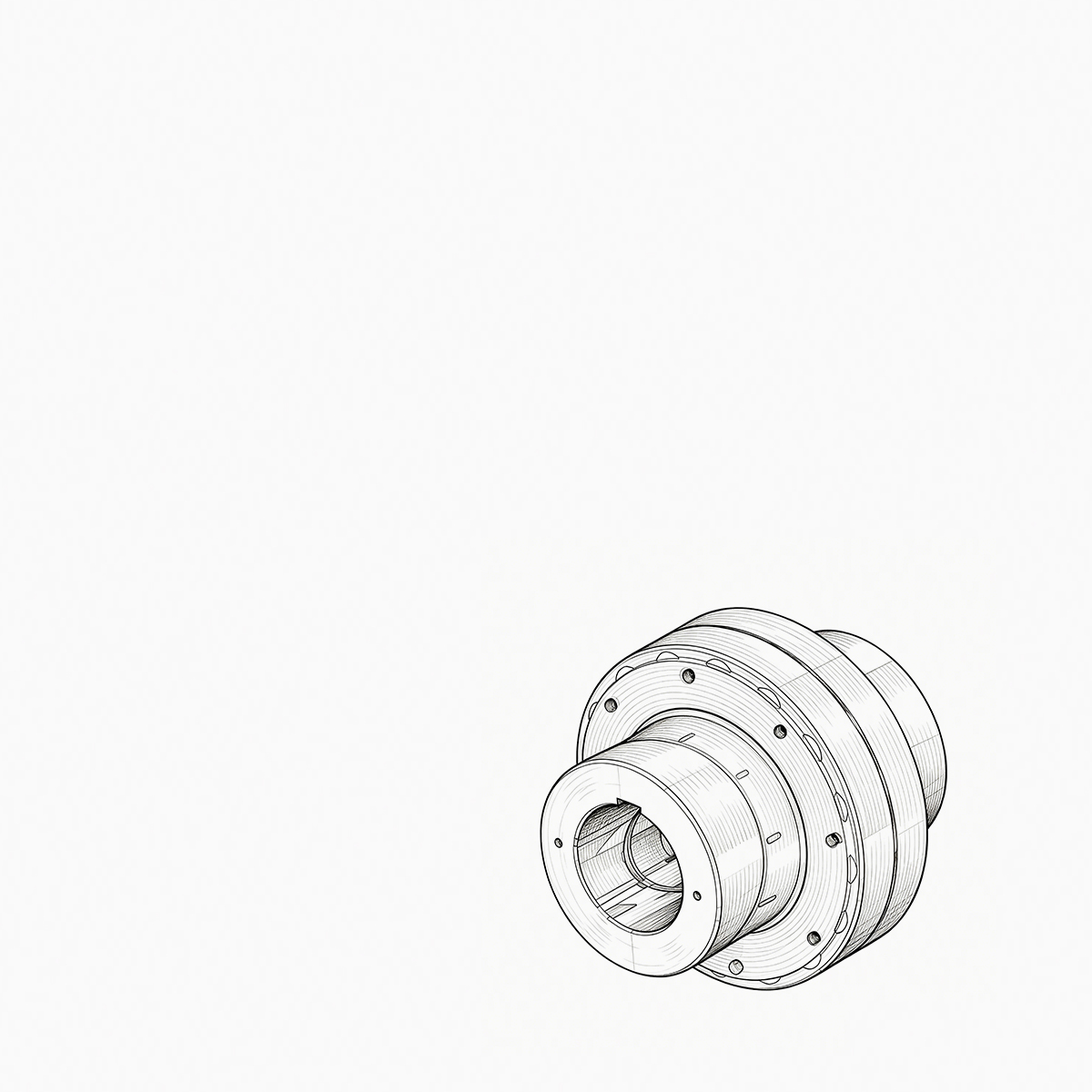
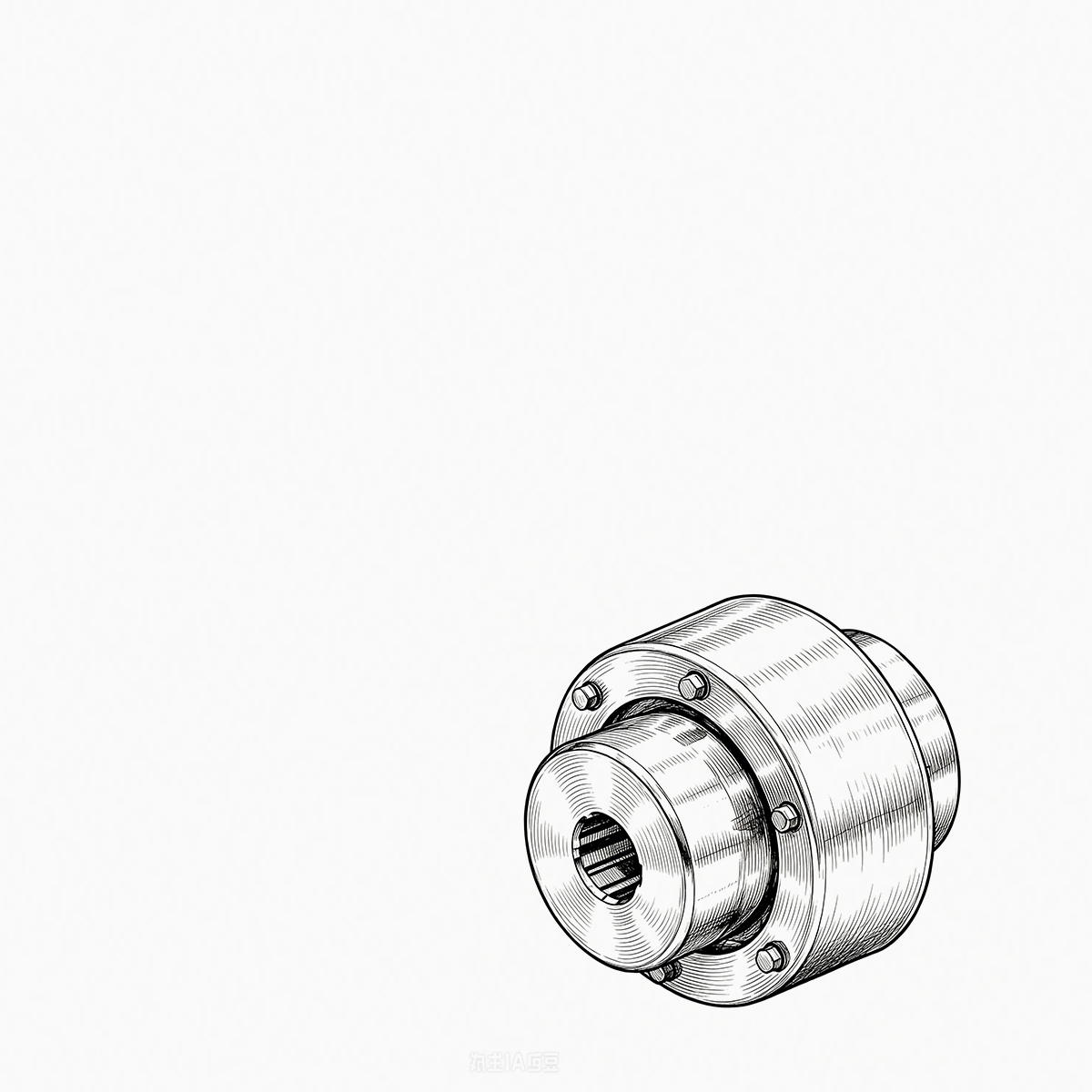
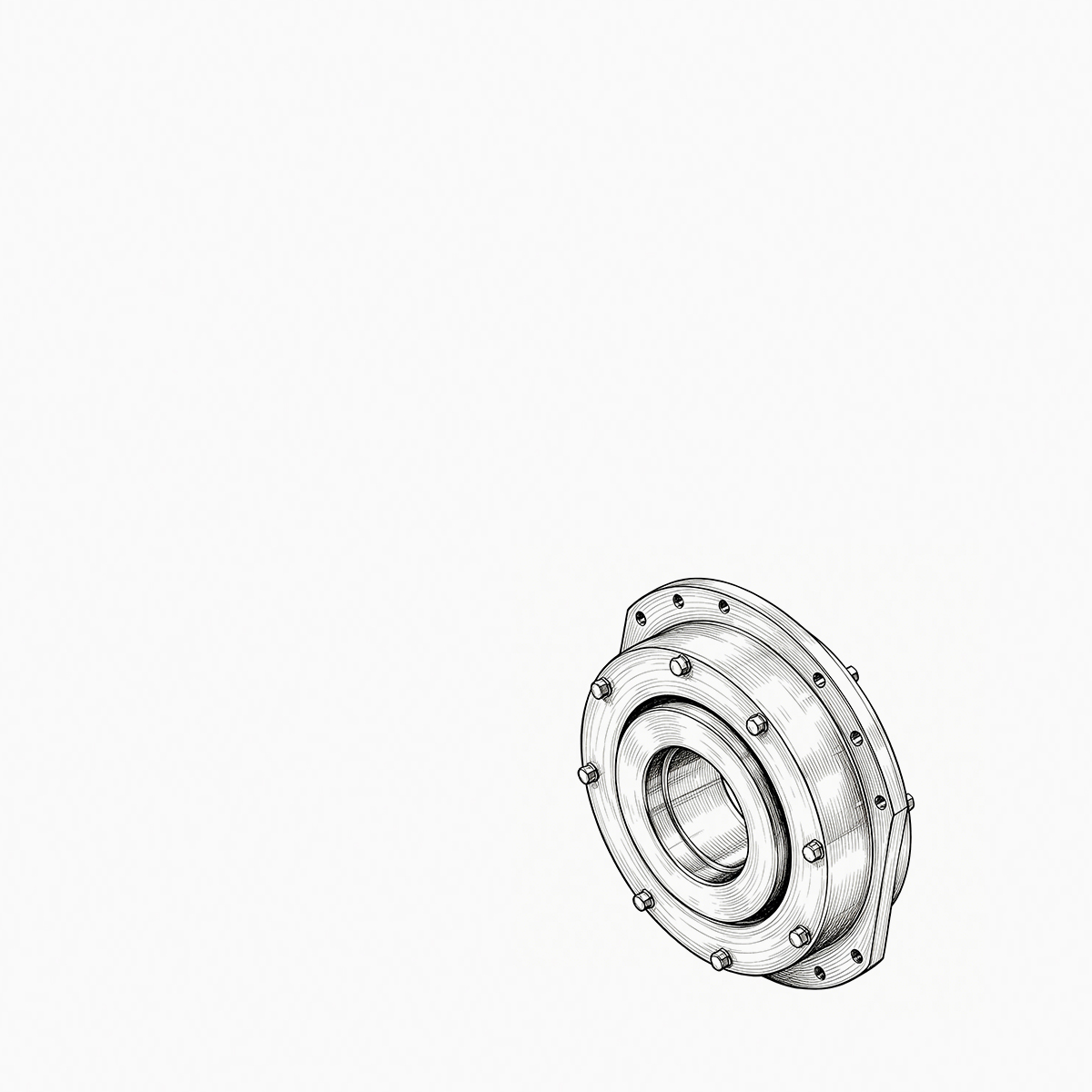
Two quotes land for the same replacement gear coupling: $1,850 from one shop and $2,600 from another. Both promise standard compliance, both quote four weeks, and the drawings look identical. The 40% gap almost never sits in the steel price. It sits in tooth geometry and heat treatment, hub bore an...
READ MORE
 Product Category
Elastic Sleeve Pin Coupling Suppliers
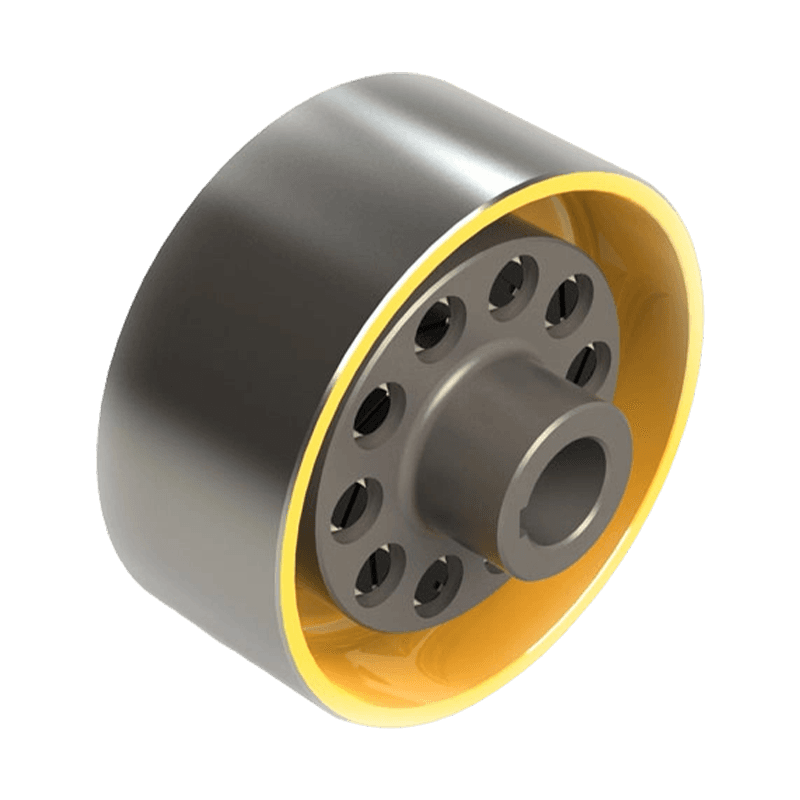
An elastic sleeve pin coupling is a mature and classic mechanical connection component widely used in small- and medium-power industrial transmission systems. It is mainly applied to transmit torque between electric motors and various driven equipment, while also providing impact cushioning, vibration reduction, and compensation for a certain degree of shaft misalignment during operation. Owing to its simple structure, relatively controllable manufacturing cost, and straightforward maintenance, elastic sleeve pin couplings are extensively used in fans, pumps, textile machinery, food processing equipment, and a wide range of general-purpose mechanical installations, making them a common transmission solution for many continuously operating machines.
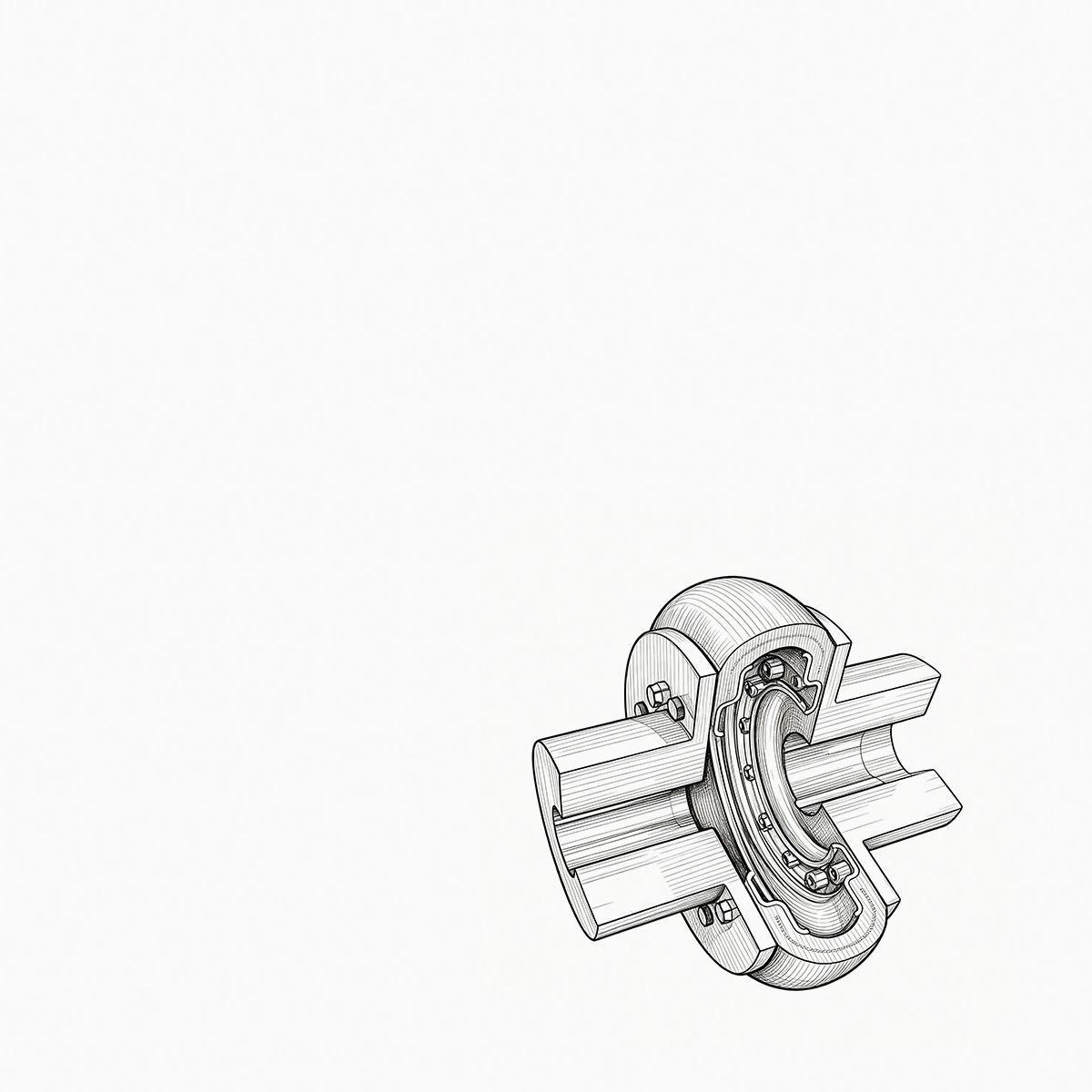
An elastic sleeve pin coupling consists of two metallic hub halves, several pins, and elastic sleeves fitted over the outer surfaces of the pins. Torque is transmitted through the pins, while the elastic sleeves undergo elastic deformation under load, thereby absorbing shock caused by start-up or load fluctuations and compensating for radial, angular, and a limited amount of axial displacement. This structural arrangement ensures reliable torque transmission while effectively reducing vibration and noise, contributing to smoother operation of the entire transmission system. Compared with rigid couplings, elastic sleeve pin couplings are more tolerant of installation inaccuracies and offer greater adaptability.
In practical engineering applications, elastic sleeve pin couplings have evolved into a series of standardized products. Through refined variations in structural form and connection methods, they are able to meet different installation conditions and application requirements. Some models emphasize versatility and standardization, making them suitable for large-scale equipment configurations, while others are optimized in terms of length or mounting structure to accommodate special space constraints or specific shaft-end designs. This diversified product range enables elastic sleeve pin couplings to cover a wide spectrum of operating conditions, from light loads to moderate load applications.
Company

Zhenjiang Orienthold Machinery Co., Ltd.
Zhenjiang Orienthold Machinery Co., Ltd. is China Elastic Sleeve Pin Coupling Manufacturers and OEM/ODM Elastic Sleeve Pin Coupling Suppliers, We are a medium-sized enterprise specialized in the production of couplings and papermak-ing machinery, integrating design, production and service.
Boasting strong technical strength, advanced equipment and comprehensive testing methods, our products are widely used in industries and equipment such as transportation, metallurgy, chemical engineering, mining, construction and hoisting, and are supplied to various large-scale enterprises all year round.
Equipped with a strict quality supervision system as well as complete inspection and testing instruments and equipment, our products fully comply with national standards. In particular, the production technology and quality of our papermaking machinery have reached international levels. Our products have won wide praise in the market and gained high recognition from customers.
News
-
-
Consider a 250 kW crane hoist that begins to vibrate only when the load is lifted. The drum gear coupling is inspected after a few months and the tooth wear is concentrated on one flank. The common diagnosis is not a single defective component; it is a mismatch between the catalogue torque, the act...
READ MORE -
A maintenance engineer pulls a failed coupling from a pump drive. The elastomer sleeves are cracked, the pin bolts are scored, and the hub bore shows the tell-tale fretting marks of a poor fit. For most medium-duty industrial drives, the replacement is not an exotic engineering exercise: an elastic...
READ MORE
Message Feedback
Elastic Sleeve Pin Coupling Industry knowledge
Selection Methodology for Elastic Sleeve Pin Couplings Based on Motor Parameters
Mathematical Foundation of Nominal Torque Calculation
Selecting an elastic sleeve pin coupling begins with determining the nominal torque transmitted through the drive system. Motor power and rotational speed serve as the two primary baseline variables for this mathematical calculation. The relationship between power, speed, and torque is governed by standard mechanical principles, where nominal torque is calculated by multiplying motor power in kilowatts by a constant factor of 9550 and dividing the result by the operational speed in revolutions per minute. At higher operating speeds, a given motor output power generates a lower continuous torque load on the coupling hub, whereas lower speeds at the same power level result in higher rotational force. Zhenjiang Orienthold Machinery Co., Ltd. incorporates these basic principles into the initial engineering evaluation of power transmission components for industrial machinery applications.
When motor parameters are defined, the resulting nominal torque value represents the baseline steady-state load under uniform operating conditions. However, drive systems rarely operate in purely static states. Starting torques from electric motors can reach two to three times the nominal full-load torque during initial acceleration. Additionally, driven machinery in heavy industries such as papermaking, metallurgy, and mining imposes dynamic fluctuation onto the coupling hub. The nominal torque calculation establishes the baseline value from which all subsequent selection adjustments are derived, ensuring the selected elastic sleeve pin coupling maintains mechanical integrity under baseline driving conditions.
Service Factors and Dynamic Load Adjustments
To ensure operational reliability under real-world industrial conditions, the nominal torque must be multiplied by a service factor to obtain the calculated design torque. Service factors account for driven equipment characteristics, prime mover shock profiles, operating hours per day, and start-stop frequencies. Electric motors generally provide smooth torque delivery compared to internal combustion engines, but the driven machinery introduces varying levels of shock and vibration. In papermaking machinery, continuous duty with mild load fluctuations requires a moderate service factor. Conversely, heavy-duty applications such as crushers, hoisting machinery, and rolling mills require elevated service factors to compensate for frequent impact loads and torque peaks.
| Industry Sector | Driven Equipment Type | Load Profile | Recommended Service Factor Range |
| Papermaking Machinery | Drying Cylinders and Agitators | Uniform to Light Shock | 1.25 to 1.50 |
| General Machinery | Centrifugal Pumps and Fans | Continuous Uniform Load | 1.00 to 1.25 |
| Hoisting and Transport | Overhead Crane Hoists and Winches | Medium Shock and Reversing | 1.50 to 2.00 |
| Metallurgy and Mining | Jaw Crushers and Rolling Mills | Heavy Shock and Vibration | 2.00 to 2.75 |
The calculated torque derived from multiplying nominal torque by the appropriate service factor must be equal to or less than the rated nominal torque listed in the coupling manufacturer's selection catalog. Orienthold provides standardized rating tables based on comprehensive testing methods to match calculated design torques with appropriate coupling sizes. Selecting a coupling based solely on nominal motor torque without applying service factors often leads to accelerated wear of the elastic sleeves, pin bending, or premature fatigue failure under peak load conditions.
Rotational Speed Limits and Centrifugal Stress Evaluation
The operating speed of the electric motor establishes another strict boundary condition during coupling selection. Elastic sleeve pin couplings consist of two cast or forged hubs connected by steel pins fitted with rubber or synthetic elastomeric rings. As rotational speed increases, centrifugal forces act on the pins and elastic sleeves, creating radial expansion forces and additional stresses within the coupling structure. Every coupling size has a maximum permissible rotational speed that must not be exceeded during continuous or peak operation.
| Coupling Nominal Outer Diameter | Standard Gray Cast Iron Limit | Ductile Iron or Cast Steel Limit | Forged Alloy Steel Limit |
| 105 mm to 160 mm | 3800 RPM | 5000 RPM | 6300 RPM |
| 200 mm to 315 mm | 2500 RPM | 3300 RPM | 4200 RPM |
| 400 mm to 560 mm | 1500 RPM | 2000 RPM | 2600 RPM |
| 630 mm to 800 mm | 950 RPM | 1250 RPM | 1600 RPM |
When the operational speed of the motor approaches the catalog limit for standard gray cast iron hubs, alternative materials such as ductile iron, cast steel, or forged steel must be specified to increase centrifugal strength. High-speed motor applications also require dynamic balancing of the coupling assembly to prevent unwanted rotational vibration. Orienthold utilizes advanced machining equipment and dynamic balancing procedures to maintain balance quality grades appropriate for elevated rotational speeds, protecting motor and gear reducer bearings from additional dynamic radial loads.
Shaft Geometry, Bore Sizing, and Mechanical Accommodation
Once the coupling size satisfies torque and speed requirements, physical shaft compatibility must be verified. The bore size of the coupling hub must accommodate the motor output shaft diameter as well as the input shaft diameter of the driven machinery. Standard motor frame sizes correspond to specific shaft diameters, but custom or heavy-duty motors may feature non-standard shaft dimensions. The selected coupling must offer a maximum bore capacity equal to or greater than the largest shaft diameter in the drive arrangement.
Hub length and keyway geometry must also align with standard shaft engagement practices. If the calculated torque requires a specific coupling model, but the motor shaft diameter exceeds the maximum allowable bore of that model, a larger coupling size must be chosen regardless of torque rating. Alternatively, custom hub designs or specialized keyed fits can be manufactured. Orienthold integrates design, production, and service capabilities to supply custom bored and keywayed hubs tailored to large-scale enterprise equipment specifications.
Elastomeric Sleeve Properties and Operating Environment
The elastic sleeves positioned over the steel pins serve as the primary damping and misalignment accommodation elements within the coupling. The mechanical behavior of these elastomeric components varies with operating speed, torque loads, and environmental exposure. During torque transmission, the elastic sleeves compress against the internal bore of the opposite hub, providing shock absorption and damping torsional vibrations caused by motor torque pulses or load variations.
Environmental factors in chemical engineering, metallurgy, and mining applications influence the selection of elastic sleeve materials. Standard nitrile rubber sleeves function within typical indoor industrial temperature ranges. However, elevated ambient temperatures, chemical vapor exposure, or contact with industrial oils degrade standard rubber compounds over time. Selecting synthetic elastomers such as polyurethane or fluororubber extends the operating temperature range and chemical resistance of the elastic element, preserving damping performance and preventing premature degradation in demanding processing environments.
Verification Protocol and Operational Margins
The final stage of coupling selection involves a comprehensive verification protocol that compares operating parameters against maximum component thresholds. This step ensures that maximum instantaneous peak torques—such as those encountered during emergency stops, motor starting, or severe material jams—do not exceed the maximum allowable torque rating of the coupling, which is typically two to two-and-a-half times the rated nominal torque. Furthermore, angular and radial misalignment capacities must be checked against anticipated shaft offsets resulting from installation tolerances and operational thermal expansion.
By verifying nominal torque, applying appropriate service factors, checking rotational speed limits, confirming shaft bore compatibility, and selecting suitable elastic element materials, engineers establish a reliable connection between electric motors and driven machinery. Orienthold applies rigid testing procedures and technical evaluation standards to ensure elastic sleeve pin couplings deliver consistent power transmission performance across transportation, construction, chemical engineering, and heavy manufacturing sectors.
FAQ
Q: How do Orienthold elastic sleeve pin couplings mitigate shock loads and vibration in mining and hoisting equipment?
A: Mining and hoisting systems experience sudden dynamic shocks during startup and material handling. Orienthold elastic sleeve pin couplings utilize elastomeric rings positioned over high-strength steel pins. These elastomeric sleeves compress under torsional impact, absorbing kinetic energy and dampening peak vibrations before they reach connected gearboxes or motor bearings.
Q: How do environmental conditions in chemical engineering facilities affect the selection of sleeve materials?
A: Chemical processing environments expose power transmission elements to corrosive vapors, oils, and temperature variations. Standard nitrile rubber sleeves suit general operating environments, whereas synthetic elastomers like polyurethane or fluororubber are selected for chemical applications to resist ambient degradation, maintain elasticity, and preserve dampening capabilities over long service intervals.
Q: What features allow elastic sleeve pin couplings to simplify maintenance routines on continuous papermaking production lines?
A: Papermaking machinery requires high uptime and manageable maintenance protocols. The design of elastic sleeve pin couplings allows for direct inspection of elastomeric sleeves without requiring complete disassembly of connected shafts or heavy realignment. Replacing worn elastic rings can be performed efficiently during scheduled maintenance windows, minimizing operational downtime.
Q: How does Orienthold accommodate custom shaft keyways and non-standard hub configurations for large-scale enterprise equipment?
A: Integrating design, manufacturing, and service, Orienthold provides custom machining options for hub bore diameters, specialized keyways, and modified hub lengths. Advanced machining equipment enables production of tailored coupling components that match specific shaft dimensions across metallurgy, transportation, and construction machinery.
Q: Why are elastic sleeve pin couplings effective in drive arrangements subject to frequent starting, stopping, or reversing?
A: Frequent starting and directional reversals create cyclical torque spikes that strain rigid drive components. The elastic sleeves yield slightly under compression during acceleration and deceleration, smoothing out rotational impulse forces. This dampening effect reduces transient mechanical stresses on keyways, shafts, and motor drive components.
Q: What quality control and testing methods ensure the structural integrity of Orienthold pin coupling assemblies?
A: Orienthold applies comprehensive testing methods throughout the production process. Pin materials undergo tensile and hardness testing, while hubs are inspected for dimensional accuracy and dynamic balance. Ultrasonic and magnetic particle testing methods check for internal flaws in forged components, ensuring couplings meet performance standards for heavy-duty industrial service.


ABOUT US
PRODUCTS
INDUSTRIES
CONTACT US
- Phone: +86-18652865511
- Email: sales@ohmach.com
- Address: No.1, Minying Developing Zone, Zhenjiang, Jiangsu, China
Copyright Zhenjiang Orienthold Machinery Co., Ltd. All Rights Reserved.
 Custom Elastic Sleeve Pin Coupling Suppliers