 English
 русский
 Português
 عربى
عربى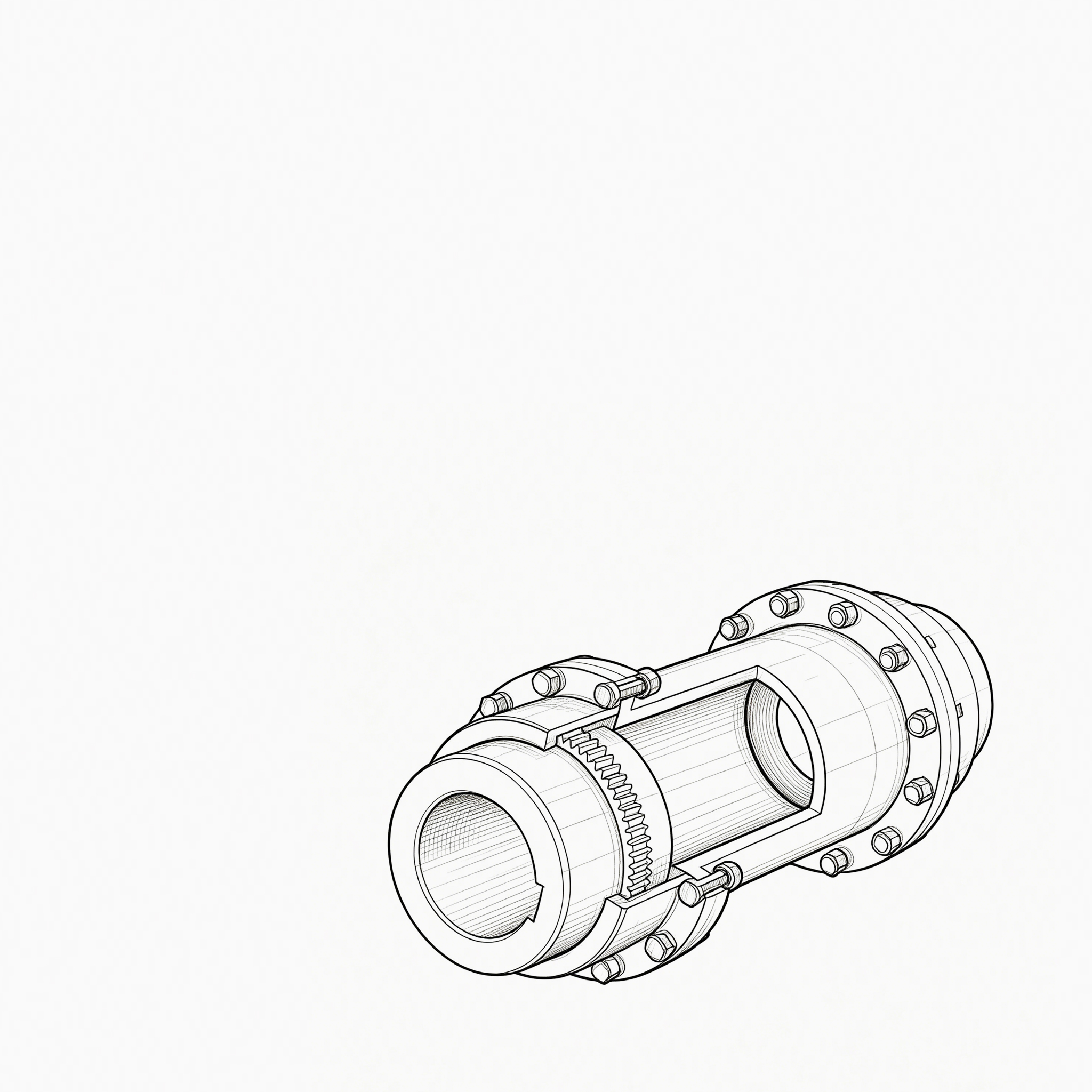
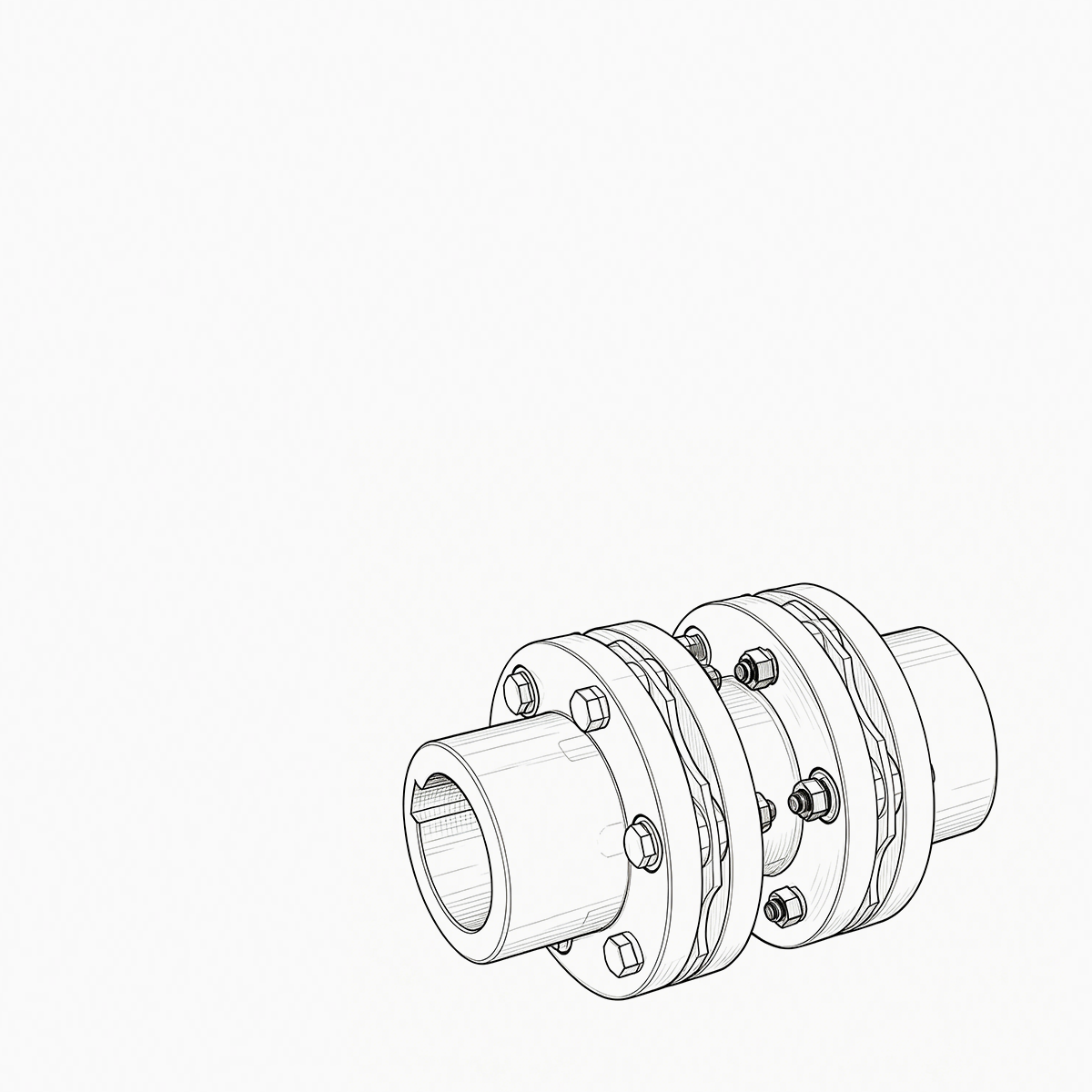

Two quotes land for the same replacement gear coupling: $1,850 from one shop and $2,600 from another. Both promise standard compliance, both quote four weeks, and the drawings look identical. The 40% gap almost never sits in the steel price. It sits in tooth geometry and heat treatment, hub bore an...
READ MORE
 Product Category
Crane Drum Coupling Suppliers
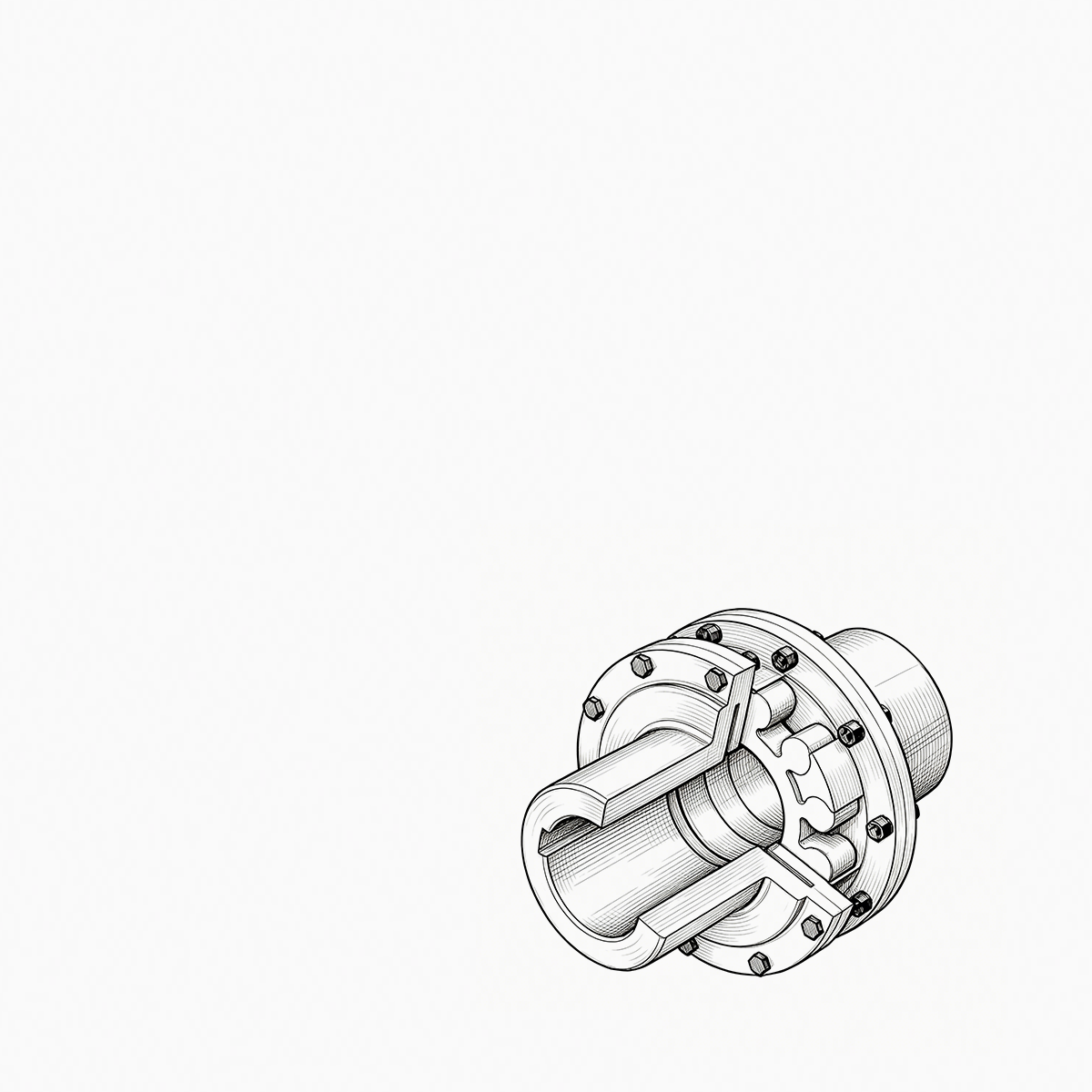
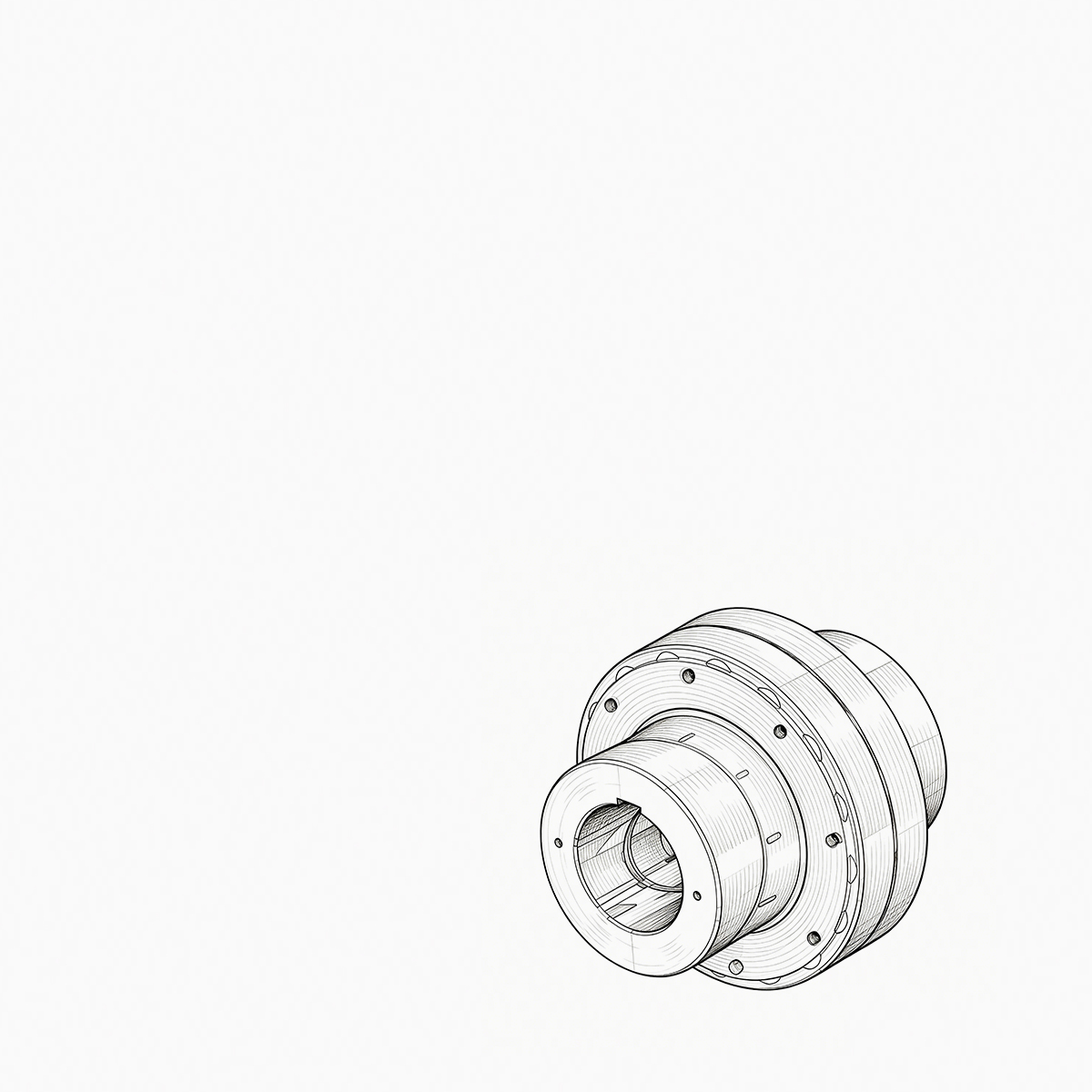
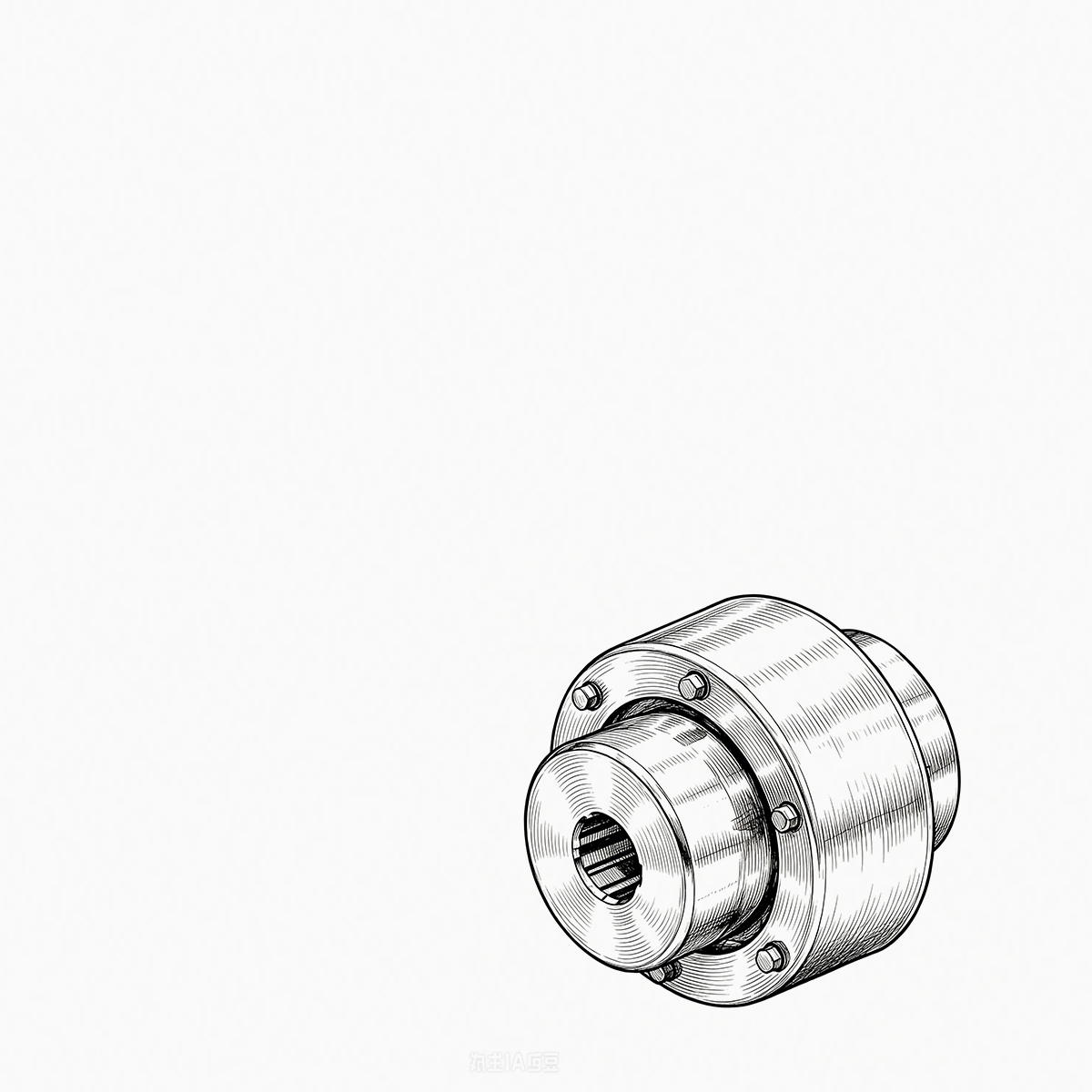
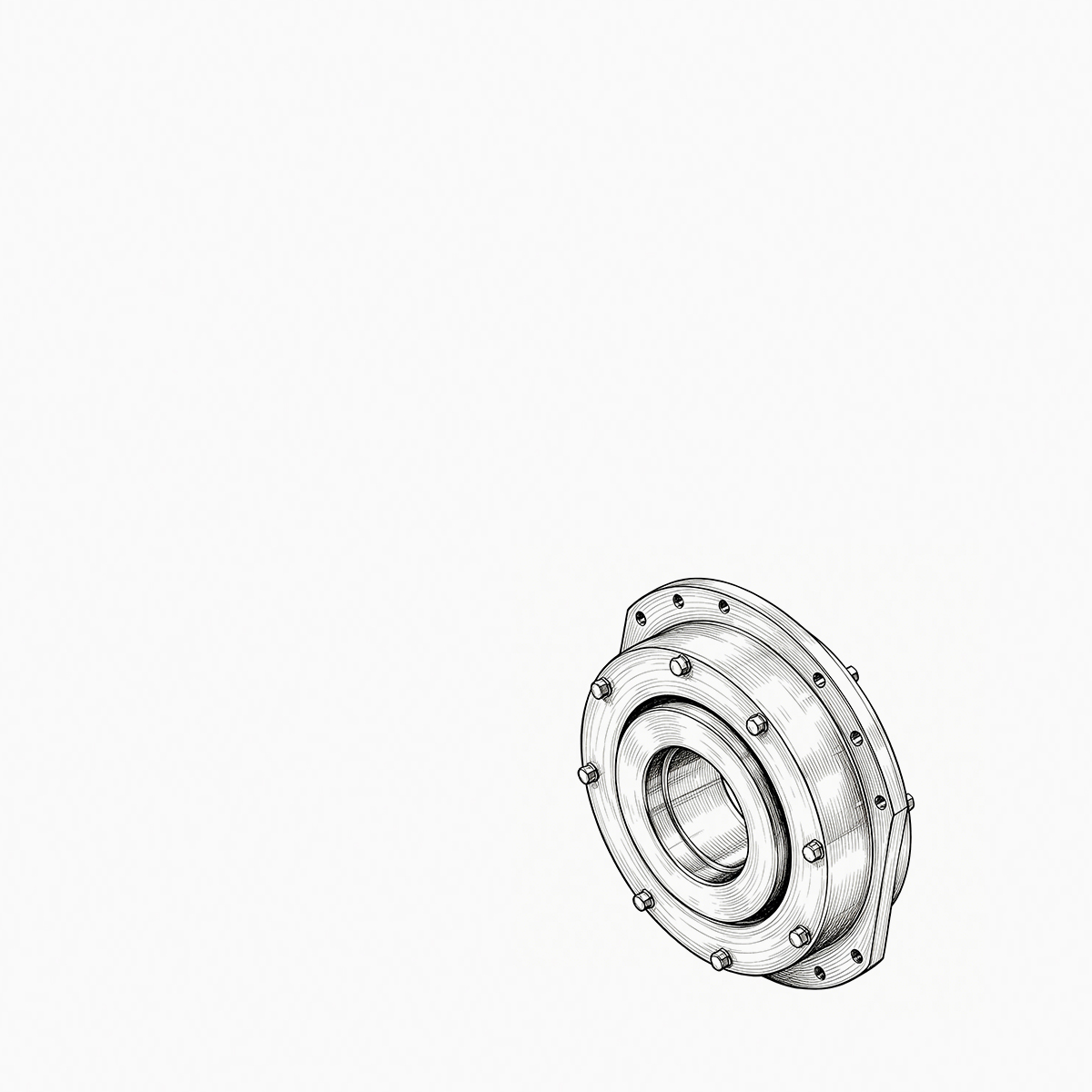
Crane drum couplings are indispensable key transmission components in drum-type hoisting mechanisms. They are mainly used to connect the output shaft of the reducer with the drum shaft, completing torque transmission while also restricting axial movement of the drum, and they are equipped with wear alarm functions to enhance operational safety. Since drum-type hoisting equipment is commonly used in heavy-duty industries such as lifting, port handling, and metallurgical transportation, its transmission system typically faces installation angle deviations, heavy load impacts, long-term continuous operation, as well as harsh environments such as dust and corrosion. Therefore, higher requirements are placed on the reliability, wear resistance, and compensation capability of the coupling. Drum couplings must not only ensure stable torque transmission but also perform well in deviation compensation and vibration damping to prevent equipment downtime or safety accidents caused by transmission instability.
In terms of structural types, drum couplings have formed multiple series to adapt to different working conditions and equipment structures. The WZL, DC, and WJ series represent various structural concepts such as ball joint type and barrel gear type, each with its own focus in terms of load capacity, compensation range, wear resistance, and maintenance convenience. Some series emphasize angular deviation compensation capability, suitable for scenarios where the reducer and drum shaft axes have large installation angles; other series focus more on load-bearing strength and wear protection, suitable for heavy-duty frequent start-stop or long-drum operations. At the same time, the design of drum couplings also takes into account the convenience of on-site inspection and replacement, such as through modular structures or detachable connection methods, shortening downtime for maintenance and improving overall equipment operational efficiency.
Company

Zhenjiang Orienthold Machinery Co., Ltd.
Zhenjiang Orienthold Machinery Co., Ltd. is China Crane Drum Coupling Manufacturers and OEM/ODM Crane Drum Coupling Suppliers, We are a medium-sized enterprise specialized in the production of couplings and papermak-ing machinery, integrating design, production and service.
Boasting strong technical strength, advanced equipment and comprehensive testing methods, our products are widely used in industries and equipment such as transportation, metallurgy, chemical engineering, mining, construction and hoisting, and are supplied to various large-scale enterprises all year round.
Equipped with a strict quality supervision system as well as complete inspection and testing instruments and equipment, our products fully comply with national standards. In particular, the production technology and quality of our papermaking machinery have reached international levels. Our products have won wide praise in the market and gained high recognition from customers.
News
-
-
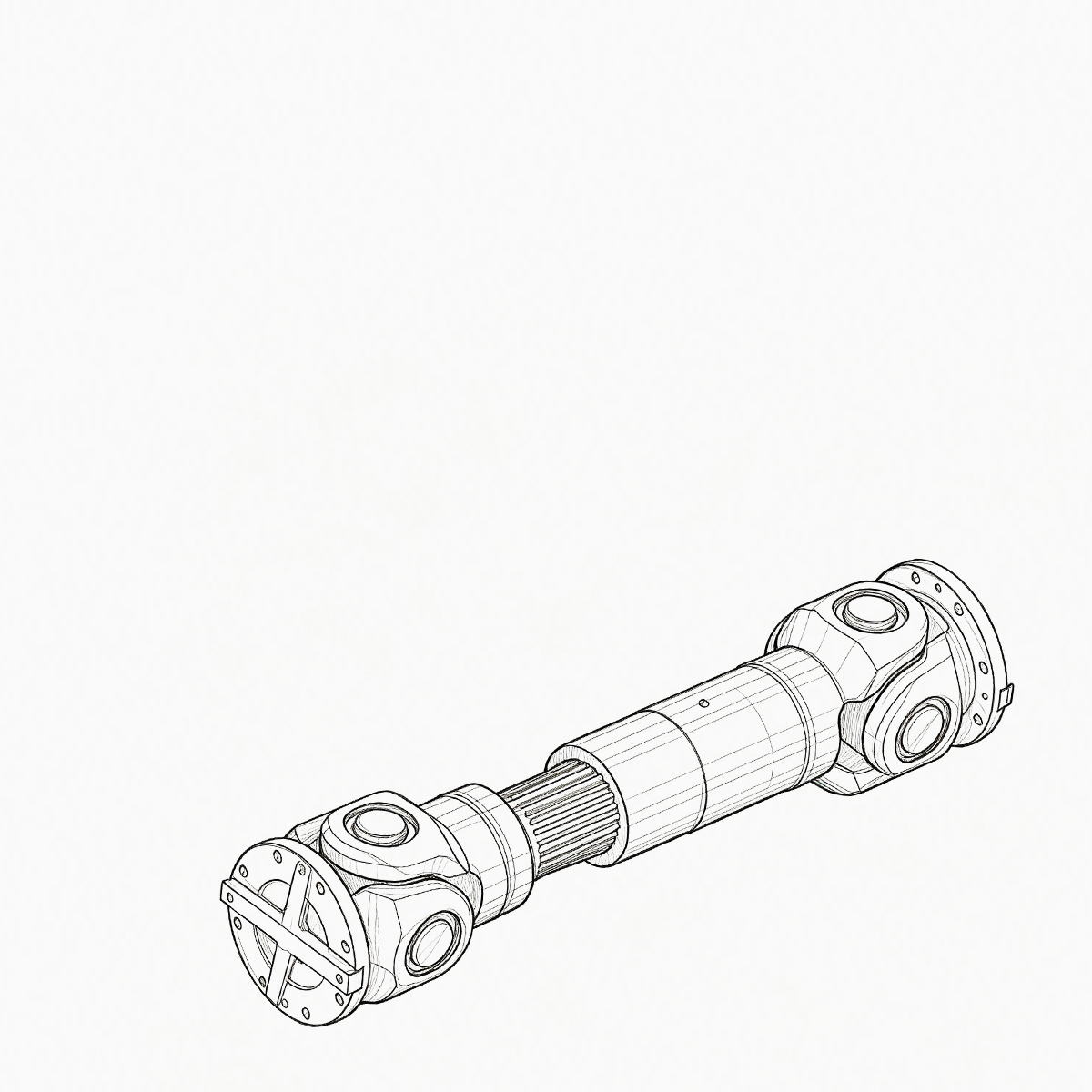
Consider a 250 kW crane hoist that begins to vibrate only when the load is lifted. The drum gear coupling is inspected after a few months and the tooth wear is concentrated on one flank. The common diagnosis is not a single defective component; it is a mismatch between the catalogue torque, the act...
READ MORE -
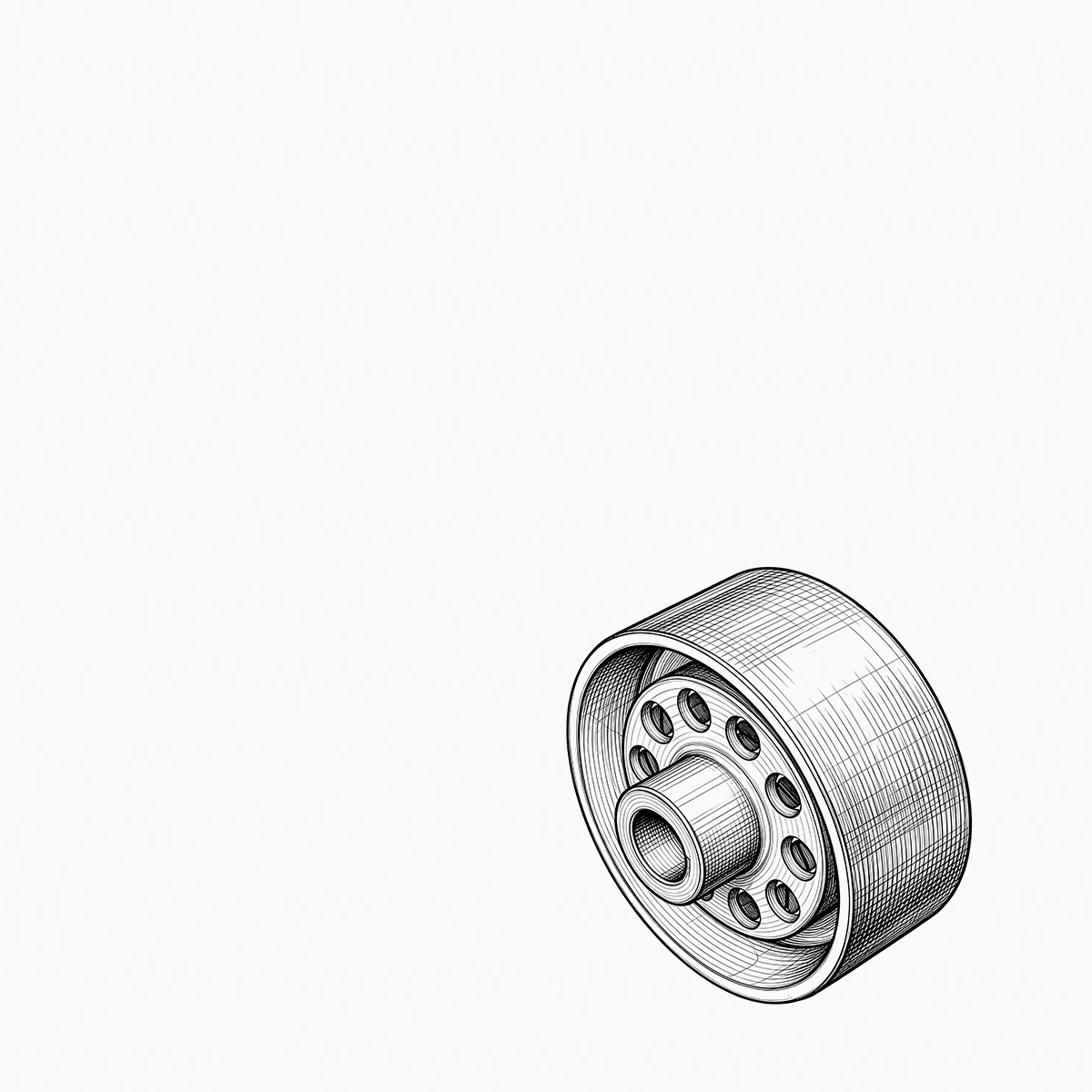
A maintenance engineer pulls a failed coupling from a pump drive. The elastomer sleeves are cracked, the pin bolts are scored, and the hub bore shows the tell-tale fretting marks of a poor fit. For most medium-duty industrial drives, the replacement is not an exotic engineering exercise: an elastic...
READ MORE
Message Feedback
Crane Drum Coupling Industry knowledge
Why Crane Drums Require the Use of Specialized Crane Drum Couplings
In modern industrial lifting systems, the drum assembly serves as the primary mechanism for hoisting heavy loads. In the machinery setup, the crane drum connects directly to the output shaft of a gear reducer. Zhenjiang Orienthold Machinery Co., Ltd. supplies a wide range of industrial couplings and heavy-duty components for transportation, metallurgy, and hoisting equipment. In practical field applications, connecting a high-torque reducer output shaft to a large wire rope drum presents distinct mechanical challenges that conventional couplings cannot resolve. Using specialized crane drum couplings is an essential engineering practice to manage mechanical stress, maintain structural stability, and guarantee safe lifting operations.
Mechanical Demands and Misalignment in Crane Hoisting Systems
A hoisting drum in a overhead crane or portal crane operates under intense mechanical loads. As the wire rope winds and unwinds, the drum experiences shifting radial forces, high torsional moments, and bending stress. Standard industrial couplings, such as flexible disc couplings or standard jaw couplings, are engineered mainly to transmit torque between two coaxial shafts. However, in a crane hoisting mechanism, perfect shaft alignment between the gear reducer and the drum assembly is impossible to maintain during operation. Structural deflection of the crane bridge, thermal expansion of the mechanical components, manufacturing tolerances, and minor frame deformation under maximum load capacity all induce radial and angular misalignments. A rigid connection or a conventional flexible coupling would transfer these huge bending moments back into the output shaft of the reducer, leading to premature bearing failure, shaft fatigue, or catastrophic structural breakdown.
Key Technical Differences Between Coupling Types
| Coupling Type | Primary Function | Radial Load Capacity | Bending Moment Transfer | Application Suitability |
| Standard Flexible Gear Coupling | Transmits pure torque between aligned or slightly offset shafts | Low to Moderate | High under heavy angular offset | General machinery, pumps, shaft-to-shaft motor drives |
| Rigid Flange Coupling | Locks two shafts together firmly without flexibility | None (Requires precise coaxiality) | Extremely High | Stationary vertical or horizontal rigid shaft lines |
| Specialized Crane Drum Coupling | Transmits high torque while supporting heavy radial drum loads | Extremely High | Minimal due to spherical barrel roller design | Crane hoisting drums, winches, heavy hoisting equipment |
Transmission of Heavy Radial Loads via Barrel Rollers
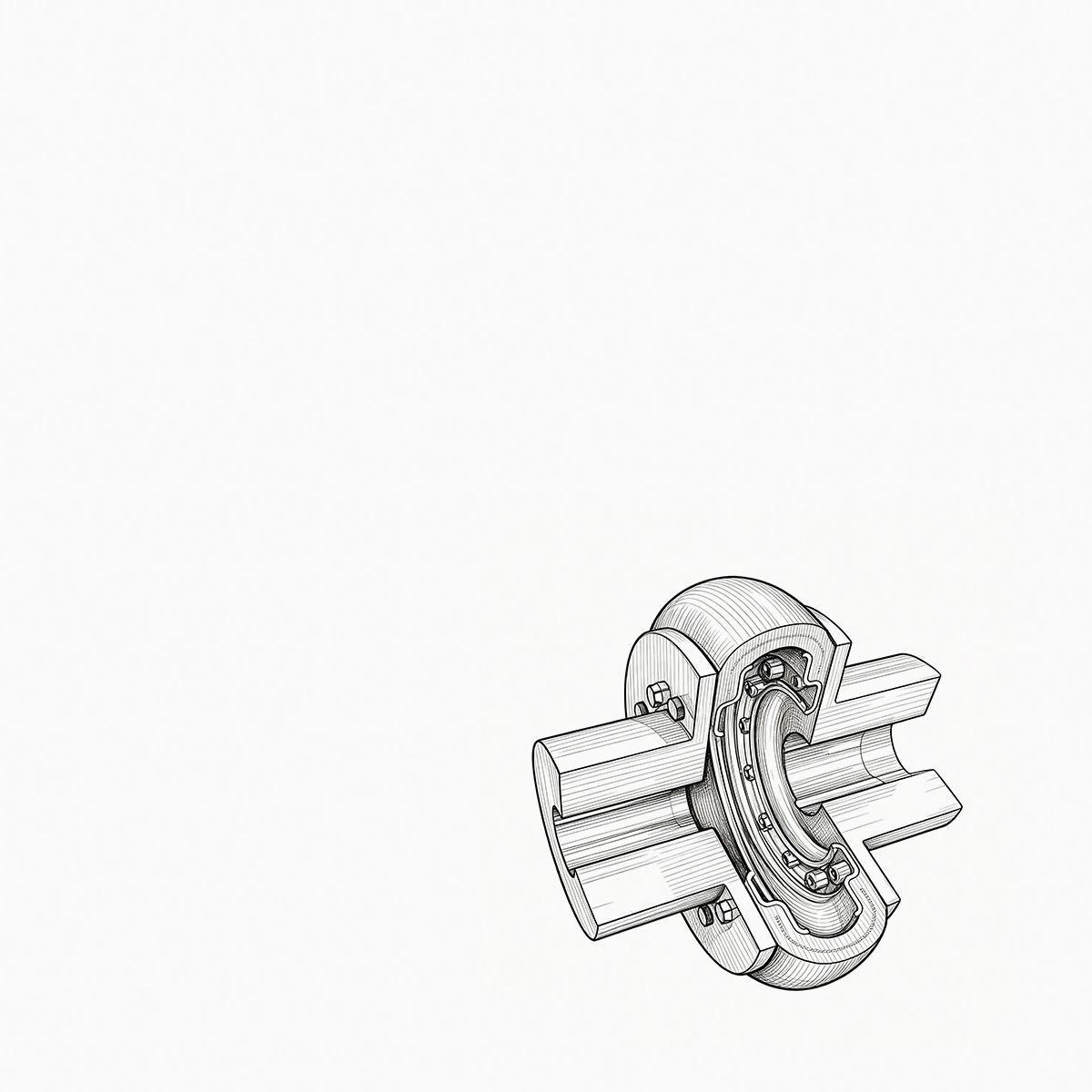
The core structural innovation of a specialized crane drum coupling lies in its internal design, which typically incorporates spherical barrel rollers positioned within hardened outer and inner teeth housings. Unlike standard gear couplings that use involute gear teeth primarily for torsional torque delivery, a drum coupling uses heavy-duty barrel rollers as load-bearing elements. These spherical rollers sit securely between the outer sleeve, which mounts to the crane drum, and the inner hub, which locks onto the gear reducer output shaft. This configuration allows the coupling to act simultaneously as a high-torque flexible joint and a self-aligning radial support bearing. As a result, the entire weight of the drum along with the maximum wire rope tension is transmitted through the barrel rollers directly into the reducer bearing assembly in a controlled manner, preventing destructive bending forces from reaching the reducer internal gearing.
Compensation for Angular and Axial Misalignment
During heavy lifting operations, the structural beams of a crane flex naturally. This structural deflection introduces dynamic angular misalignments between the drum centerline and the output shaft of the speed reducer. A specialized drum coupling allows free angular movement, typically up to positive or negative one degree, without increasing friction or internal mechanical restraint. The internal spherical geometry enables the inner hub to pivot smoothly relative to the outer sleeve while maintaining constant contact across the surface of the barrel rollers. Furthermore, thermal variations and installation adjustments require a degree of axial floating capability. The drum coupling accommodates restricted axial displacement of the drum without generating axial thrust forces on the reducer bearings, preserving the mechanical integrity of both connected units.
Comparison of Structural Loads and Performance Dynamics
| Operational Parameter | Standard Shaft Connection | Specialized Crane Drum Coupling Integration |
| Bending Moment on Reducer Shaft | Uncontrolled, varies with crane frame deflection | Negligible, absorbed by coupling internal articulation |
| Radial Force Distribution | Uneven point loads causing high localized fatigue | Uniformly distributed across precision barrel rollers |
| Equipment Maintenance Interval | Frequent due to seal wear and bearing damage | Extended, relying on internal grease reserves and wear indicators |
| Structural Safety Factor | Reduced by complex combined stress concentrations | Calculated specifically to meet heavy hoisting safety codes |
Integrated Wear Monitoring and Visual Inspection Capabilities
Lifting machinery operates in environments where component failure presents severe operational risks. Specialized crane drum couplings are built with integrated visual monitoring features to assess mechanical wear without disassembling the drive line. Outer covers and retaining rings are fitted with precision wear indicator pointer marks or gap measurement grooves. Maintenance technicians can inspect the axial position of the internal hub relative to the outer housing during routine maintenance schedules. As the barrel rollers and contact races experience natural operational wear over years of continuous service, the displacement pointer moves along a calibrated scale. This clear visual indication allows plant operators to plan component replacements well before the mechanical tolerances exceed safe operational limits, preventing sudden equipment downtime in demanding industrial environments such as steel mills, ports, and mining facilities.
Compact Structural Integration in Modern Crane Machinery Design
Modern hoisting machinery design emphasizes compact lay-outs to maximize hook coverage and minimize overall crane deadweight. Connecting a hoisting drum to a gear reducer using traditional pillow block bearings and intermediate drive shafts consumes substantial horizontal space along the crane trolley bridge. A specialized crane drum coupling mounts directly to the end face of the drum flange and envelopes the reducer output shaft. This direct-coupled configuration eliminates the need for an external outboard bearing housing on the reducer side of the drum. By reducing the overall footprint of the hoisting unit, machinery builders can design smaller crane trolleys, decrease structural material requirements for the crane girder, and simplify the overall alignment procedure during initial assembly on the factory floor.
Protection Against Contamination and Harsh Operational Environments
Crane equipment in chemical engineering plants, metallurgical facilities, and outdoor construction sites operates under exposure to abrasive dust, moisture, corrosive fumes, and temperature fluctuations. Specialized crane drum couplings feature heavy-duty sealing rings on both sides of the barrel roller cavity. High-grade synthetic seals keep heavy-tack extreme-pressure grease retained inside the roller chamber while preventing external particulates and water from entering the mechanical contact zones. Continuous lubrication of the spherical rollers reduces sliding friction during angular readjustments, ensuring smooth operation under variable load profiles. The robust housing design protects internal contact surfaces from pitting, corrosion, and scuffing, which supports consistent power transmission throughout the service life of the hoisting system.
FAQ
Q: How do Zhenjiang Orienthold's specialized crane drum couplings protect gear reducers in heavy lifting applications?
A: In heavy hoisting operations across industries like metallurgy, mining, and construction, structural deflection and frame deformation can cause shaft misalignments. Zhenjiang Orienthold's crane drum couplings utilize internal spherical barrel rollers to absorb bending moments and radial forces. This design prevents destructive forces from transferring back to the output shaft of the gear reducer, protecting internal gears and bearings from fatigue and mechanical failure.
Q: What features allow these couplings to operate reliably in harsh metallurgical and chemical engineering environments?
A: Engineered with strong technical capabilities and robust sealing assemblies, these drum couplings prevent the ingress of abrasive dust, chemical fumes, and moisture. The heavy-duty housing retains high-grade extreme-pressure lubricants, protecting the internal contact surfaces against corrosion, wear, and pitting during continuous heavy-duty operation.
Q: In what ways do drum couplings help optimize the spatial layout of industrial hoisting machinery?
A: These couplings attach directly to the flange face of the wire rope drum and enclose the reducer output shaft. By integrating the load-bearing functionality into the coupling itself, machinery designers can eliminate the need for extra outboard pillow-block bearings. This compact connection reduces the overall footprint and deadweight of the crane trolley assembly.
Q: How can maintenance teams inspect the internal wear of a crane drum coupling without disassembling the drive assembly?
A: The couplings feature external visual wear indicators and pointer markings calibrated to the internal housing geometry. As the spherical rollers and contact races undergo normal operational wear over extended service, maintenance technicians can track the relative displacement along the calibrated scale during routine inspections, allowing planned maintenance before critical tolerances are exceeded.
Q: What types of mechanical misalignment can a crane drum coupling accommodate during operation?
A: The internal spherical roller geometry allows the coupling to handle dynamic angular misalignments—typically up to one degree in both directions—caused by crane bridge flexing under maximum load. Additionally, the design permits limited axial displacement to accommodate thermal expansion and installation tolerances without exerting axial thrust on adjacent equipment bearings.
Q: Why are specialized drum couplings preferred over standard flexible gear couplings for heavy-duty crane drums?
A: Standard gear couplings are designed primarily to transmit torsional power between coaxial shafts and have limited radial load capacity. In contrast, specialized crane drum couplings use load-bearing spherical rollers specifically engineered to support the full radial weight of the loaded wire rope drum while simultaneously transmitting high operational torque.


ABOUT US
PRODUCTS
INDUSTRIES
CONTACT US
- Phone: +86-18652865511
- Email: sales@ohmach.com
- Address: No.1, Minying Developing Zone, Zhenjiang, Jiangsu, China
Copyright Zhenjiang Orienthold Machinery Co., Ltd. All Rights Reserved.
 Custom Crane Drum Coupling Suppliers