 English
 русский
 Português
 عربى
عربى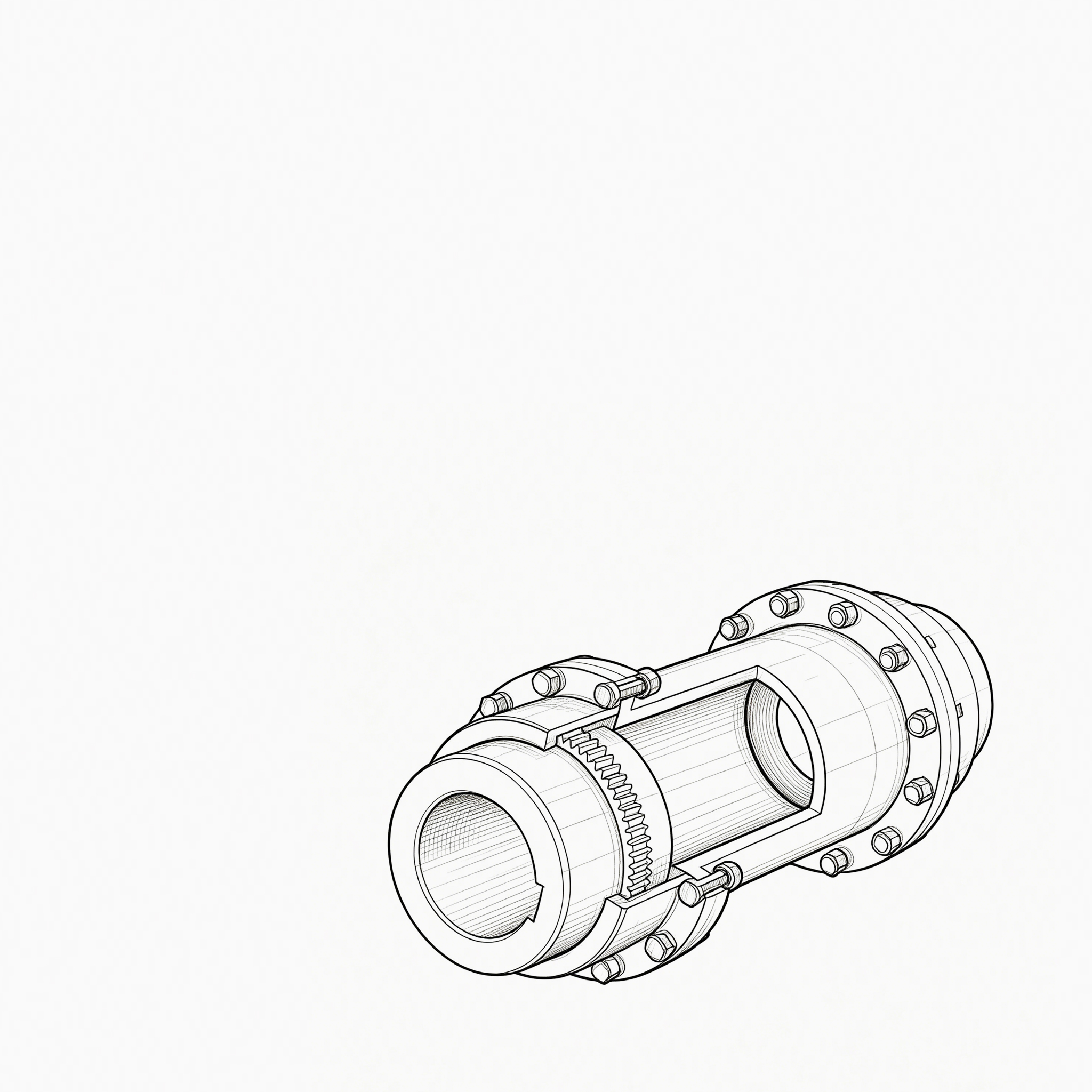
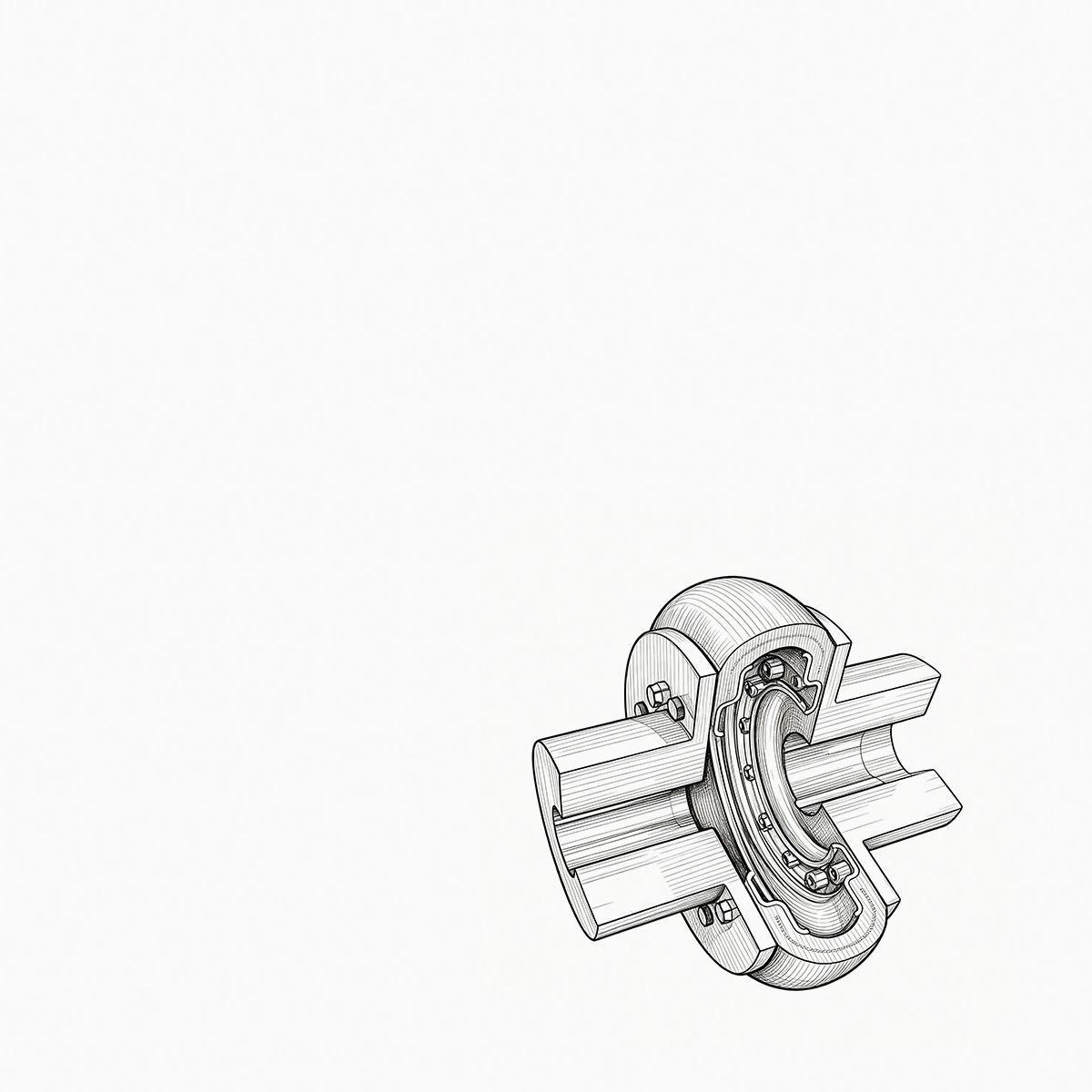
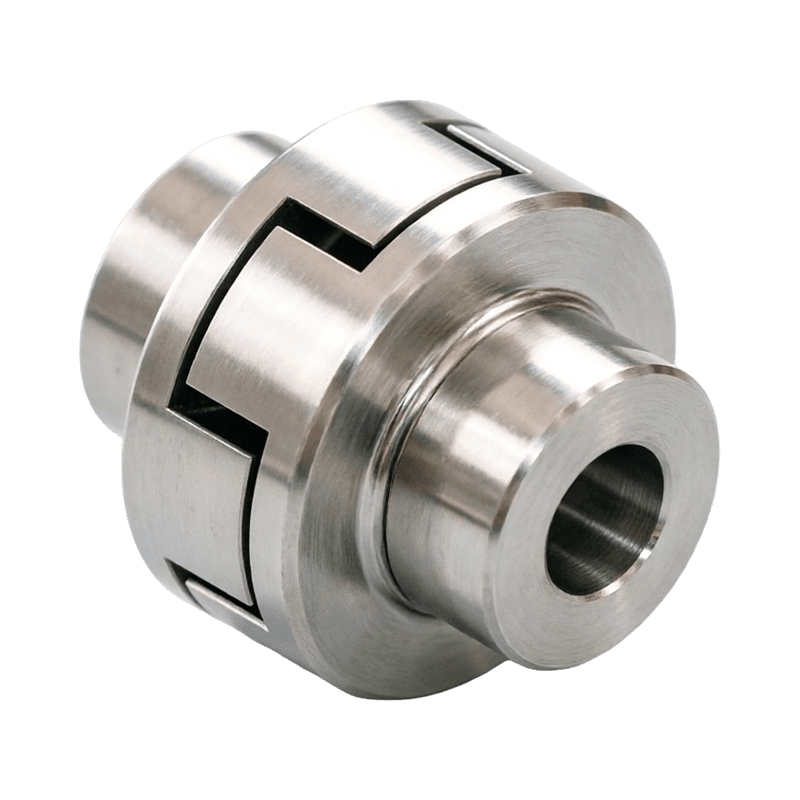
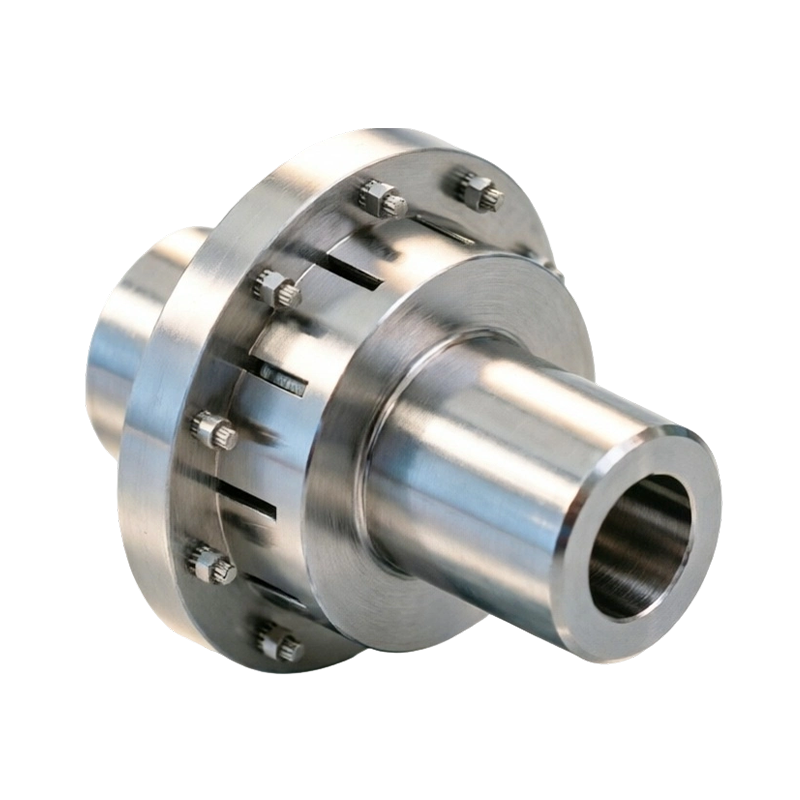
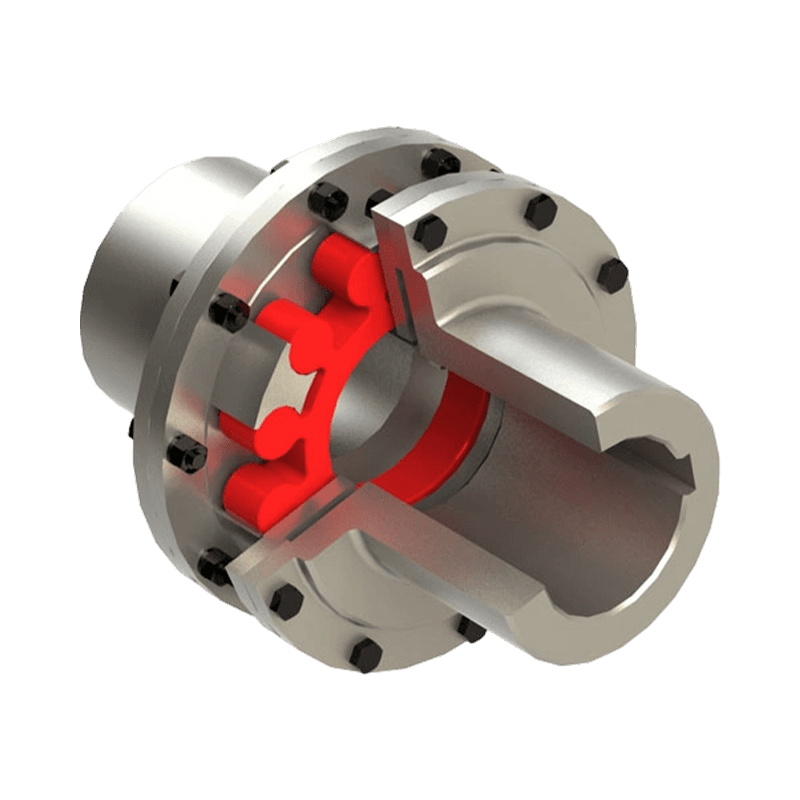
Two quotes land for the same replacement gear coupling: $1,850 from one shop and $2,600 from another. Both promise standard compliance, both quote four weeks, and the drawings look identical. The 40% gap almost never sits in the steel price. It sits in tooth geometry and heat treatment, hub bore an...
READ MORE
 Product Category
Plum/Spider Elastic Coupling Manufacturers
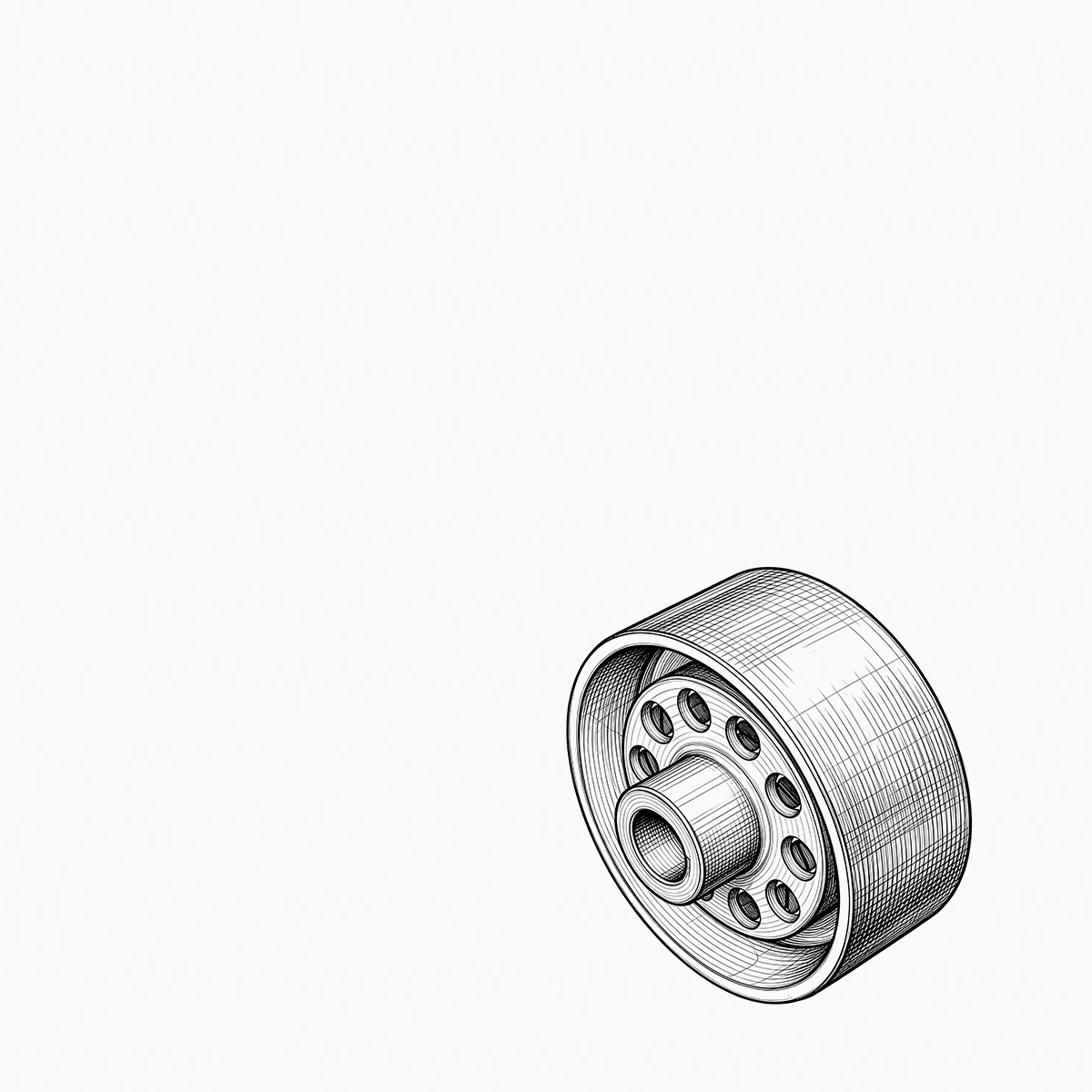
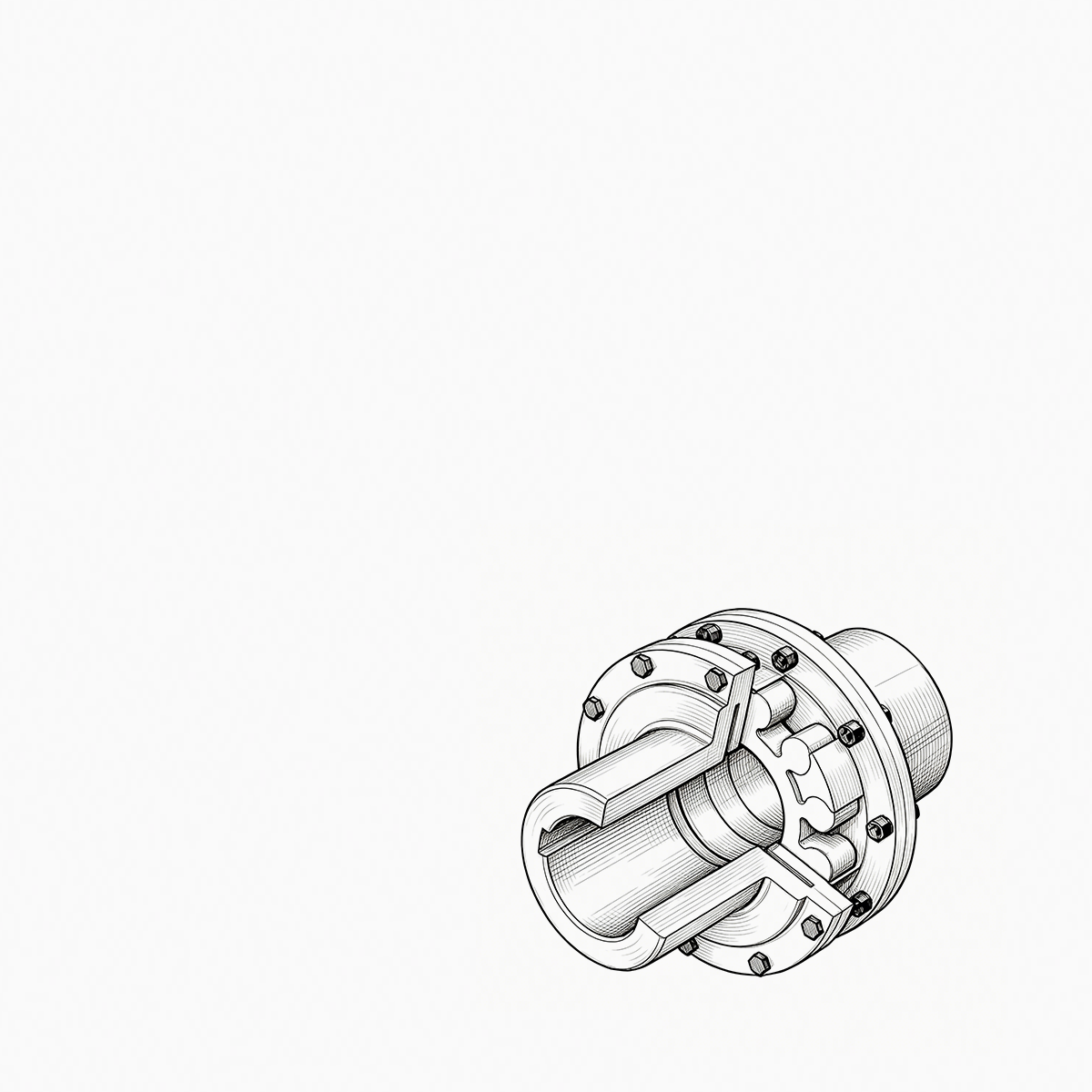
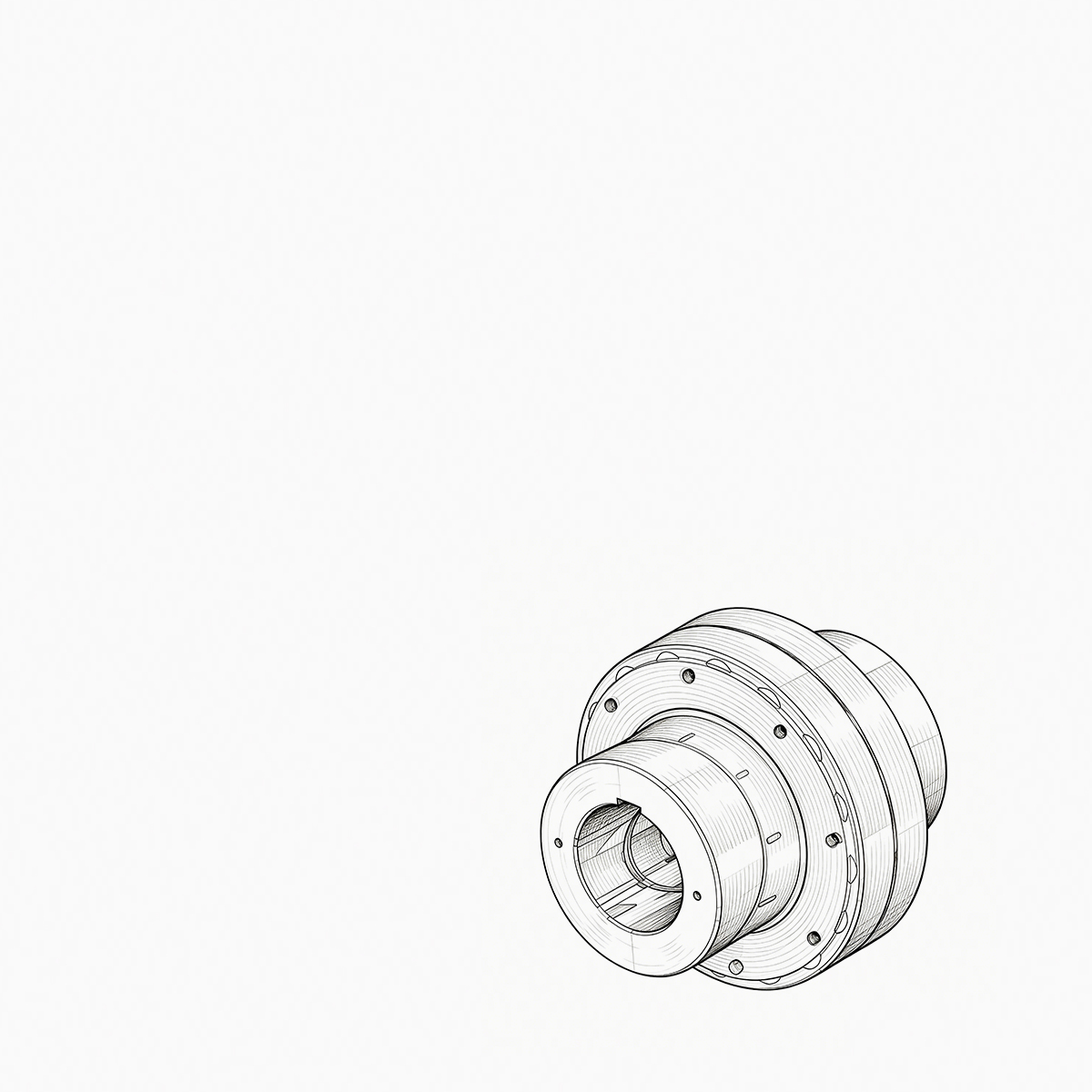
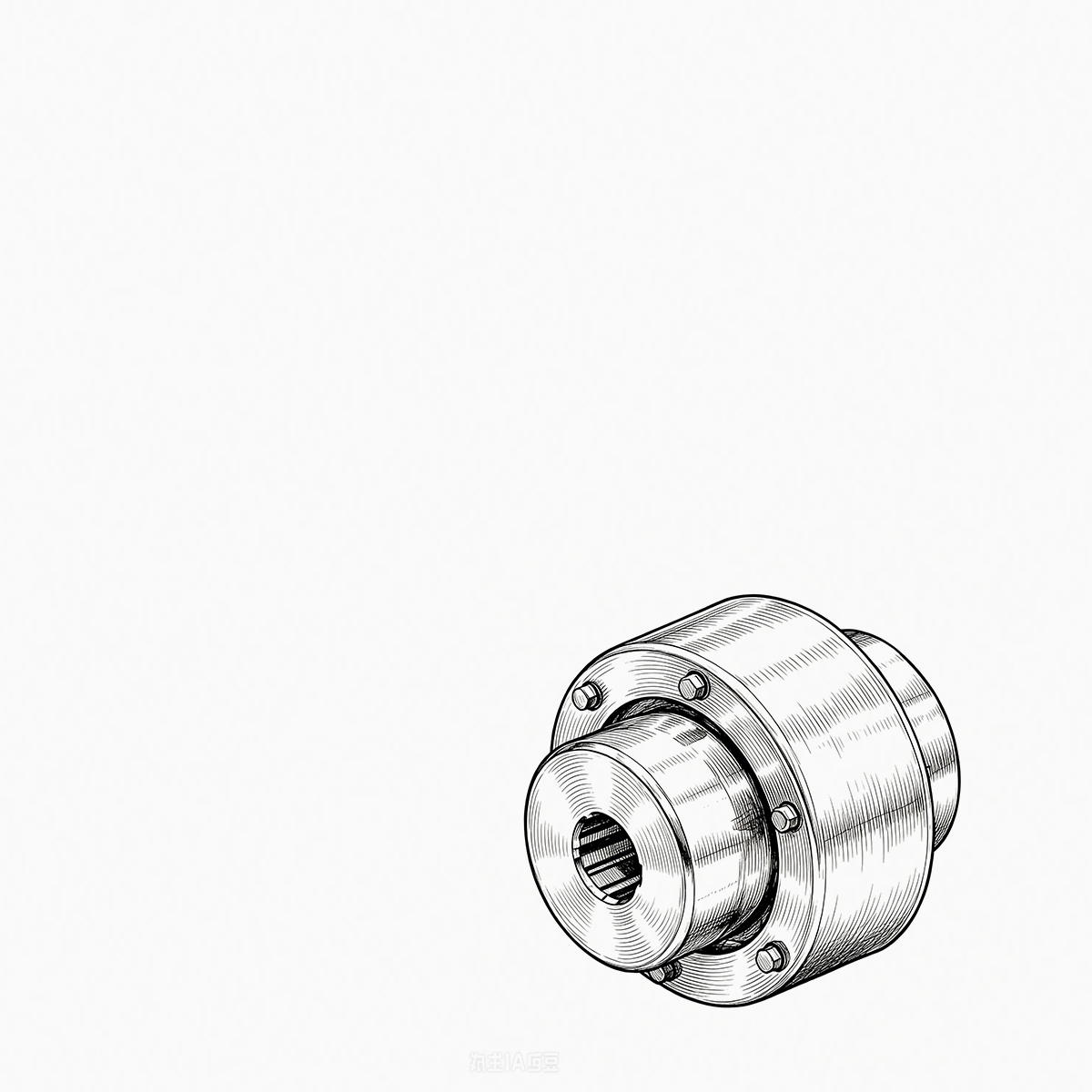
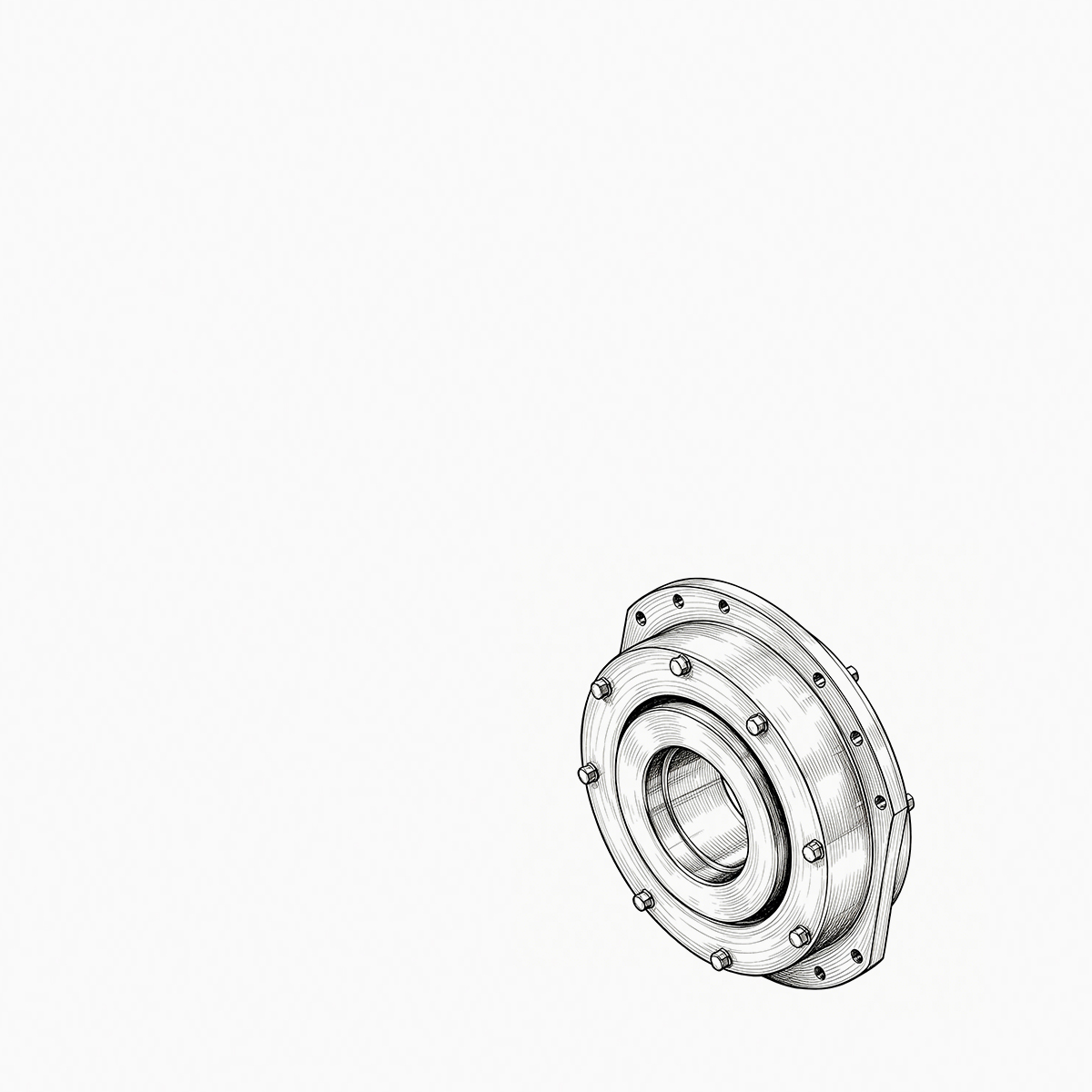
A plum elastic coupling is a well-established and widely used elastic connection component in industrial transmission systems. It is mainly applied to connect electric motors with various driven units, providing torque transmission while simultaneously buffering shock loads, absorbing vibration, and compensating for shaft misalignment. Owing to its compact structure, smooth operation, and relatively easy installation and maintenance, the plum elastic coupling occupies an important position in machine tools, automated production lines, construction machinery, new energy equipment, and general mechanical systems. It is particularly suitable for applications where high requirements are placed on transmission smoothness and overall system reliability.
From a structural perspective, a plum elastic coupling consists of two metallic hub halves and an elastic plum-shaped insert positioned between them. The metal jaws are responsible for transmitting input and output torque, while the elastic element compensates for radial, angular, and axial displacement through its controlled deformation. When impact loads occur during equipment start-up, braking, or load fluctuations, the elastic insert provides effective cushioning and vibration damping, significantly reducing the instantaneous load transmitted to the motor and drivetrain components. This contributes to improved operational stability and extended service life of the entire transmission system. In addition, the non-metallic elastic element offers a certain level of noise reduction, helping to improve the working environment.
In practical engineering applications, plum elastic couplings have developed into a diversified range of models to meet varying requirements for connection methods, elastic element hardness, structural dimensions, and rated torque. Some models feature compact and standardized designs, making them suitable for space-constrained equipment with relatively stable loads; others are enhanced in terms of load capacity, compensation range, or connection structure to accommodate moderate loads and certain impact conditions. This multi-level product configuration enables plum elastic couplings to serve both as flexible connections for precision equipment and as reliable components for continuous operation in general industrial machinery.
Company

Zhenjiang Orienthold Machinery Co., Ltd.
Zhenjiang Orienthold Machinery Co., Ltd. is China Plum Elastic Coupling Manufacturers and OEM/ODM Spider Elastic Coupling Suppliers, We are a medium-sized enterprise specialized in the production of couplings and papermak-ing machinery, integrating design, production and service.
Boasting strong technical strength, advanced equipment and comprehensive testing methods, our products are widely used in industries and equipment such as transportation, metallurgy, chemical engineering, mining, construction and hoisting, and are supplied to various large-scale enterprises all year round.
Equipped with a strict quality supervision system as well as complete inspection and testing instruments and equipment, our products fully comply with national standards. In particular, the production technology and quality of our papermaking machinery have reached international levels. Our products have won wide praise in the market and gained high recognition from customers.
News
-
-
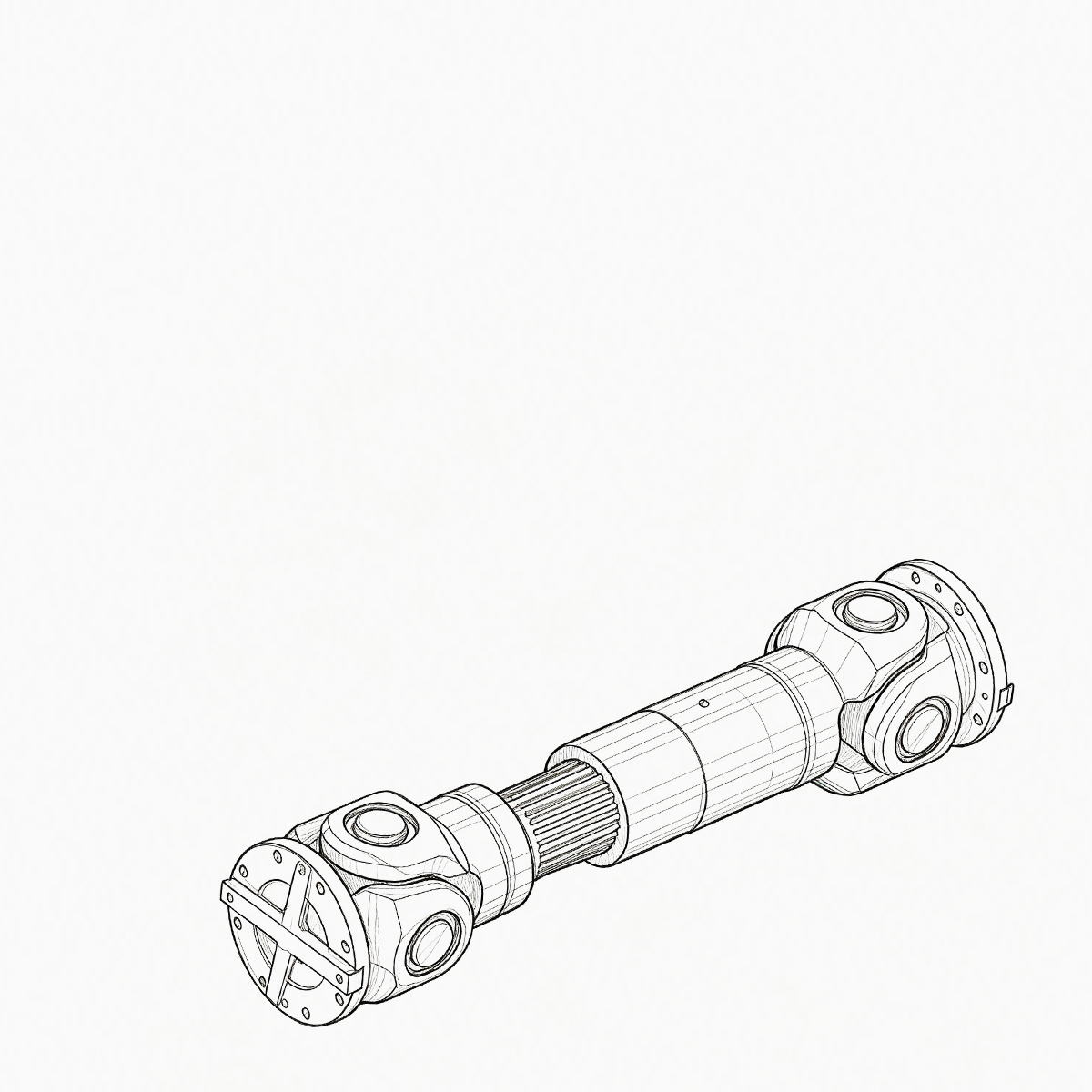
Consider a 250 kW crane hoist that begins to vibrate only when the load is lifted. The drum gear coupling is inspected after a few months and the tooth wear is concentrated on one flank. The common diagnosis is not a single defective component; it is a mismatch between the catalogue torque, the act...
READ MORE -
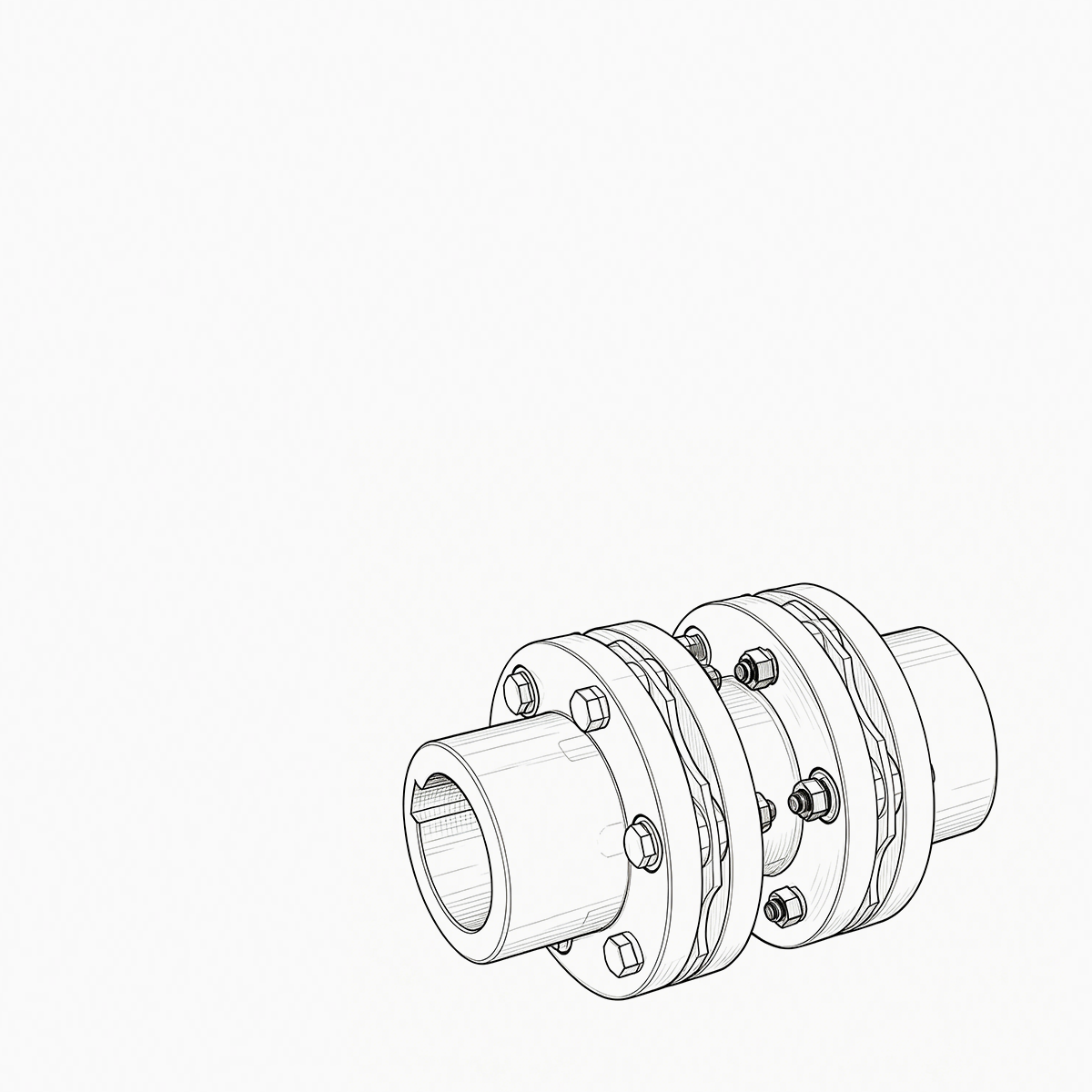
A maintenance engineer pulls a failed coupling from a pump drive. The elastomer sleeves are cracked, the pin bolts are scored, and the hub bore shows the tell-tale fretting marks of a poor fit. For most medium-duty industrial drives, the replacement is not an exotic engineering exercise: an elastic...
READ MORE
Message Feedback
Plum Elastic Coupling Industry knowledge
Structural and Operational Differences Between Plum Elastic Couplings and Standard Elastic Couplings
Structural Design and Load Distribution Mechanics
The structural geometry of an elastic coupling directly dictates how mechanical power is transmitted across rotating shafts while buffering against operational shock and vibration. A plum elastic coupling, commonly classified as a jaw-type flexible coupling, incorporates two metallic hubs featuring intermeshing jaw claws. These claws engage axially into a multi-lobed elastic spider shaped like a plum blossom. Mechanical torque is transmitted primarily through surface compression applied directly across the elastomeric spider lobes. Zhenjiang Orienthold Machinery Co., Ltd. manufactures these flexible couplings to support continuous power transmission across demanding industrial equipment, including paper machinery, mining conveyors, and metallurgical processing systems.
Standard elastic couplings, such as pin-and-sleeve elastic couplings or elastic block couplings, employ distinct mechanical arrangements to transfer rotational energy. Standard elastic pin couplings utilize cylindrical steel pins wrapped in elastomeric sleeves, which are inserted into matching bore holes on the opposing hub flange. Load transmission in these traditional pin models depends on shear and bending forces acting along the pins and sleeves rather than pure volumetric compression. This geometric distinction alters stress concentration within the elastic inserts. The plum spider distributes drive forces over the surface area of its flexible lobes, whereas standard elastic pin sleeves experience localized line shear along the pin contact interface.
| Design Feature | Plum Elastic Coupling | Standard Elastic Pin Coupling |
| Flexible Element Geometry | Multi-lobed central spider (plum star) | Cylindrical sleeves or ring buffers |
| Dominant Force Mechanism | Direct surface compression of spider lobes | Shear and bending stress on pin sleeves |
| Hub Connection Profile | Alternating jaw claws meshed axially | Flange pin inserts penetrating opposing holes |
| Electrical Insulation Capability | Complete isolation via non-metallic spider | Partial isolation depending on sleeve coverage |
Elastomeric Material Behavior and Vibration Damping
The central elastomeric insert serves as the primary damping component between driving motors and driven machinery. In a plum elastic coupling, the spider element is molded from synthetic polymers such as polyurethane, nitrile rubber, or cast nylon with Shore hardness ratings typically ranging between 80 Shore A and 98 Shore D. Under dynamic rotational loads, the flexible lobes compress predictably, absorbing torsional vibration peaks, startup shocks, and torque fluctuations. Because the elastomeric spider operates under compression, the material maintains stable spring characteristics and predictable damping behavior across variable operating speeds.
Standard elastic couplings often utilize rubber bushes, fabric-laminated rubber disks, or independent elastomeric rings fitted over steel pins. While these standard elements absorb low-frequency vibrations, their damping capability is influenced by the bending deflection of the internal pins. Under high starting torques or frequent directional reversals, localized shear stress on standard pin sleeves generates thermal buildup within the rubber compound, accelerating material degradation over extended duty cycles. The plum spider structure dissipates thermal energy across a broader material volume, preserving mechanical integrity during continuous operation in transportation, hoisting, and chemical engineering installations.
Misalignment Accommodation and Bearing Load Behavior
Shaft deviations in industrial drivetrains manifest as angular tilt, parallel radial displacement, or axial shaft float. A plum elastic coupling manages combined shaft misalignment through the elastic yield of its central spider lobes. When angular or radial misalignment exists, the metallic jaw claws compress the spider lobes unevenly, allowing the flexible insert to buffer shaft offsets without generating excessive radial reaction forces on supporting shaft bearings. However, because the metallic jaws are physically constrained by their intermeshing layout, total misalignment capacity remains moderate compared to metallic disk couplings.
Standard elastic couplings, particularly pin-and-sleeve variants, accommodate misalignment through a combination of sleeve deformation and sliding clearance within the flange bores. While this structure permits axial thermal expansion and minor angular shifts, significant radial displacement causes severe edge loading on the elastomeric sleeves, resulting in uneven wear patterns. Orienthold integrates rigid testing methods during production to verify that both plum-shaped and standard elastic couplings meet precise alignment tolerances required for steady operation in paper mill drives, industrial pumps, and material handling systems.
| Performance Parameter | Plum Elastic Coupling | Standard Elastic Coupling |
| Angular Misalignment Capacity | Typically 1.0 to 1.5 degrees | Typically up to 1.0 degree |
| Parallel Radial Compensation | Moderate capacity governed by spider compression | Limited capacity subject to sleeve edge wear |
| Axial Movement Range | Restricted by jaw meshing depth | Permits sliding along the pin longitudinal axis |
| Torsional Stiffness Adjustment | Modified by selecting alternative spider shore hardness | Modified by altering pin count or rubber durometer |
Industrial Application Suitability and Operational Limits
Selecting between a plum elastic coupling and a standard elastic coupling depends on specific machinery requirements, spatial constraints, and environmental factors. Plum elastic couplings are widely chosen for compact drive layouts requiring low rotational inertia and complete electrical isolation between connected shafts. In papermaking machinery, plum couplings drive auxiliary rollers, chemical dosing pumps, and agitation units where installation space is restricted and electrical isolation prevents stray current damage. In chemical engineering and conveyor transport drives, the non-conductive polyurethane spider protects sensitive instrumentation and bearing surfaces from electrical discharge.
Standard elastic pin couplings remain widely specified for medium to heavy power transmission in metallurgy, mining conveyors, construction machinery, and heavy hoisting systems. The steel pin construction provides high ultimate load capability and structural security under severe mechanical impacts. If the elastomeric sleeves in a standard pin coupling experience severe wear, the steel pins continue to transmit torque mechanically, preventing immediate drive disconnect in critical process machinery. Plum couplings, by contrast, rely on the spider element; complete degradation of the elastomeric spider results in jaw contact or disengagement, providing a fail-safe mechanical break where shaft isolation is prioritized.
Maintenance Protocols and Replacement Procedures
Maintenance routines differ between the two coupling configurations due to their distinct assembly methods. Inspecting a plum elastic coupling involves evaluating the spider lobes for material hardening, cracking, or permanent set caused by ambient heat or chemical contact. In standard hub configurations, replacing a worn plum spider requires moving one connected machine hub axially to provide clearance for spider removal. However, specialized split-hub or spacer plum coupling designs allow quick spider replacement without disturbing shaft alignment, reducing maintenance downtime on continuous production lines.
Standard elastic pin couplings allow technicians to inspect and replace individual elastic sleeves directly from the outer face of the flange. Maintenance personnel can unbolt retaining fasteners and slide worn sleeves off the steel pins without moving connected equipment or unbolting the primary hubs. Orienthold provides complete technical service, advanced equipment manufacturing, and standardized replacement parts to ensure both plum elastic couplings and standard flexible couplings deliver reliable service life across large-scale industrial enterprises.
FAQ
Q: How do Orienthold plum elastic couplings dampen vibrations and impact loads in heavy mining and metallurgy machinery?
A: Orienthold plum elastic couplings feature an elastomeric spider positioned between high-strength metallic jaws. Under dynamic torque spikes and heavy vibrations, the flexible spider lobes compress symmetrically to absorb shock energy and reduce vibration transmission, protecting connected motor and gearbox components in mining and metallurgical applications.
Q: In what ways do plum elastic couplings help maintain clean operation in papermaking production lines?
A: Unlike gear couplings that require continuous grease or oil lubrication, plum elastic couplings operate entirely lubricant-free. This non-lubricated design eliminates the risk of oil splatter or chemical contamination on paper webs and machinery rollers, making them well suited for papermaking equipment.
Q: How does selecting different spider hardness levels affect the performance of Orienthold plum elastic couplings in chemical processing equipment?
A: Orienthold offers elastomeric spiders in various Shore hardness ratings and specialized chemical-resistant polymers. Selecting a softer spider provides higher dampening and misalignment tolerance, while a harder spider increases torsional stiffness and torque capacity for chemical pumps and agitators operating under demanding environmental conditions.
Q: How do Orienthold plum elastic couplings accommodate shaft misalignments in hoisting and transportation systems?
A: The elastomeric spider lobes flex elastically under angular, parallel, and axial shaft displacements. As shaft misalignment occurs, the metallic jaw teeth compress the flexible spider, which deforms slightly to buffer the shafts without generating heavy reaction loads on supporting bearings in crane hoists and winches.
Q: Can Orienthold provide custom hub bores and spacer options for non-standard drive connections in construction machinery?
A: Yes. Integrating design, production, and service, Orienthold provides custom-machined hub bores, specialized keyways, and extended spacer designs. This allows seamless integration into non-standard drive shafts and tight spatial layouts common in construction and heavy-duty machinery.
Q: What testing and quality control procedures ensure the reliability of Orienthold plum elastic couplings under continuous industrial duty?
A: Orienthold employs comprehensive testing methods throughout manufacturing, including material hardness verification, flaw detection on hubs, dimensional tolerance checks on precision jaw profiles, and dynamic balancing tests to ensure smooth operation and long service life for large-scale enterprise applications.


ABOUT US
PRODUCTS
INDUSTRIES
CONTACT US
- Phone: +86-18652865511
- Email: sales@ohmach.com
- Address: No.1, Minying Developing Zone, Zhenjiang, Jiangsu, China
Copyright Zhenjiang Orienthold Machinery Co., Ltd. All Rights Reserved.
 Custom Plum/Spider Elastic Coupling Manufacturers