 English
 русский
 Português
 عربى
عربى
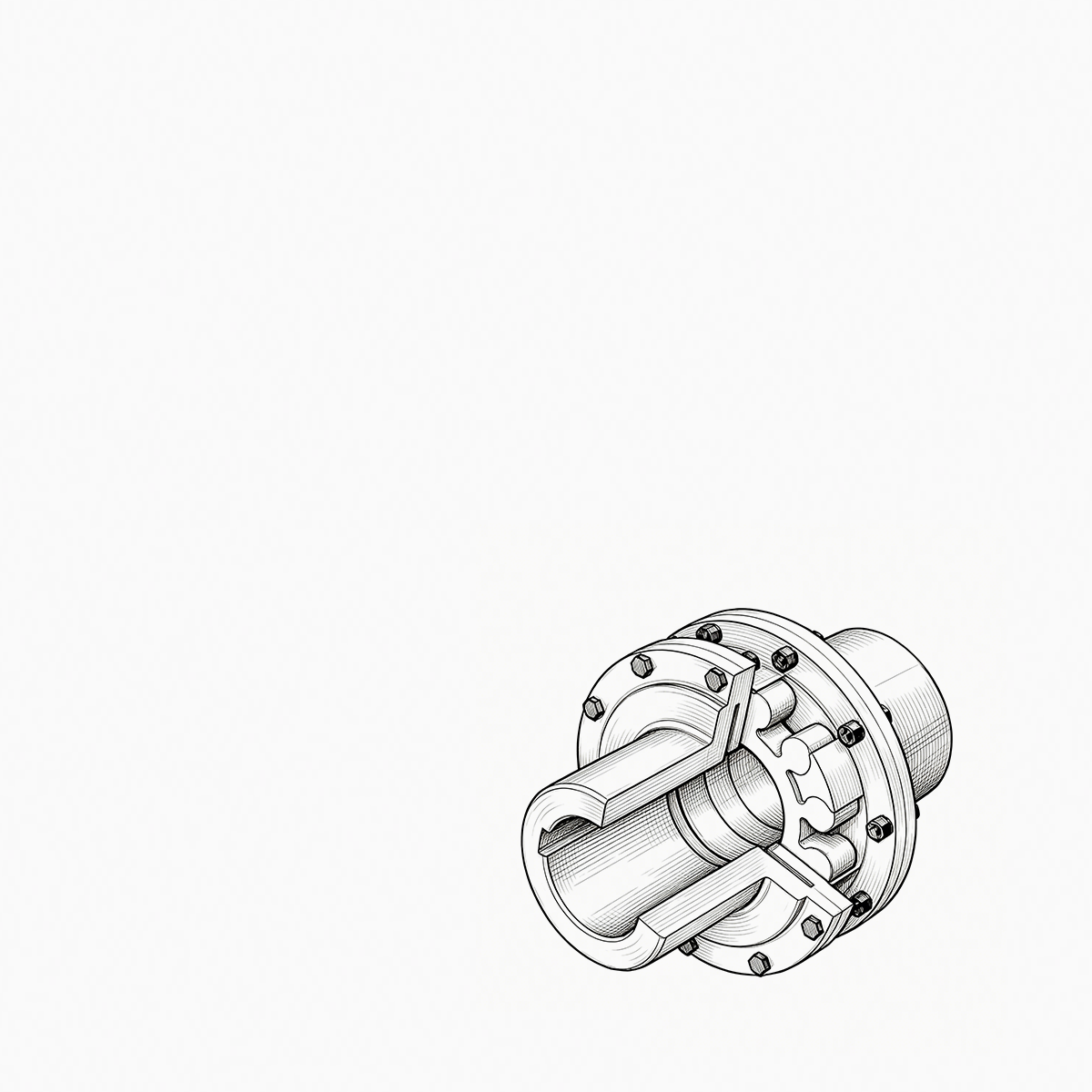
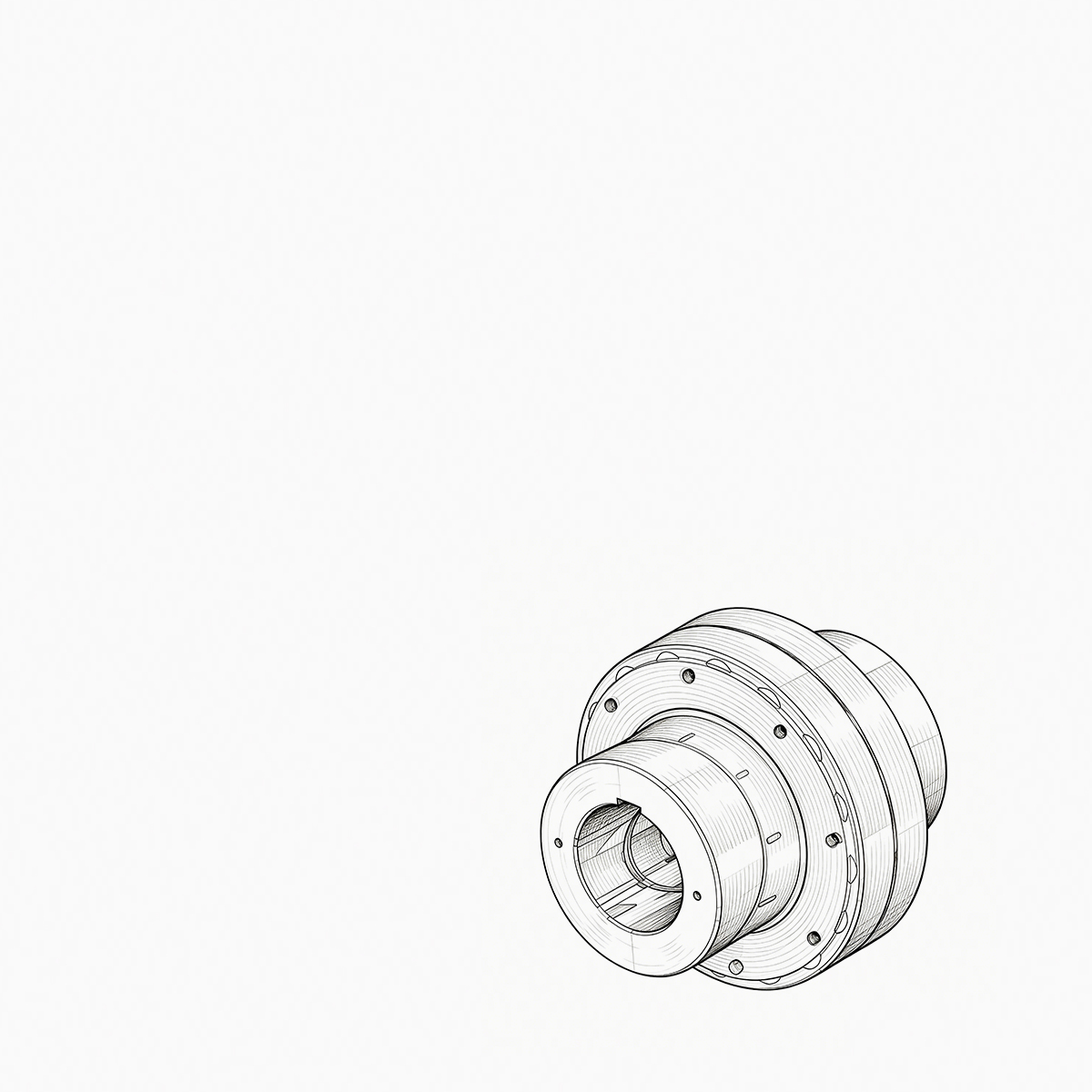
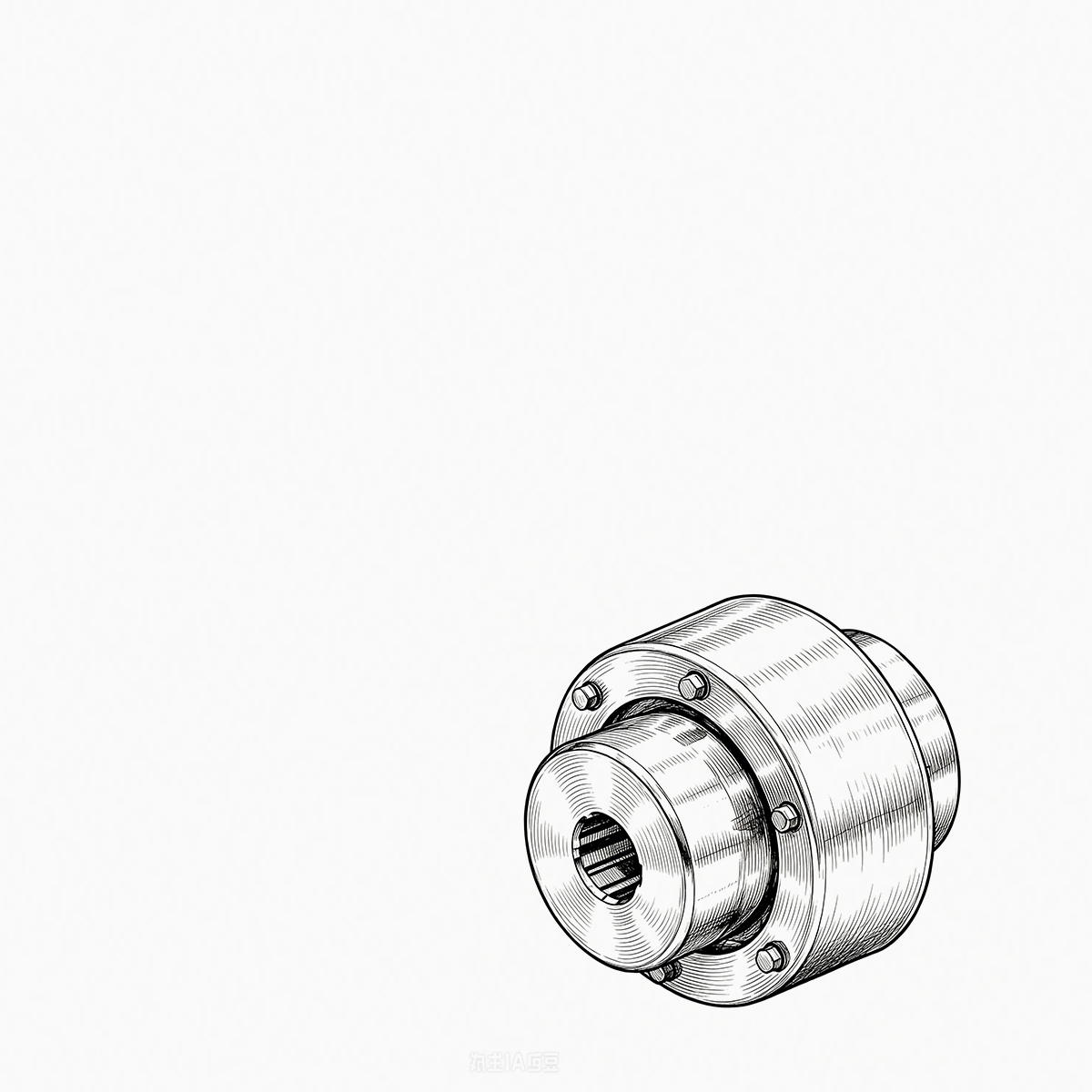
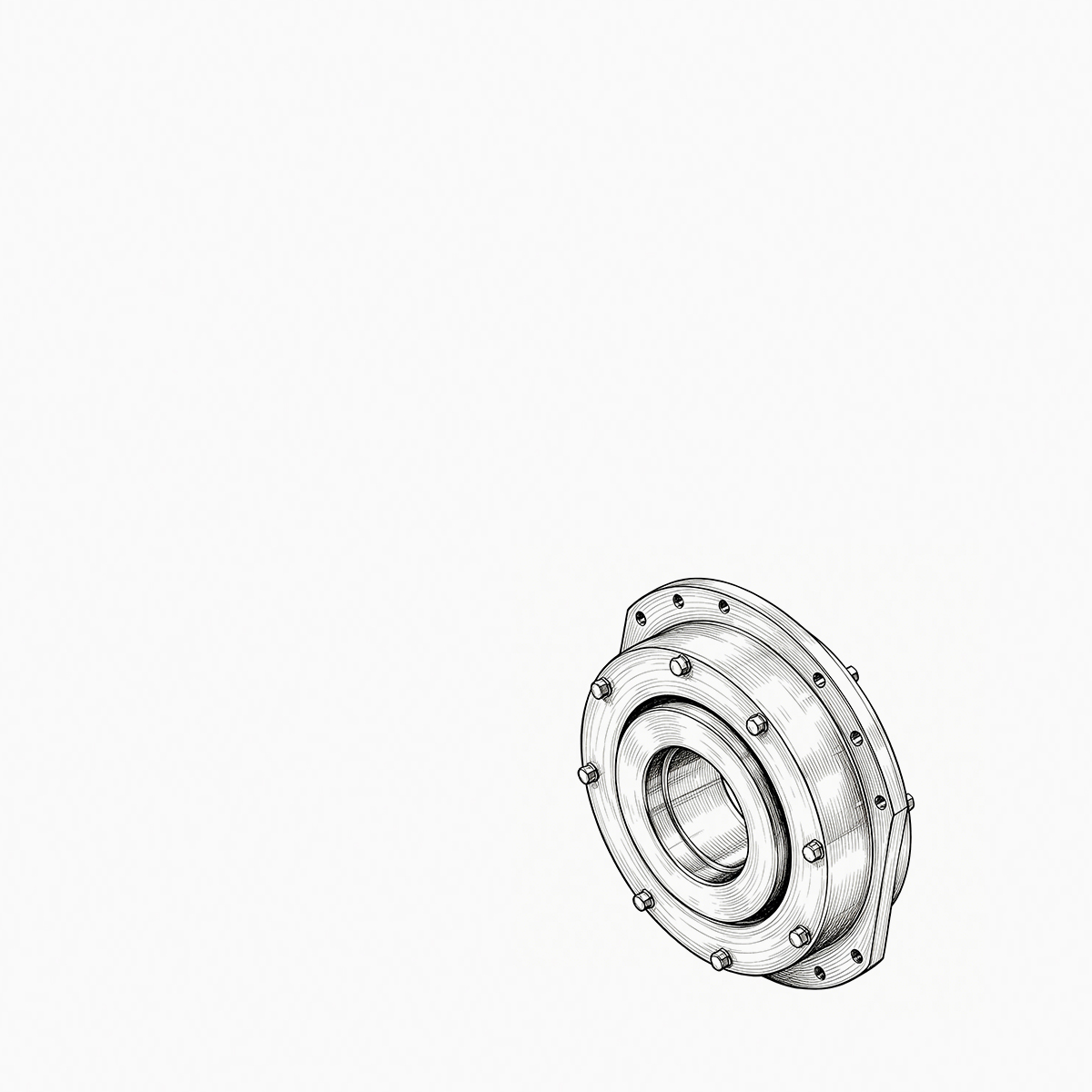
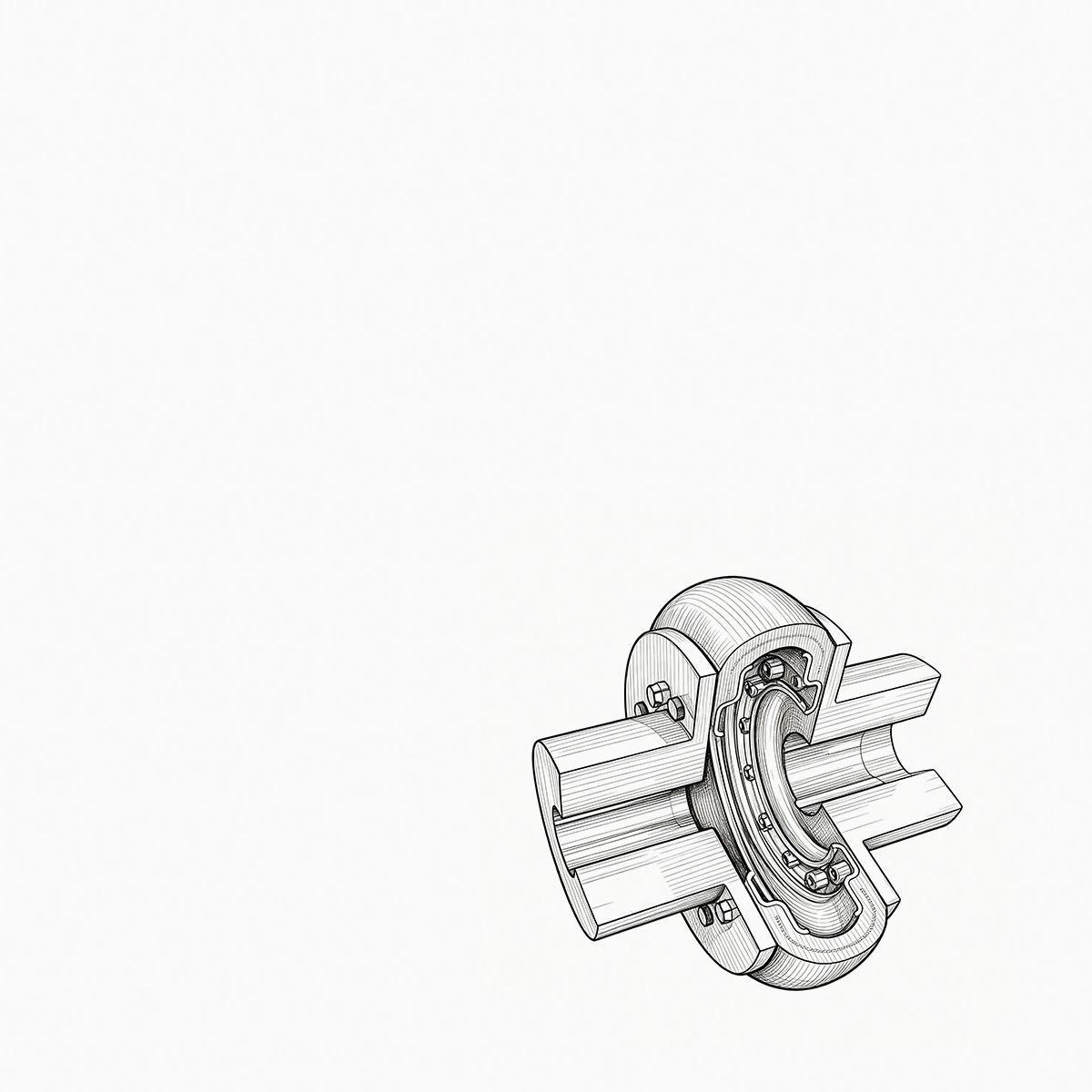
Two quotes land for the same replacement gear coupling: $1,850 from one shop and $2,600 from another. Both promise standard compliance, both quote four weeks, and the drawings look identical. The 40% gap almost never sits in the steel price. It sits in tooth geometry and heat treatment, hub bore an...
READ MORE
 Product Category
Diaphragm Coupling Suppliers
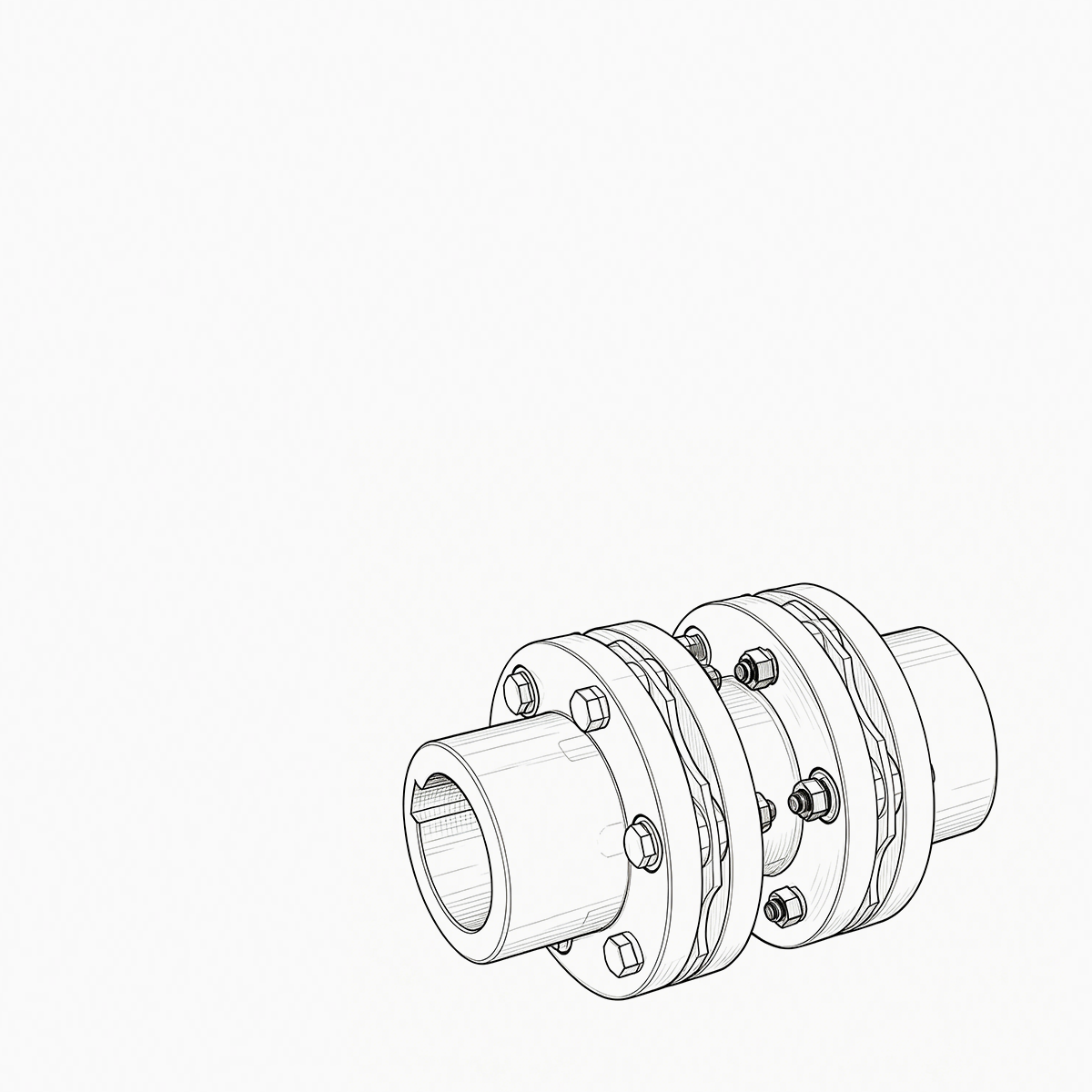
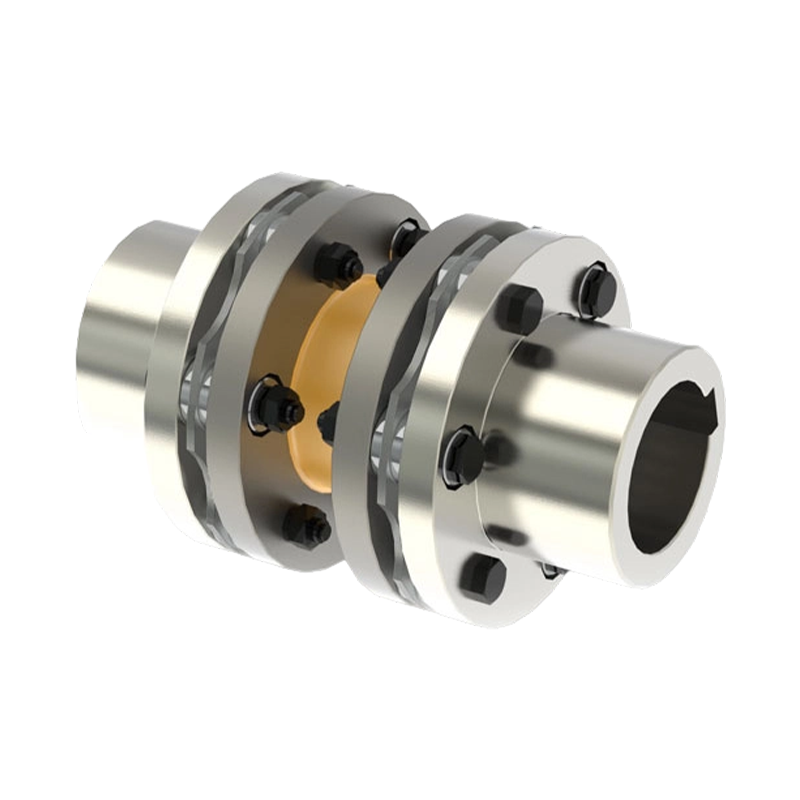
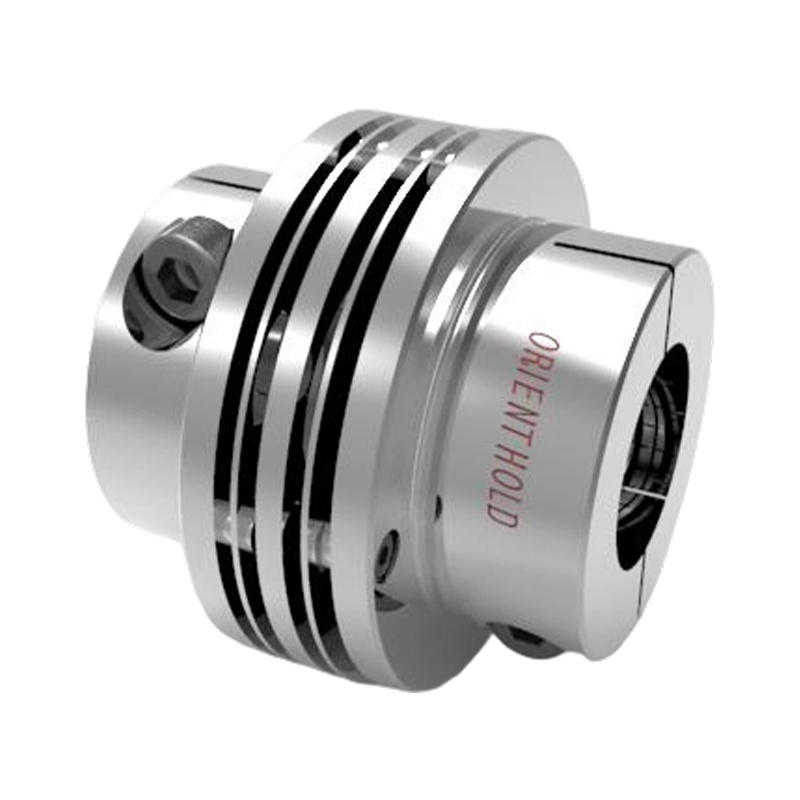
A diaphragm coupling is a high-performance flexible coupling that uses a metal diaphragm as its core elastic element. It is mainly used to connect two shaft systems and achieve torque transmission while compensating for axial, angular, and radial displacements. Its key characteristic lies in the elastic deformation of the metal diaphragm during torsion, which absorbs the relative displacement of the shaft system caused by installation errors, thermal expansion, or operational vibration, thereby preventing impact loads from being directly transmitted to critical components such as motors and gear reducers. Compared with traditional gear couplings or rigid couplings, diaphragm couplings require no lubrication and have no gear surface wear issues. They offer high transmission efficiency and longer service life, making them particularly suitable for transmission systems under harsh conditions such as high temperature, high speed, and corrosive environments.
Diaphragm couplings are compact in structure, lightweight, and have high torque carrying capacity, making them especially suitable for applications requiring precise positioning or being sensitive to rotational backlash. Because they use metal diaphragms as flexible elements, they can maintain stable elastic properties over a wide temperature range, and are therefore widely used in industries such as metallurgy, chemical, power generation, marine, compressors, and fans. Diaphragm couplings are usually divided into multiple series and models to adapt to different transmission distances, shaft diameter combinations, and installation space requirements. Among them, the JMI, JMIJ, JMII, and JMIIJ series cover a wide range of application scenarios from short-distance precision transmission to long-distance heavy-duty transmission through differentiated design in diaphragm structure form, connection method, installation length, and other aspects, providing flexible and reliable selection solutions for industrial transmission systems.
Company
Zhenjiang Orienthold Machinery Co., Ltd.
Zhenjiang Orienthold Machinery Co., Ltd. is China Diaphragm Coupling Manufacturers and OEM/ODM Diaphragm Coupling Suppliers, We are a medium-sized enterprise specialized in the production of couplings and papermak-ing machinery, integrating design, production and service.
Boasting strong technical strength, advanced equipment and comprehensive testing methods, our products are widely used in industries and equipment such as transportation, metallurgy, chemical engineering, mining, construction and hoisting, and are supplied to various large-scale enterprises all year round.
Equipped with a strict quality supervision system as well as complete inspection and testing instruments and equipment, our products fully comply with national standards. In particular, the production technology and quality of our papermaking machinery have reached international levels. Our products have won wide praise in the market and gained high recognition from customers.
News
-
-
Consider a 250 kW crane hoist that begins to vibrate only when the load is lifted. The drum gear coupling is inspected after a few months and the tooth wear is concentrated on one flank. The common diagnosis is not a single defective component; it is a mismatch between the catalogue torque, the act...
READ MORE -
A maintenance engineer pulls a failed coupling from a pump drive. The elastomer sleeves are cracked, the pin bolts are scored, and the hub bore shows the tell-tale fretting marks of a poor fit. For most medium-duty industrial drives, the replacement is not an exotic engineering exercise: an elastic...
READ MORE
Message Feedback
Diaphragm Coupling Industry knowledge
Core Mechanical Attributes and Application Advantages of Diaphragm Couplings in Heavy Machinery
Flexibility and Misalignment Accommodation Mechanics
Diaphragm couplings transmit torque through thin, flexible metallic plates assembled into packs. These diaphragm packs bend elastically under shaft misalignments, accommodating angular, axial, and parallel displacements without relative sliding between mechanical components. Zhenjiang Orienthold Machinery Co., Ltd. designs and manufactures these power transmission components to handle continuous dynamic bending stresses in industrial machinery. The flexing action occurs strictly within the elastic deformation limit of the stainless steel or high-strength alloy material, allowing the coupling to absorb shaft movements caused by foundation settling, installation variations, and thermal growth during prolonged operation. Because compensation occurs via elastic flexure rather than sliding contact, stress distribution across the individual diaphragm blades remains consistent, reducing localized fatigue concentrations.
| Coupling Performance Criteria | Diaphragm Coupling Design | Gear Coupling Design | Elastomeric Coupling Design |
| Primary Compensation Method | Elastic bending of metal disks | Sliding contact of crowned teeth | Deformation of rubber or polyurethane |
| Lubrication Requirement | None required | Continuous grease or oil replenishment | None required |
| Operating Temperature Capability | Broad range (-80°C to +300°C) | Limited by lubricant (-20°C to +120°C) | Limited by elastomer (-40°C to +100°C) |
| Backlash Characteristics | Zero rotational backlash | Mechanical clearance backlash present | Variable compliance under reverse load |
Maintenance-Free Operation and Lubrication Elimination
A primary operational characteristic of diaphragm couplings is the complete elimination of liquid or solid lubricants. Traditional gear couplings require periodic repacking with grease or oil baths to prevent adhesive wear between sliding tooth surfaces. In contrast, diaphragm couplings rely purely on metallic flexure, removing mechanical contact points that generate friction. This structural configuration eliminates lubricant leakage, which is critical in papermaking machinery where oil splatter can contaminate paper webs and process fluids. For chemical processing plants, mining conveyors, and industrial environments, non-lubricated couplings lower routine maintenance demands, eliminate lubricant procurement and disposal costs, and prevent environmental contamination around rotating shafts.
Zero Backlash and Torsional Stiffness in Precision Drives
High torsional rigidity coupled with zero rotational backlash makes diaphragm couplings suitable for drive systems requiring accurate angular alignment and fast dynamic response. The diaphragm element consists of multiple thin stamped disks bolted tightly to alternating hubs and spacers. This clamped metallic structure ensures that torque is transmitted directly through tension and compression across the diaphragm geometry, eliminating mechanical hysteresis or rotational play. In large-scale hoisting equipment, paper machine section drives, and metallurgy rollers, zero backlash prevents drive chatter during rotational reversals or sudden load variations. The high torsional stiffness allows drive control systems to maintain accurate velocity and position feedback, preventing torsional resonance in extended shaft arrangements.
| Industrial Sector | Typical Application Equipment | Key Operational Advantage |
| Papermaking Machinery | Drying cylinders, press rolls, felt drives | Clean, lubricant-free torque transfer and axial expansion relief |
| Metallurgy and Mining | Rolling mill drives, heavy conveyors, crushers | Consistent torque capacity and resistance to mechanical shock |
| Chemical Engineering | Process pumps, centrifugal compressors, agitators | Corrosion resistance and continuous high-temperature duty |
| Transportation and Hoisting | Crane hoist drives, winch systems, marine drives | Zero angular backlash and high structural reliability |
Thermal and Environmental Resistance in Harsh Processing
Industrial operations in sectors such as metallurgy, chemical engineering, and mining subject power transmission components to elevated ambient temperatures, chemical vapors, and high moisture levels. Diaphragm couplings constructed from high-strength stainless steel alloys or coated spring steels maintain their mechanical properties under thermal extremes that degrade rubber, polyurethane, or composite elements. The metallic construction resists chemical corrosion, oxidation, and ultraviolet exposure, preventing material swelling or embrittlement over time. Zhenjiang Orienthold Machinery Co., Ltd. incorporates precise material selection and surface protection into the production process, enabling couplings to operate steadily near industrial furnaces, chemical reactors, and outdoor hoisting structures where environmental exposure is continuous.
High-Speed Capability and Dynamic Balance Retention
The symmetrical geometry and precise manufacturing tolerances of diaphragm couplings enable stable rotational performance at high operating speeds. Because there are no sliding parts that shift position during rotation, the dynamic balance of the coupling remains stable over its entire operational lifespan. This characteristic is valuable for high-speed turbomachinery, centrifugal compressors, and paper machine drives where unbalance forces increase proportionally with the square of rotational velocity. Precision machining of hub bores, spacer tubes, and diaphragm bolt locations prevents eccentric weight distribution, reducing dynamic vibration loads transmitted to connected bearings and mechanical seals. Stable dynamic balance contributes to extended bearing lifespan and minimizes structural fatigue across connected machinery frames.
Structural Reliability and Predictable Fatigue Behavior
Metallic diaphragms operate under defined fatigue limits established by material stress-life properties. Because flexing stress is distributed predictably across the profiled surface of the diaphragm disks, engineers can calculate operational lifespan based on applied torque, rotational speed, and misalignment angles. In contrast to elastomeric components that suffer from age-related degradation and environmental weathering, metallic diaphragms maintain consistent spring rates throughout their service life. Periodic visual inspection of diaphragm packs during scheduled plant maintenance allows technicians to detect surface conditions prior to component failure. This predictable fatigue behavior enables plant operators in transportation, construction, and heavy manufacturing to establish effective preventive maintenance schedules, reducing the risk of unplanned equipment stoppages.
FAQ
Q: How do Orienthold diaphragm couplings accommodate the thermal expansion generated by papermaking drying cylinders?
A: Thermal expansion in papermaking machinery can create substantial axial growth along drive shafts. Orienthold diaphragm couplings flex elastically along the longitudinal axis of their stainless steel disk packs, absorbing this axial displacement without causing relative sliding or transferring heavy thrust loads to connected bearings.
Q: What features make diaphragm couplings preferable over lubricated alternatives in chemical engineering facilities?
A: Diaphragm couplings operate purely through metallic flexure and require no lubrication. In chemical plants, this eliminates lubricant leakage, reduces fire hazards, and avoids chemical degradation of greases, ensuring clean and low-maintenance operation under corrosive or high-temperature conditions.
Q: How does Orienthold ensure the dynamic balance of diaphragm couplings used in high-speed turbine and pump applications?
A: Leveraging advanced machining equipment and comprehensive testing methods, Orienthold manufactures diaphragm components with high rotational symmetry and tight tolerance limits. Each assembly undergoes dynamic balancing tests to prevent eccentric mass distribution, minimizing vibration and extending seal and bearing life at elevated speeds.
Q: Can Orienthold customize diaphragm coupling configurations for non-standard hoisting and mining equipment?
A: Yes. Integrating design, production, and service, Orienthold tailors spacer lengths, hub connection profiles, and diaphragm pack thickness to match specific torque demands and shaft dimensions in heavy-duty mining, construction, and hoisting machinery.
Q: Why does zero backlash in diaphragm couplings benefit precise section drives in large-scale paper production lines?
A: Diaphragm couplings transmit torque through tightly clamped metallic disk packs, completely eliminating mechanical play or backlash. This zero-backlash design allows drive systems to maintain exact velocity matching and position control across paper machine sections, reducing web breaks and production defects.
Q: What quality inspection processes are used to verify the fatigue resistance of Orienthold diaphragm packs?
A: To meet the continuous operation standards of large-scale enterprises, Orienthold subjects diaphragm materials to rigorous non-destructive testing (NDT), precise dimensional profiling, and fatigue limit analysis. This ensures the metallic plates endure millions of flex cycles without crack initiation or structural failure.


ABOUT US
PRODUCTS
INDUSTRIES
CONTACT US
- Phone: +86-18652865511
- Email: sales@ohmach.com
- Address: No.1, Minying Developing Zone, Zhenjiang, Jiangsu, China
Copyright Zhenjiang Orienthold Machinery Co., Ltd. All Rights Reserved.
 Custom Diaphragm Coupling Suppliers