 English
 русский
 Português
 عربى
عربى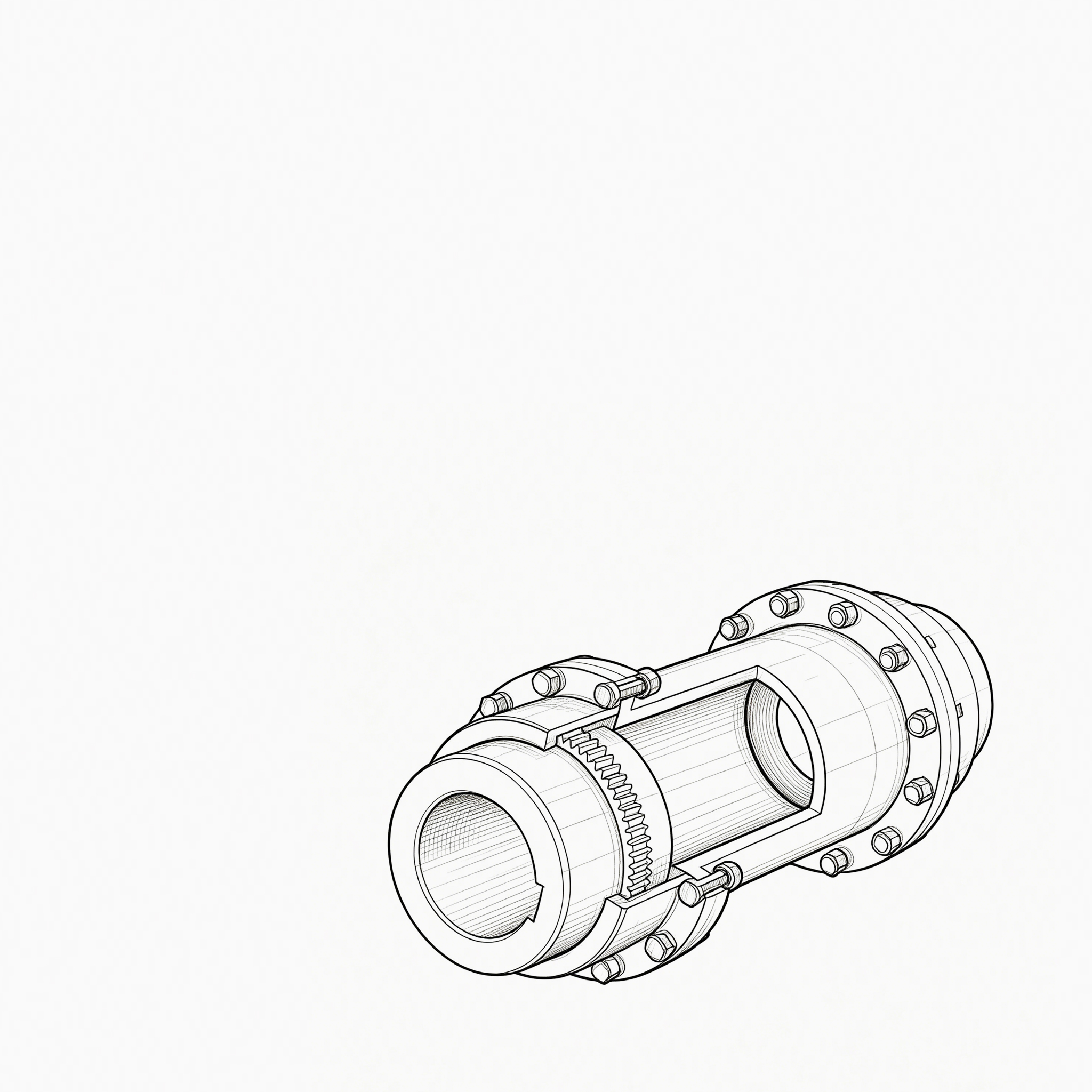
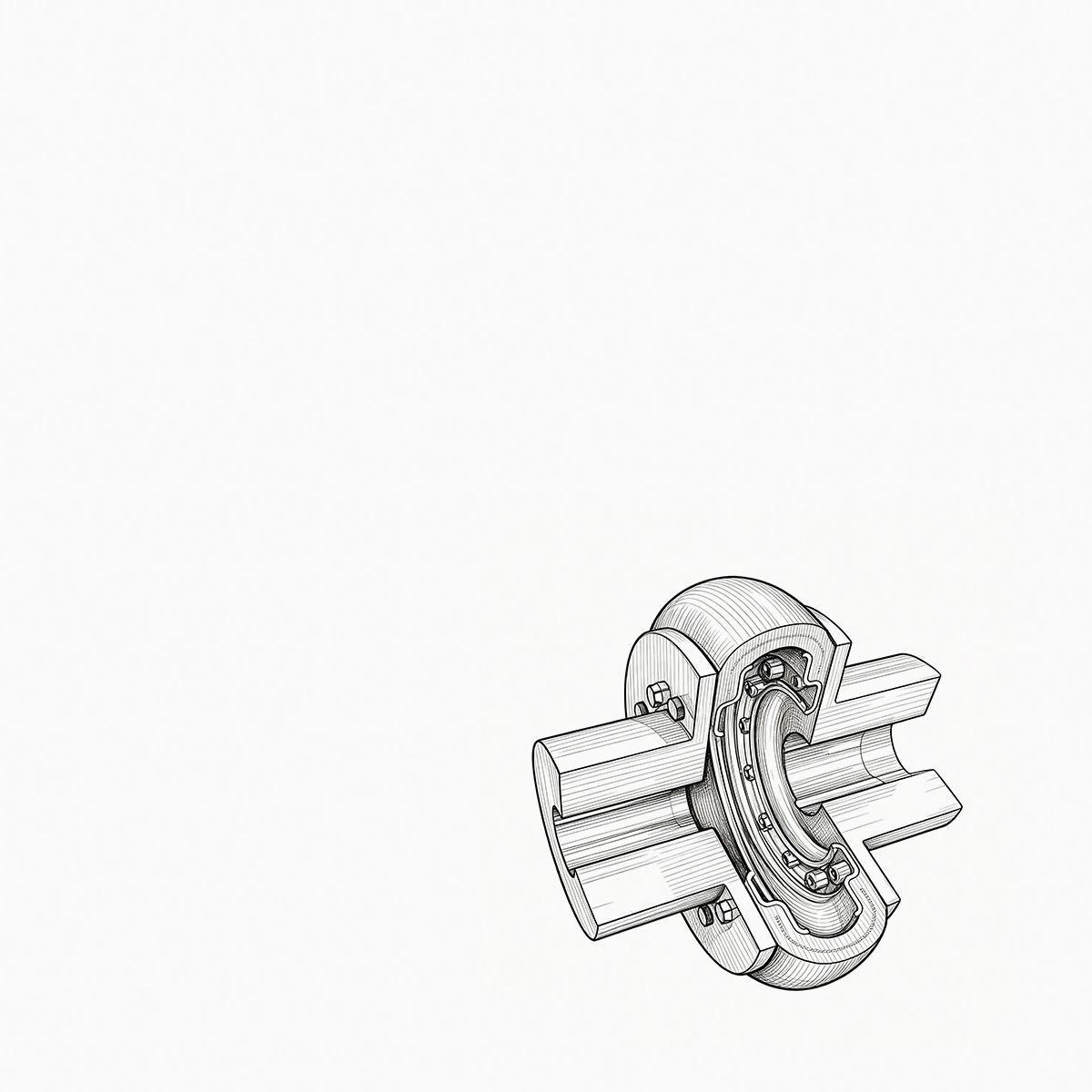
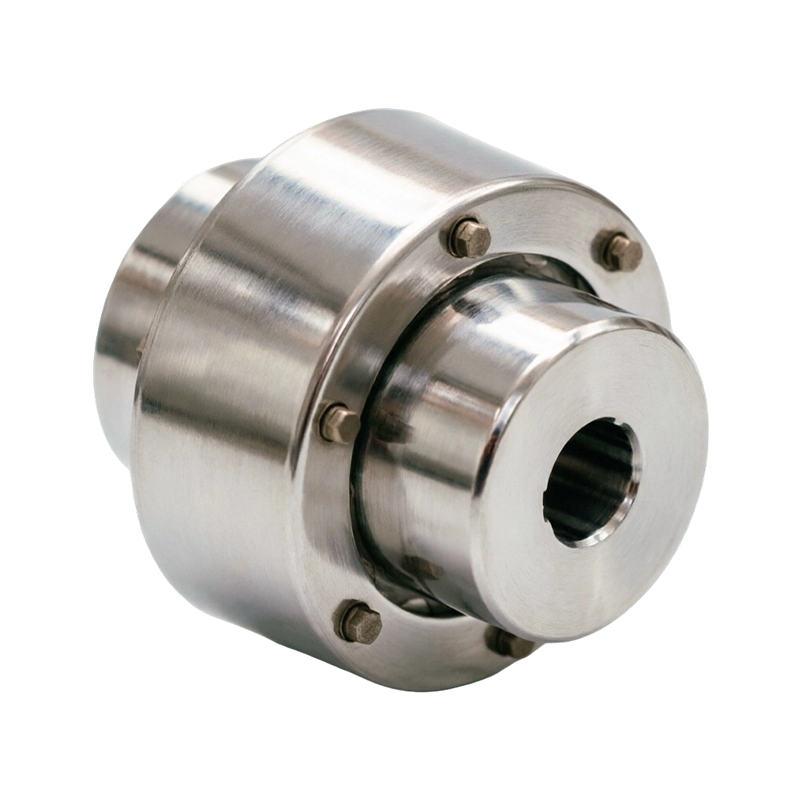
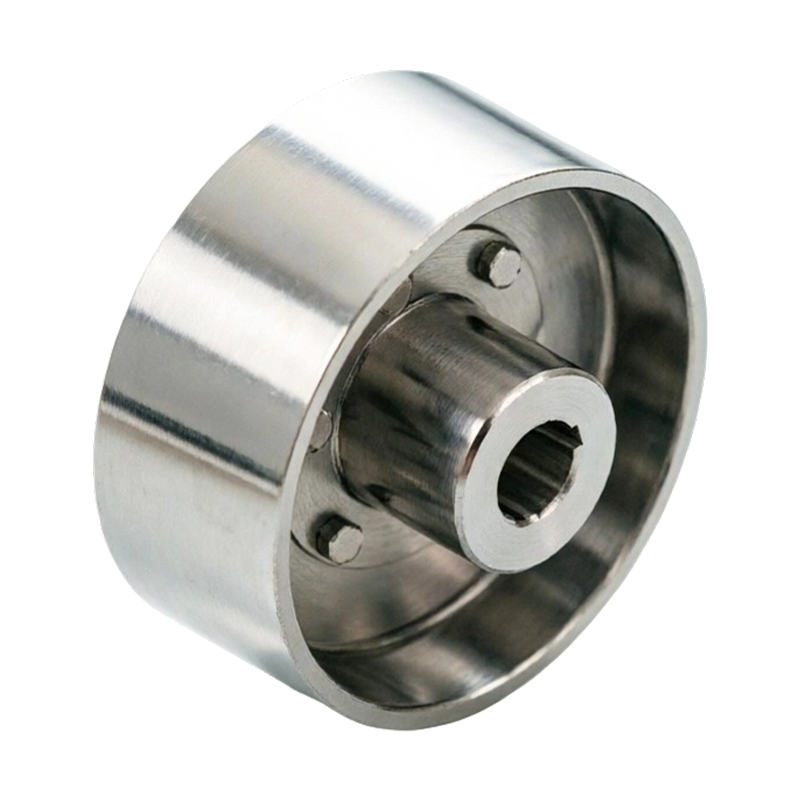
Two quotes land for the same replacement gear coupling: $1,850 from one shop and $2,600 from another. Both promise standard compliance, both quote four weeks, and the drawings look identical. The 40% gap almost never sits in the steel price. It sits in tooth geometry and heat treatment, hub bore an...
READ MORE
 Product Category
Elastomeric Pin Gear Coupling Suppliers
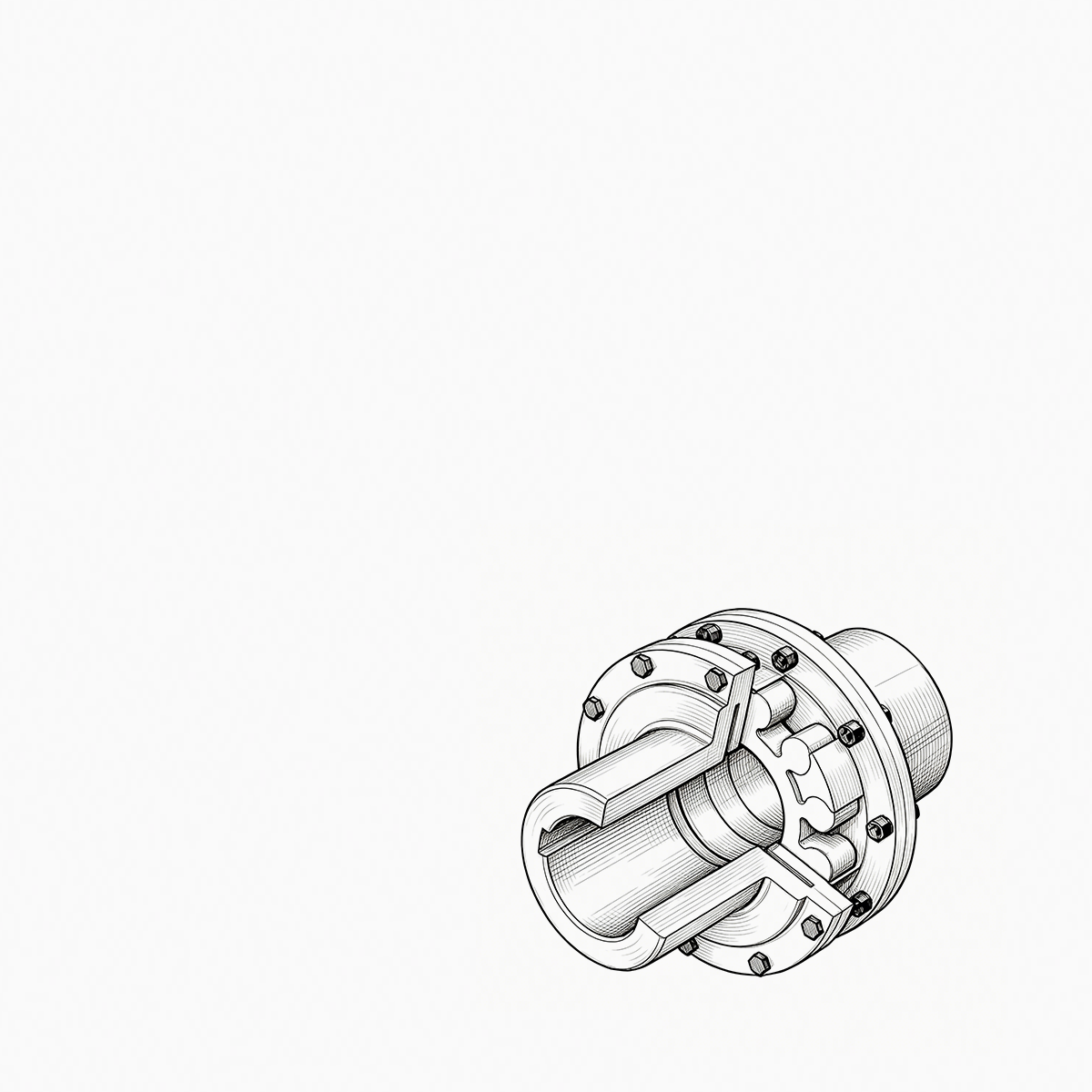
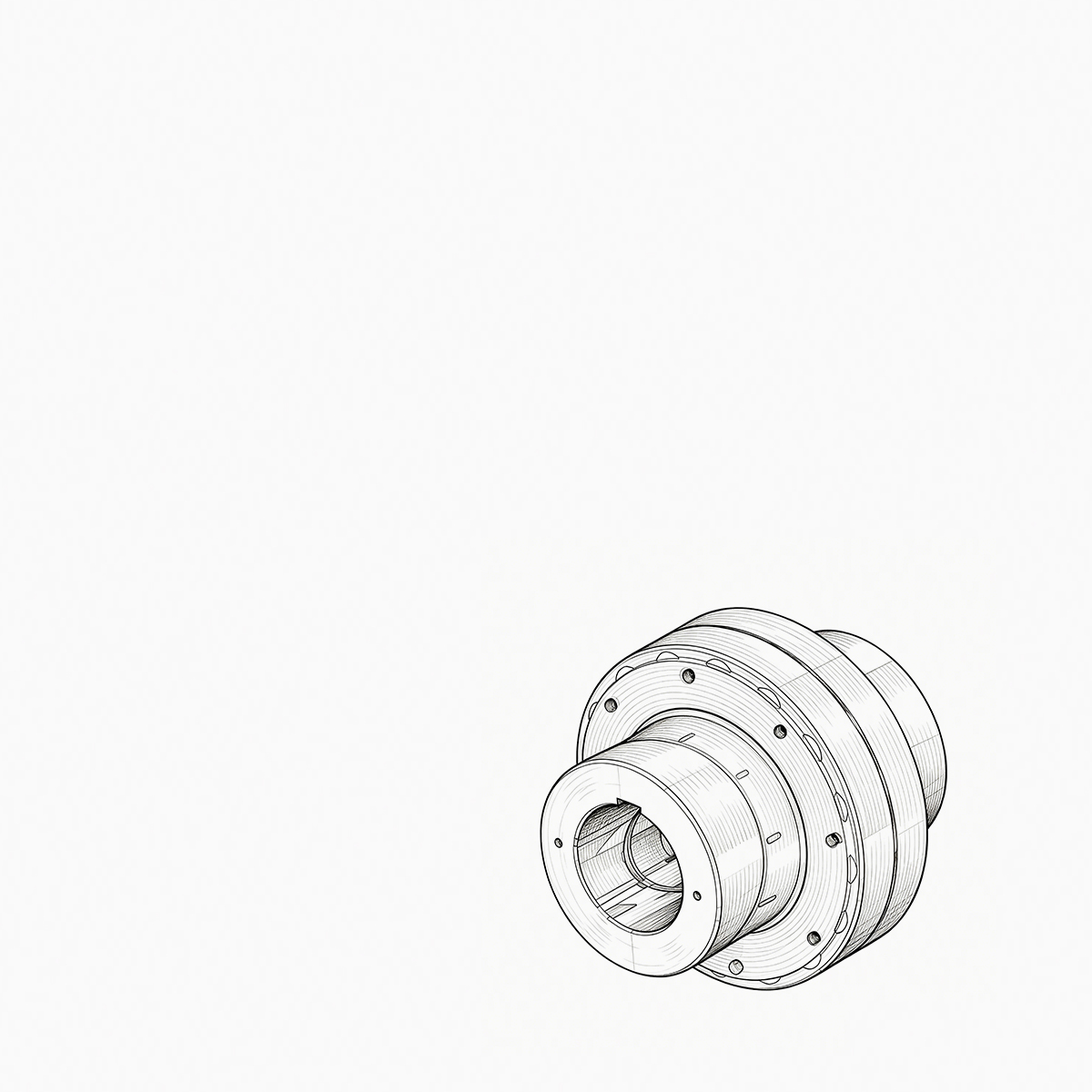
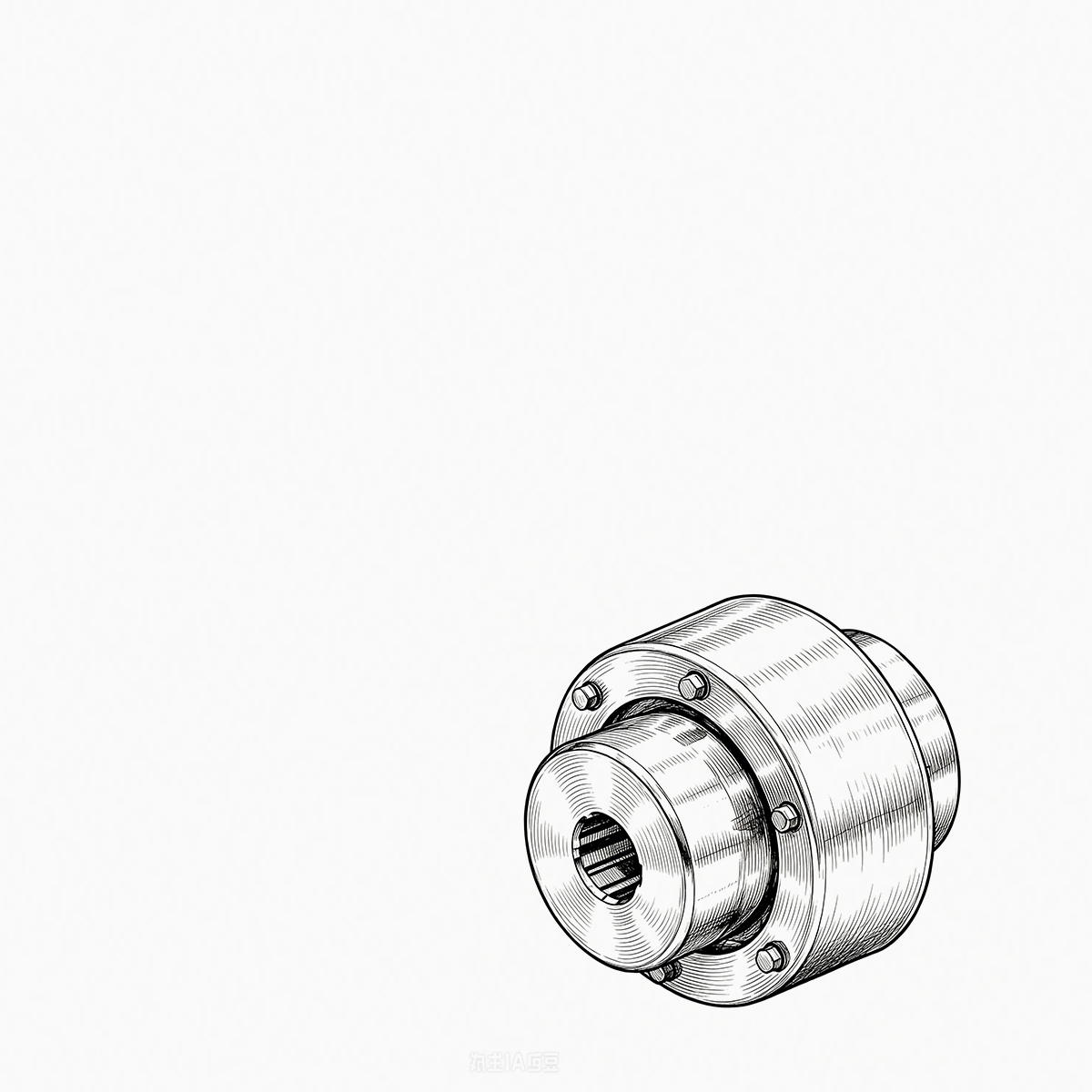
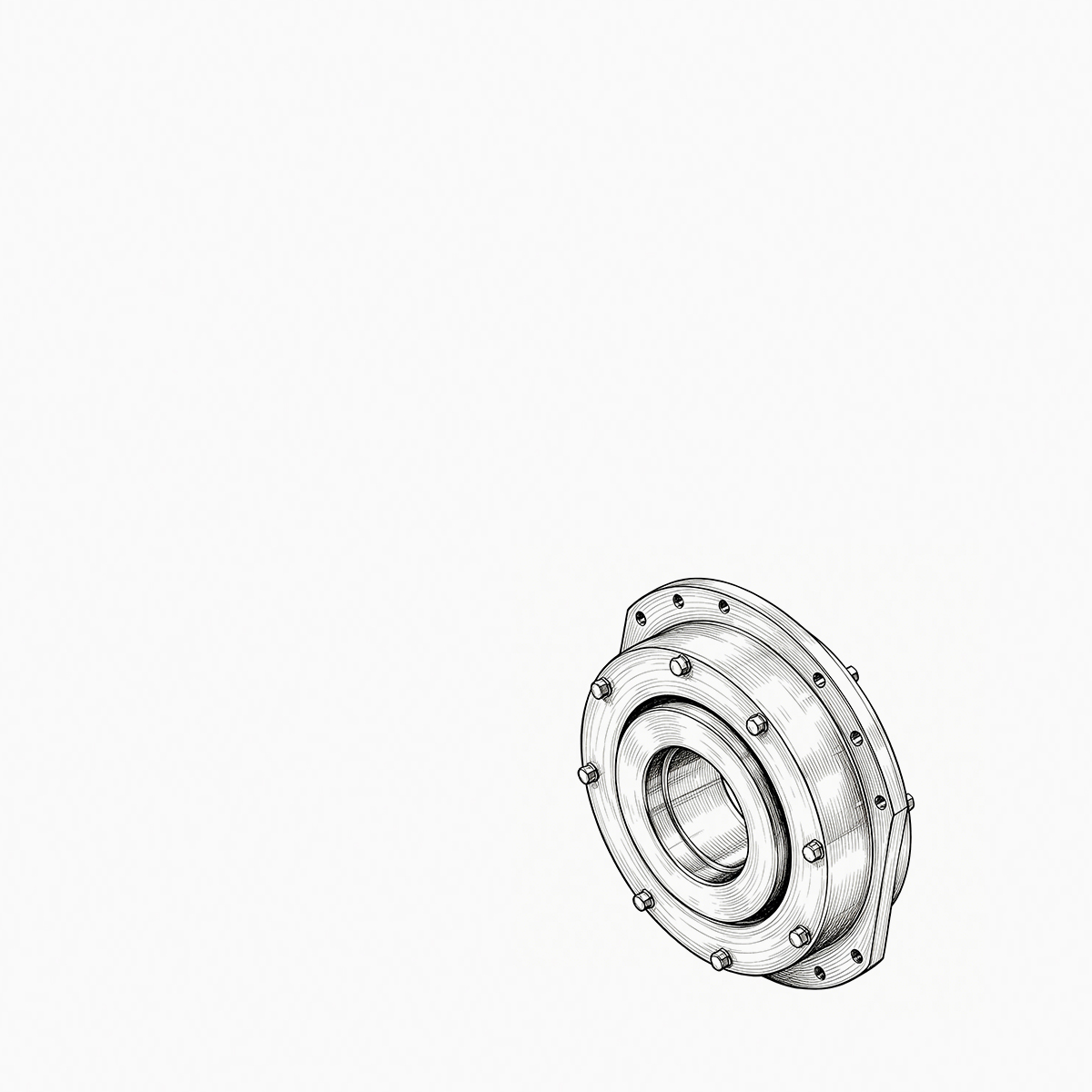
The elastic pin gear coupling is a power transmission connection component based on a gear meshing structure combined with the buffering characteristics of non-metallic elastic pins. It is mainly used for power transmission in low to medium speed applications. In industrial transmission systems, it performs a comprehensive function of connecting the driving shaft and the driven shaft, transmitting torque, compensating for misalignment, and buffering vibration. It is particularly suitable for working conditions with large impact loads or shaft misalignment. Compared with traditional rigid couplings, this type of coupling has stronger compensation ability and better vibration resistance; compared with general elastic couplings, its gear meshing structure enables more stable torque transmission and higher efficiency, making it widely used in industries such as mining, metallurgy, chemical engineering, construction machinery, and power generation.
The core feature of the elastic pin gear coupling lies in the direct transmission of torque through gear tooth meshing, while the non-metallic elastic pins play the role of “elastic buffering” during torque transmission. Specifically, the driving shaft drives the driving gear sleeve to rotate, and the torque is transmitted to the driven gear ring through the elastic pins, thereby driving the driven shaft to rotate. During this process, the deformation of the elastic pins can absorb impact energy caused by start-up, braking, or load fluctuations, and compensate for radial, axial, and angular misalignments, thereby reducing system vibration and noise and improving the stability and reliability of equipment operation.
In practical applications, the elastic pin gear coupling has formed a relatively complete model system, with mainstream models such as LZ, ZL, LZD, ZLD, LZZ, and ZLL, covering different shaft diameters, center distances, and load capacities. Some models emphasize compactness and standardization in structure, suitable for equipment with limited space and relatively stable loads; other models strengthen gear tooth strength, elastic pin specifications, or connection methods to adapt to heavy loads, frequent start-stop cycles, or working conditions with large axial displacement.
Company

Zhenjiang Orienthold Machinery Co., Ltd.
Zhenjiang Orienthold Machinery Co., Ltd. is China Elastomeric Pin Gear Coupling Manufacturers and OEM/ODM Elastomeric Pin Gear Coupling Suppliers, We are a medium-sized enterprise specialized in the production of couplings and papermak-ing machinery, integrating design, production and service.
Boasting strong technical strength, advanced equipment and comprehensive testing methods, our products are widely used in industries and equipment such as transportation, metallurgy, chemical engineering, mining, construction and hoisting, and are supplied to various large-scale enterprises all year round.
Equipped with a strict quality supervision system as well as complete inspection and testing instruments and equipment, our products fully comply with national standards. In particular, the production technology and quality of our papermaking machinery have reached international levels. Our products have won wide praise in the market and gained high recognition from customers.
News
-
-
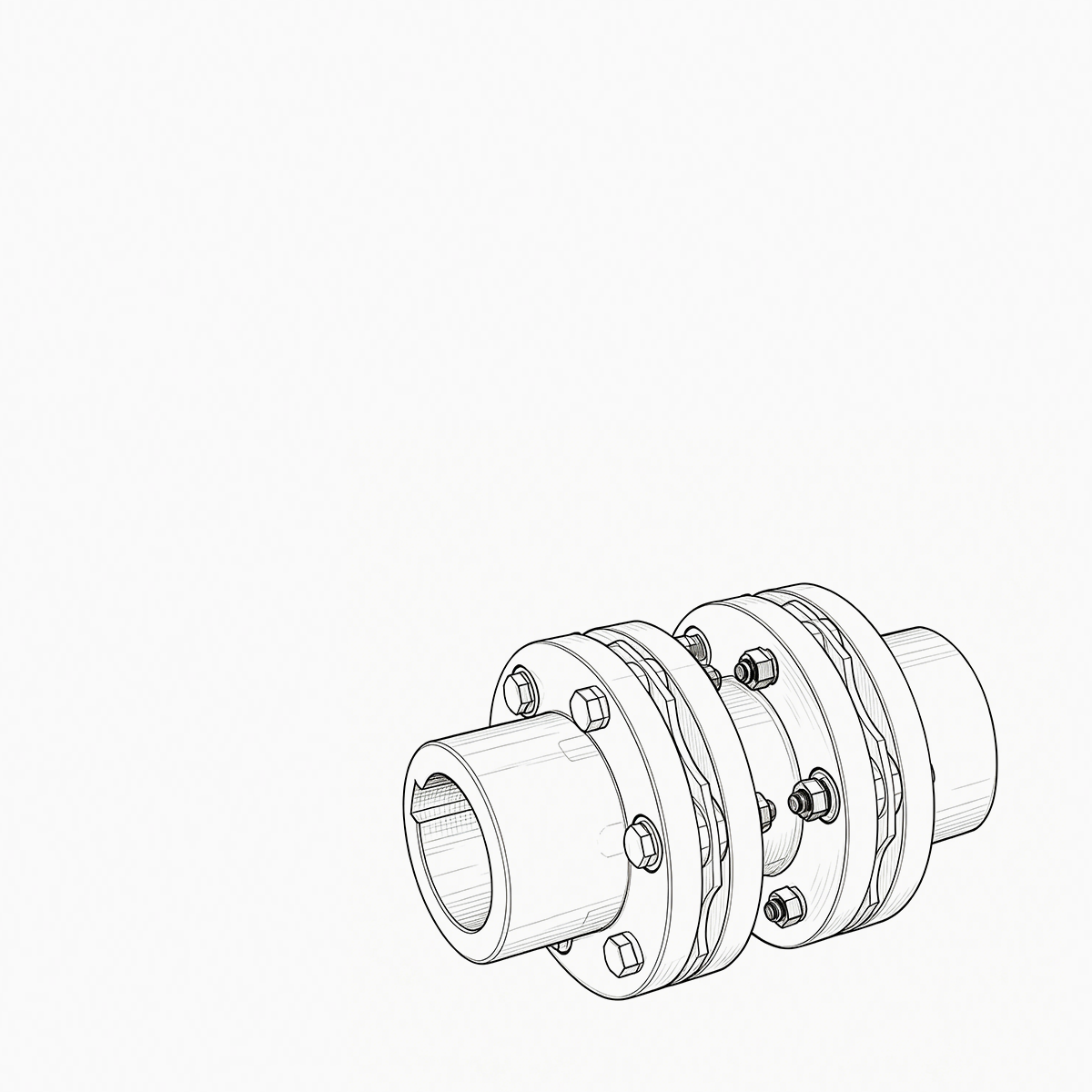
Consider a 250 kW crane hoist that begins to vibrate only when the load is lifted. The drum gear coupling is inspected after a few months and the tooth wear is concentrated on one flank. The common diagnosis is not a single defective component; it is a mismatch between the catalogue torque, the act...
READ MORE -
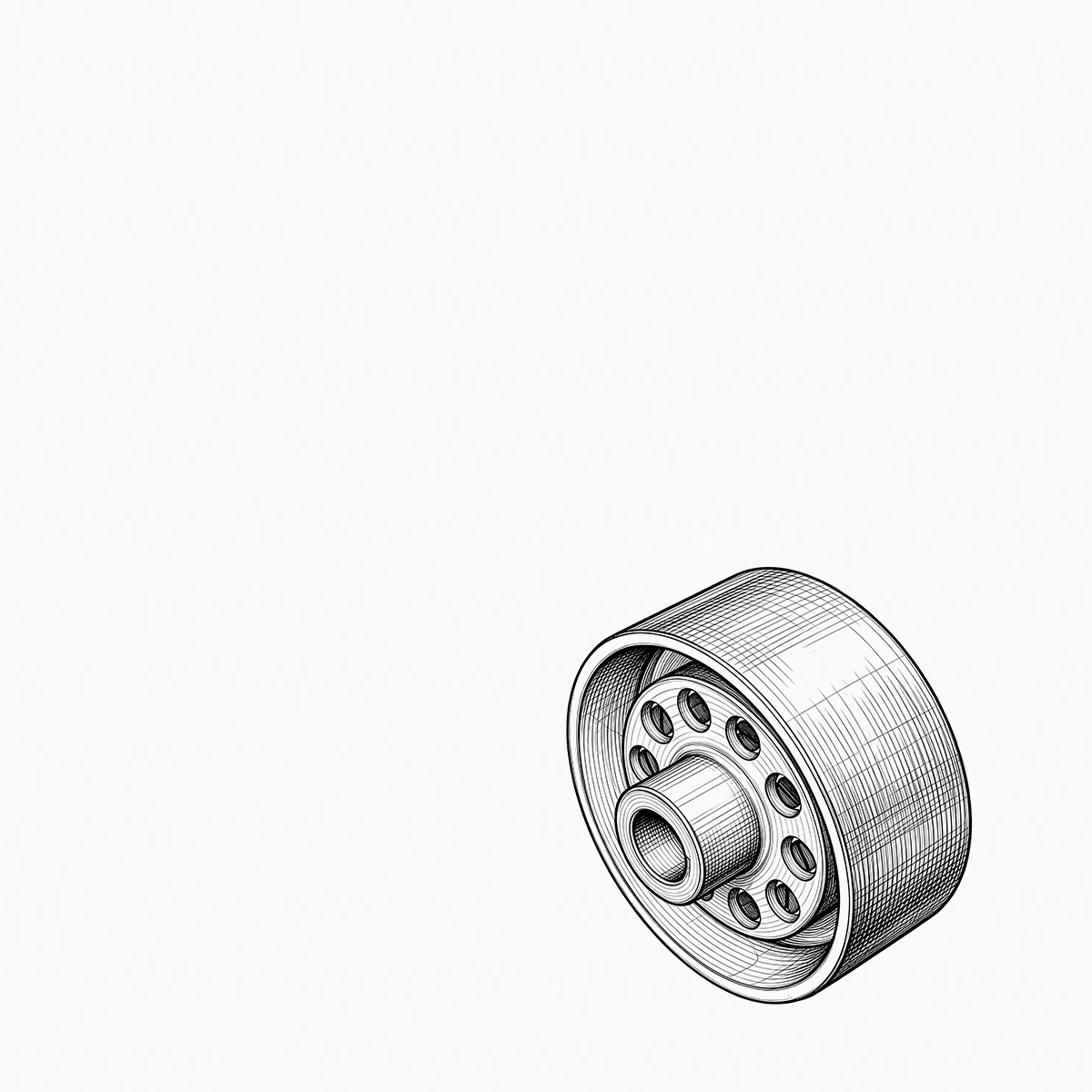
A maintenance engineer pulls a failed coupling from a pump drive. The elastomer sleeves are cracked, the pin bolts are scored, and the hub bore shows the tell-tale fretting marks of a poor fit. For most medium-duty industrial drives, the replacement is not an exotic engineering exercise: an elastic...
READ MORE
Message Feedback
Elastomeric Pin Gear Coupling Industry knowledge
How Elastomeric Pin Gear Couplings Mitigate Start-Up Shock in Industrial Drivetrains
Mechanics of Start-Up Shock and Transient Torque Spikes
During the initialization of heavy industrial machinery, electrical motors generate transient torque spikes that far exceed steady-state operating parameters. When an electric motor starts directly online, the rapid acceleration of the motor rotor creates an instantaneous torque impulse transmitted through the drivetrain. In high-inertia equipment—such as papermaking machine drives, mining conveyors, metallurgical rollers, and crane hoisting mechanisms—this sudden input force encounters substantial mechanical resistance from the stationary driven load. Without a flexible damping mechanism in the drive coupling, this shock wave travels undamped through connected shafts, gearboxes, keyways, and motor bearings, inducing high mechanical stress levels that accelerate component wear and risk structural fatigue. Zhenjiang Orienthold Machinery Co., Ltd. engineers specialized power transmission components, including elastomeric pin gear couplings, designed to attenuate these transient torque peaks and protect rotating machinery across heavy processing industries.
| Motor Starting Method | Typical Peak Torque Multiplier | Start-Up Impulse Duration | Drivetrain Stress Level |
| Direct-On-Line (DOL) Starting | 2.5 to 3.5 times nominal torque | 100 to 500 milliseconds | High mechanical shock load |
| Star-Delta Starting | 1.5 to 2.0 times nominal torque | 300 to 800 milliseconds | Moderate mechanical shock load |
| Variable Frequency Drive (VFD) | 1.0 to 1.2 times nominal torque | Controlled ramp duration | Low mechanical shock load |
Elastomeric Deformation Mechanics and Energy Dissipation
The fundamental mechanism by which an elastomeric pin gear coupling reduces start-up shock relies on the elastic deformation properties of its non-metallic sleeve elements. In this coupling configuration, high-strength alloy steel pins fitted with elastomeric sleeves bridge the connection between the driving and driven coupling hubs. When the motor initializes and applies a sudden rotational force, the driving hub rotates through a small relative displacement angle before the driven hub begins to move. During this fractional rotation, the elastomeric sleeves surrounding the pins undergo radial and circumferential compression against the mating bores of the opposing hub or gear ring.
This physical compression converts a portion of the kinetic energy from the initial shock pulse into strain energy stored within the polymer matrix of the elastomeric sleeves. By absorbing energy during the onset of rotation, the elastomeric element extends the time window over which the driving force is transferred to the driven system. In accordance with impulse-momentum principles, spreading a force transmission over a longer time duration proportionally reduces the peak force amplitude experienced by the drive system components. Furthermore, the internal molecular friction within the elastomeric compound converts a fraction of the strain energy into low-level thermal energy through mechanical hysteresis, effectively damping torsional oscillations following the initial start-up impulse.
Load Distribution via Combined Pin and Gear Geometry
Beyond the damping action of individual elastomeric sleeves, the hybrid structural configuration of an elastomeric pin gear coupling contributes to start-up shock reduction through load distribution. The coupling design integrates multiple pins arranged circumferentially along a defined pitch circle, often paired with internal or crowned gear tooth profiles to maintain torque density. When a start-up shock occurs, the force is distributed across all engagement points simultaneously, preventing concentrated stress on any single mechanical element.
Standard rigid or all-metal couplings transmit torque through fixed mechanical interfaces where minor manufacturing tolerances or misalignments can cause load concentration on isolated gear teeth or keyways during high-torque transients. The elasticity of the pin sleeves in an elastomeric pin gear coupling allows micro-axial and angular yield at each pin location. This self-equalizing compliance ensures that manufacturing variances are accommodated dynamically, allowing every pin and meshing surface to participate in transmitting the start-up load. By lowering the peak stress per unit area across the metallic hubs and pins, the coupling prevents plastic deformation and localized surface galling on drive components.
| Coupling Design Type | Start-Up Shock Attenuation | Torsional Flexibility | Maintenance Requirement |
| Solid Metallic Rigid Coupling | Negligible energy absorption | Zero torsional compliance | Low maintenance, high system wear |
| Standard All-Steel Gear Coupling | Minimal damping capacity | Rigid under rotational direction | Requires regular grease lubrication |
| Elastomeric Pin Gear Coupling | Substantial shock damping | Progressive torsional compliance | Periodic sleeve inspection and replacement |
Influence of Polymer Hardness and Sleeve Profile on Damping Rates
The shock absorption performance of an elastomeric pin gear coupling is directly governed by the physical properties of the elastomeric material, specifically its durometer hardness and geometric design. Elastomeric sleeves are typically manufactured from synthetic polymers such as polyurethane, nitrile rubber, or specialized fluororubbers. The selection of Shore hardness rating determines the torsional stiffness curve of the coupling assembly. Lower Shore hardness formulations (ranging from 80 to 85 Shore A) yield higher torsional deflection, providing greater shock absorption for applications driven by high-torque electric motors with frequent start-stop cycles.
Conversely, higher durometer polymers (such as 90 to 98 Shore A or Shore D polyurethane blends) offer higher load-bearing capacity with lower angular deflection, suitable for heavy industrial drives where high continuous torque transmission is prioritized alongside moderate shock damping. Advanced sleeve designs feature profiled outer surfaces, such as circumferential grooves or tapered crowning. These geometric profiles create a non-linear progressive stiffness curve: under initial low-torque start-up conditions, the sleeve deforms easily to absorb soft shocks, and as the load increases, the resistance stiffens progressively to handle full motor output. Zhenjiang Orienthold Machinery Co., Ltd. incorporates precise material selection and advanced manufacturing methods to match sleeve characteristics to specific industrial operating environments.
Protective Value in High-Inertia Heavy Industry Drives
In heavy industrial facilities—including metallurgical rolling mills, chemical agitation tanks, mining crushers, transportation equipment, and papermaking machinery lines—drivetrains operate continuously under demanding mechanical loads. The inclusion of an elastomeric pin gear coupling between prime movers and gear reducers provides a mechanical buffer that reduces shock transmission to sensitive equipment components. Attenuating start-up shock reduces the risk of keyway shearing, shaft twisting, gear tooth pitting, and motor insulation stress caused by voltage spikes during locked-rotor motor acceleration.
Furthermore, reducing shock loads extends the operational lifespan of supporting bearings and mechanical seals by preventing transient radial and axial thrust forces during machinery startup. Utilizing advanced equipment and comprehensive testing methods, Orienthold designs and supplies elastomeric pin gear couplings tailored to the operational demands of large-scale enterprises. By providing integrated design, manufacturing, and technical service, these couplings support continuous equipment availability, lower routine maintenance frequency, and maintain reliable power transmission in demanding industrial sectors all year round.
FAQ
Q: How do Orienthold elastomeric pin gear couplings protect papermaking machinery from start-up torque spikes?
A: Papermaking equipment undergoes continuous operational cycles with frequent acceleration phases. Orienthold elastomeric pin gear couplings utilize flexible sleeves over alloy steel pins to absorb transient torque spikes during startup, preventing mechanical shock from transferring to gearboxes and drying cylinders.
Q: What structural features enable elastomeric pin gear couplings to handle high torque and heavy shock in mining applications?
A: Mining environments present heavy impact loads and abrasive conditions. These couplings combine the high load-bearing capacity of gear tooth engagement with the dampening flexibility of elastomeric pin sleeves, distributing rotational forces across multiple contact points to maintain structural reliability.
Q: How do material choices for elastomeric sleeves prevent premature wear in chemical engineering installations?
A: In chemical facilities exposed to ambient vapors and temperature fluctuations, Orienthold equips elastomeric pin gear couplings with sleeves made from specialized synthetic polymers like polyurethane or fluororubber. These compounds resist chemical degradation and thermal breakdown while preserving damping characteristics.
Q: What custom design options does Orienthold provide for non-standard drive shafts in hoisting and construction equipment?
A: Integrating design, production, and technical service, Orienthold tailors hub bore diameters, keyway specifications, and overall body lengths to fit non-standard shaft configurations in crane hoists, winches, and construction machinery without requiring structural mounting modifications.
Q: How does the design of elastomeric pin gear couplings simplify maintenance during routine plant servicing?
A: The elastomeric pin gear coupling design allows maintenance personnel to inspect and replace worn pin sleeves directly. In continuous process industries, this enables rapid component replacement during scheduled service windows without unbolting or repositioning the primary motor and driven shafts.
Q: What testing protocols ensure Orienthold elastomeric pin gear couplings meet the performance demands of large-scale industrial enterprises?
A: Orienthold utilizes comprehensive testing methods throughout manufacturing, including dynamic balancing tests, dimensional precision measurements, ultrasonic flaw detection, and material hardness testing, ensuring each coupling assembly achieves consistent power transmission performance under continuous operating duty.


ABOUT US
PRODUCTS
INDUSTRIES
CONTACT US
- Phone: +86-18652865511
- Email: sales@ohmach.com
- Address: No.1, Minying Developing Zone, Zhenjiang, Jiangsu, China
Copyright Zhenjiang Orienthold Machinery Co., Ltd. All Rights Reserved.
 Custom Elastomeric Pin Gear Coupling Suppliers