 English
 русский
 Português
 عربى
عربى
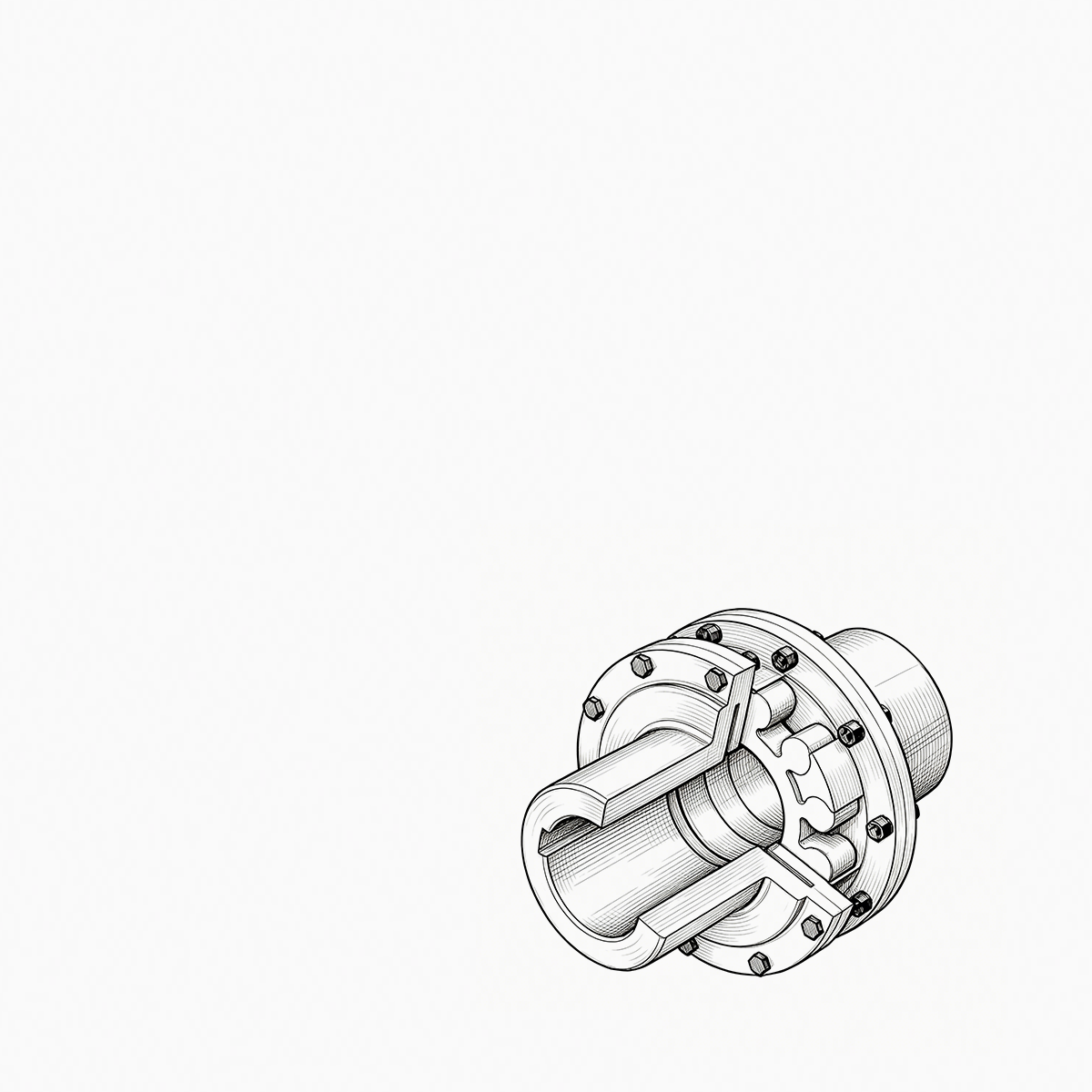
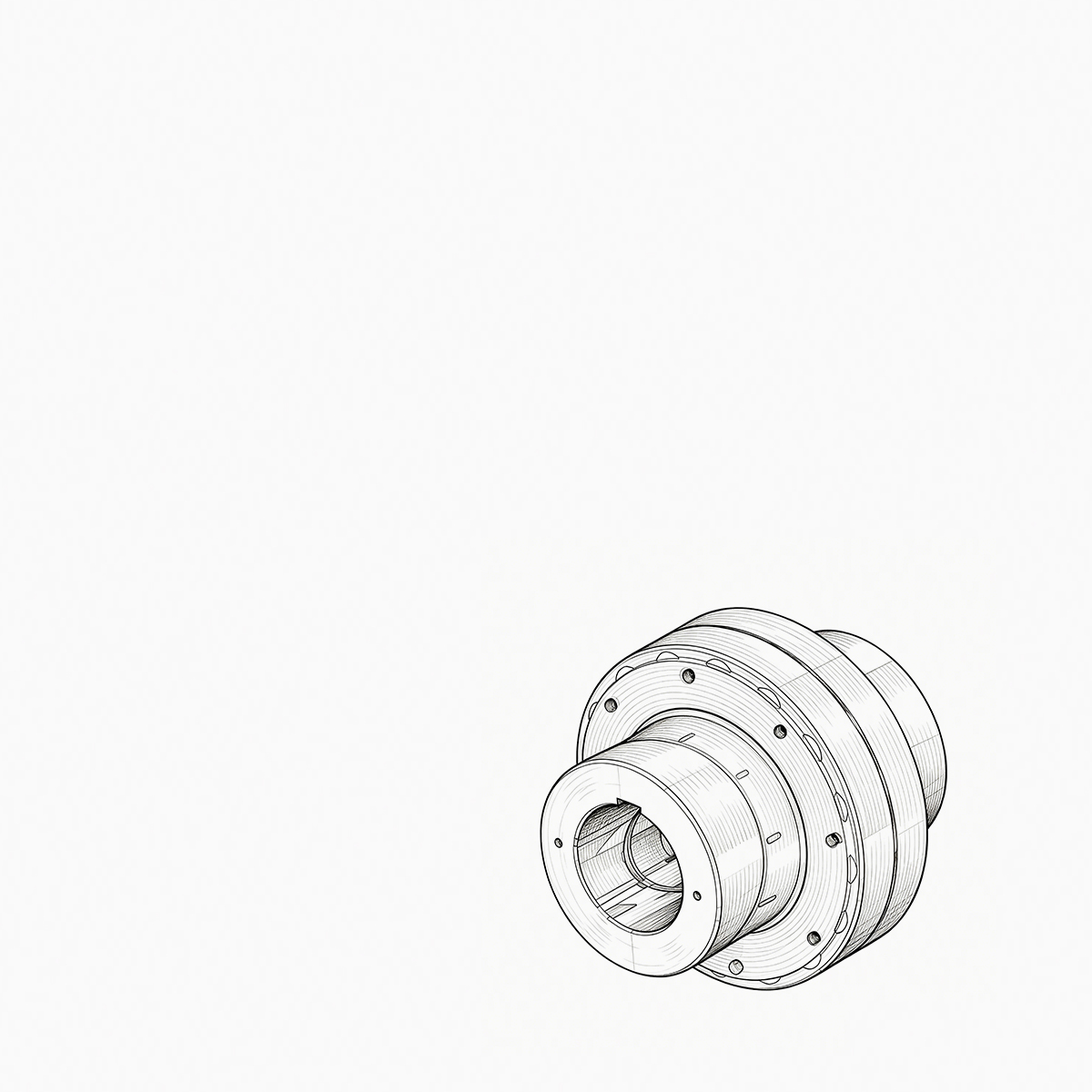
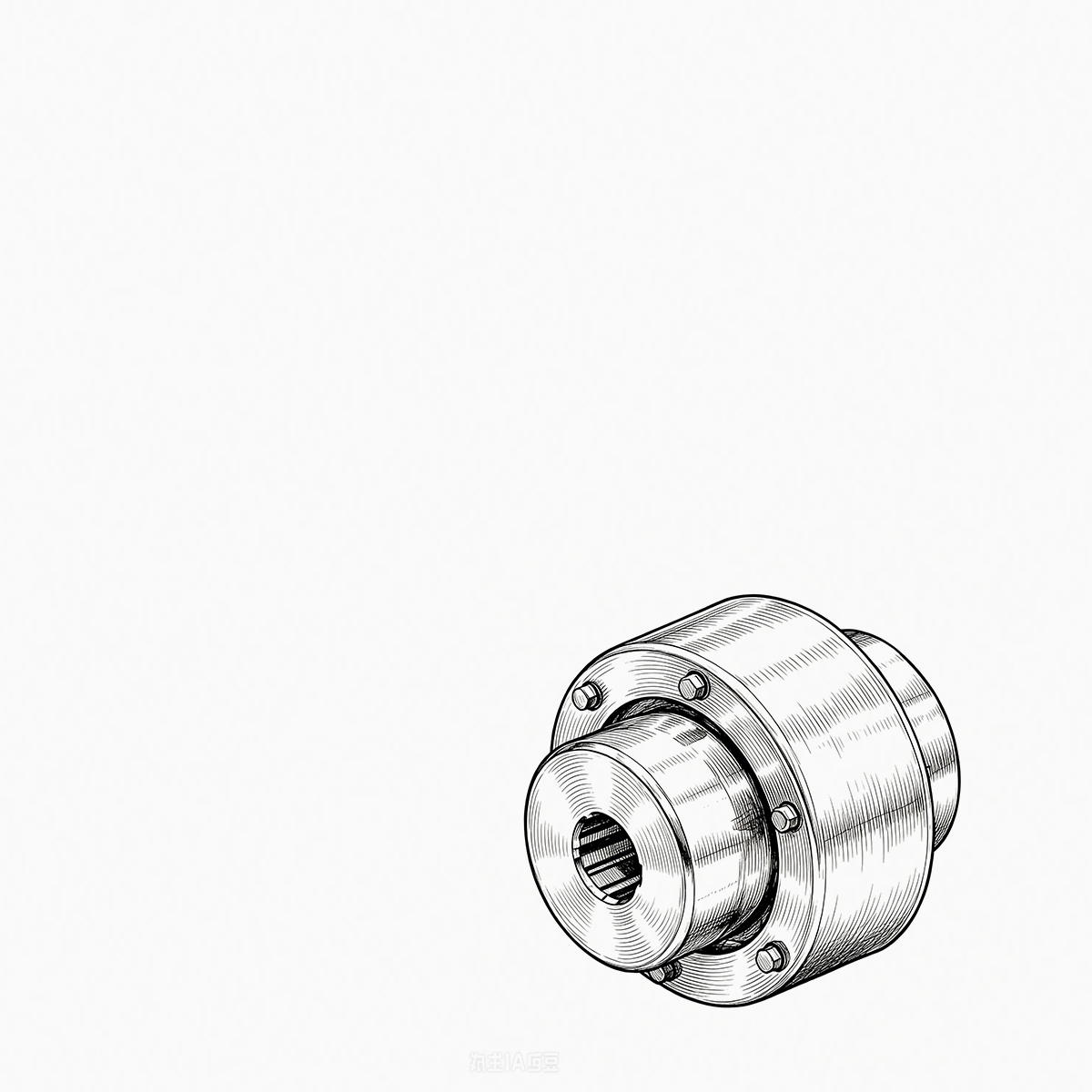
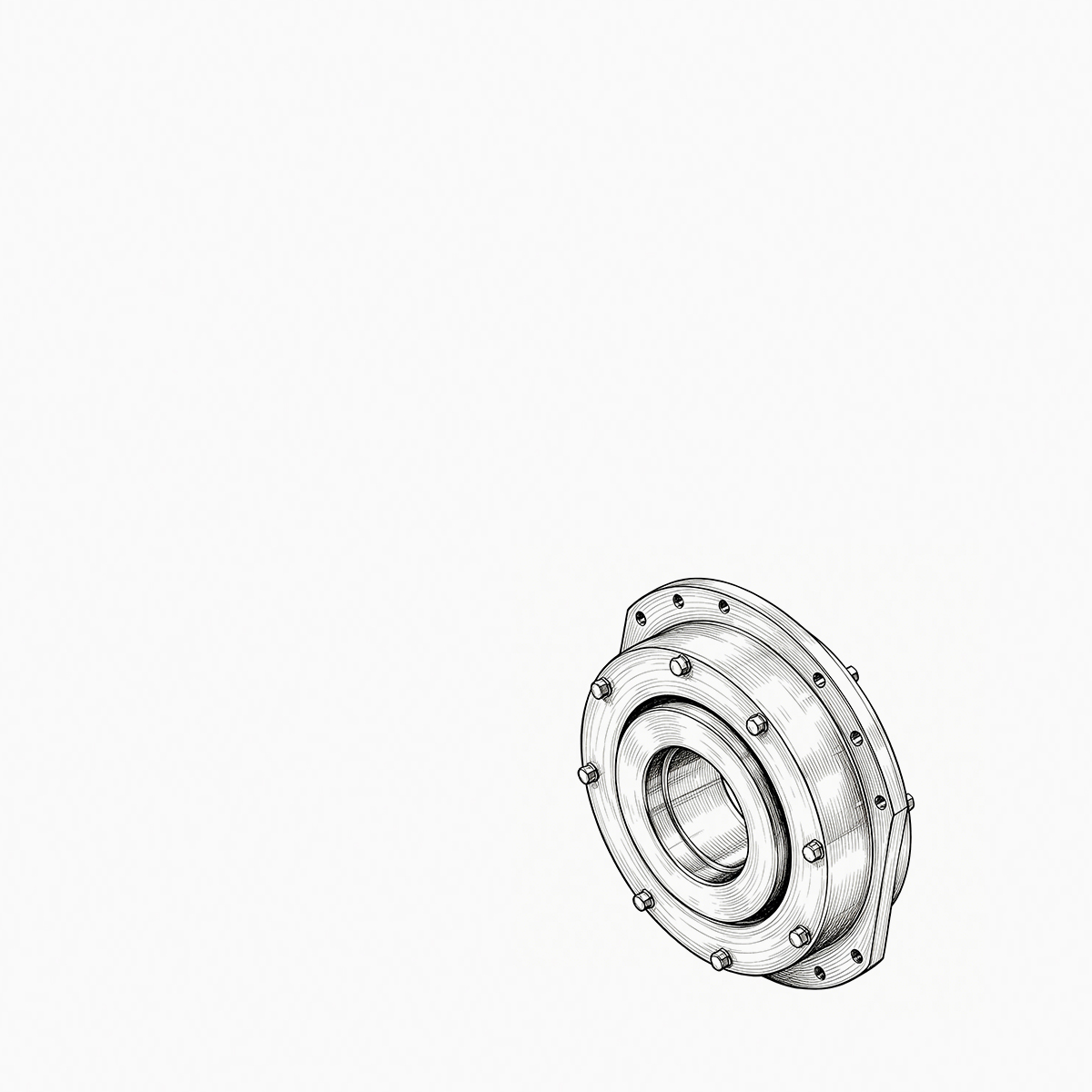
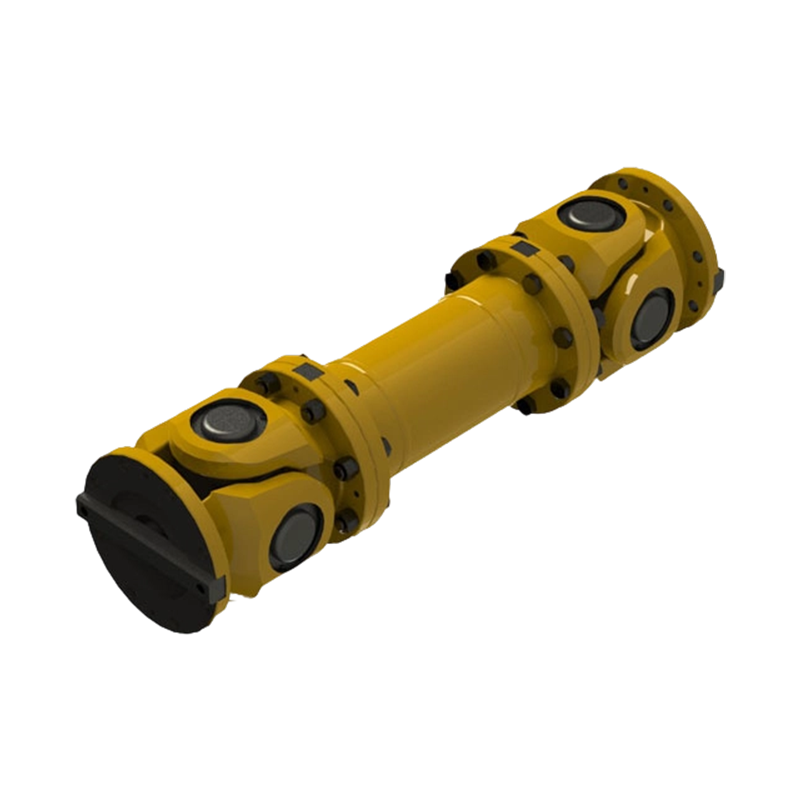
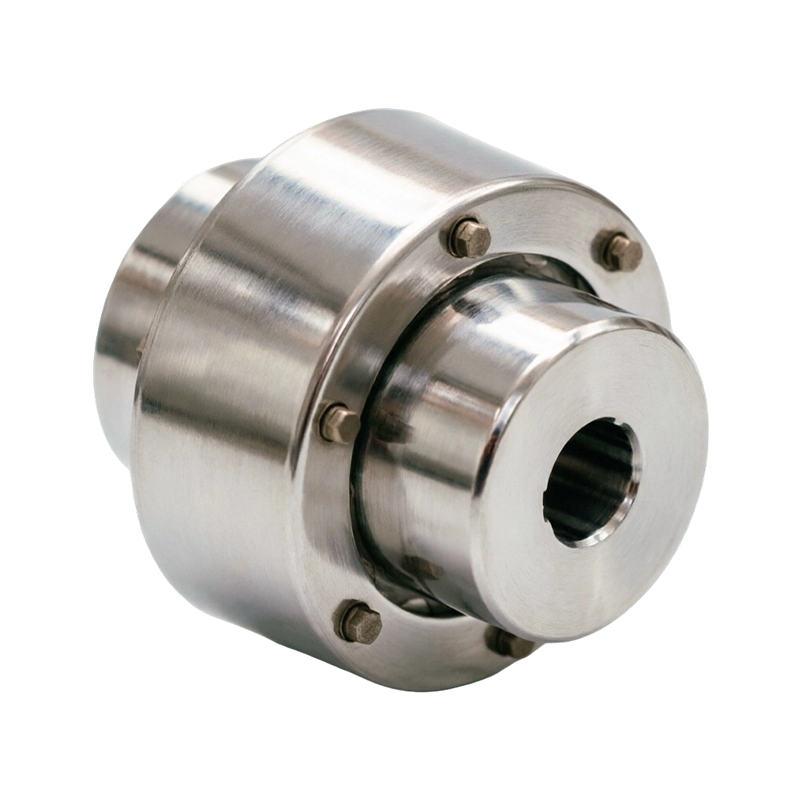
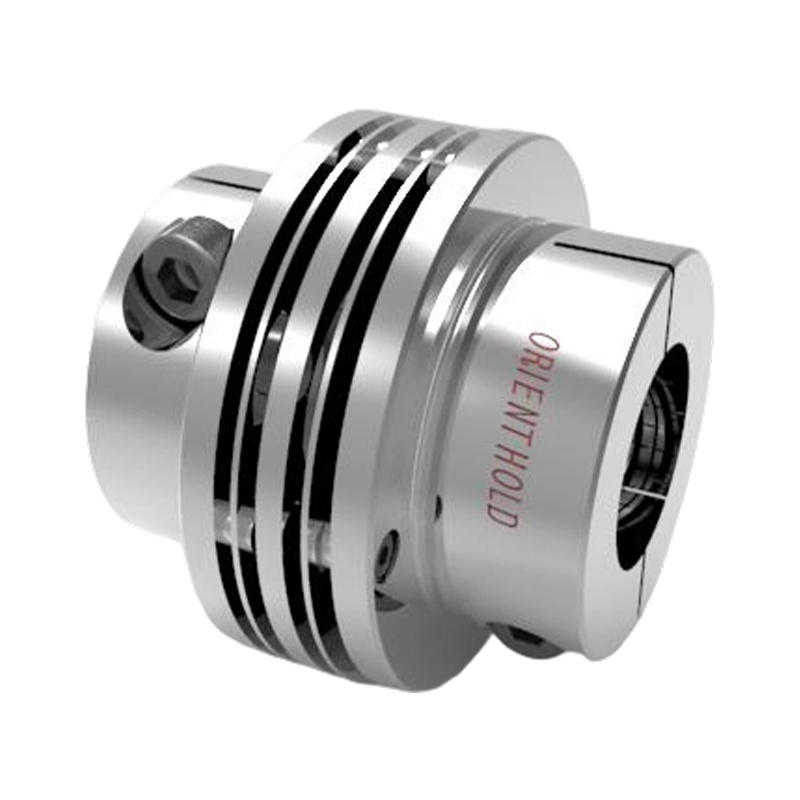
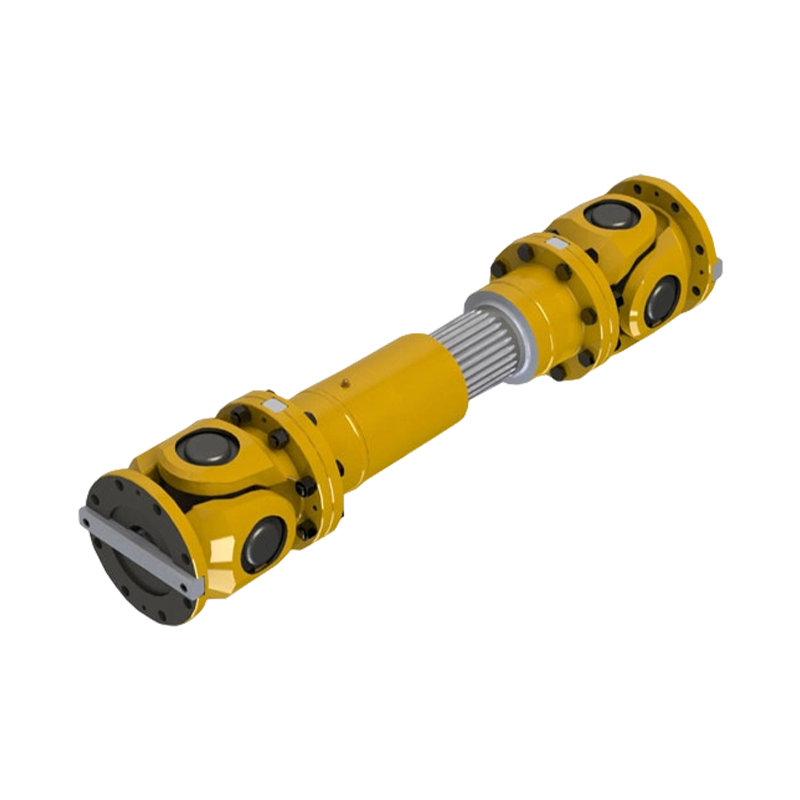
Two quotes land for the same replacement gear coupling: $1,850 from one shop and $2,600 from another. Both promise standard compliance, both quote four weeks, and the drawings loo...
READ MORE
 Plum Elastic Coupling
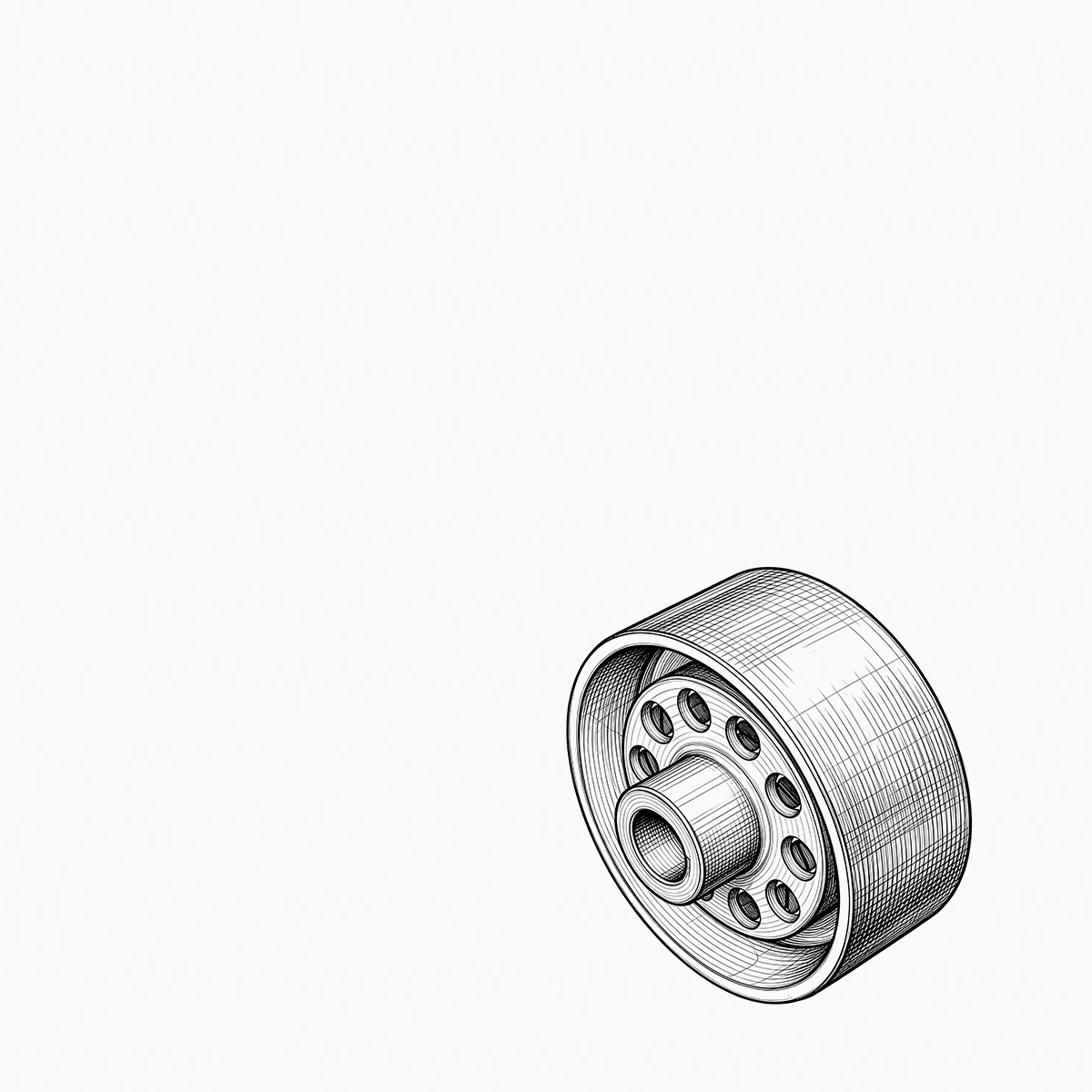
LMS Double-Flange Spider Elastic Coupling
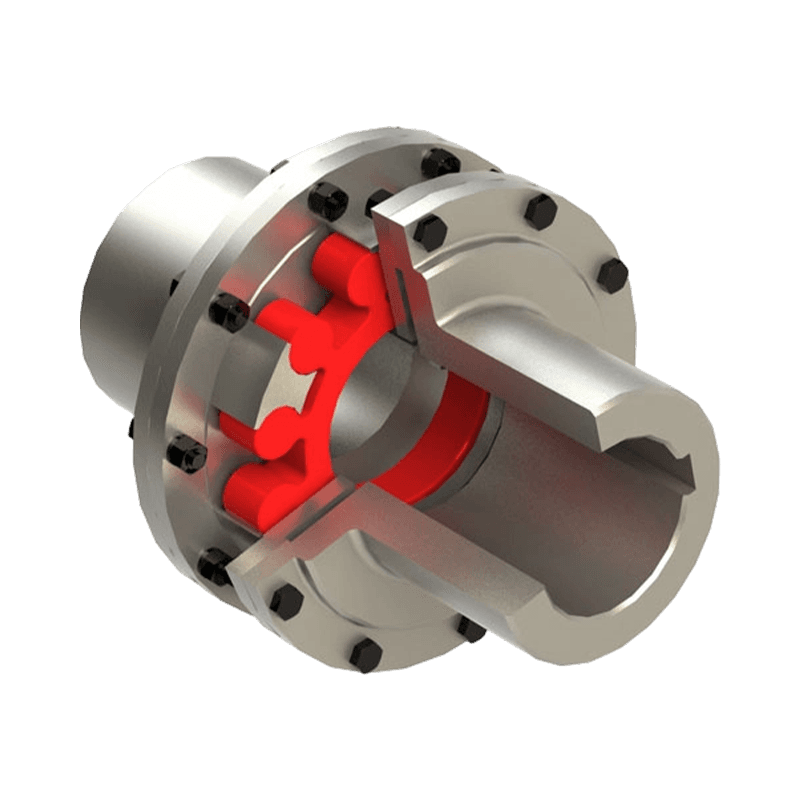
The LMS dual flange elastic plum blossom coupling features a dual transition flange connection design, allowing for the replacement of the elastic element without the need to move the half-couplings axially. This design optimizes the maintenance and operational convenience, making it easier to maintain and operate the equipment. In addition to excellent vibration damping and misalignment compensation capabilities, the coupling also offers high transmission efficiency, easy maintenance, and wide adaptability. The LMS coupling efficiently transmits torque, reduces energy loss, and ensures high reliability in power transmission. It requires no complex lubrication or regular maintenance; only periodic inspections are needed, thus reducing maintenance costs and workload.
The LMS elastic plum blossom coupling operates within a wide temperature range, typically from -35°C to +80°C, making it suitable for various harsh environments, such as humid and dusty conditions. Its oil resistance and corrosion resistance allow it to operate reliably in special industries like chemical and mining. Moreover, the coupling has a wide range of nominal torque and permissible speed, with the bore diameter and length adjustable to meet equipment needs, making it capable of handling applications ranging from light precision transmission to medium-heavy load transmission.
In practical applications, the LMS elastic plum blossom coupling is widely used in various industries and equipment. In pumping systems, it connects motors to centrifugal pumps, plunger pumps, etc., buffering the shock loads during pump startup, compensating for shaft misalignment, and ensuring smooth pump operation. In fan systems, it is suitable for industrial fans, air conditioning fans, etc., absorbing vibration during fan operation, reducing noise pollution, and enhancing fan stability. In the compressor field, the LMS coupling is used for the transmission connection of air compressors and refrigeration compressors, adapting to frequent starts and stops, and reducing component wear.
The LMS coupling is widely applied in conveying machinery, power generation equipment, food processing, metallurgy, mining, light industry, and textile industries. It is particularly suitable for the transmission systems of belt conveyors, chain conveyors, diesel generator sets, food processing machinery, etc., and can adapt to working conditions that require frequent starts, reversals, medium speeds, medium torque, and high reliability.
Company

Zhenjiang Orienthold Machinery Co., Ltd.
As China LMS Double-Flange Spider Elastic Coupling Factory and LMS Double-Flange Spider Elastic Coupling Manufacturers, Zhenjiang Orienthold Machinery Co., Ltd. is a medium-sized enterprise specialized in the production of couplings and papermak-ing machinery, integrating design, production and service.
Boasting strong technical strength, advanced equipment and comprehensive testing methods, our products are widely used in industries and equipment such as transportation, metallurgy, chemical engineering, mining, construction and hoisting, and are supplied to various large-scale enterprises all year round.
Equipped with a strict quality supervision system as well as complete inspection and testing instruments and equipment, our products fully comply with national standards. In particular, the production technology and quality of our papermaking machinery have reached international levels. Our products have won wide praise in the market and gained high recognition from customers.
Contact us
Sign up with your email to grab exclusive discounts, latest industry news and potential overseas inquiries. Don’t miss out on business opportunities worldwide.
Related products
News
-
-
Consider a 250 kW crane hoist that begins to vibrate only when the load is lifted. The drum gear coupling is inspected after a few months and the tooth wear is concentrated on one...
READ MORE -
A maintenance engineer pulls a failed coupling from a pump drive. The elastomer sleeves are cracked, the pin bolts are scored, and the hub bore shows the tell-tale fretting marks ...
READ MORE -
A rotating equipment engineer at a steel finishing mill recently described a flexible coupling that had failed twice in fourteen months. The first replacement came from the origin...
READ MORE -
Your compressor train is running at 9,800 rpm when the vibration monitor triggers an alarm. The first component your maintenance team inspects is the coupling. If the disc couplin...
READ MORE


ABOUT US
PRODUCTS
INDUSTRIES
CONTACT US
- Phone: +86-18652865511
- Email: sales@ohmach.com
- Address: No.1, Minying Developing Zone, Zhenjiang, Jiangsu, China
Copyright Zhenjiang Orienthold Machinery Co., Ltd. All Rights Reserved.
 Wholesale LMS Double-Flange Spider Elastic Coupling Factory