 English
 русский
 Português
 عربى
عربى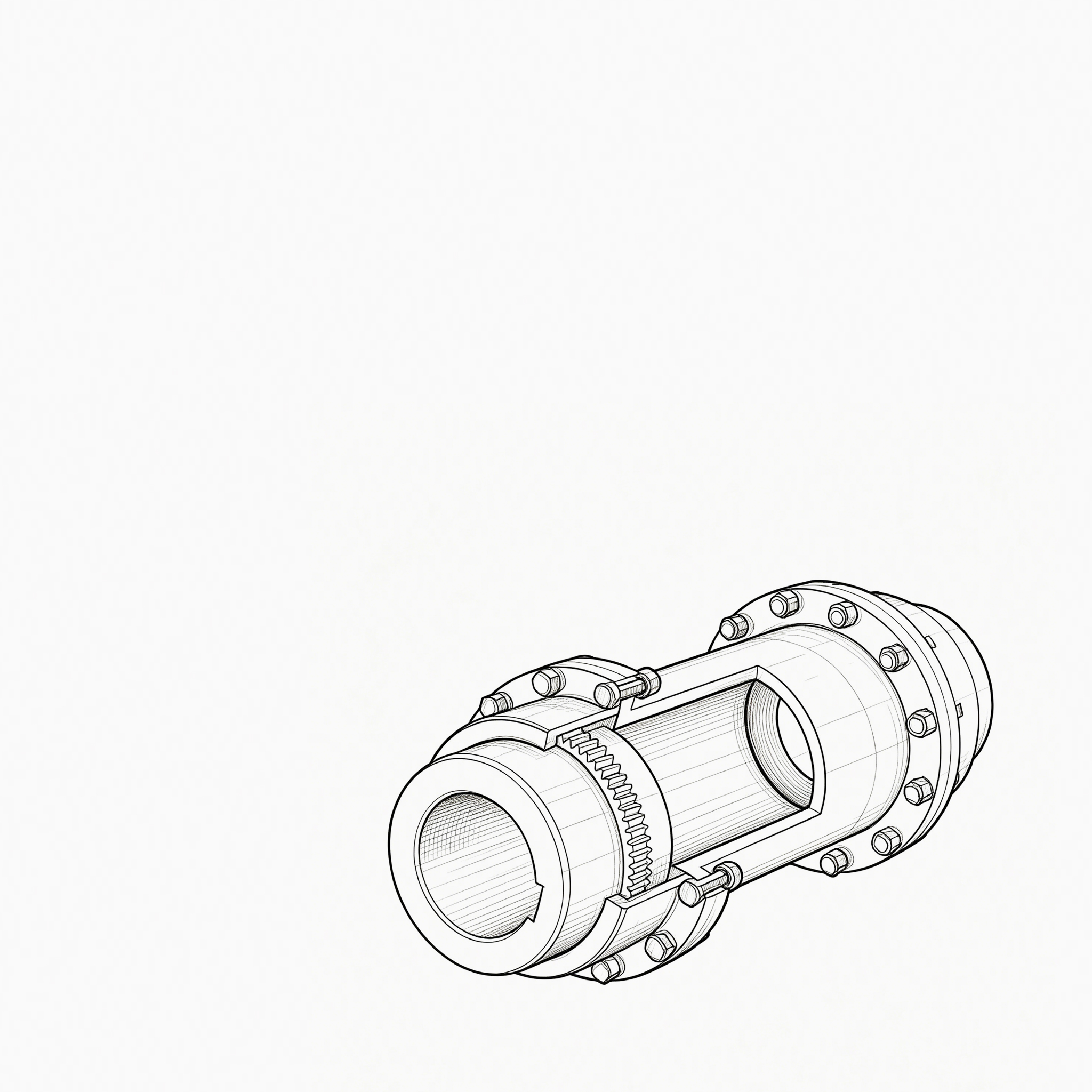
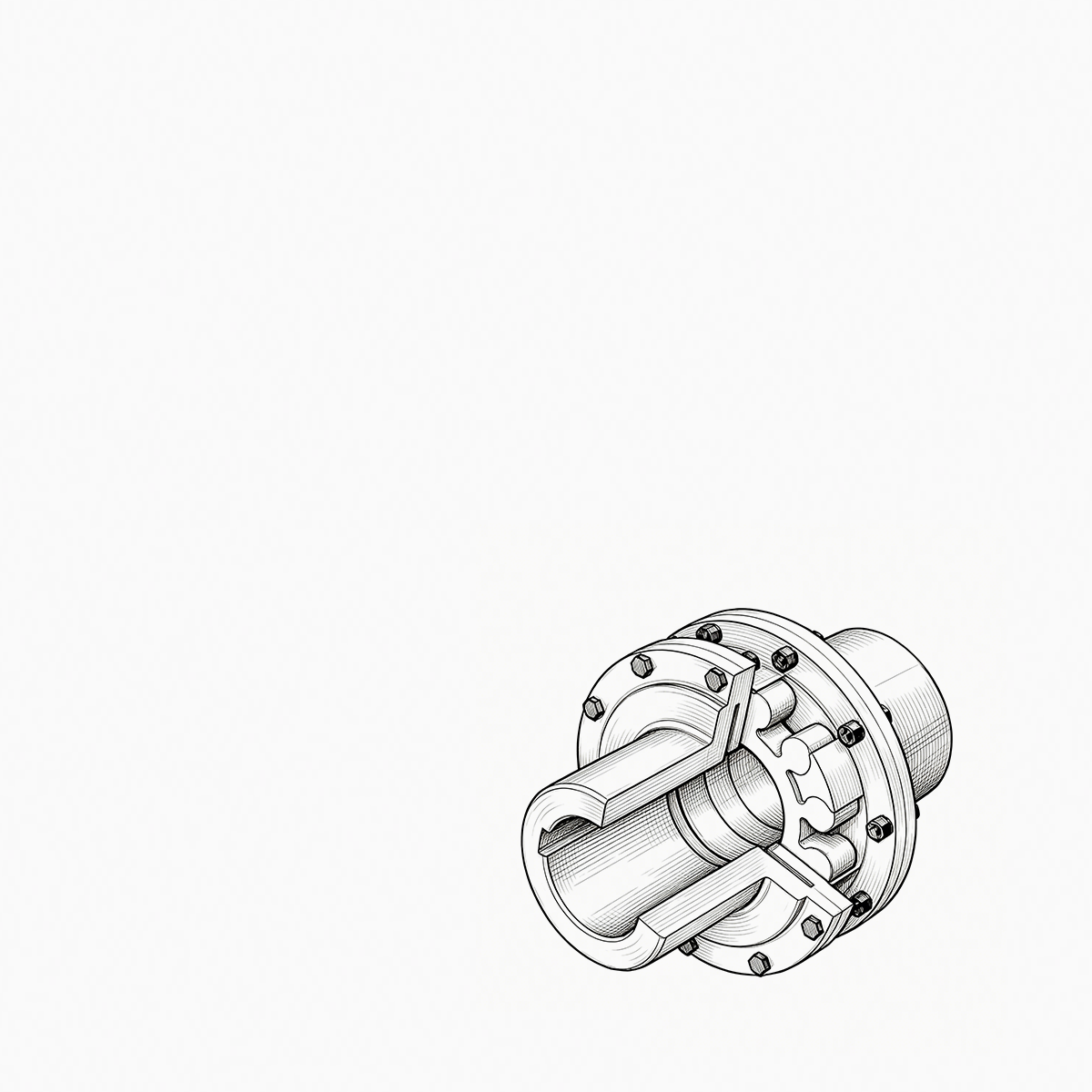
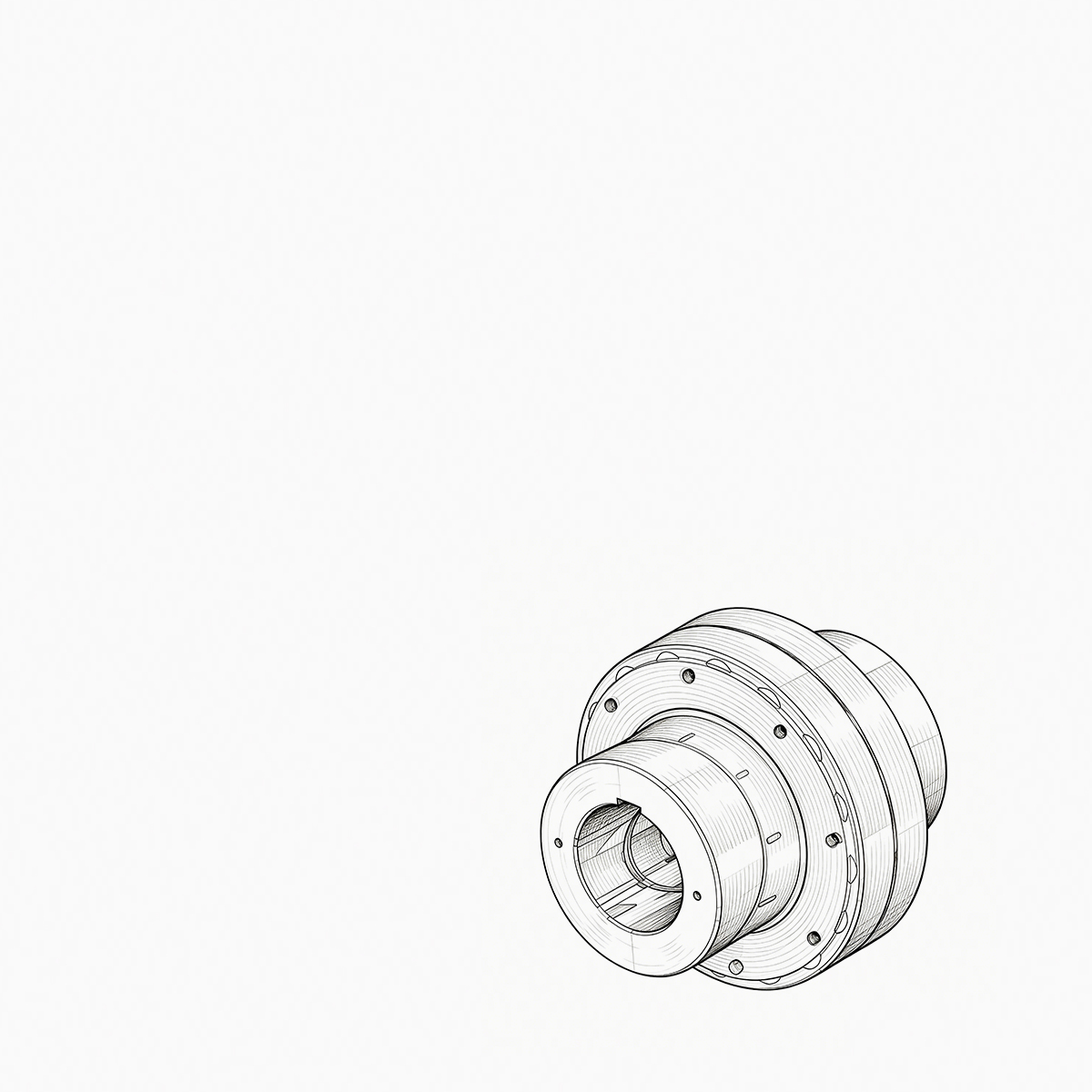
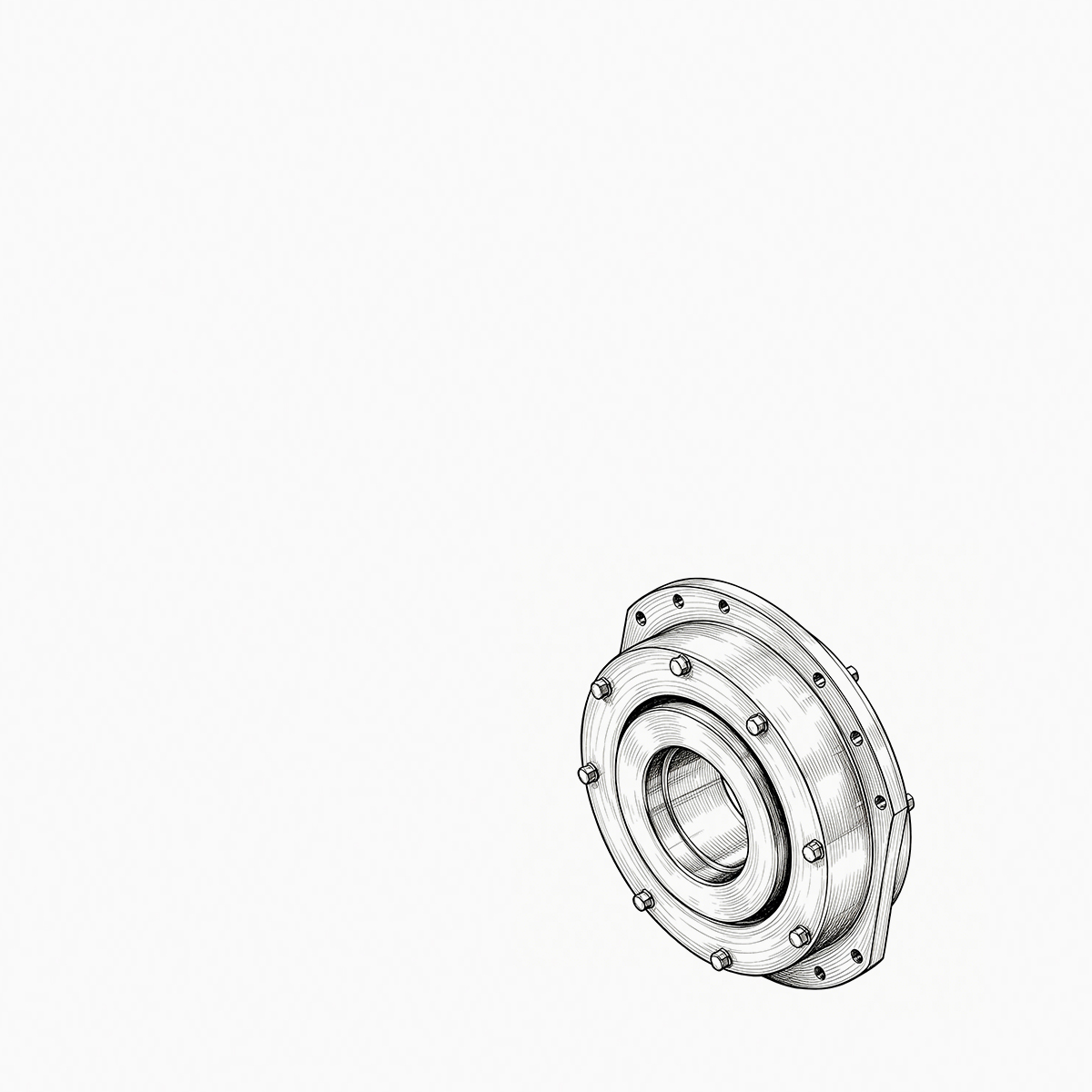
Two quotes land for the same replacement gear coupling: $1,850 from one shop and $2,600 from another. Both promise stan...
READ MORE
Flexible Coupling Manufacturers: What to Check Before You Choose a Supplier
Admin 2026-09-17Content
A rotating equipment engineer at a steel finishing mill recently described a flexible coupling that had failed twice in fourteen months. The first replacement came from the original machine builder and was expensive. The second, cheaper one came from a supplier with no drawings, no balance report, and no understanding of how the drive actually operated. The price difference was small; the downtime was not.
That experience explains the real question behind most searches for flexible coupling manufacturers. Buyers are not looking for the lowest price so much as a supplier who can be trusted to deliver a coupling that fits the application, meets the stated tolerances, and keeps the line running. In practice, the flexible coupling manufacturers worth working with combine four qualities: engineering capability, quality control, application experience, and responsive after-sales support. Everything else is secondary.
What Counts as a Flexible Coupling?
A flexible coupling connects two shafts while allowing controlled relative movement. It absorbs angular, parallel, and axial misalignment, dampens vibration and shock loads, and in many cases protects connected machinery from overload. A rigid coupling does none of this; it demands precise alignment and transmits every load directly.
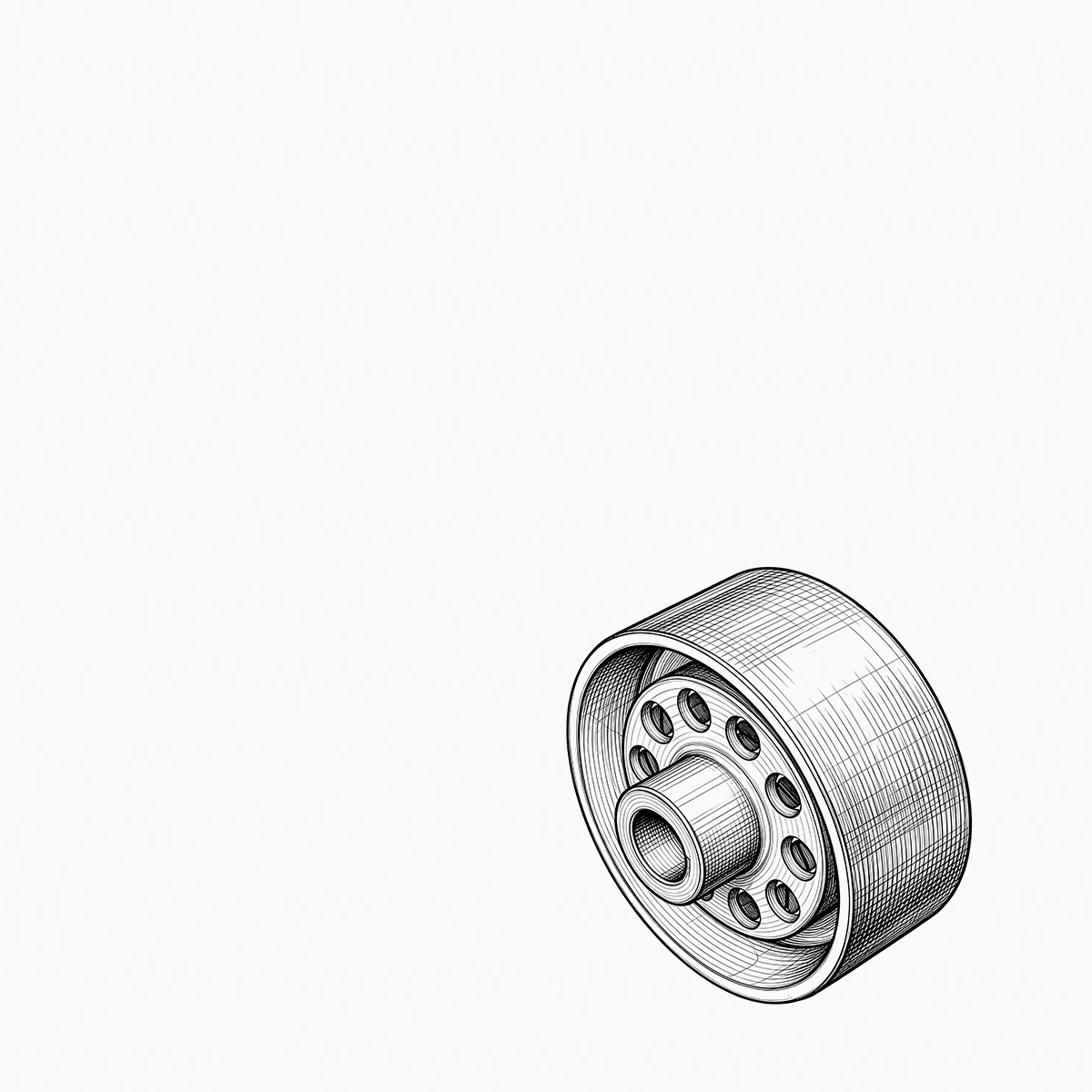
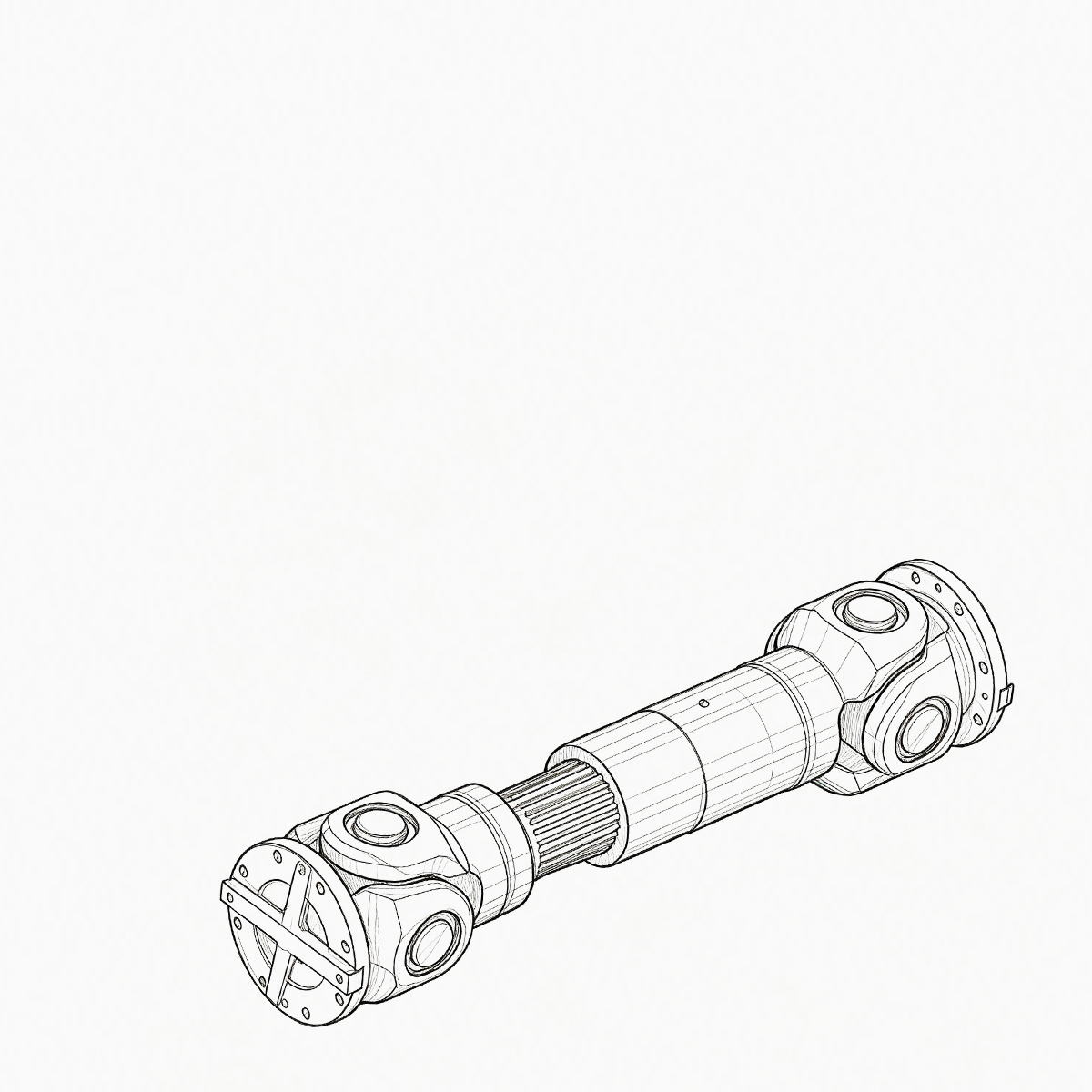
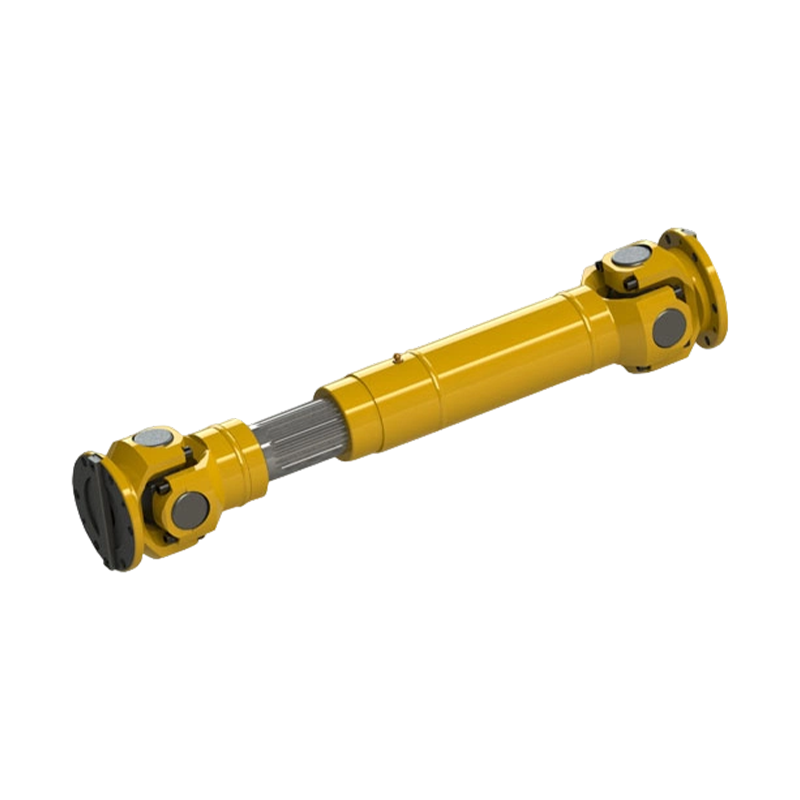
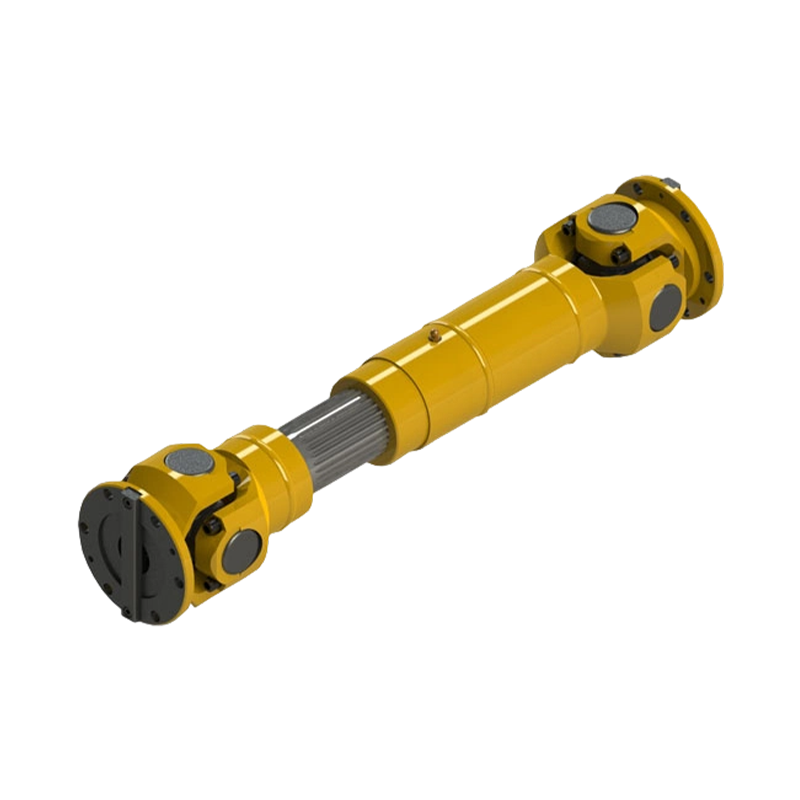
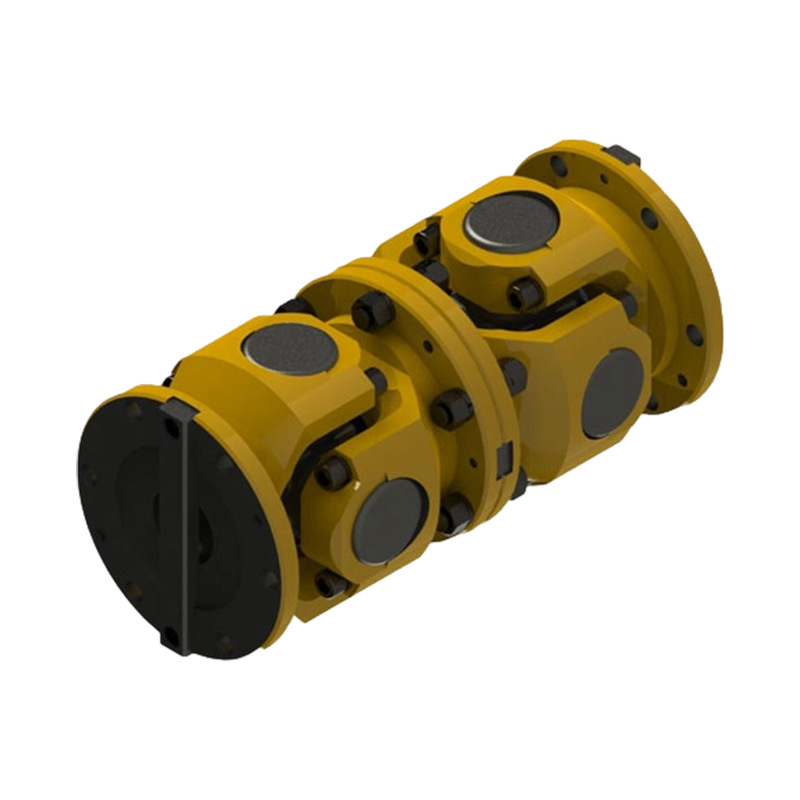
The term covers several mechanical families, and each one suits different duties. Drum gear couplings provide high torque density for heavy rotating equipment and tolerate moderate angular misalignment. Diaphragm couplings transmit torque through thin metal plates without lubrication or backlash, which makes them popular for higher-speed machinery. Universal shafts handle large angular offsets in rolling mills and articulated drives. Elastomeric pin and spider couplings insert a flexible element that absorbs shock and is economical to replace, while tire couplings give soft characteristics and large misalignment for lighter drives.
| Type | Misalignment capability | Torque class | Maintenance need | Typical application |
|---|---|---|---|---|
| Drum gear coupling | Moderate angular and parallel | Very high | Periodic lubrication | Steel mills, crushers, conveyor drives |
| Diaphragm coupling | Low to moderate | High | None | Pumps, compressors, turbines |
| Universal coupling | Large angular offset, typically over 10 degrees | High | Lubrication and joint service | Rolling mills, articulated drives |
| Elastomeric pin / gear coupling | Moderate | Medium to high | Replace flexible elements | General industrial machinery |
| Spider (plum) coupling | Moderate | Low to medium | Replace spider element | Pumps, fans, light machinery |
| Tire coupling | Large parallel and angular | Low to medium | Replace tire element | Conveyors, soft-start drives |
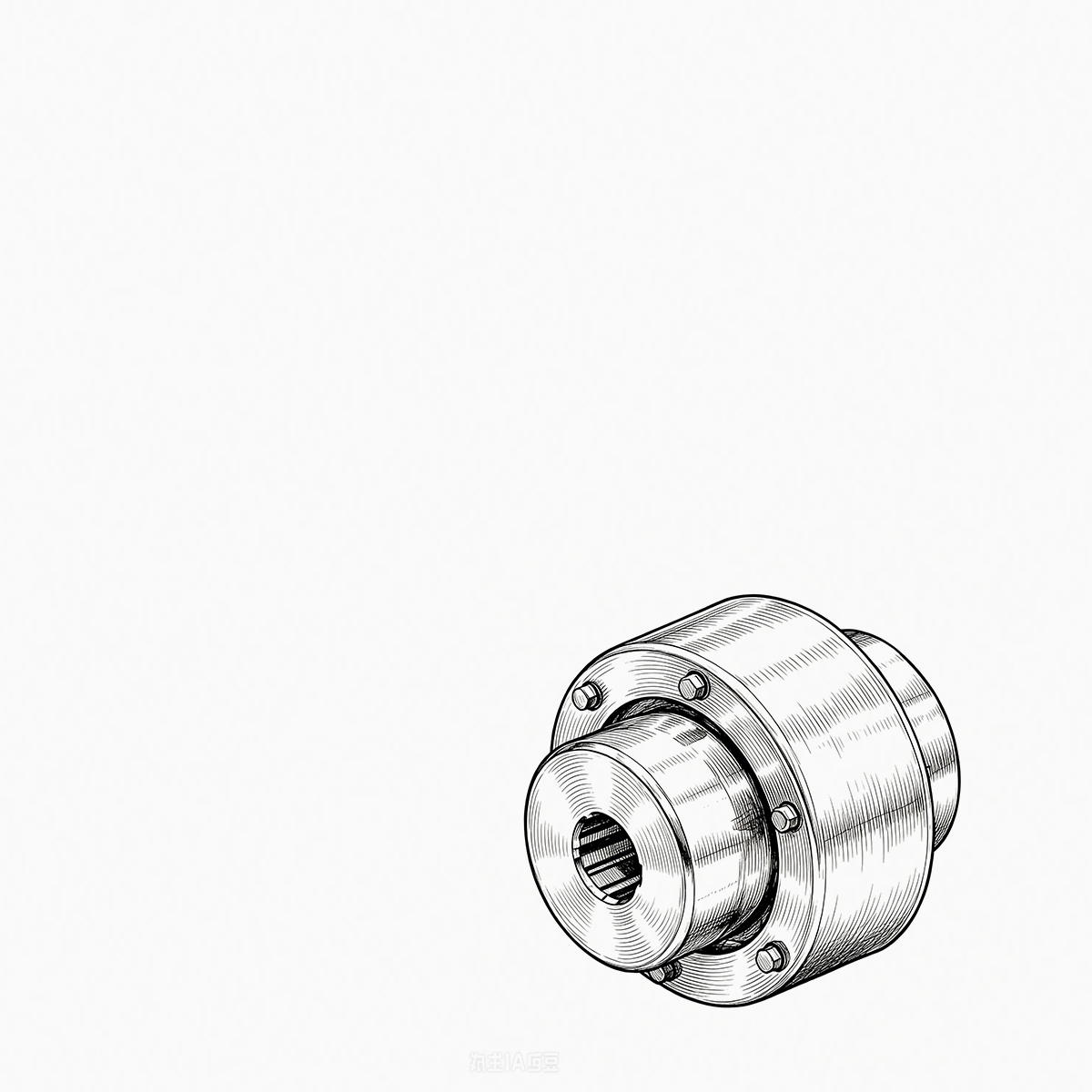
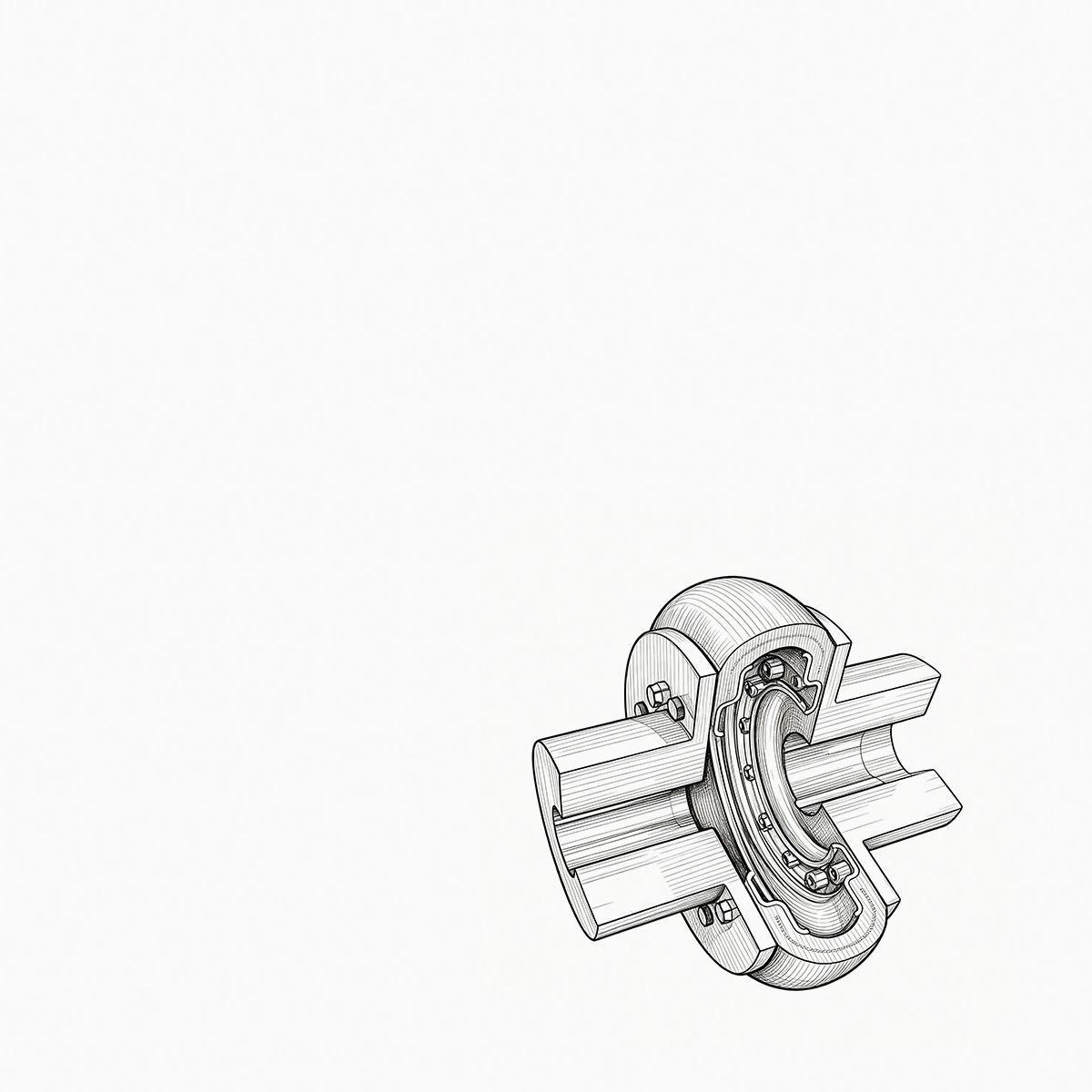
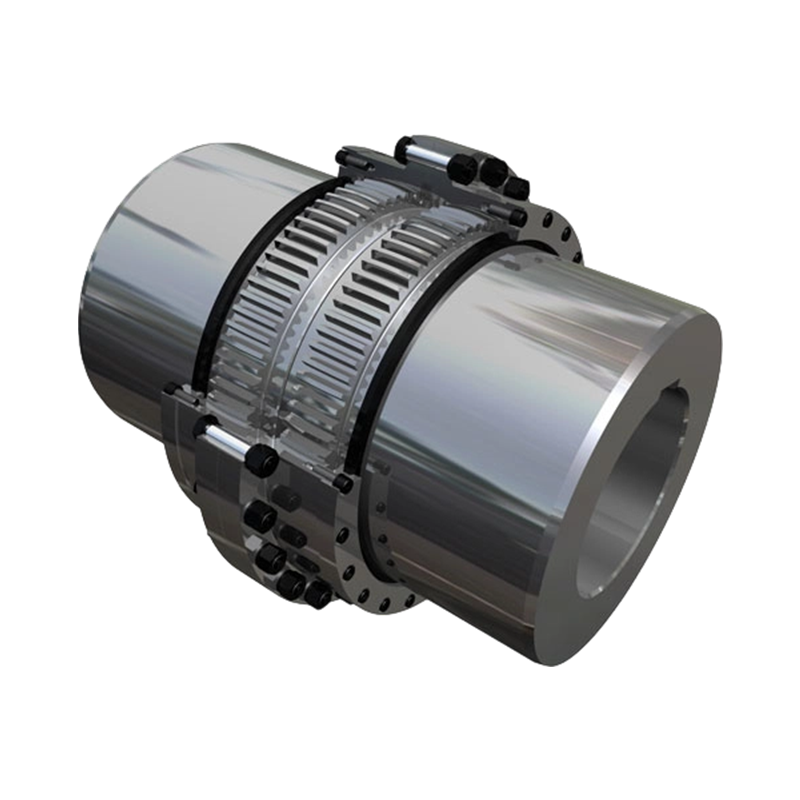
Among the heavy-duty options, drum gear couplings are a common choice for mills, crushers, and conveyor drives because they deliver high torque in a compact envelope. A well-made drum gear coupling with crowned gear teeth, such as the GICL series, distributes contact stress across the tooth flank and extends service life under continuous operation.
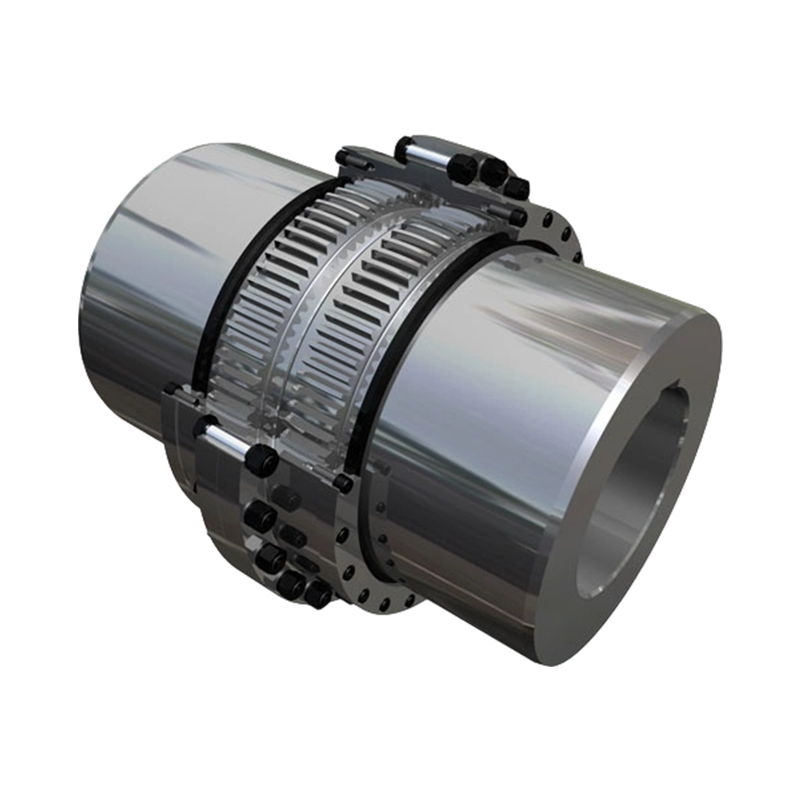 GICL Type Drum-type Gear Coupling for Heavy-Duty Torque TransmissionThis crowned-tooth drum gear coupling is built for low-speed, high-torque operations like mills and crushers, distributing contact stress evenly to extend service life under continuous heavy loads.View Product →
What Separates a Capable Flexible Coupling Manufacturer from the Rest
Catalog pages make many suppliers look identical. The real differences appear in four areas that are easy to miss during a quick quotation comparison.
Engineering and customization depth
A manufacturer that designs and builds couplings in-house can adapt bore sizes, keyways, flange dimensions, brake wheels, brake discs, and intermediate shafts without long detours. At the enquiry stage, ask whether the supplier can calculate the torque required with a proper service factor, verify critical speeds, and propose a coupling that fits your shaft arrangement. A supplier that only assembles purchased components is limited to whatever its parts allow.
Quality control and testing
Quality statements mean little without the supporting processes. Look for a factory with a strict quality supervision system, complete inspection and test equipment, and products that comply with national standards. For rotating components, the basic checks are material certificates, heat treatment records, dimensional inspection, and dynamic balancing. If a supplier cannot show test data for its standard model, assume the same will happen with your order.
Product range that covers real applications
Flexible coupling manufacturers that serve several industries accumulate design data that a narrow workshop cannot. A company supplying couplings to steel, marine, petrochemical, mining, power, and material-handling customers has solved alignment, vibration, and brake integration problems before, and that experience produces faster and safer recommendations for your plant.
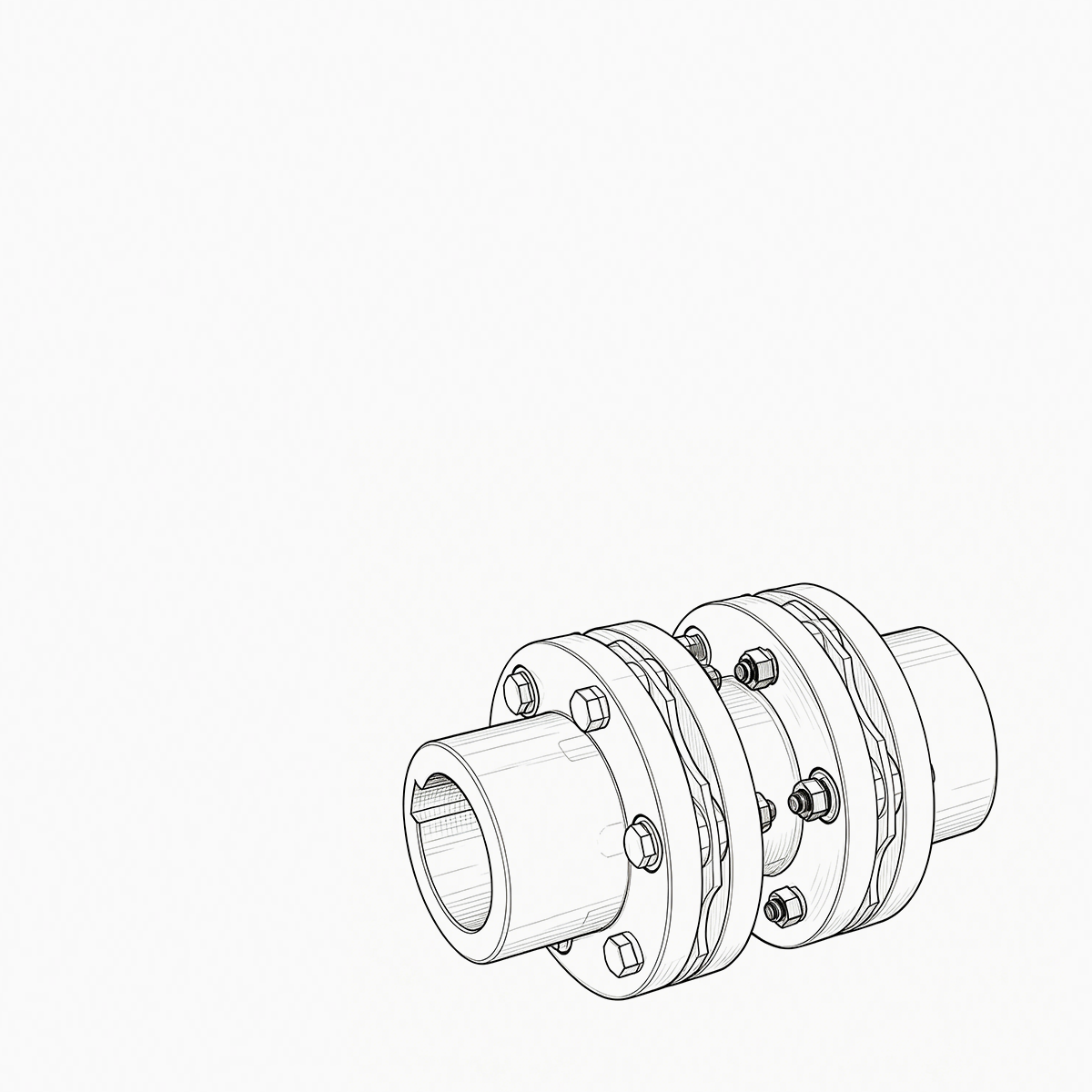
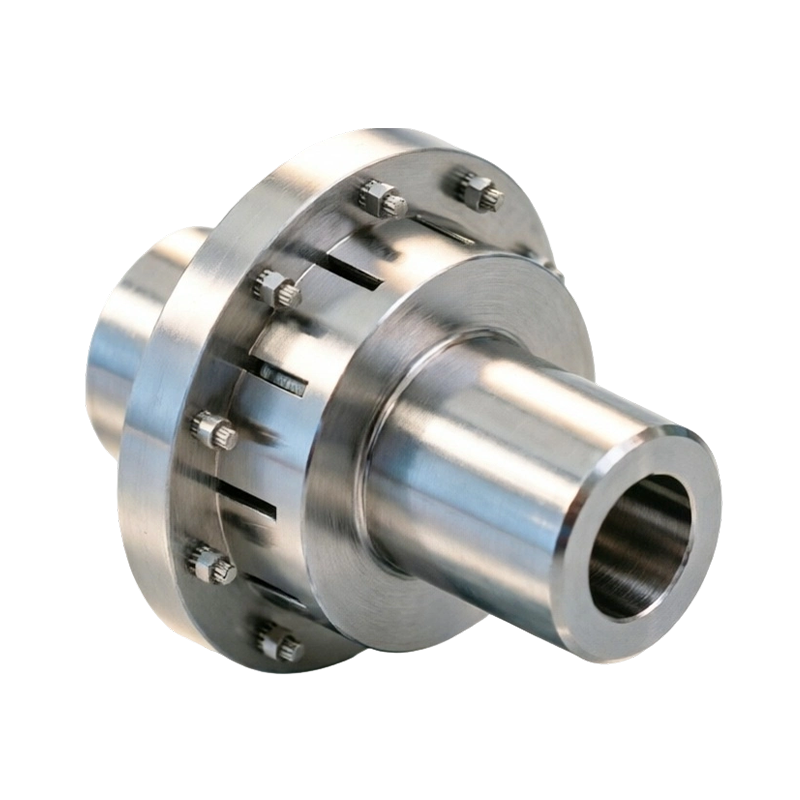
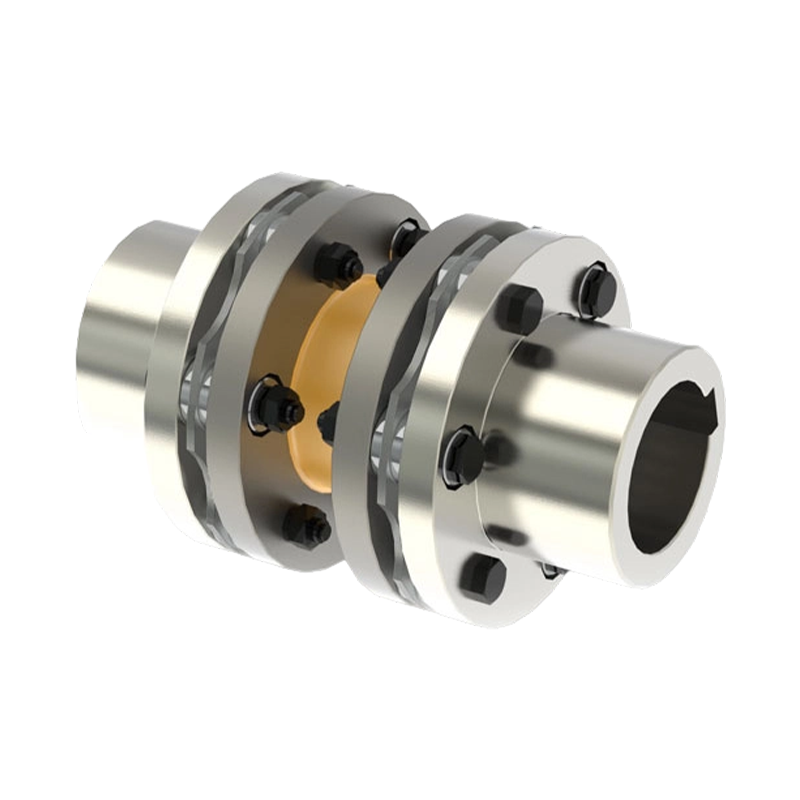
For high-speed or high-precision drives, diaphragm couplings remove the lubrication and backlash concerns of gear designs. A double-diaphragm coupling in the JMII series transmits torque between two sets of metal plates, giving zero backlash and no lubrication requirement while accommodating reasonable misalignment.
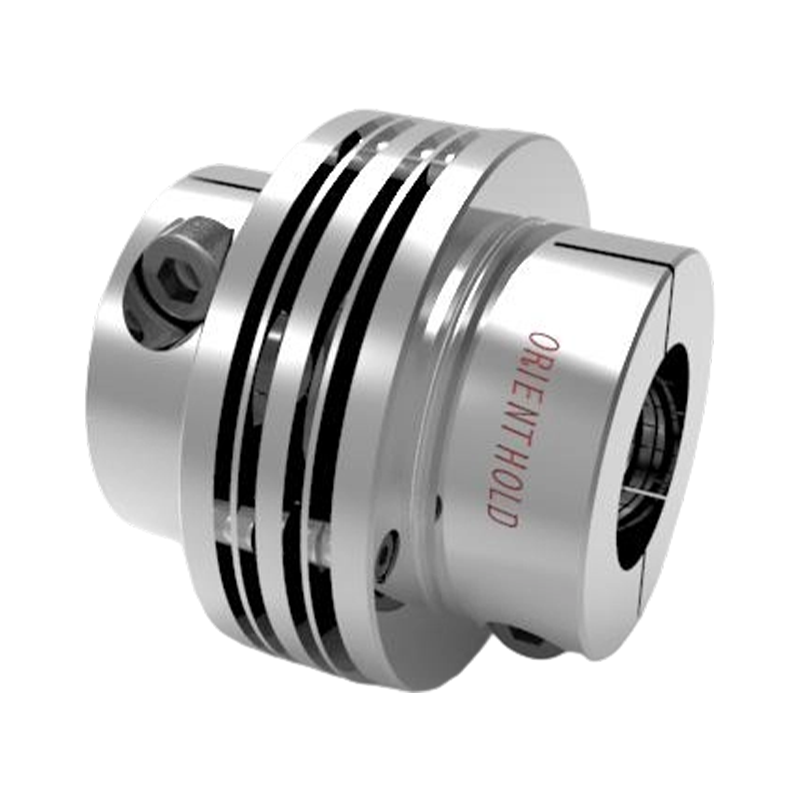 JMII Double-Diaphragm Coupling for Zero-Backlash Precision DrivesA maintenance-free, all-metal diaphragm coupling that eliminates lubrication and backlash, making it ideal for high-speed or high-precision applications where reliable misalignment compensation is critical.View Product →
Industry Experience Matters in a Flexible Coupling Manufacturer
Applications differ in severity. A steel mill imposes high peak loads and radiant heat; a marine drive adds saltwater corrosion and continuous duty; a mining conveyor demands tolerance to shock and dust; a crane drive is safety-critical and often includes a brake wheel or brake disc; petrochemical and power plants run continuous processes where unplanned stops are expensive.
Look for a manufacturer that demonstrates real experience in your sector instead of one that simply lists industries on its website. Crane and hoisting applications, for example, benefit from couplings designed specifically for frequent starts, braking, and heavy intermittent loads. A purpose-built product such as the DC-type crowned gear crane drum coupling combines the gear teeth and drum in a single unit, reducing the number of components mounted on the crane mechanism.
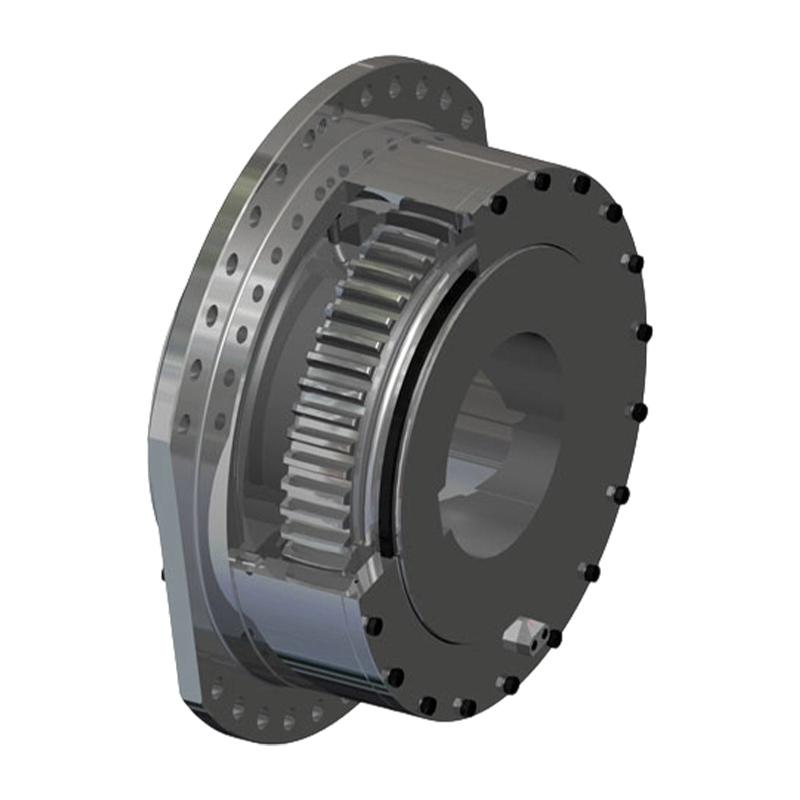 DC Type Crowned-Gear Drum Coupling for Crane and Hoisting SystemsDesigned specifically for hoisting transmission, this coupling combines gear teeth and drum in one unit, handling large radial loads and high torque while reducing component count on crane mechanisms.View Product →
The right supplier for a steel and metallurgy application may not be the right one for hoisting and construction machinery. Ask the manufacturer to reference similar installations in your industry and to explain how it handled the specific loads, speeds, and environmental conditions involved.
What to Verify Before You Place an Order
Once you have a shortlist, the practical checks are simple. These items determine whether the coupling will fit your machine and survive your operating conditions.
- Actual torque and service factor: provide the drive power, speed, and load characteristics so the manufacturer can size the coupling, not simply match a shaft diameter.
- Speed and balance grade: confirm the maximum speed and required balance quality. A coupling that runs quietly at 500 rpm may vibrate heavily at 3,000 rpm.
- Misalignment values: state the expected angular, parallel, and axial displacement. The chosen type must absorb these values without overloading its flexible elements.
- Bore and hub details: shaft diameters, keyways, fits, and hub lengths often need customization; confirm that the manufacturer machines them in-house.
- Brake and spacer options: if the drive needs a brake wheel, brake disc, intermediate shaft, or spacer, choose a design that integrates these features rather than adding separate parts.
- Environmental conditions: temperature, moisture, dust, chemical exposure, and open or enclosed mounting all matter. An elastomeric element may not survive a hot, oily environment where a gear or diaphragm design will.
- Documentation: request drawings, material certificates, test reports, and balance records before ordering. A serious manufacturer will supply them without hesitation.
A Selection Workflow That Reduces Procurement Risk
Following the same sequence on every enquiry keeps the evaluation objective and comparable across suppliers.
- Define the application envelope first: torque, speed, misalignment, bore sizes, space limits, and environment.
- Shortlist manufacturers that actually make the relevant type rather than resellers that offer everything.
- Ask each supplier for a coupling recommendation, drawings, and test documentation; compare technical depth, not only price.
- Check the manufacturer's industry experience; two reference installations in your field are worth more than a forty-page catalog.
- Evaluate after-sales support: lead time, spare-part availability, installation instructions, and maintenance guidance.
- Run a pilot order on the most critical drive; monitor temperature, vibration, and wear before standardizing on that supplier.
Flexible coupling manufacturers differ most in what a price list cannot show: engineering judgement, quality discipline, and the willingness to stand behind the product after delivery. A coupling is a small component, but its failure stops the entire machine. Choose a manufacturer that details, tests, and documents as if its reputation depends on it, because in rotating equipment, it does.
PREV: A Guide to Selecting, Fitting, and Maintaining Elastic Sleeve Pin CouplingsNEXT: Disc Coupling Manufacturers: A Practical Selection Guide for Industrial Buyers
Be the First to Know
For exclusive deals and latest offers, sign up by entering your email address below.
Related products
News
-
-
Industrial Couplings: The Definitive Technical Encyclopedia – Classification, Sizing, Failure Prevention, and Lifecycle...
READ MORE -
Rotating Equipment Engineering Why Diaphragm Coupling Wins in High-Speed Turbomachinery A close look at how elastic dia...
READ MORE -
Your compressor train is running at 9,800 rpm when the vibration monitor triggers an alarm. The first component your ma...
READ MORE -
A maintenance engineer pulls a failed coupling from a pump drive. The elastomer sleeves are cracked, the pin bolts are ...
READ MORE -
China's coupling industry is at a critical historical juncture of transformation from scale expansion to quality and eff...
READ MORE


ABOUT US
PRODUCTS
INDUSTRIES
CONTACT US
- Phone: +86-18652865511
- Email: sales@ohmach.com
- Address: No.1, Minying Developing Zone, Zhenjiang, Jiangsu, China
Copyright Zhenjiang Orienthold Machinery Co., Ltd. All Rights Reserved.
 Custom Industrial Shaft Coupling Manufacturers