 English
 русский
 Português
 عربى
عربى
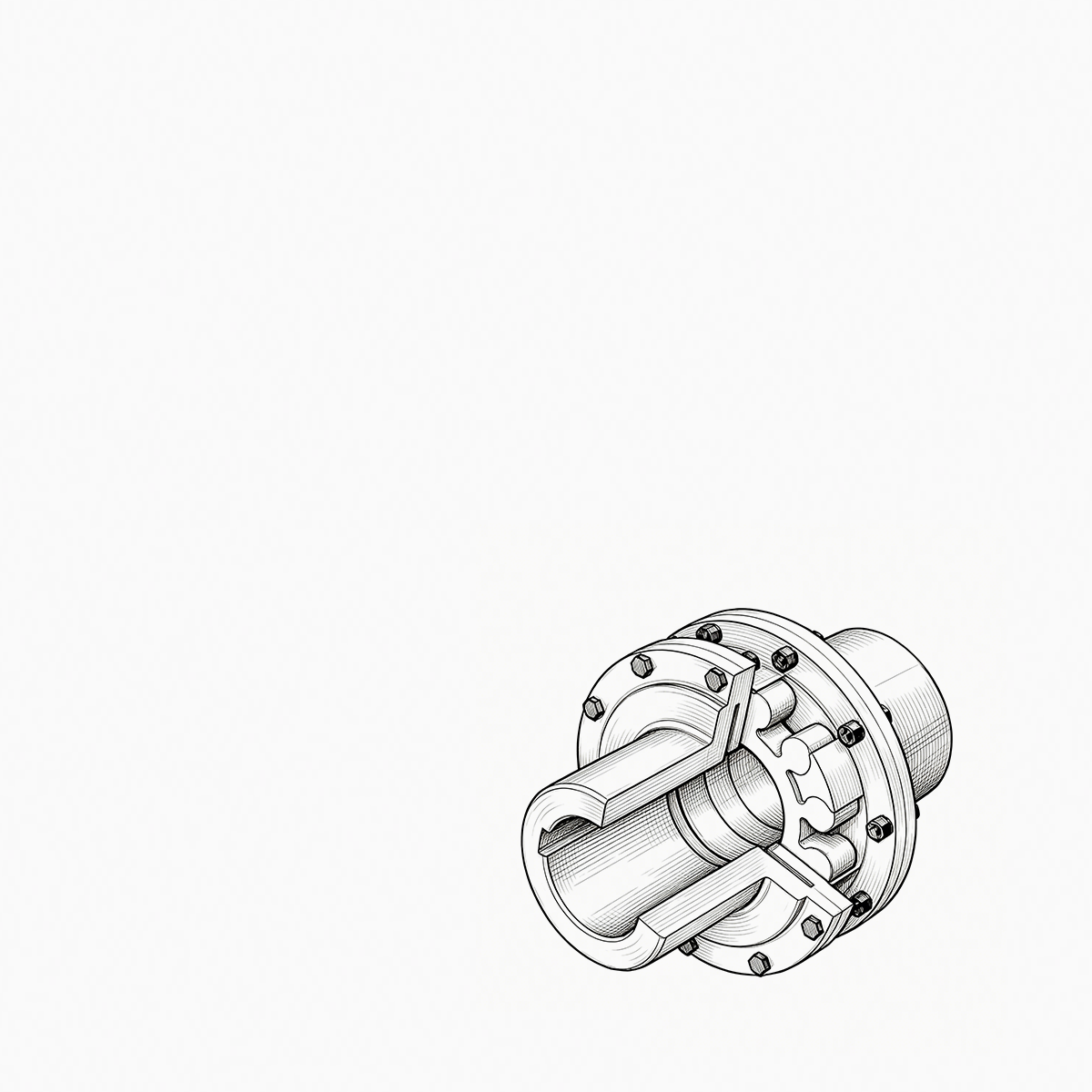
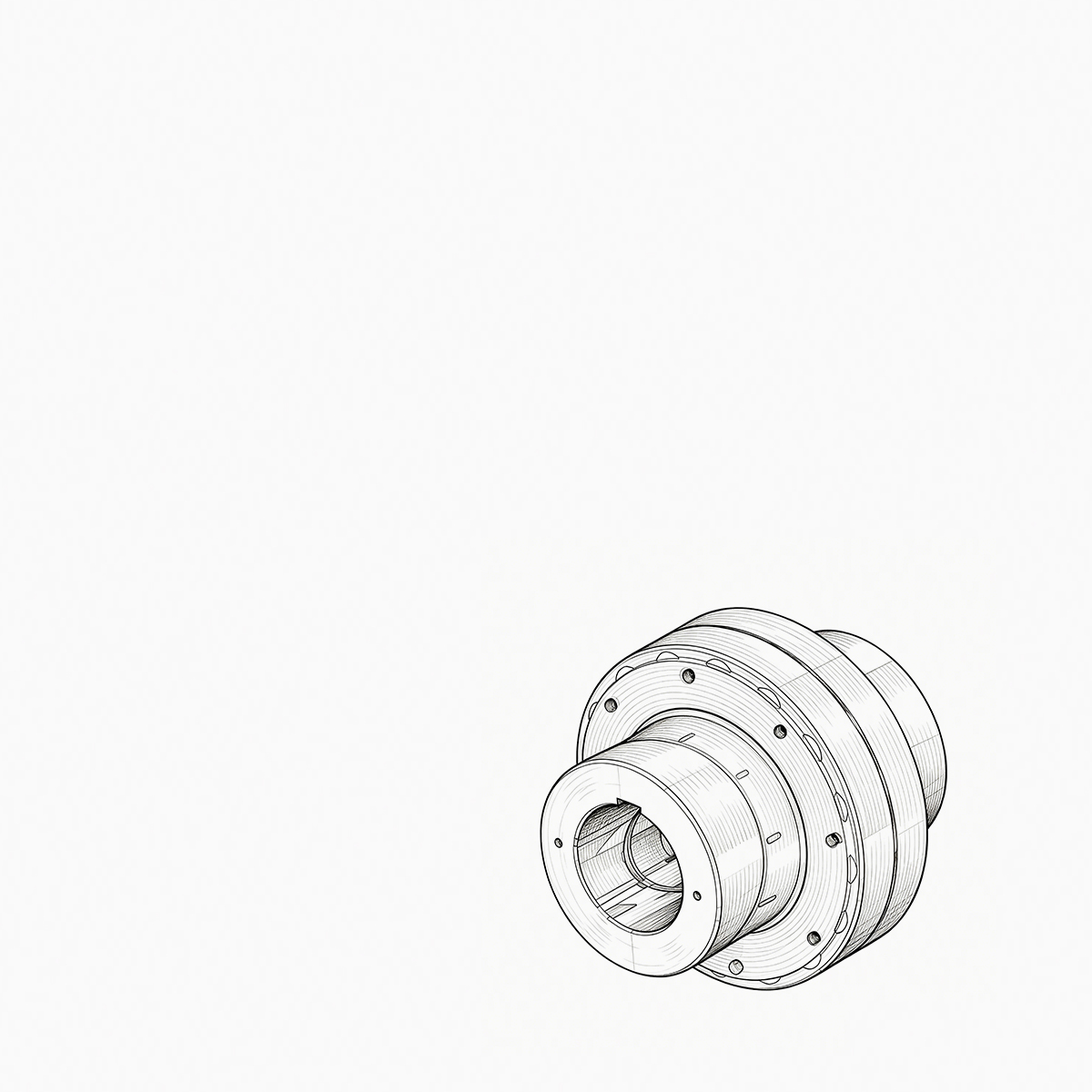
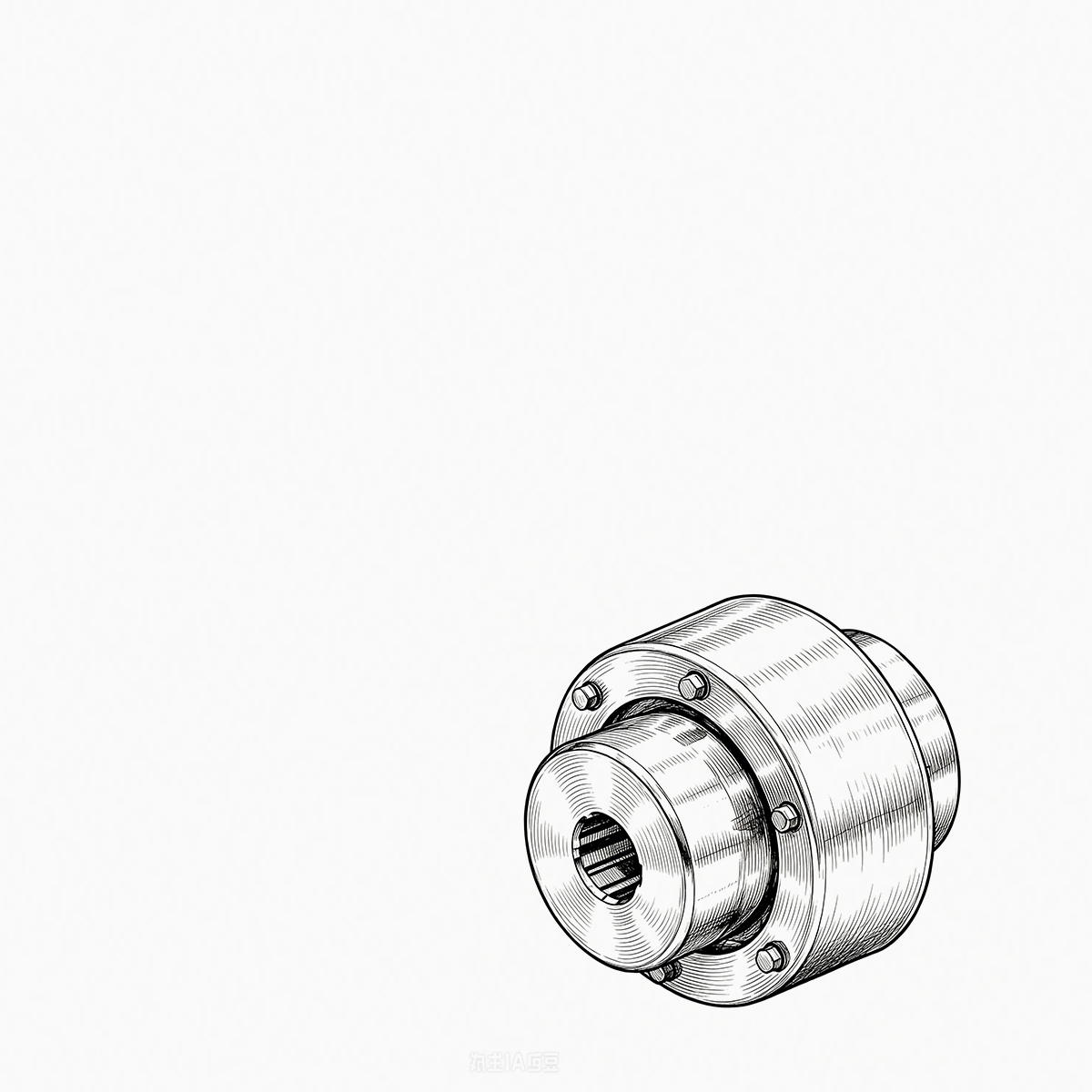
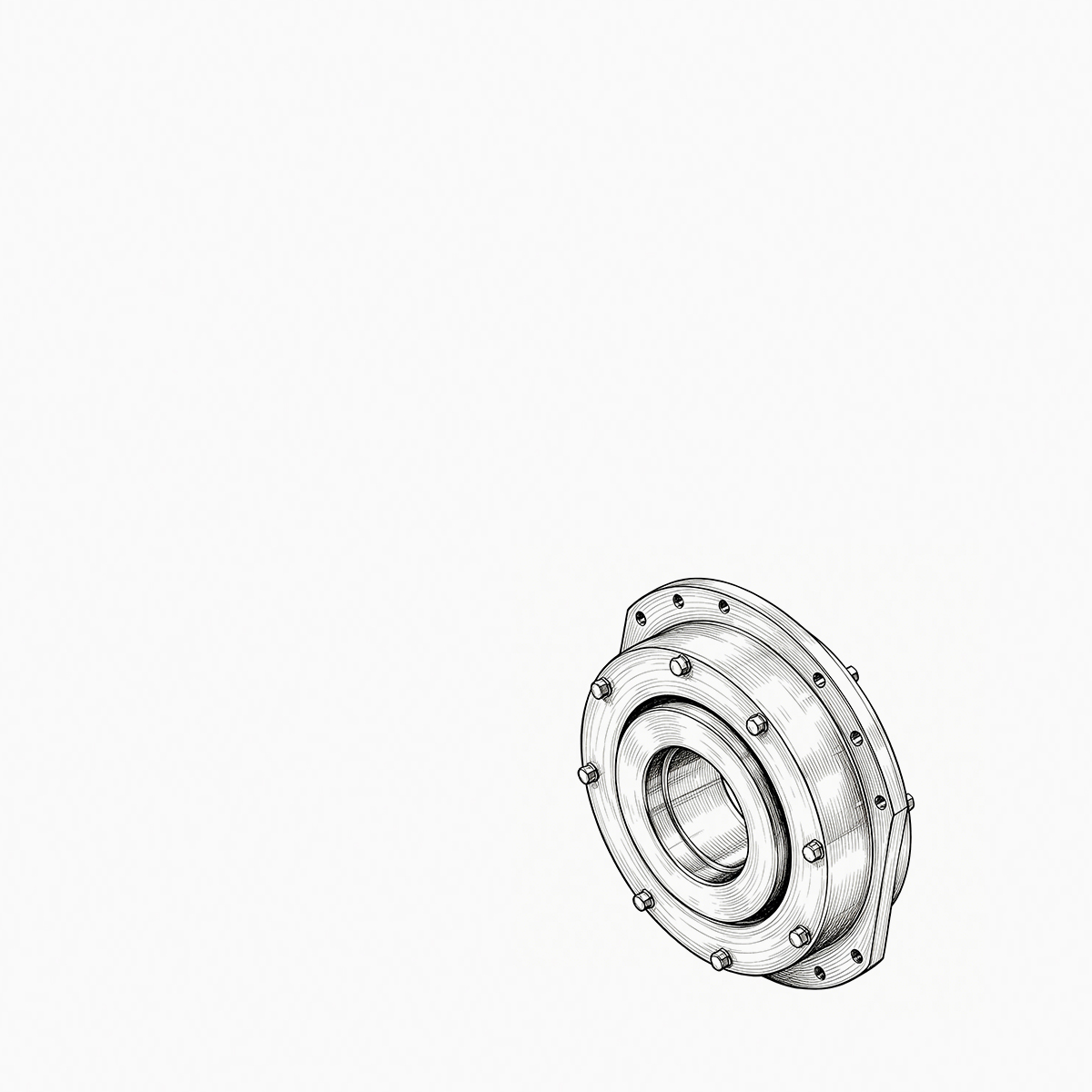
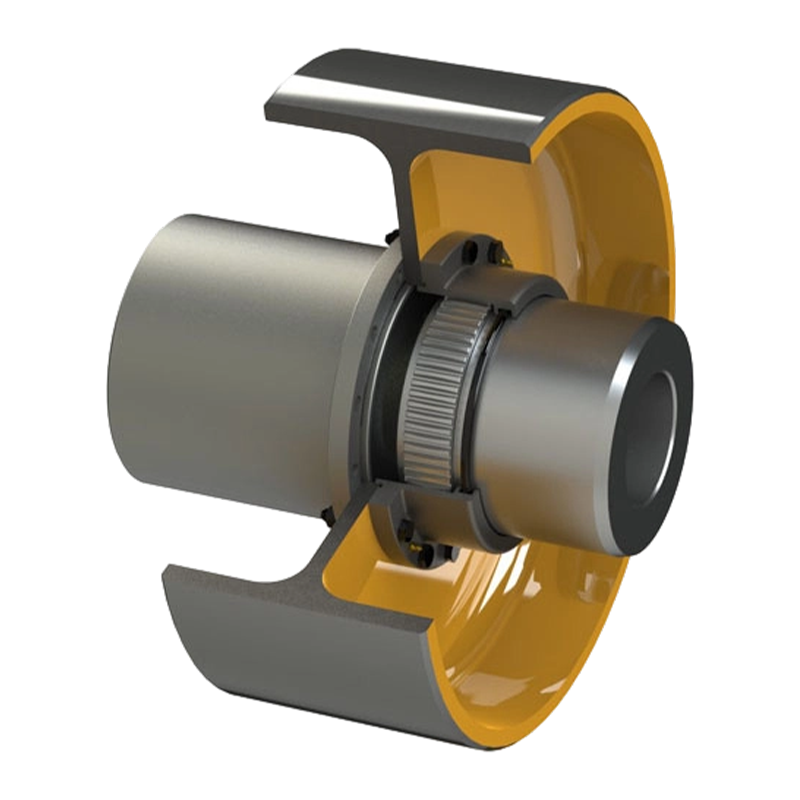
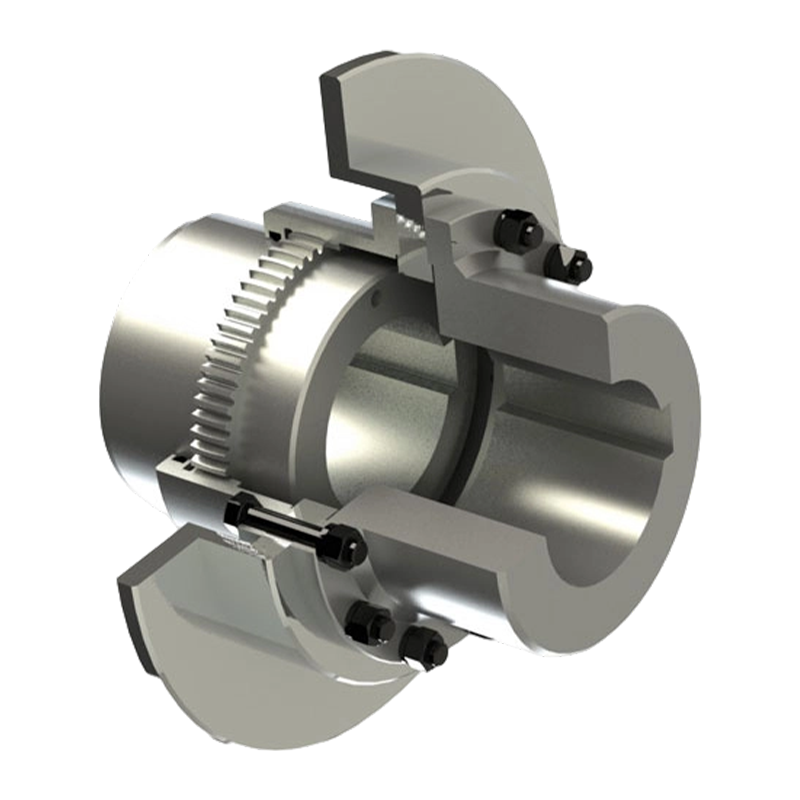
Two quotes land for the same replacement gear coupling: $1,850 from one shop and $2,600 from another. Both promise standard compliance, both quote four weeks, and the drawings loo...
READ MORE
 Elastic Sleeve Pin Coupling
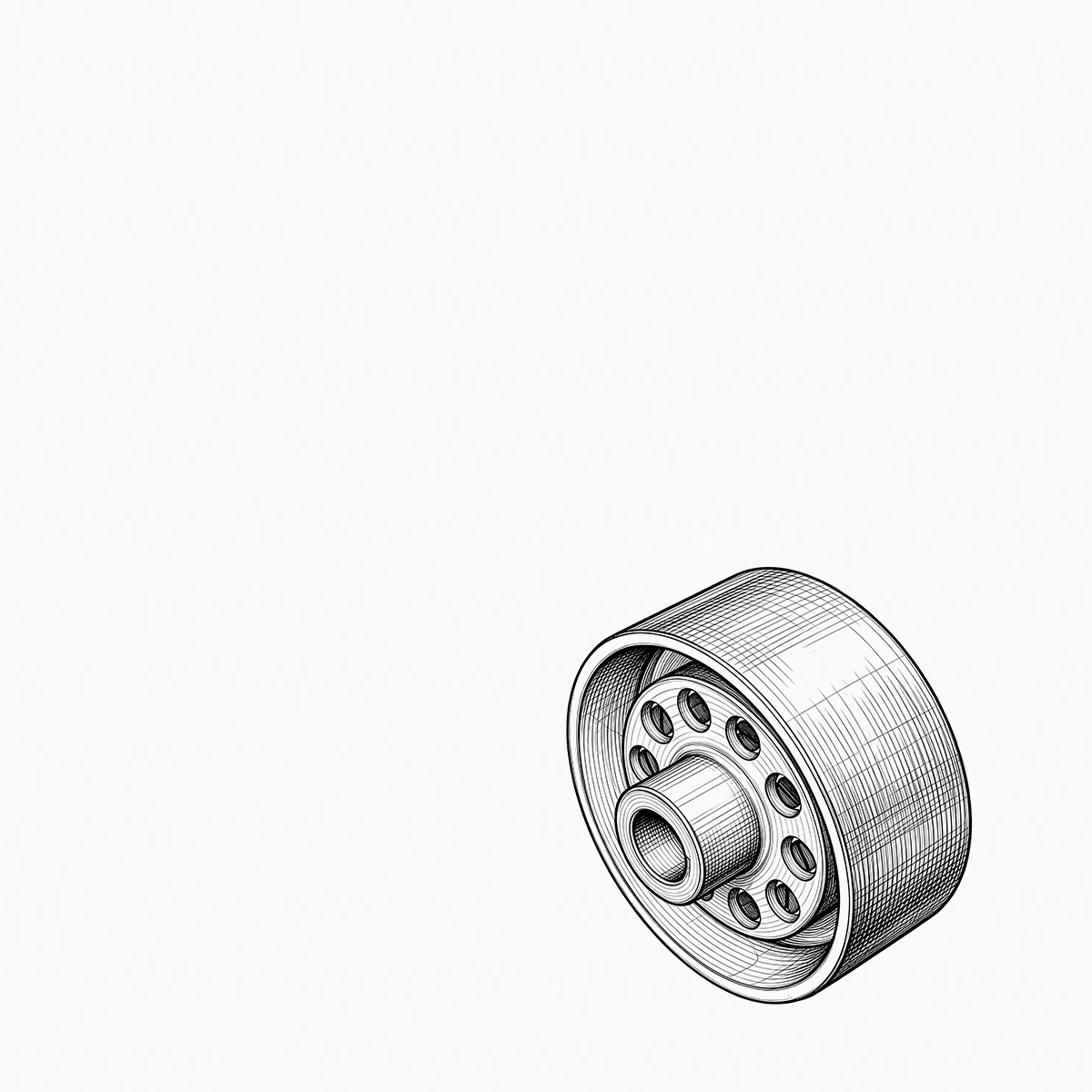
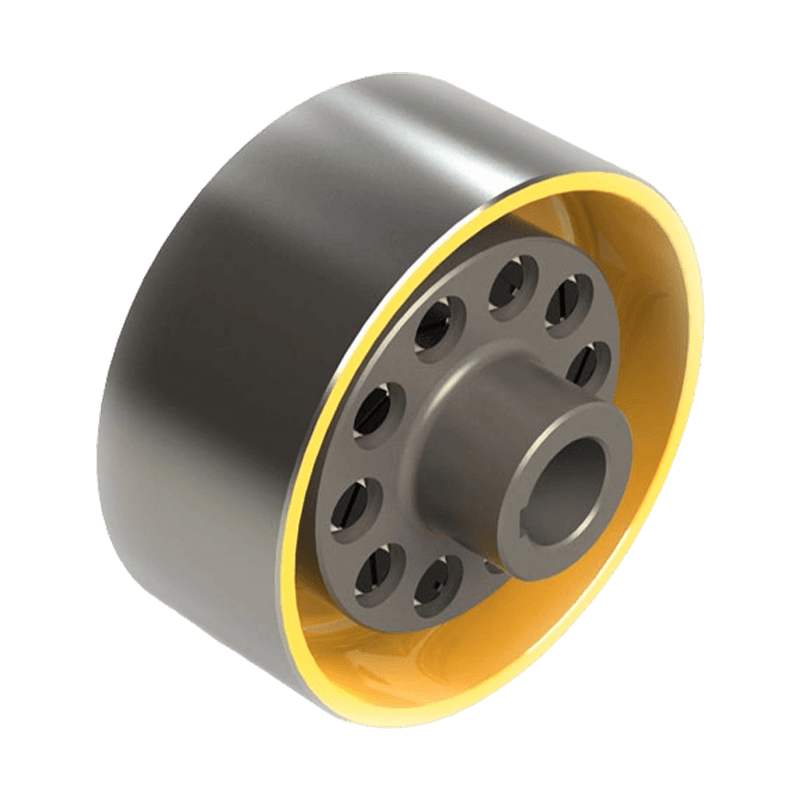
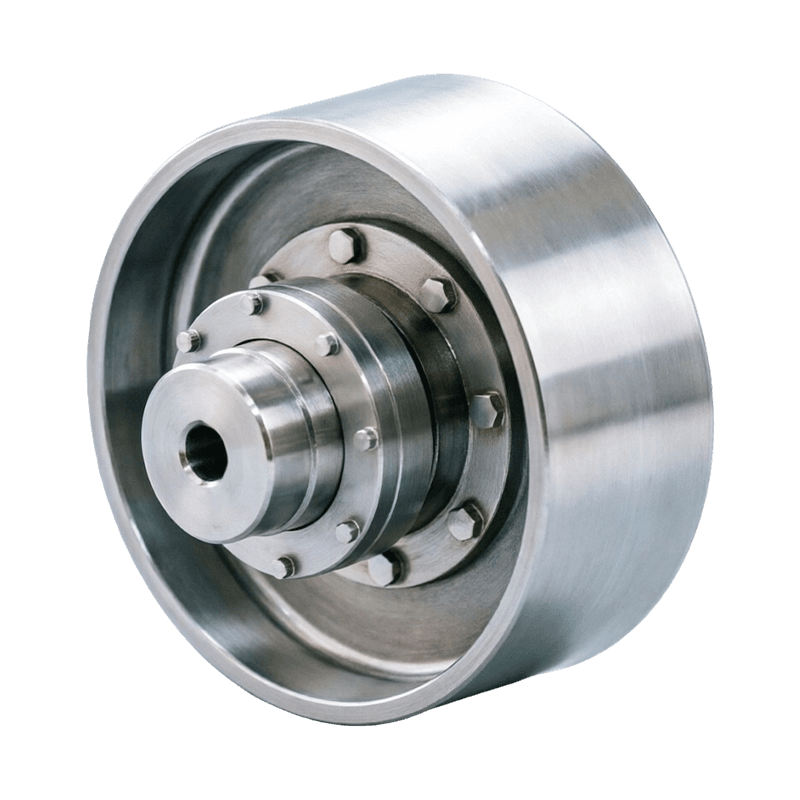
LTZ(TLL) Elastic Sleeve Pin Coupling with Brake Wheel
The LTZ(TLL) elastic sleeve pin coupling combines both transmission and braking functions, specifically designed for applications that require braking. The coupling transmits torque from the driving shaft to the elastic sleeve through the pins, which then smoothly transfers the torque to the driven shaft during compression deformation, enabling synchronized operation of both shafts. The elastic sleeve has excellent elastic recovery capabilities, effectively absorbing vibrations and impacts generated during operation. It compensates for minor axial, radial, and angular misalignments, reducing damage to the transmission system and equipment, thus extending the equipment's service life.
The LTZ(TLL) coupling also features a braking function, achieved through the cooperation of the brake wheel and an external brake. When the equipment needs to stop or decelerate, the brake and the brake wheel come into contact, generating frictional force that resists the rotation of the coupling, thereby halting the operation of both the driving and driven shafts. The braking process is fast and smooth, effectively preventing equipment damage or safety hazards caused by inertia, especially in applications that require frequent starts and stops or precise positioning.
The LTZ(TLL) coupling demonstrates excellent adaptability across a variety of industrial fields. In lifting machinery, such as bridge cranes and gantry cranes, the coupling not only ensures smooth torque transmission but also provides reliable braking to ensure precise positioning and smooth lifting of heavy loads, preventing safety accidents. In mining machinery, where hoists and conveyors require frequent starts and stops, the LTZ coupling's wear-resistant and corrosion-resistant properties make it suitable for harsh working environments, providing stable transmission and braking performance to ensure efficient operation. The coupling is also widely used in port machinery, construction machinery, and other fields. Its compact structure and reliable performance make it an essential component in various high-demand industrial applications.
Company

Zhenjiang Orienthold Machinery Co., Ltd.
As China LTZ Elastic Sleeve Pin Coupling with Brake Wheel Factory and LTZ Elastic Sleeve Pin Coupling Manufacturers, Zhenjiang Orienthold Machinery Co., Ltd. is a medium-sized enterprise specialized in the production of couplings and papermak-ing machinery, integrating design, production and service.
Boasting strong technical strength, advanced equipment and comprehensive testing methods, our products are widely used in industries and equipment such as transportation, metallurgy, chemical engineering, mining, construction and hoisting, and are supplied to various large-scale enterprises all year round.
Equipped with a strict quality supervision system as well as complete inspection and testing instruments and equipment, our products fully comply with national standards. In particular, the production technology and quality of our papermaking machinery have reached international levels. Our products have won wide praise in the market and gained high recognition from customers.
Contact us
Sign up with your email to grab exclusive discounts, latest industry news and potential overseas inquiries. Don’t miss out on business opportunities worldwide.
Related products
News
-
-
Consider a 250 kW crane hoist that begins to vibrate only when the load is lifted. The drum gear coupling is inspected after a few months and the tooth wear is concentrated on one...
READ MORE -
A maintenance engineer pulls a failed coupling from a pump drive. The elastomer sleeves are cracked, the pin bolts are scored, and the hub bore shows the tell-tale fretting marks ...
READ MORE -
A rotating equipment engineer at a steel finishing mill recently described a flexible coupling that had failed twice in fourteen months. The first replacement came from the origin...
READ MORE -
Your compressor train is running at 9,800 rpm when the vibration monitor triggers an alarm. The first component your maintenance team inspects is the coupling. If the disc couplin...
READ MORE


ABOUT US
PRODUCTS
INDUSTRIES
CONTACT US
- Phone: +86-18652865511
- Email: sales@ohmach.com
- Address: No.1, Minying Developing Zone, Zhenjiang, Jiangsu, China
Copyright Zhenjiang Orienthold Machinery Co., Ltd. All Rights Reserved.
 Wholesale LTZ Elastic Sleeve Pin Coupling Manufacturers