 English
 русский
 Português
 عربى
عربى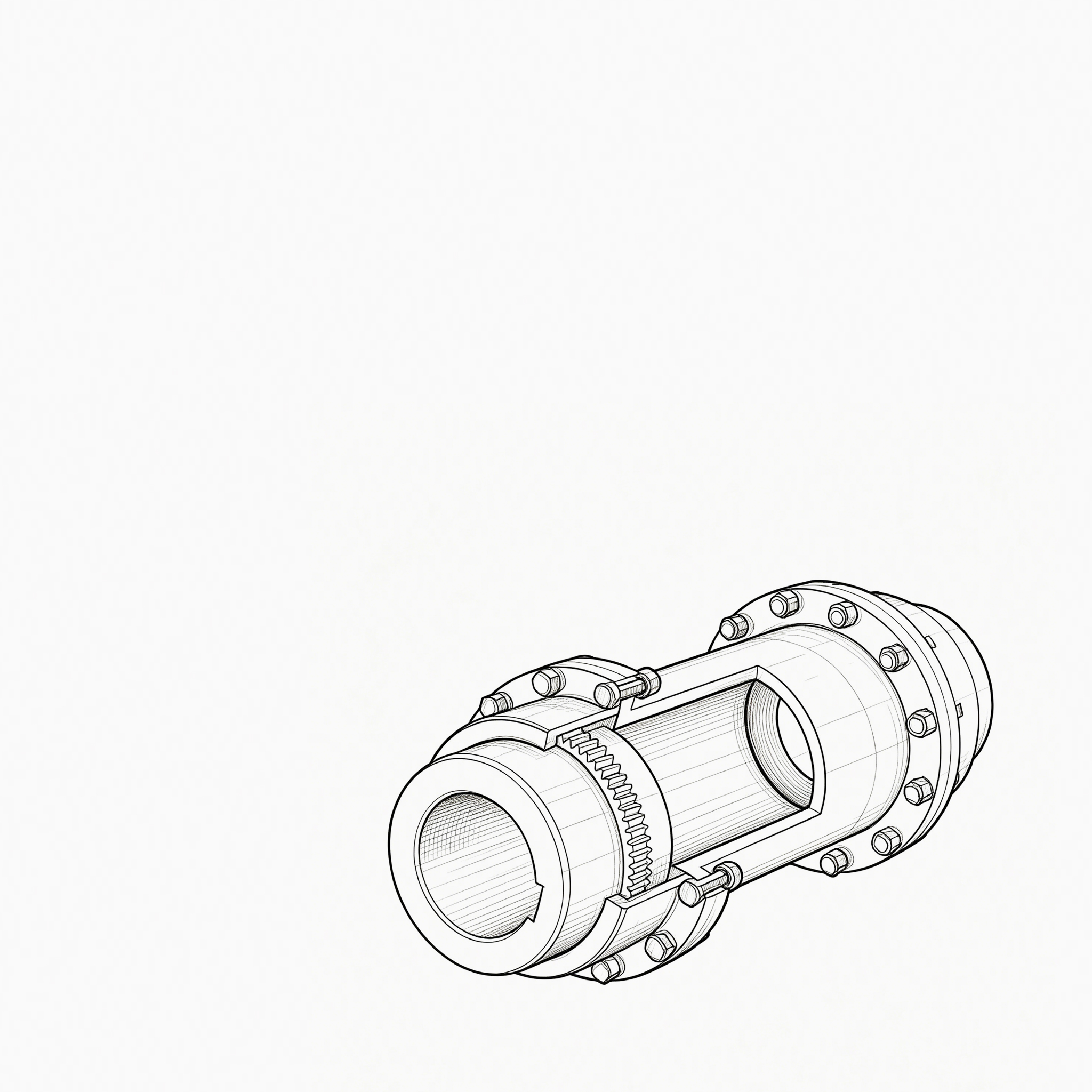
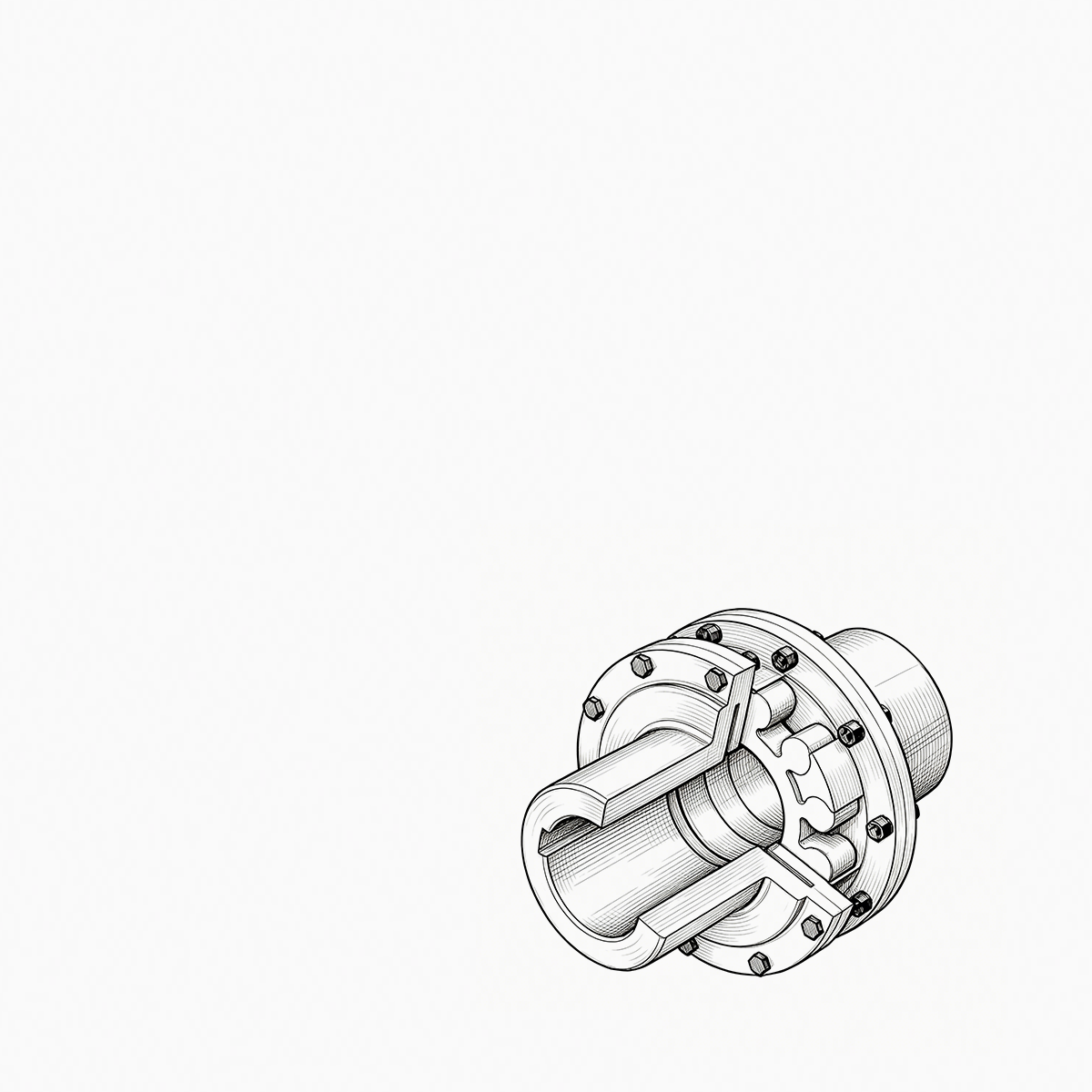
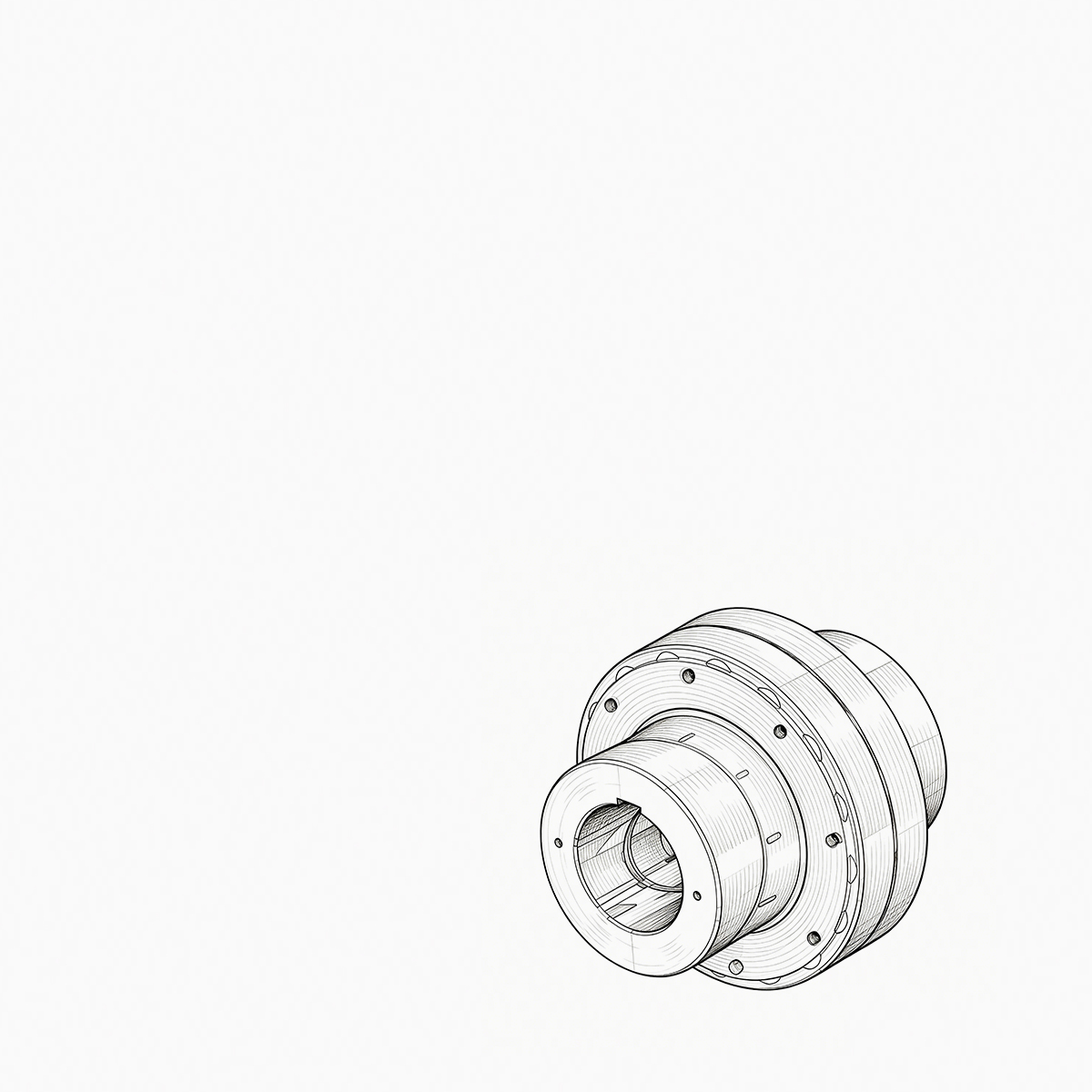
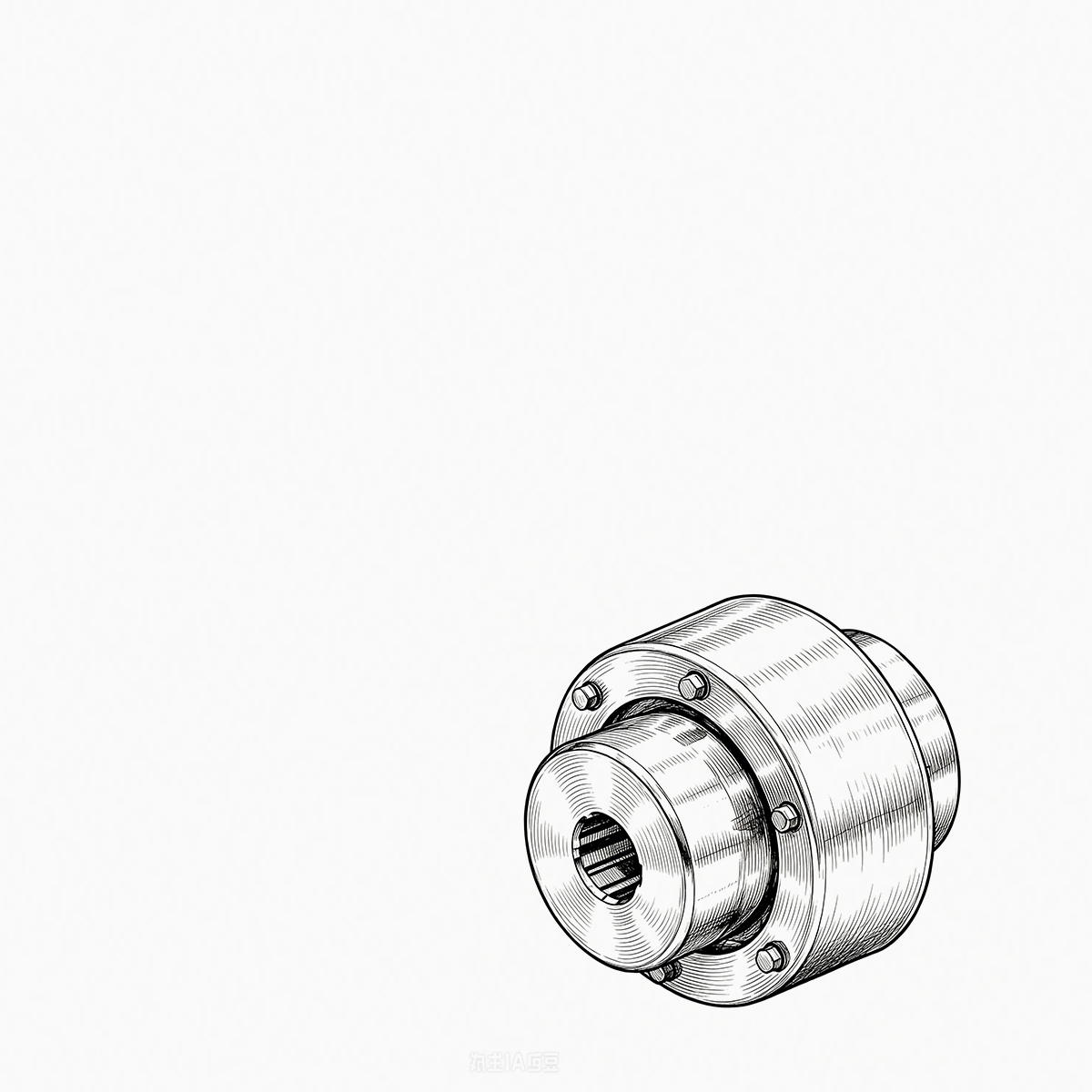
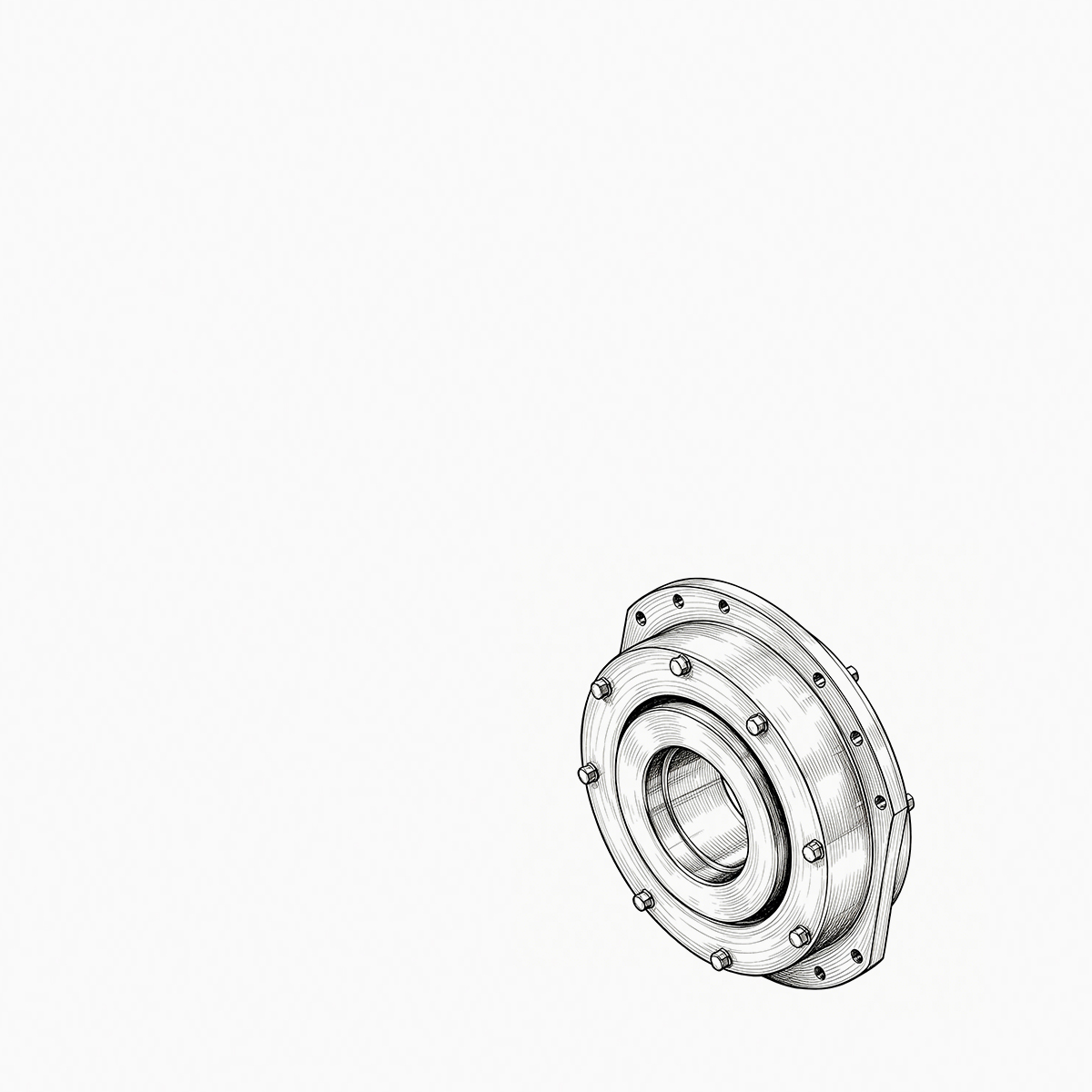
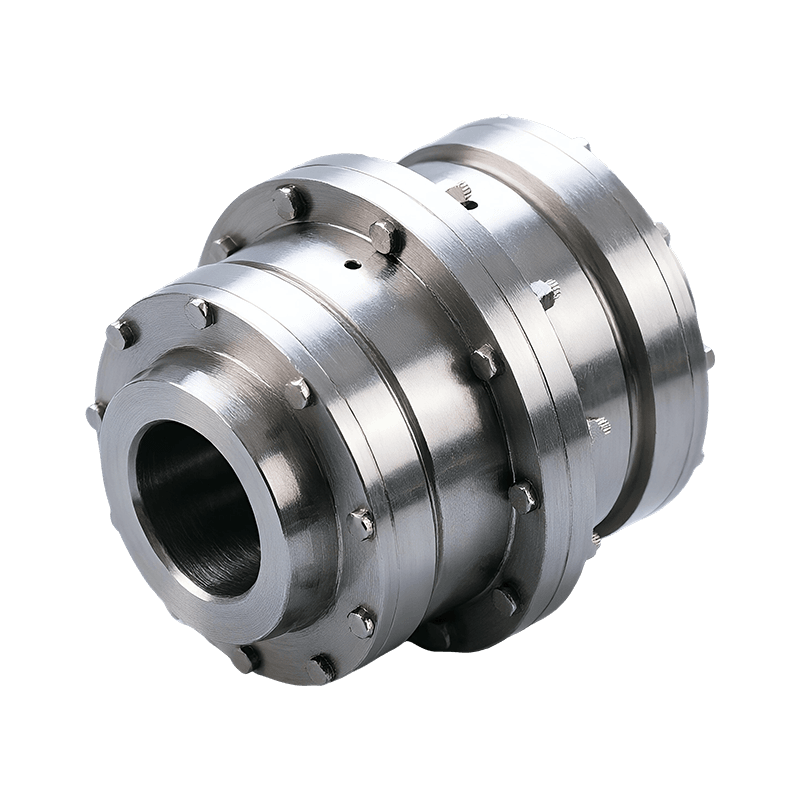
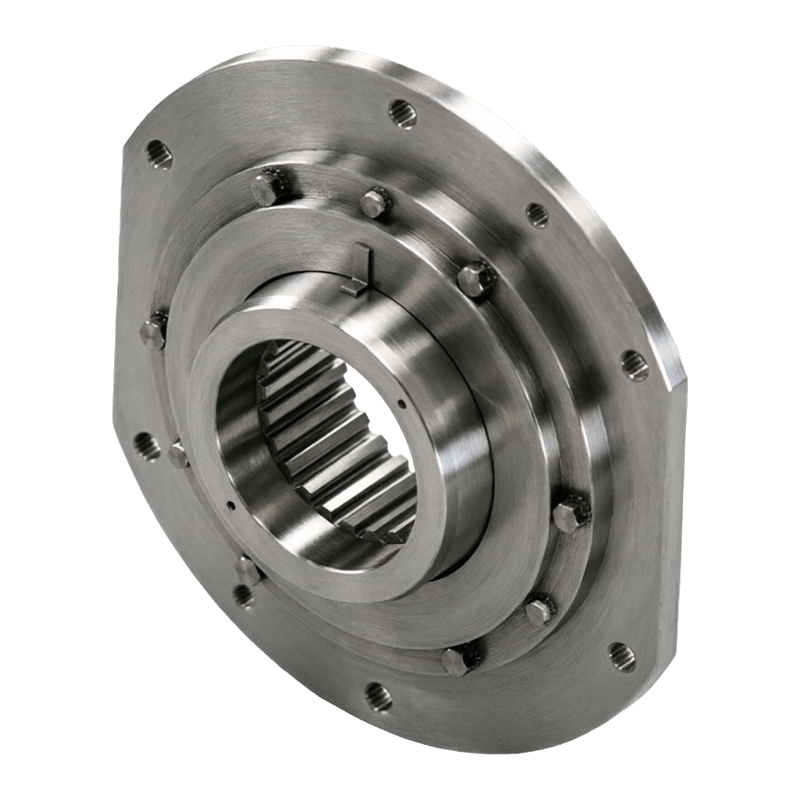

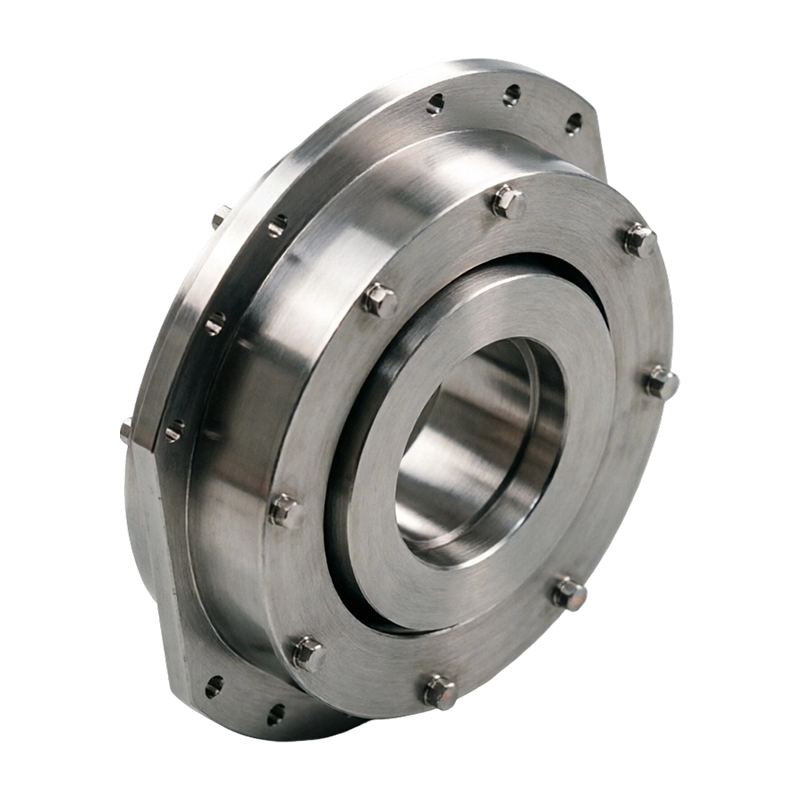
Two quotes land for the same replacement gear coupling: $1,850 from one shop and $2,600 from another. Both promise standard compliance, both quote four weeks, and the drawings loo...
READ MORE
 Tire Coupling
LLB Type Tyre Coupling
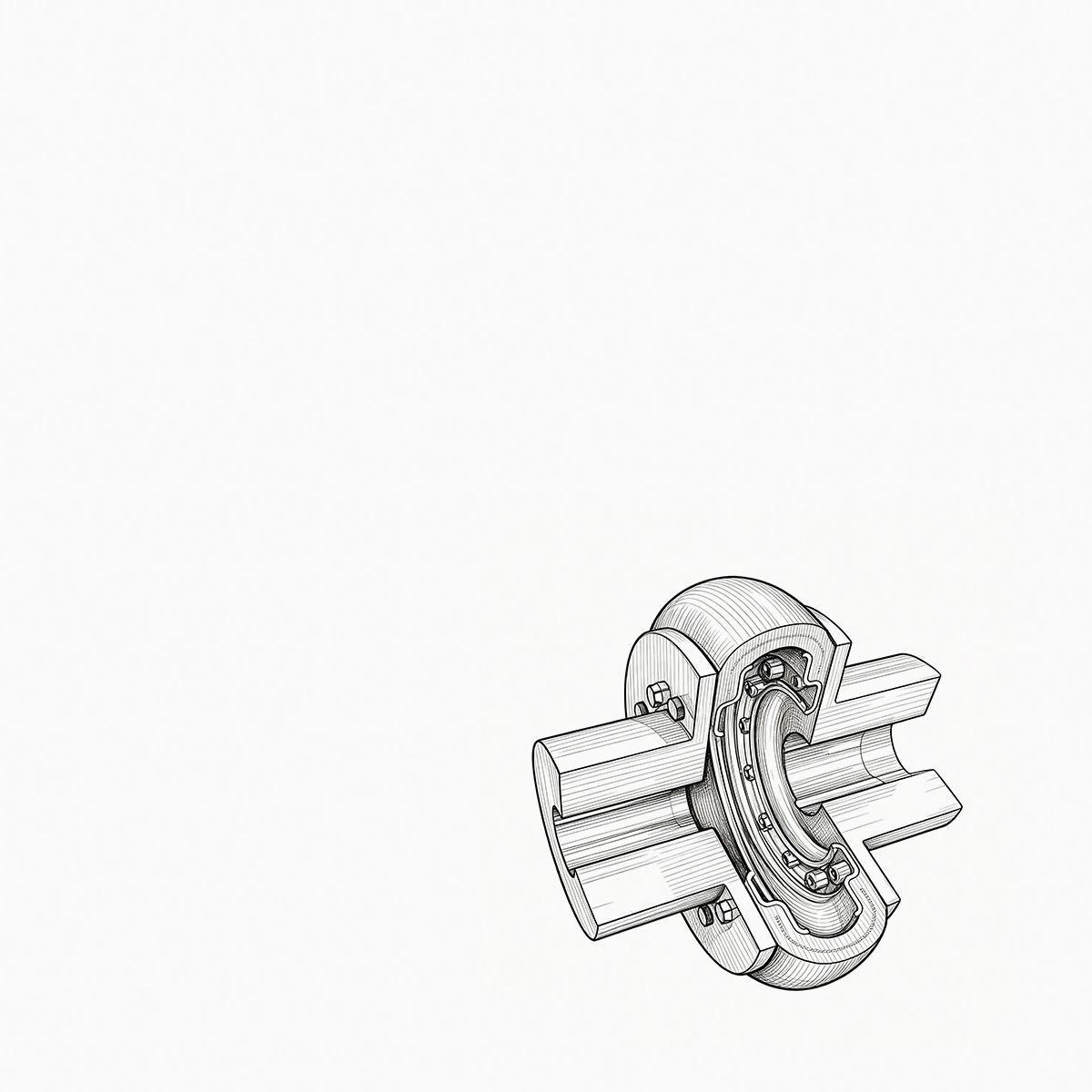
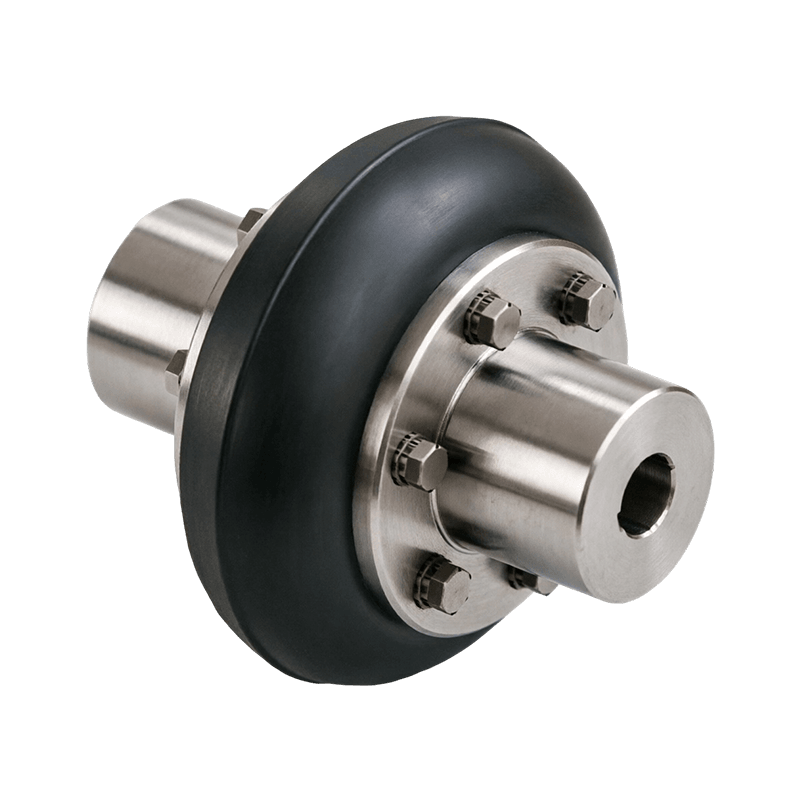
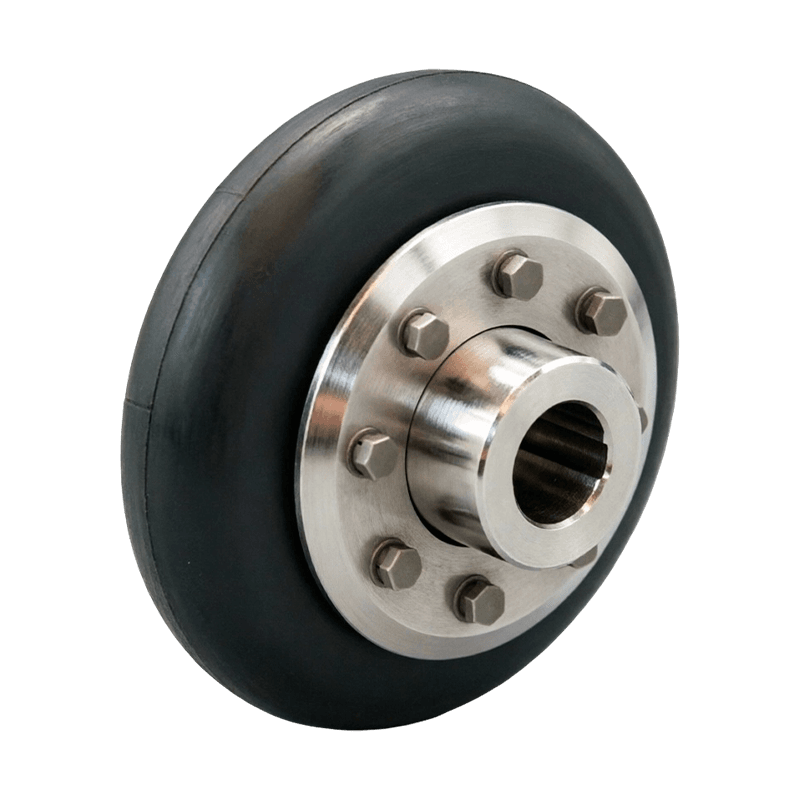
The LLB type tyre coupling is a highly elastic industrial coupling capable of stable operation within a working temperature range of -20°C to 80°C, and able to transmit torque of 10 to 20,000 N·m, combining excellent vibration damping and cushioning performance with shaft misalignment compensation capability. As the elastic element adopts an integral tyre body design, assembly, disassembly, and maintenance are very convenient, requiring no lubrication, while remaining durable and reliable to ensure long-term stable operation.
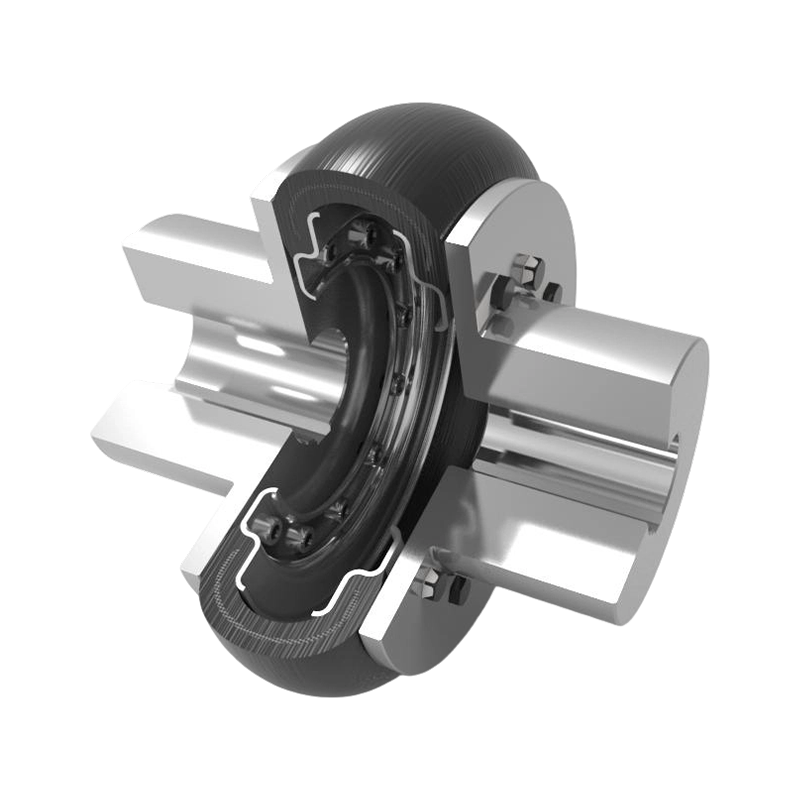
The LLB type coupling features a simple and rational structure, consisting of two metal coupling halves, one integral tyre body, and connecting bolts, assembled in an axial assembly manner. The metal coupling halves are mostly manufactured from high-strength cast iron or cast steel; some heavy-duty models are machined from forged steel and processed through multiple precision procedures, ensuring sufficient structural strength and connection reliability during transmission to steadily sustain torque and loads. The tyre body, as the core elastic element, is compositely made of rubber and skeleton materials such as nylon cord, firmly bonded to the metal skeleton through a vulcanization process. The tear strength of optimized models is significantly improved, and the improved rubber compound enhances weather resistance, enabling adaptation to a wider temperature range; some special models can extend to -30°C to 85°C, suitable for different regional and environmental conditions.
The closed tyre body design also provides good sealing performance, effectively preventing ingress of contaminants and grease leakage, extending the service life of the coupling and transmission system. With its high strength, reliable durability, excellent cushioning and vibration damping, and multi-directional compensation capability, the LLB type tyre coupling has become an ideal choice for transmission systems operating under heavy-load and complex vibration conditions.
Company

Zhenjiang Orienthold Machinery Co., Ltd.
As China LLB Type Tyre Coupling Factory and LLB Type Tyre Coupling Manufacturers, Zhenjiang Orienthold Machinery Co., Ltd. is a medium-sized enterprise specialized in the production of couplings and papermak-ing machinery, integrating design, production and service.
Boasting strong technical strength, advanced equipment and comprehensive testing methods, our products are widely used in industries and equipment such as transportation, metallurgy, chemical engineering, mining, construction and hoisting, and are supplied to various large-scale enterprises all year round.
Equipped with a strict quality supervision system as well as complete inspection and testing instruments and equipment, our products fully comply with national standards. In particular, the production technology and quality of our papermaking machinery have reached international levels. Our products have won wide praise in the market and gained high recognition from customers.
Contact us
Sign up with your email to grab exclusive discounts, latest industry news and potential overseas inquiries. Don’t miss out on business opportunities worldwide.
News
-
-
Consider a 250 kW crane hoist that begins to vibrate only when the load is lifted. The drum gear coupling is inspected after a few months and the tooth wear is concentrated on one...
READ MORE -
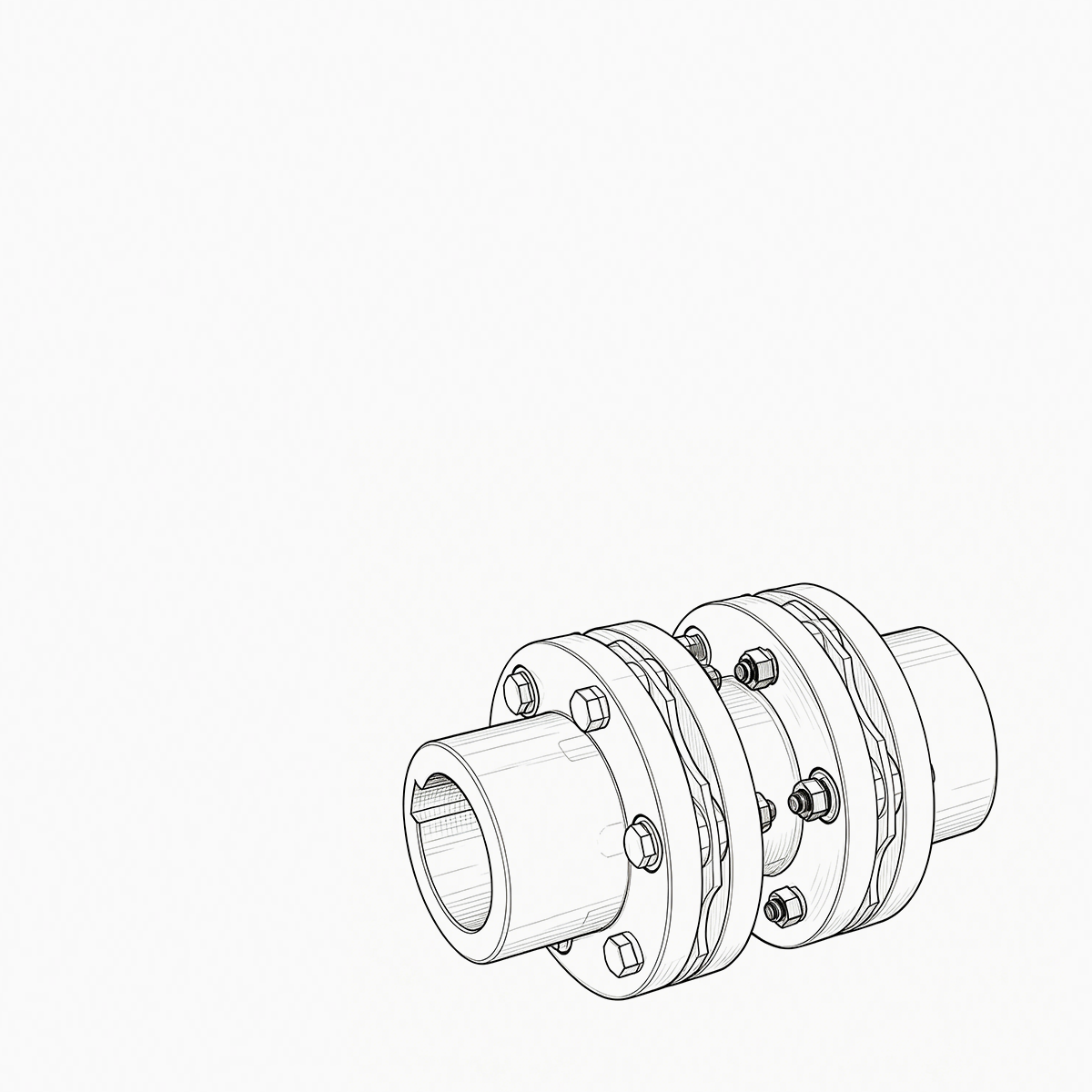
A maintenance engineer pulls a failed coupling from a pump drive. The elastomer sleeves are cracked, the pin bolts are scored, and the hub bore shows the tell-tale fretting marks ...
READ MORE -
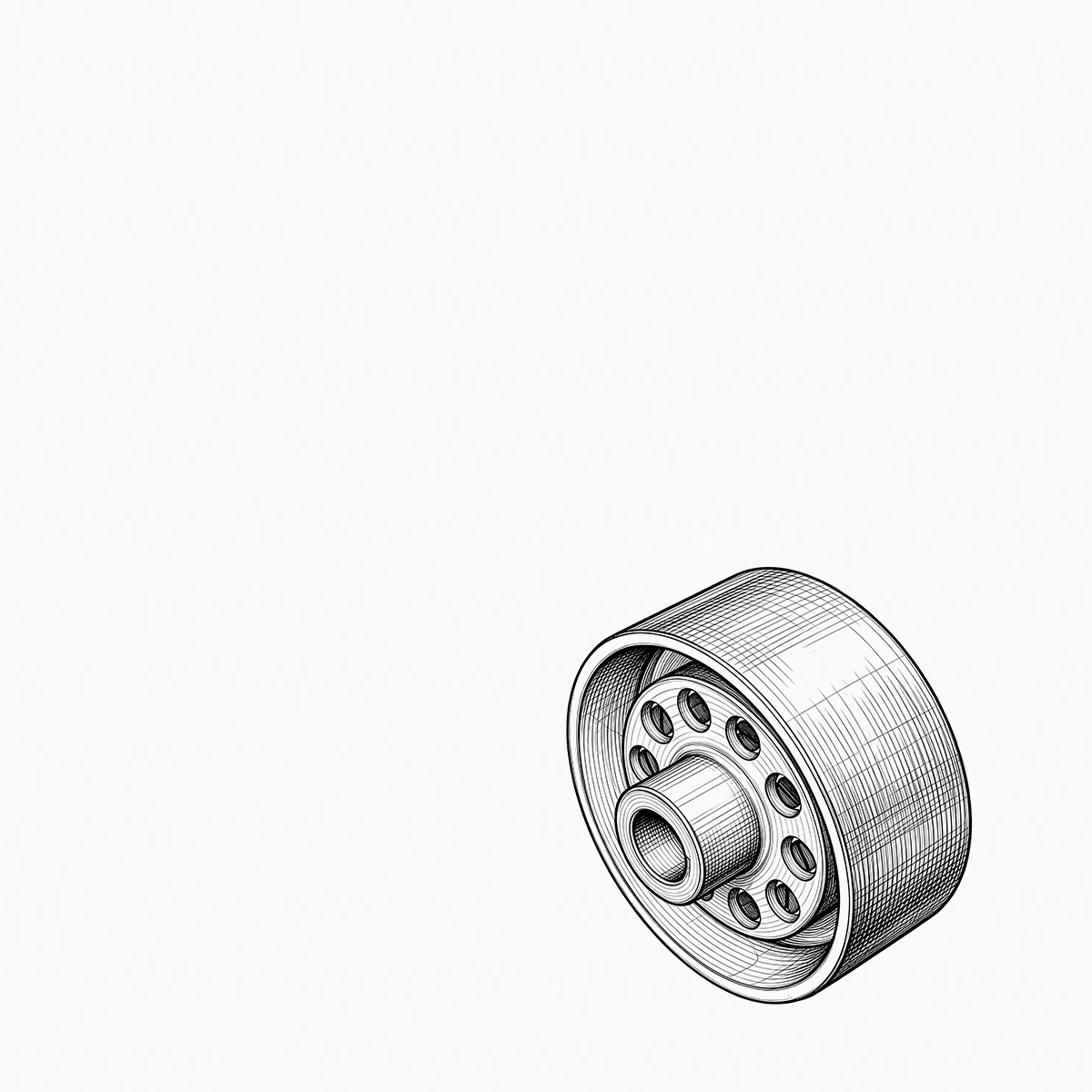
A rotating equipment engineer at a steel finishing mill recently described a flexible coupling that had failed twice in fourteen months. The first replacement came from the origin...
READ MORE -
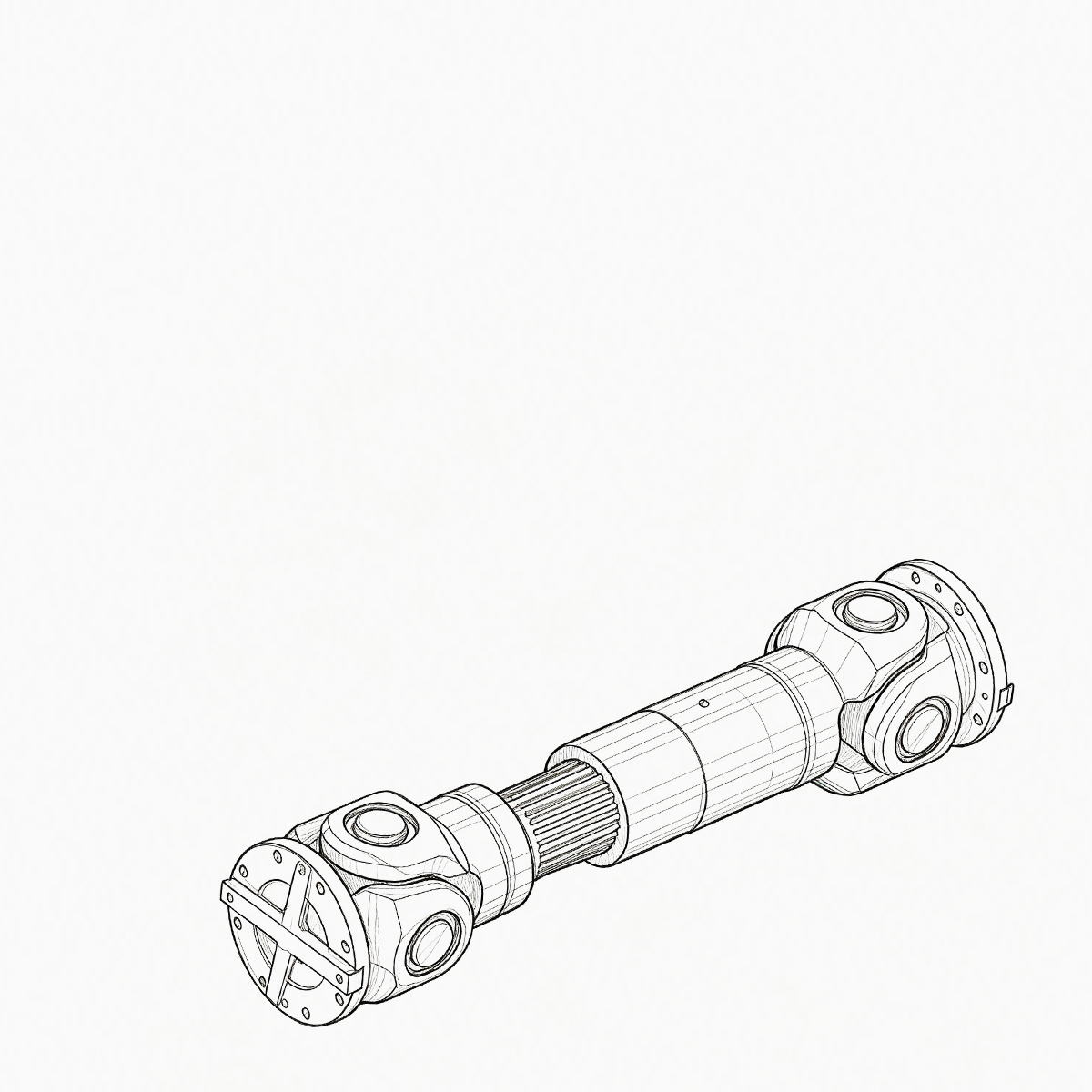
Your compressor train is running at 9,800 rpm when the vibration monitor triggers an alarm. The first component your maintenance team inspects is the coupling. If the disc couplin...
READ MORE


ABOUT US
PRODUCTS
INDUSTRIES
CONTACT US
- Phone: +86-18652865511
- Email: sales@ohmach.com
- Address: No.1, Minying Developing Zone, Zhenjiang, Jiangsu, China
Copyright Zhenjiang Orienthold Machinery Co., Ltd. All Rights Reserved.
 Wholesale LLB Type Tyre Coupling Factory