 English
 русский
 Português
 عربى
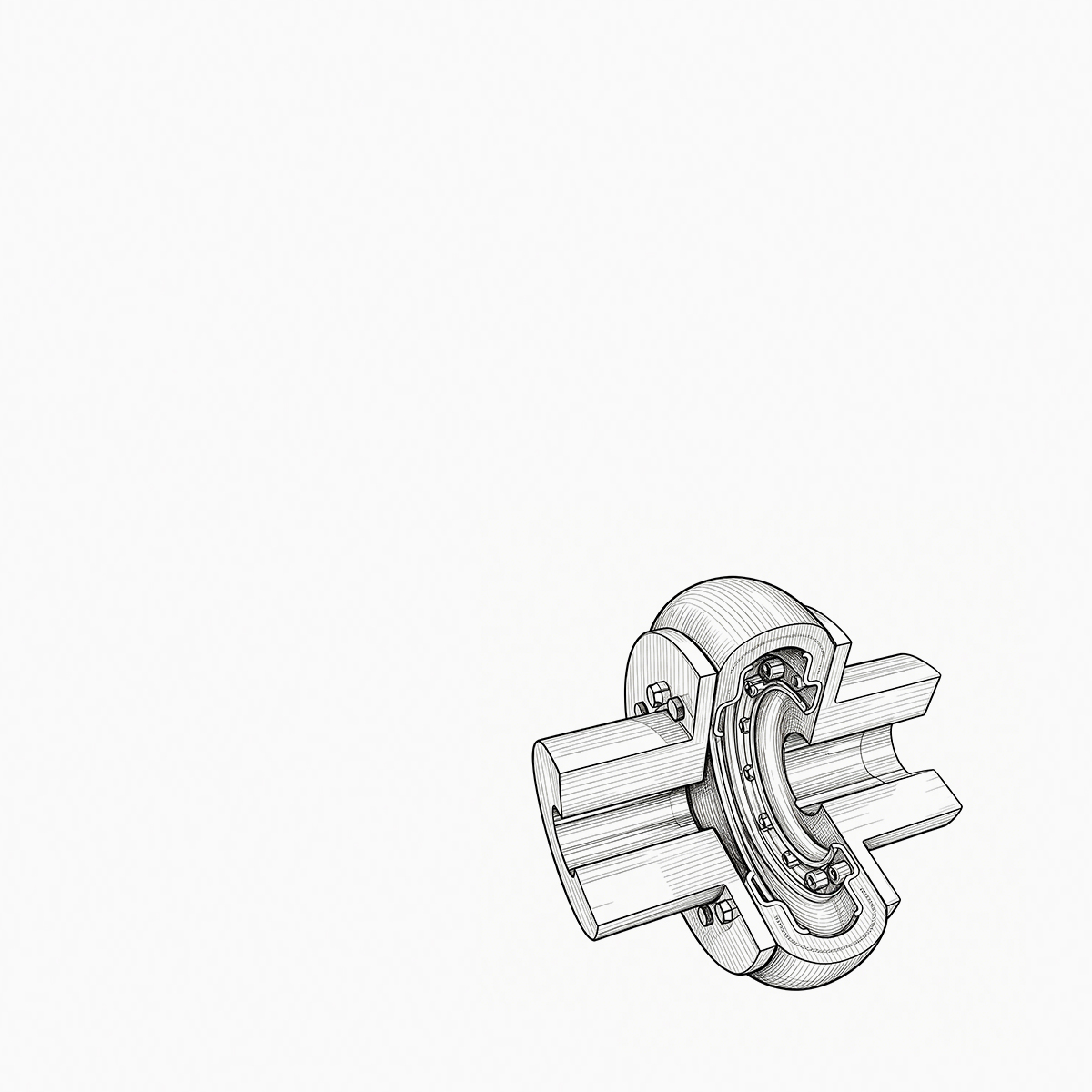
A coupling fails at 2:10 a.m. on a continuous production line. The drive train stops, alarms sound, and every idle minu...
READ MORE
Shaft Coupling Suppliers: How to Vet Industrial Manufacturers Before Ordering
Admin 2026-11-05Content
- 1 What Industrial Buyers Actually Need From a Supplier
- 2 The Supplier Landscape, Sorted by What They Control
- 3 A Shortlisting Tree You Can Reuse
- 4 Product-Family Coverage to Check Before Shortlisting
- 5 Tolerances, Standards and Paperwork Worth Verifying
- 6 Lead Time, Capacity and the Questions That Reveal Both
- 7 Matching the Coupling Family to the Service Environment
- 8 A 30-Day Qualification Sequence
A maintenance planner at a steel plant has three quotes for a replacement drum gear coupling on a run-out table drive. All three name the same bore, the same nominal torque and roughly the same price. Only one supplier asks for the drawing revision number, the keyway standard and the brake-wheel diameter. That single question is usually what separates a shaft coupling supplier you can build a maintenance plan around from one you cannot.
So here is the conclusion first: choosing among shaft coupling suppliers is a configuration-and-documentation problem long before it is a pricing problem. When model coverage, drawing control, material traceability and test records line up, a 10-15% price gap is a rounding error next to a day of unplanned downtime. When they do not line up, the cheapest quote becomes the most expensive order you will sign.
What Industrial Buyers Actually Need From a Supplier
Industrial couplings are not commodity fasteners. A single model code can hide a dozen geometry decisions, and the supplier is the party that has to get all of them right. Before comparing price, check whether they can answer these:
- Bore and keyway range, including tapered or splined shaft ends where relevant.
- Nominal and peak torque with the service factor already applied to your driven machine.
- Configuration variants: brake wheel, brake disc, intermediate shaft or spacer, vertical mounting.
- Balancing capability, and whether a balance report is issued per unit.
- Material certificates traceable to a heat number.
- Revision-controlled drawings, an installation manual and a spare parts list.
Most of these should be answerable before you issue a purchase order. A supplier who treats them as post-award paperwork is telling you how the next claim will be handled. The technical side deserves equal weight: our guide to critical factors for selecting the right industrial coupling sets out how torque, misalignment and duty cycle narrow the field.
The Supplier Landscape, Sorted by What They Control
Not every seller of couplings is a manufacturer, and the difference shows up months after delivery. These five types cover most of the market.
| Supplier type | What they control | Typical lead time | Documentation depth | Main risk |
|---|---|---|---|---|
| OEM-authorised channel | Genuine part numbers, warranty | 2-6 weeks | Full OEM datasheets | Premium price; older models dropped |
| MRO or catalog distributor | Stock breadth, fast dispatch | 1-5 days if in stock | Catalog pages only | Right family, wrong variant for a modified shaft |
| Custom coupling manufacturer | Bore, keyway, spacer and brake-disc geometry | 3-8 weeks | Drawings, material certificates, test reports | Only as good as the RFQ you send |
| Trading or agent company | Price negotiation, order consolidation | 4-10 weeks | Depends on the factory behind them | Traceability gaps when a batch fails |
| Repair and retrofit shop | Re-bushing, re-machining existing hubs | 1-3 weeks | Internal records only | No new-part warranty; repeat failures |
The pattern is simple: the further a supplier sits from the drawing, the more of your project schedule you are lending them. Manufacturers and OEM channels own the geometry. Distributors own availability. Agents own the relationship, and very little else.
A Shortlisting Tree You Can Reuse
Procurement teams often over-complicate the first round. Two questions settle it: is there a reliable drawing, and is the part still in series?
- Direct replacement, drawing or model code legible
- Confirm bore, keyway and shaft-end fit against the drawing
- Standard catalog item: compare two or three sources on delivery date rather than price
- Obsolete or modified item: move to a supplier that can produce drawings
- Confirm bore, keyway and shaft-end fit against the drawing
- New design, or the drawing is lost
- Measure shaft ends, centre distance, torque and speed; request a selection proposal
- Ask for balance grade and permissible misalignment in writing
- Confirm whether the coupling needs lubrication, and how often
If a candidate stalls at the first branch — say, cannot confirm a keyway standard — do not advance them on a promise to "check with the factory". You are buying their ability to check, so make the check part of the quotation.
Product-Family Coverage to Check Before Shortlisting
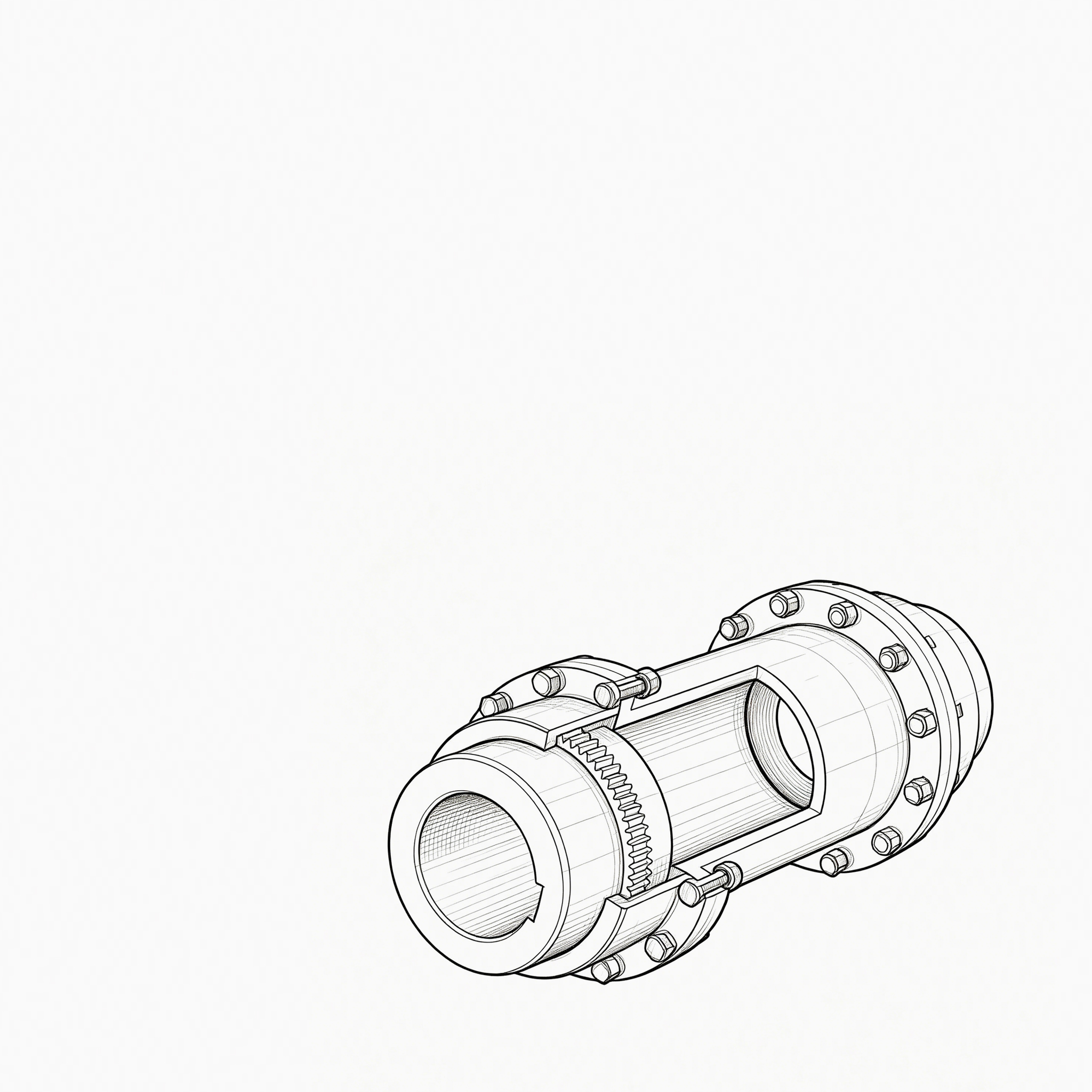
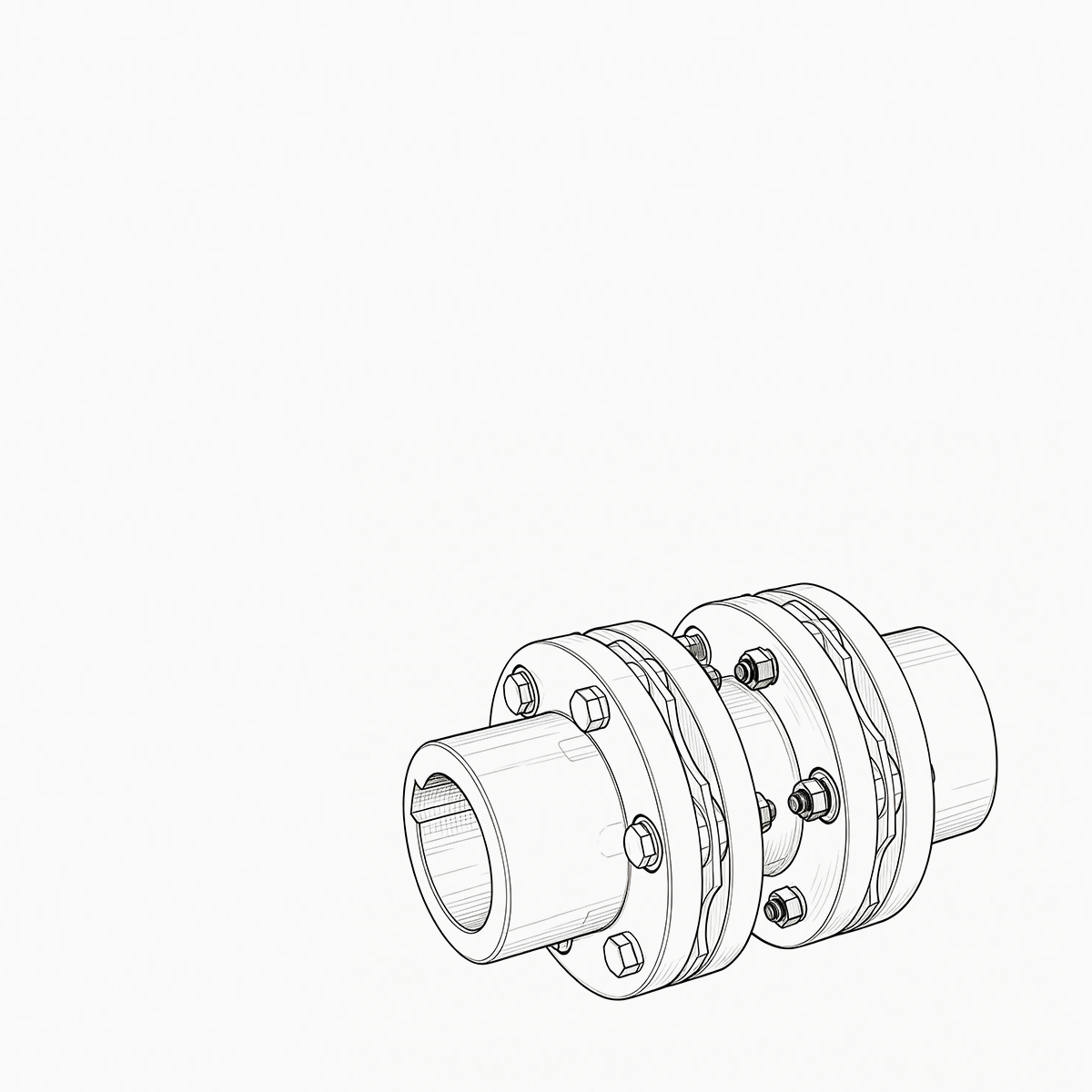
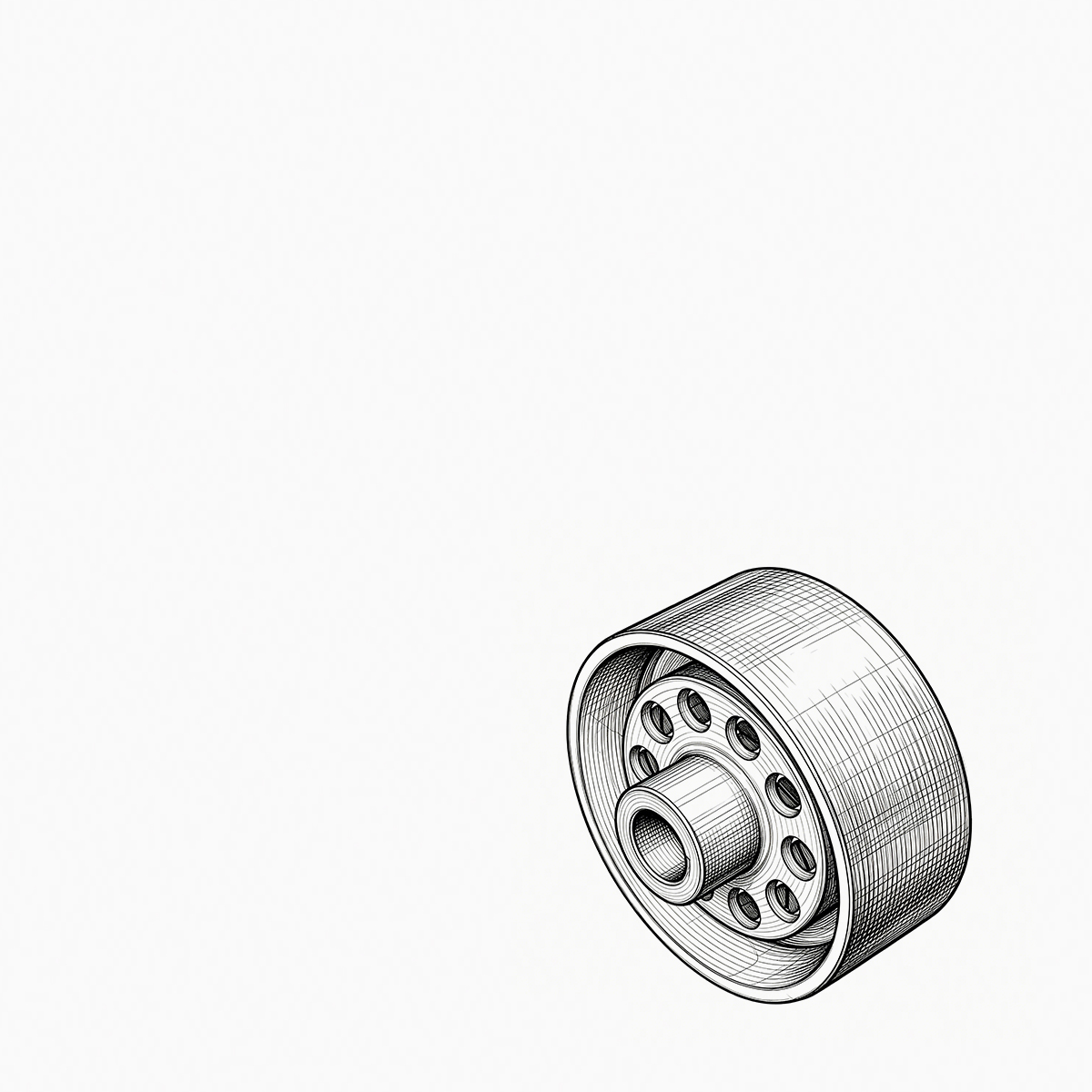
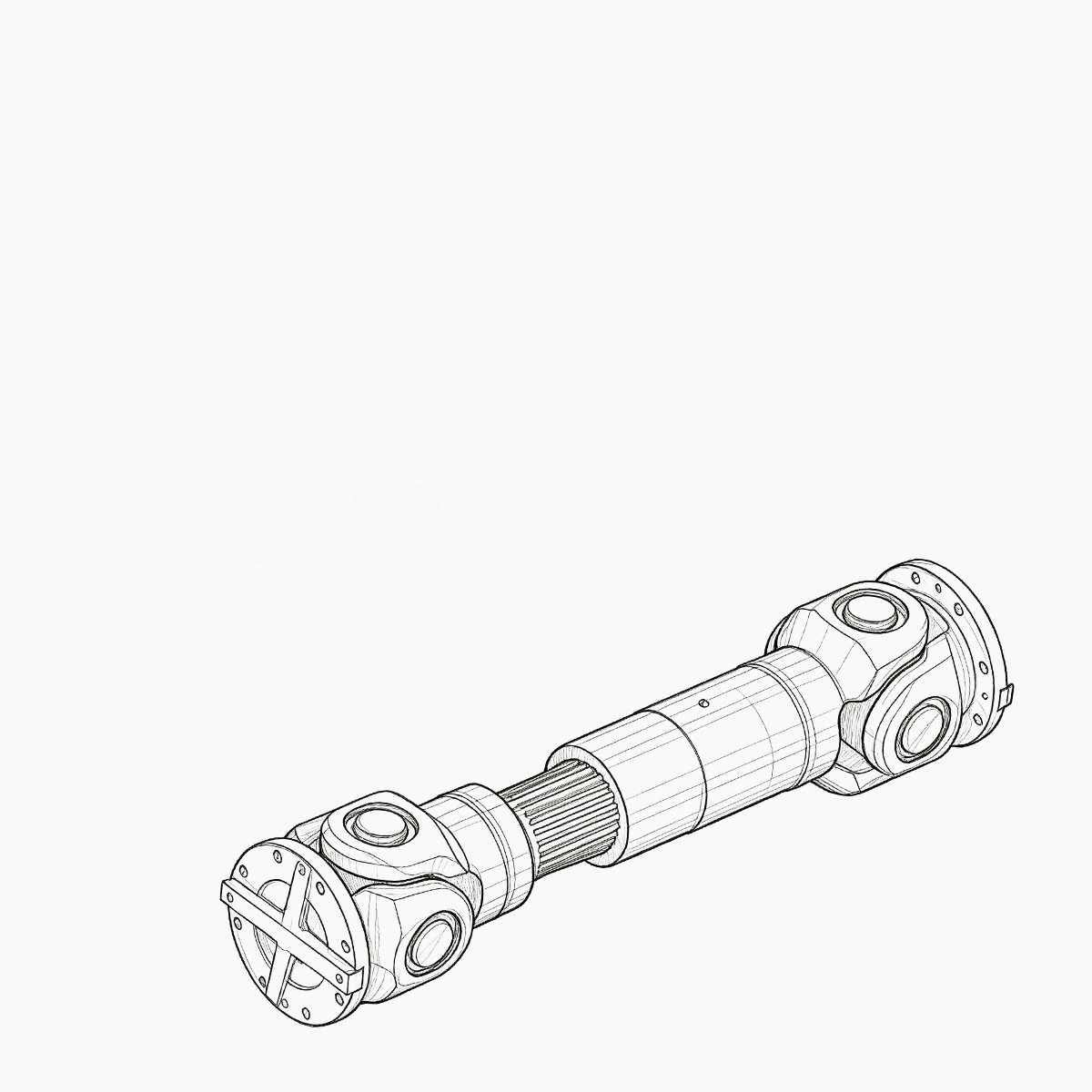
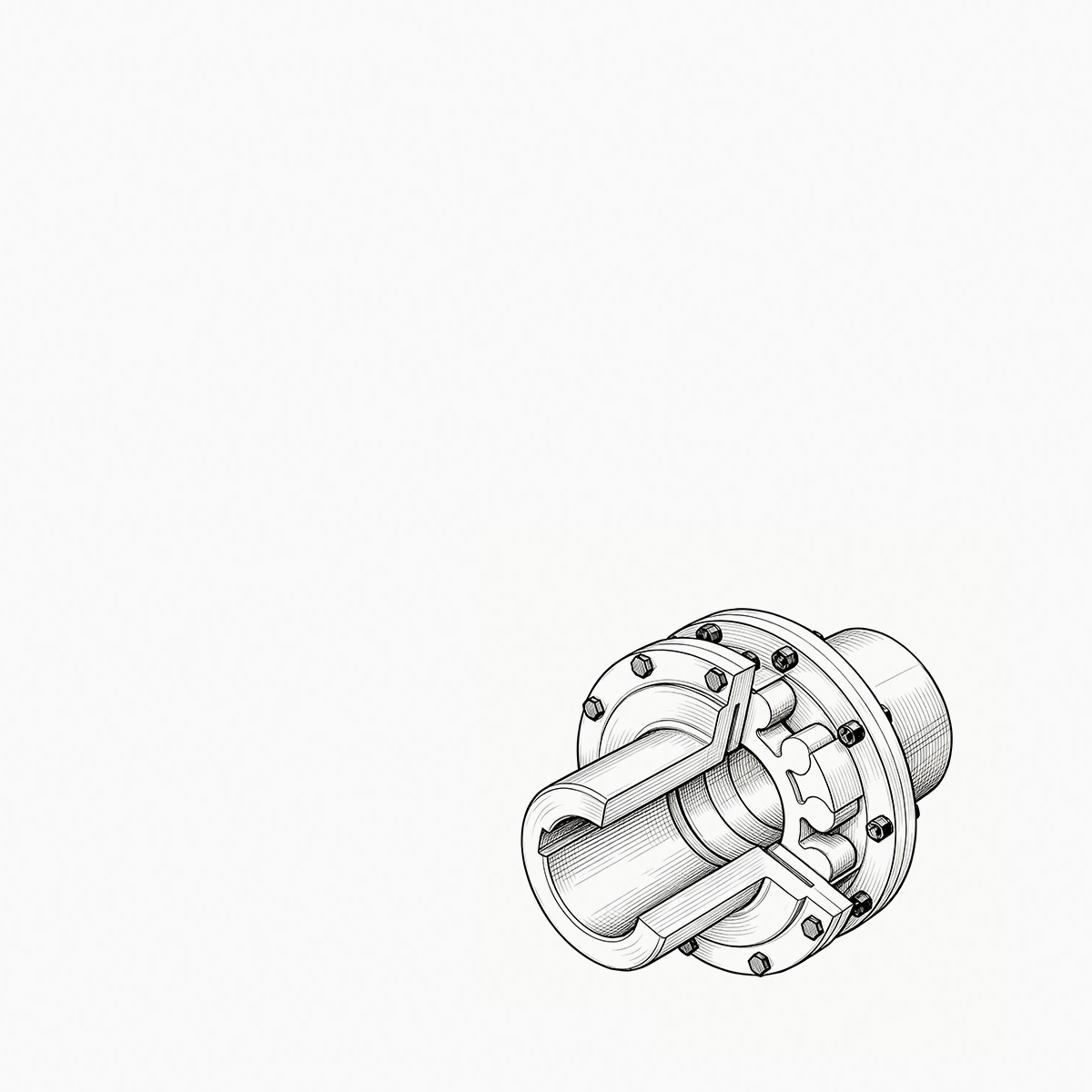
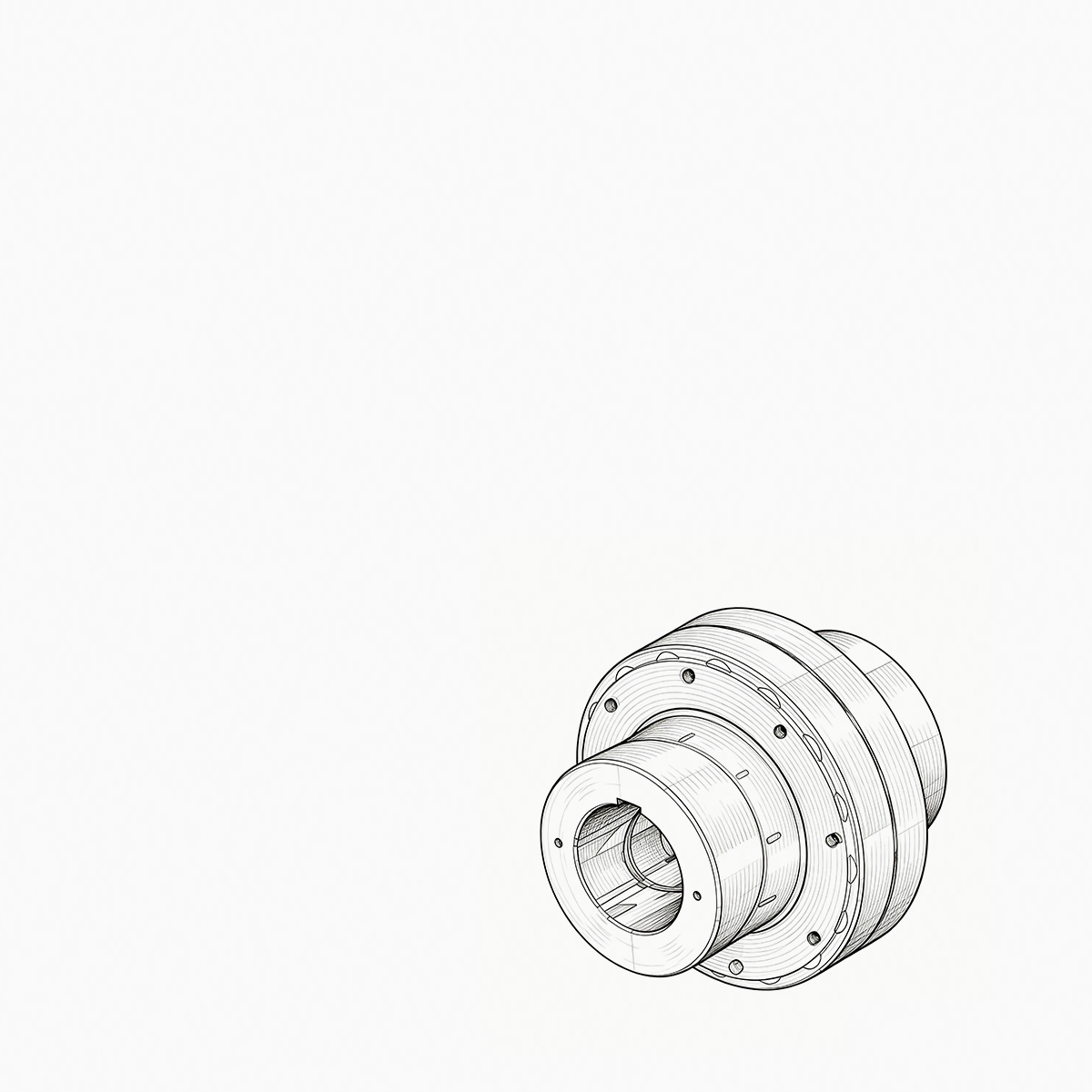
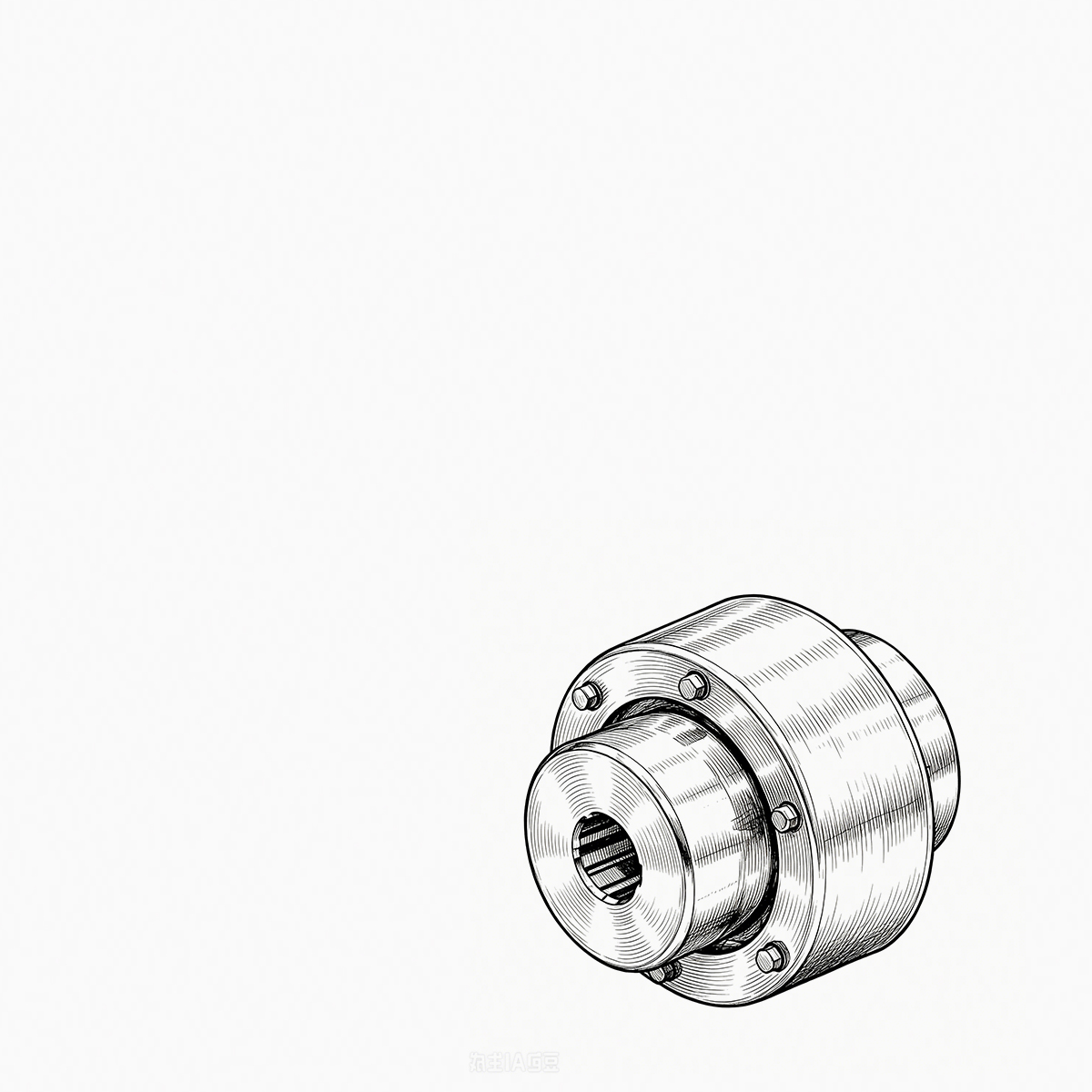
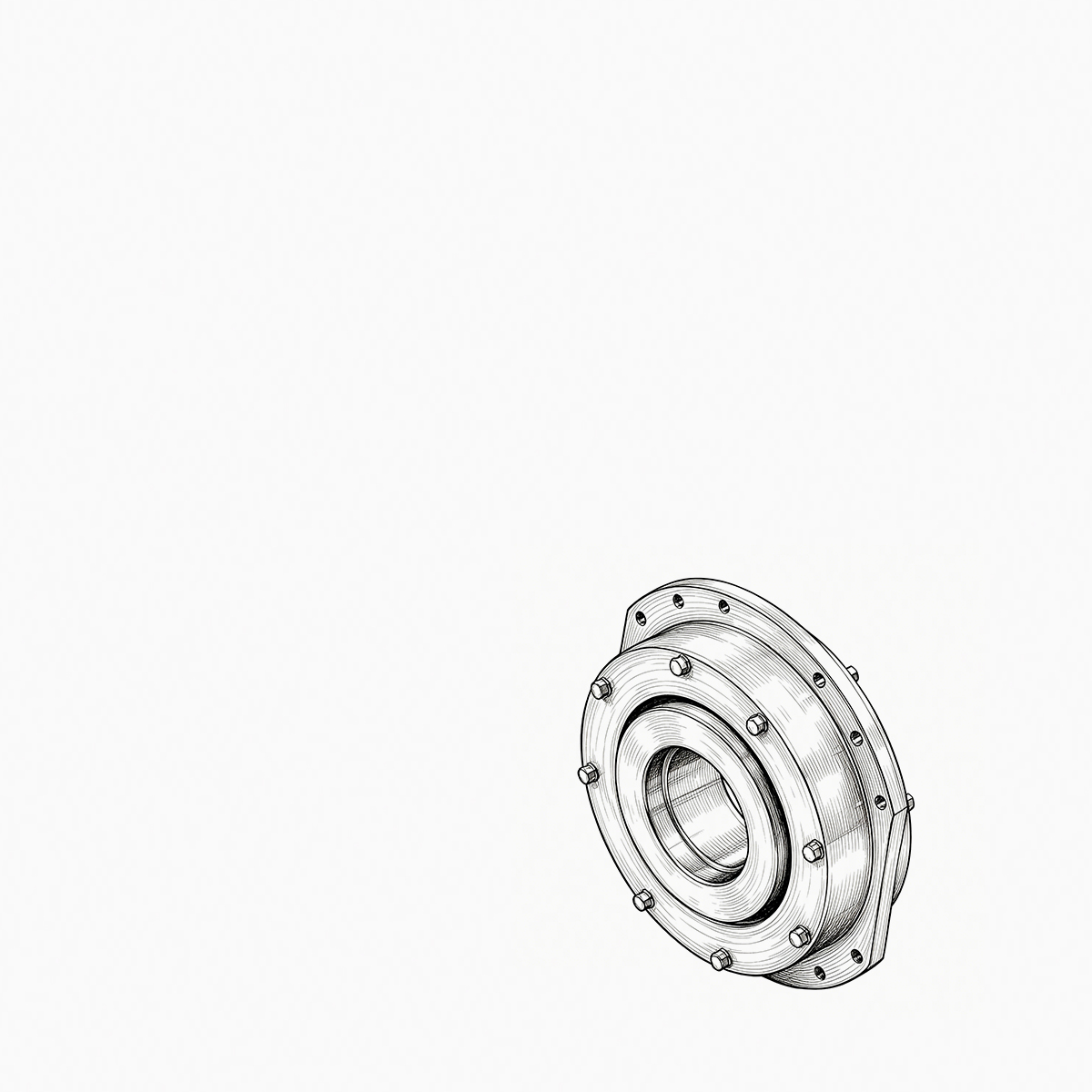
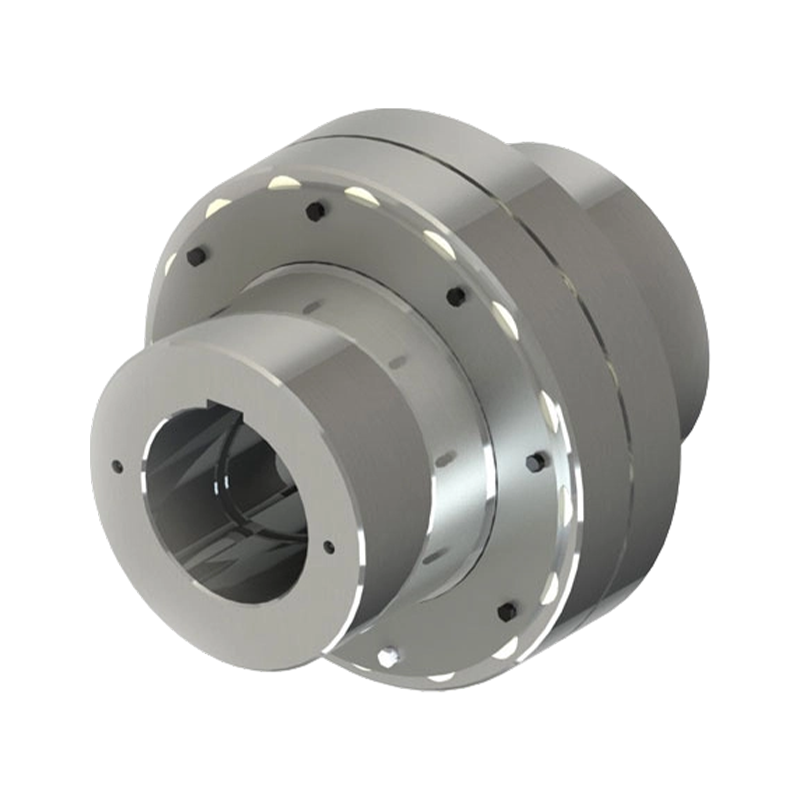
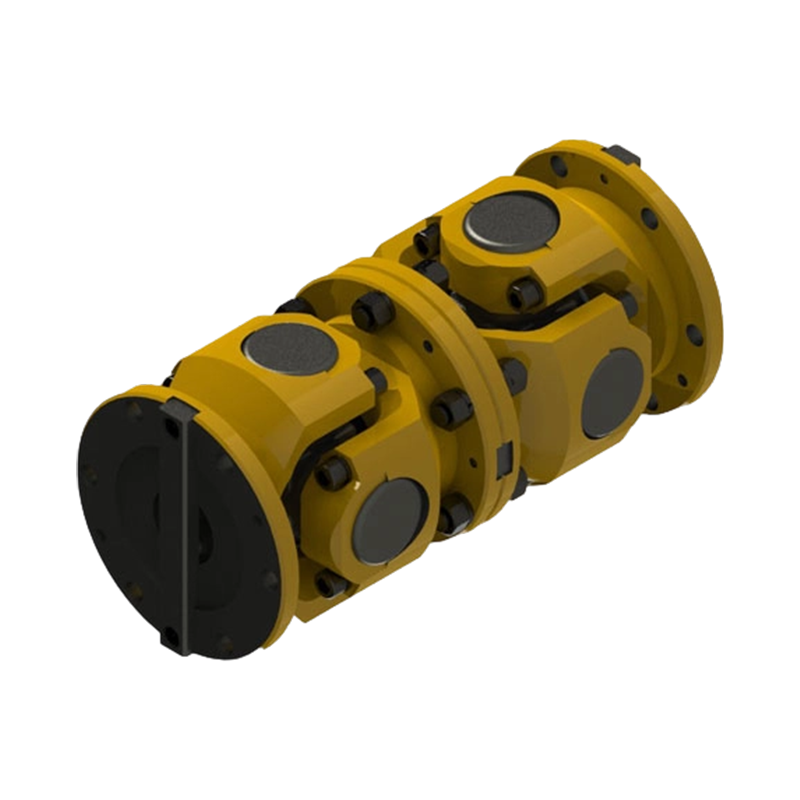
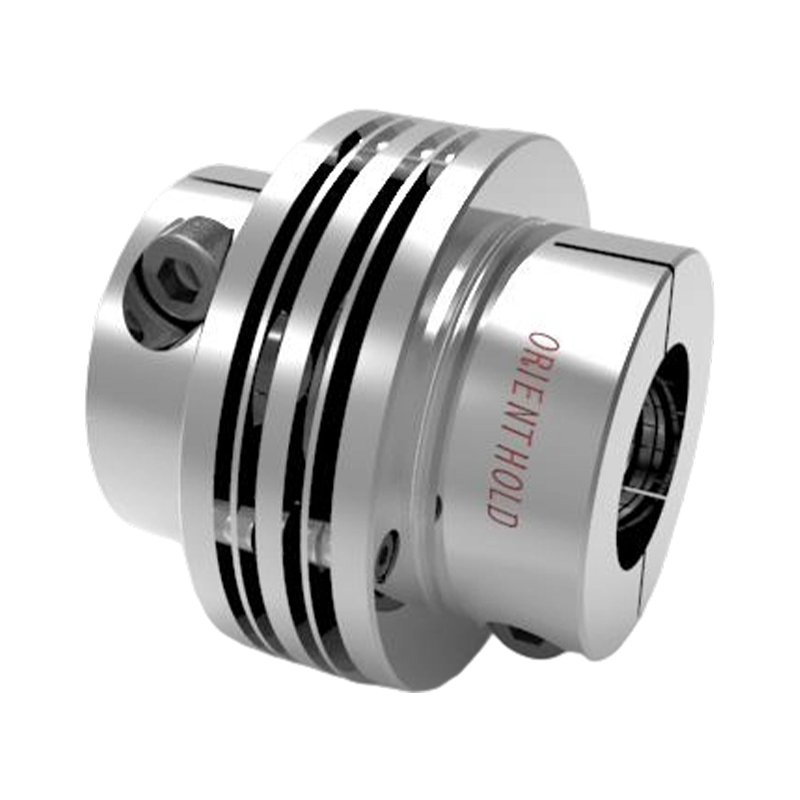
A supplier that stocks one family will still quote on the rest. Ask for the model list. A credible industrial coupling supplier should show drum gear couplings (GICL, GIICL, WG, NGCLZ and WGP variants), diaphragm couplings, cross universal couplings in telescopic and non-telescopic versions, crane-duty drum couplings, elastic pin and pin-gear types, plum (spider) couplings and tire couplings.
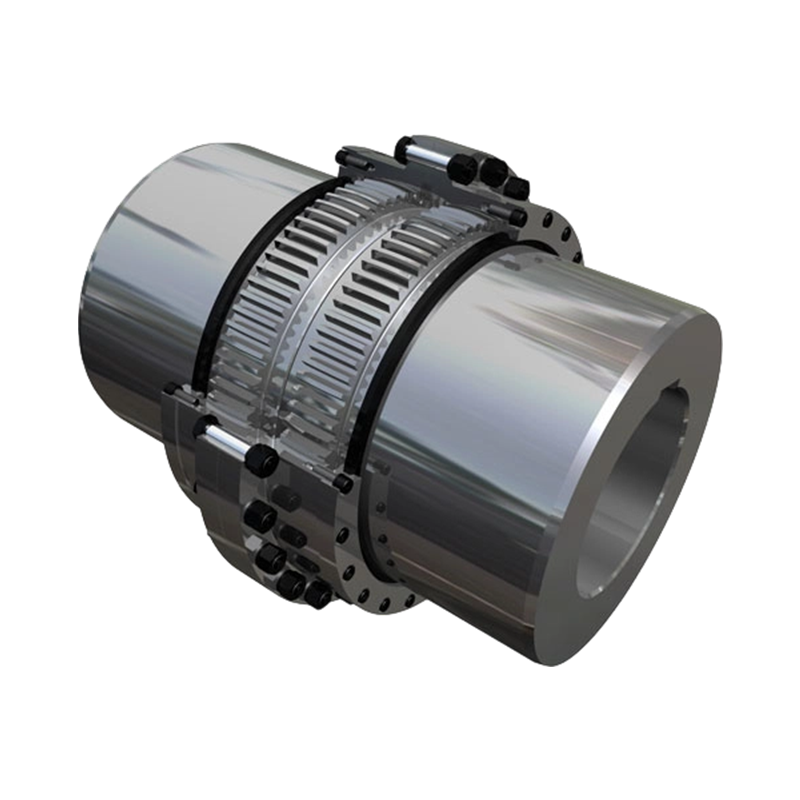
 GICLZ Long-Span Cylindrical Gear CouplingLong-span GICLZ gear coupling with crowned teeth, carburized alloy gearing, and dual seals for high-precision industrial drives.View Product →
Coverage matters at the second failure, not the first. If the same supplier can move a drive from a brake-wheel drum coupling to a brake-disc version without a new drawing package, a retrofit window shrinks from weeks to days.
Tolerances, Standards and Paperwork Worth Verifying
Approximate fits are where coupling problems begin. Two hubs with the same nominal bore can differ in tolerance class, keyway width and hub length, and none of that appears on a quotation line.
| Item | What to request | Acceptable practice |
|---|---|---|
| Bore and keyway | Bore diameter with tolerance class, keyway standard | Stated on the drawing, not only in an email |
| Torque rating | Nominal and peak torque, service factor applied | Factor matched to the driven machine, not the motor |
| Balancing | Balance grade and method | Report issued per unit for high-speed drives |
| Material | Chemical and mechanical certificate | Heat number traceable to the delivered part |
| Runout | Radial and face runout limits | Measured on a mandrel before dispatch |
| Documents | GA drawing, installation instructions, parts list | Revision-controlled and dated |
None of this is exotic. It is the difference between a supplier who measures and one who ships. Request one sample document set before the first production order and you will know which one you are dealing with.
Lead Time, Capacity and the Questions That Reveal Both
Published lead times are marketing; verified lead times come from three questions. What is your machining queue this month? Which components are cast or forged externally? How long is your inspection backlog? A manufacturer with in-house heat treatment and balancing answers all three without hesitation. A trading company forwards the questions and loses a week.
Ask how partial shipments are handled, too. On a multi-coupling order for a plant shutdown, receiving nine of ten units on schedule is the same as receiving none.
Matching the Coupling Family to the Service Environment
Service environment drives model choice far more than shaft diameter does. In rolling mills, shock loads and heat push buyers toward drum gear types with hardened tooth flanks. On high-speed compressor and pump trains, diaphragm couplings dominate because they need no lubrication and hold balance well. On crane and port equipment, hoisting and construction machinery duty points to brake-wheel or brake-disc couplings sized for frequent starting and reversing.
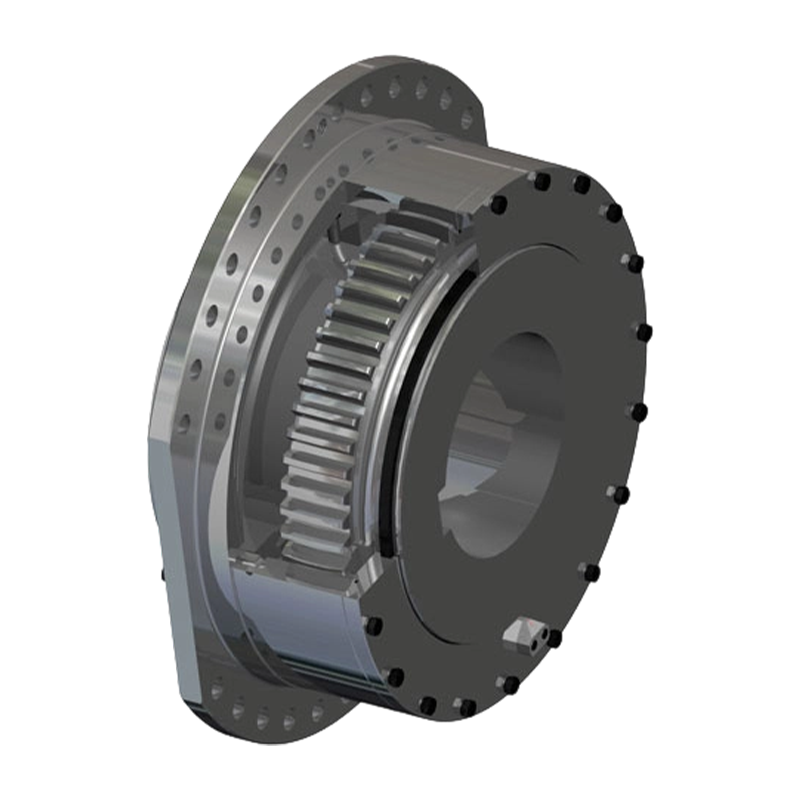 DC Crowned-Gear Drum Coupling for Hoisting DrivesDrum-tooth coupling connects reducers to hoist drums, carries radial loads and high torque with a self-aligning bearing and wear indicator.View Product →
Marine, petrochemical, mining and power generation each add constraints of their own: corrosion protection, static discharge, dust ingress, continuous base-load operation. A supplier worth shortlisting will have a reference installation in your sector and a model that already exists for it, rather than a first-time design.
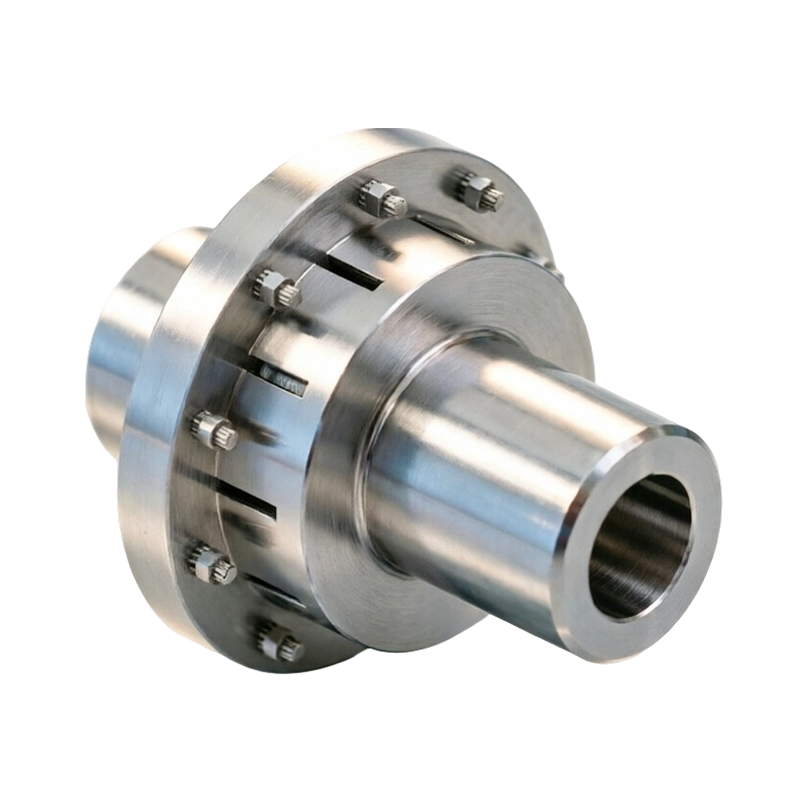
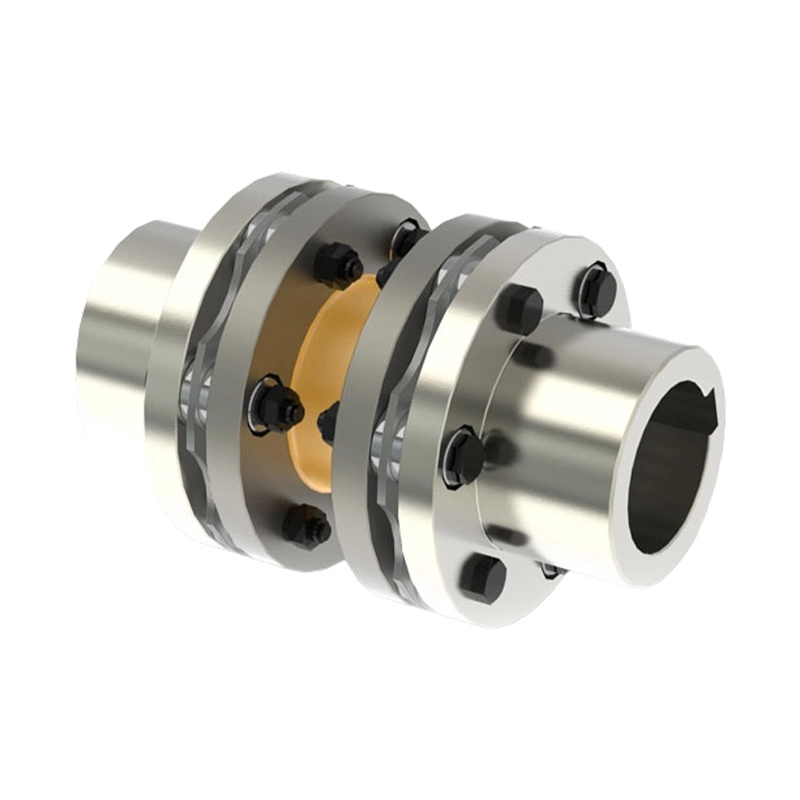
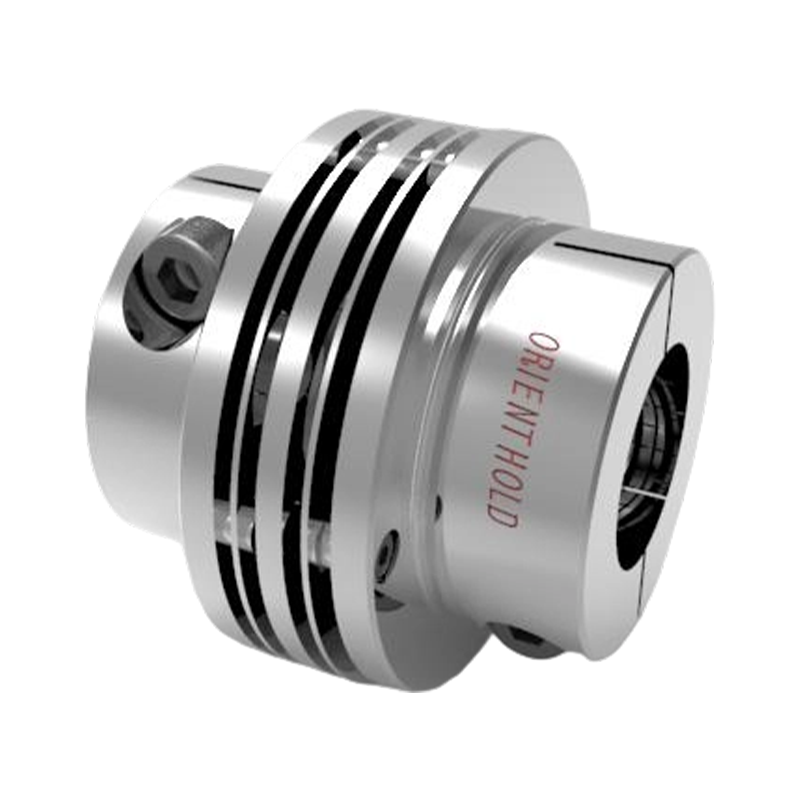 JMII All-Metal Double-Diaphragm Disc CouplingAll-metal stainless steel disc coupling for compact drives, avoiding elastomer aging and supporting precise misalignment compensation.View Product →
A 30-Day Qualification Sequence
- Days 1-3: assemble the RFQ pack — shaft-end sketch, centre distance, torque profile, speed, duty hours, environment.
- Days 4-7: issue it to three to five suppliers, including at least one custom manufacturer.
- Days 8-14: compare proposals line by line on service factor, balance grade and variant details, not just price.
- Days 15-20: request a sample document set and one previous order in your industry.
- Days 21-25: place a trial order for a single unit; inspect bore, keyway, runout and marking on arrival.
- Days 26-30: agree drawing revision control and spare-part lead time for the series.
The sequence costs a month and saves far more, because the failures that hurt are rarely the ones visible at goods-in. They surface at 3,000 hours, on a night shift, with nothing on the shelf.
A good shaft coupling supplier is predictable in a boring way: the drawing matches the shaft, the certificate matches the heat number, the balance report matches the unit, and the delivery date matches the promise. Judge candidates on those four matches and the price conversation gets easy — you are no longer buying a part, but the certainty that the line restarts on schedule.
PREV: No previous articleNEXT: Choosing Mechanical Coupling Manufacturers: Types, Testing, and Procurement Guide
Be the First to Know
For exclusive deals and latest offers, sign up by entering your email address below.
Related products
News
-
-
Two quotes land for the same replacement gear coupling: $1,850 from one shop and $2,600 from another. Both promise stan...
READ MORE -
A rotating equipment engineer at a steel finishing mill recently described a flexible coupling that had failed twice in...
READ MORE -
Industrial Couplings: The Definitive Technical Encyclopedia – Classification, Sizing, Failure Prevention, and Lifecycle...
READ MORE -
Your compressor train is running at 9,800 rpm when the vibration monitor triggers an alarm. The first component your ma...
READ MORE -
A maintenance engineer pulls a failed coupling from a pump drive. The elastomer sleeves are cracked, the pin bolts are ...
READ MORE


ABOUT US
PRODUCTS
INDUSTRIES
CONTACT US
- Phone: +86-18652865511
- Email: sales@ohmach.com
- Address: No.1, Minying Developing Zone, Zhenjiang, Jiangsu, China
Copyright © Zhenjiang Orienthold Machinery Co., Ltd. All Rights Reserved.
 Custom Industrial Shaft Coupling Manufacturers