 English
 русский
 Português
 عربى
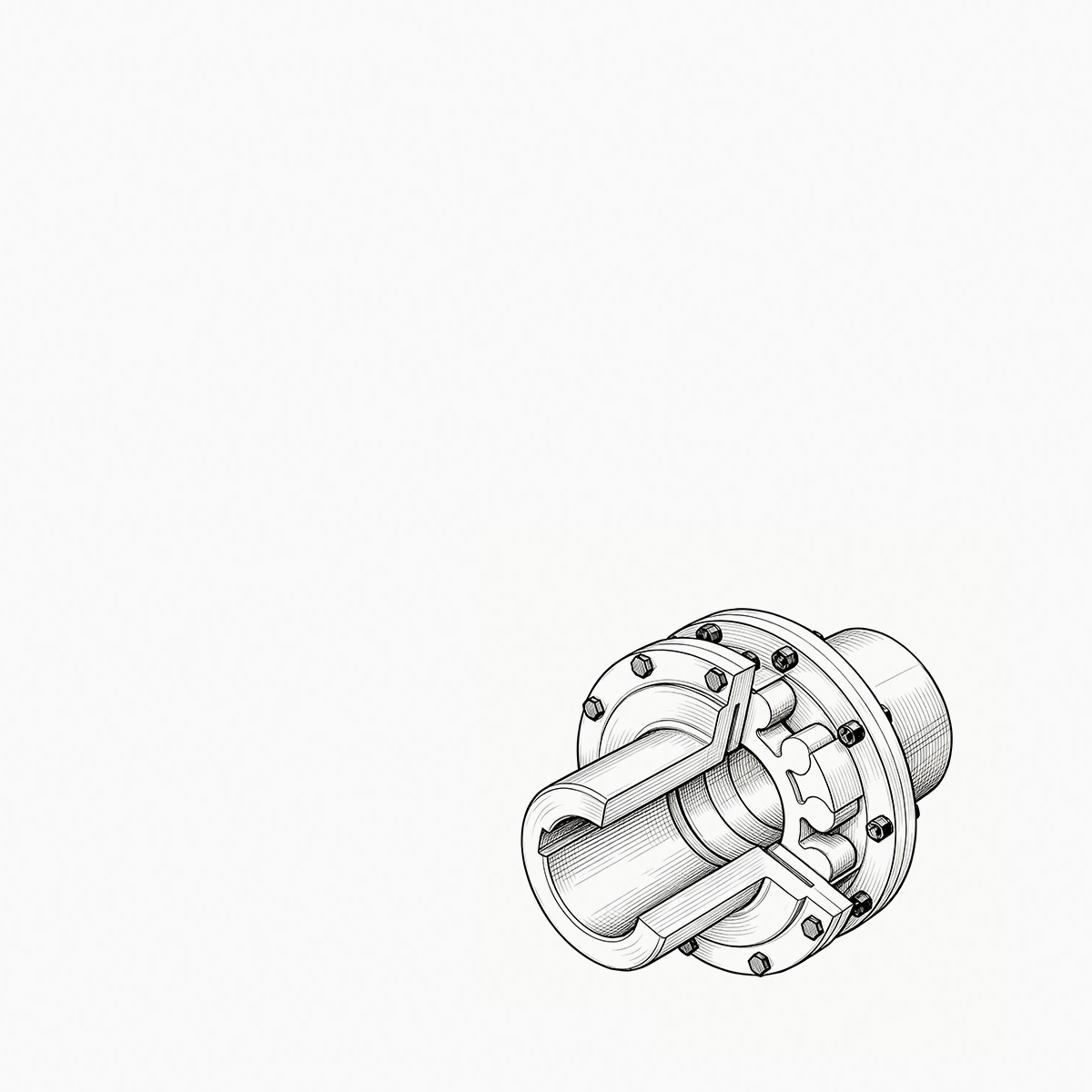
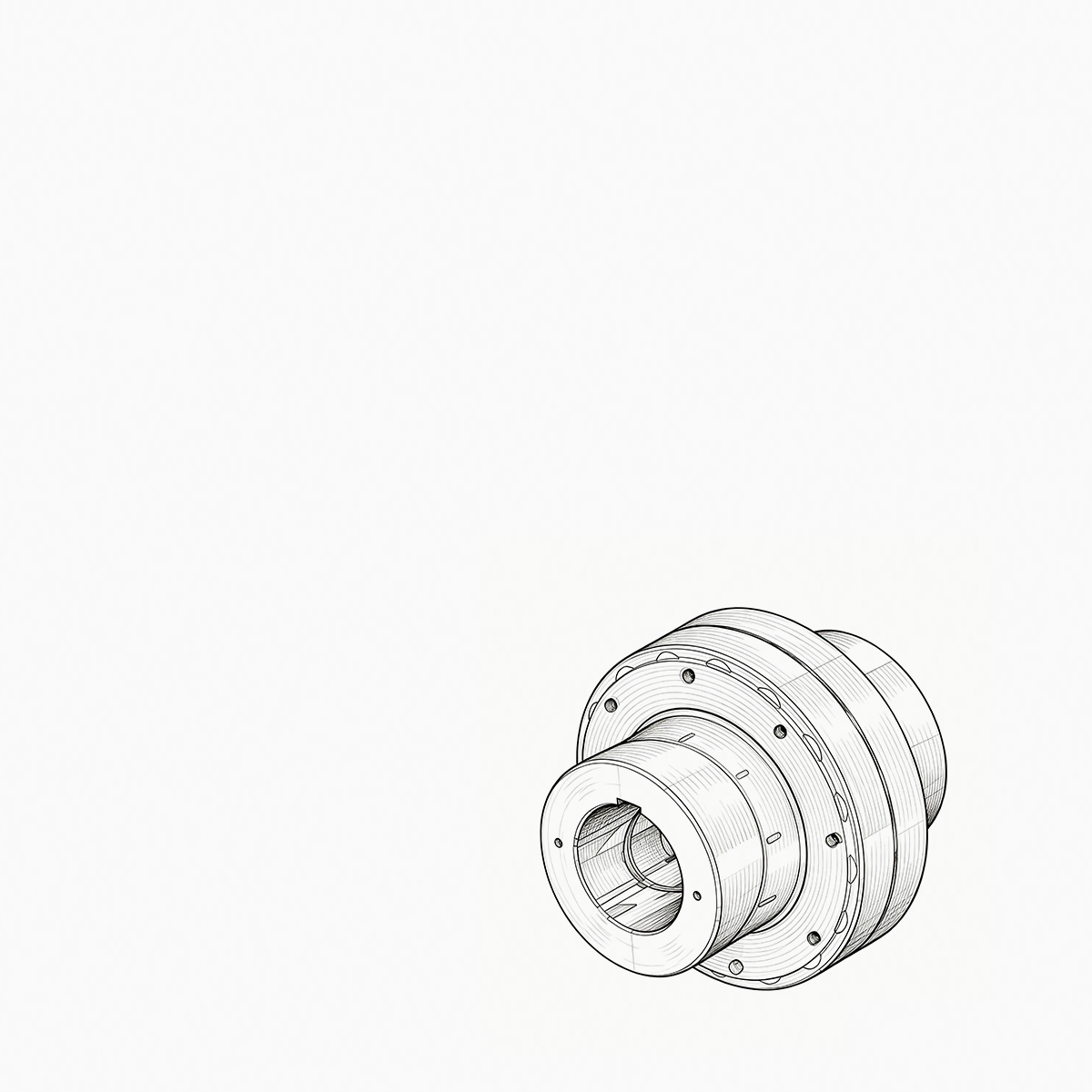
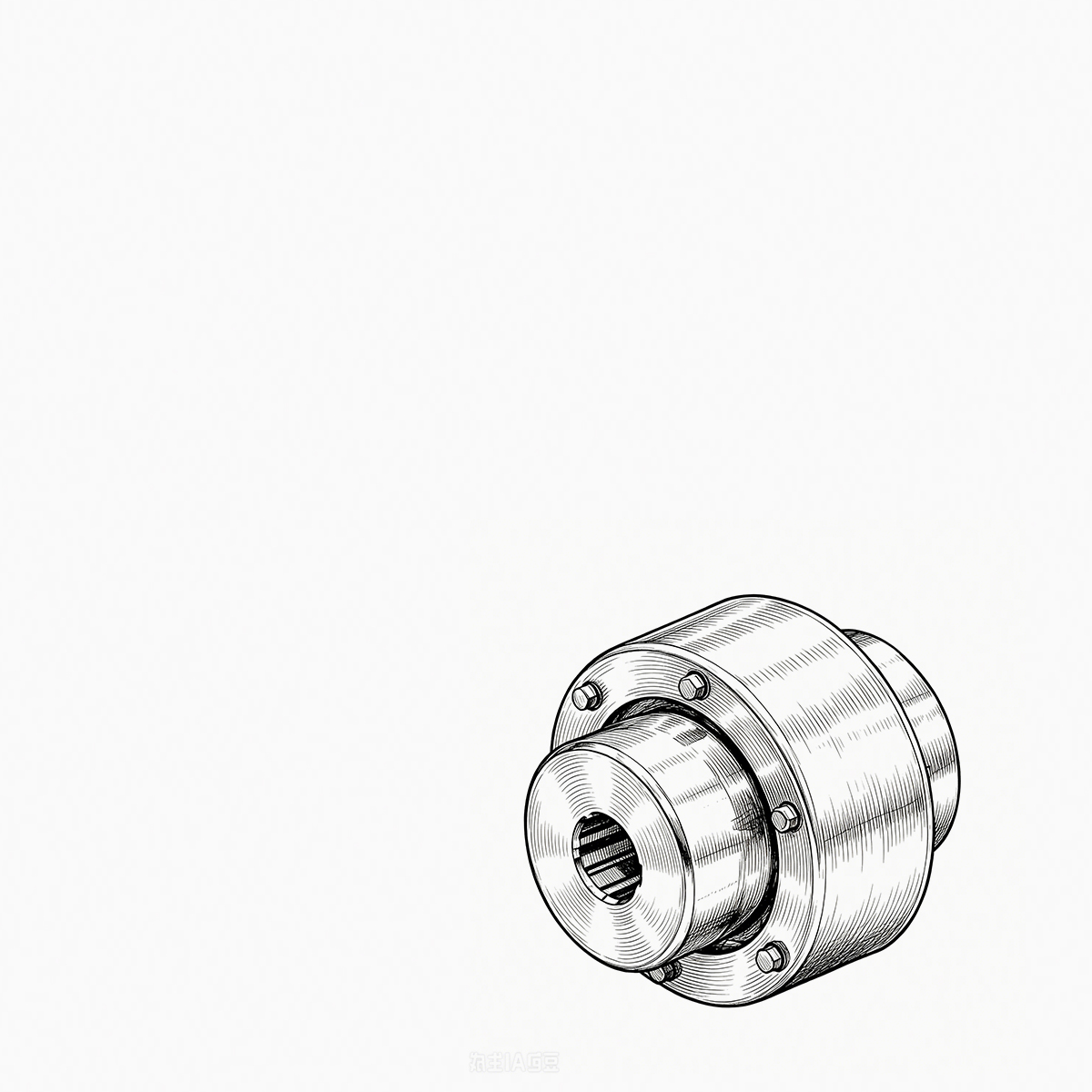
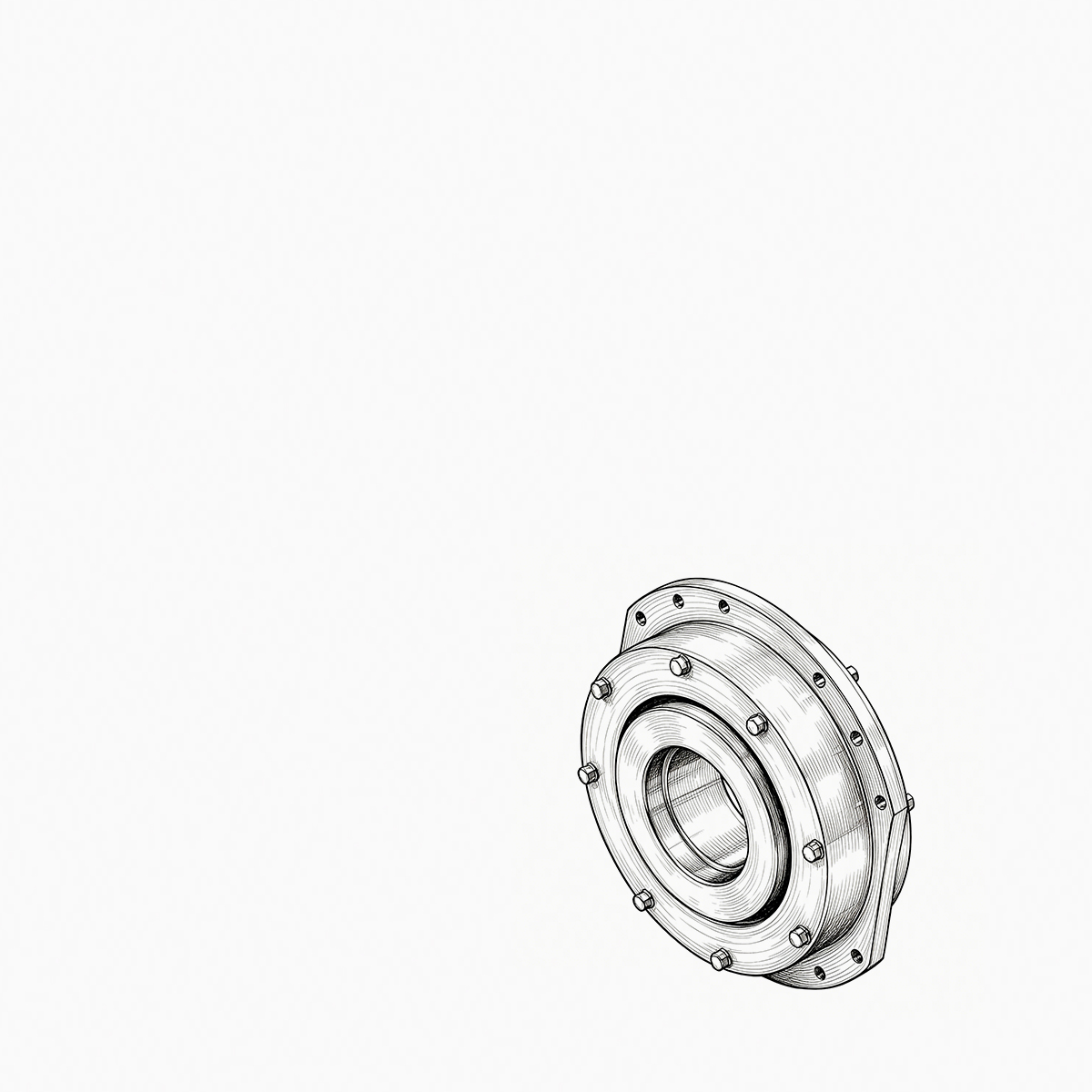
Industrial Couplings: The Definitive Technical Encyclopedia – Classification, Sizing, Failure Prevention, and Lifecycle...
READ MORE
How to Select Industrial Coupling Suppliers: Key Criteria for Reliability
Admin 2026-10-22Content
- 1 What Makes an Industrial Coupling Supplier Reliable
- 2 Coupling Types a Full-Scope Supplier Should Cover
- 3 How to Verify Manufacturing and Quality Control
- 4 Matching Supplier Experience to Your Industry
- 5 The Real Cost of Choosing a Coupling Supplier
- 6 A Practical Checklist for Shortlisting Coupling Suppliers
A coupling fails at 2:10 a.m. on a continuous production line. The drive train stops, alarms sound, and every idle minute carries a cost far larger than the price of any replacement part. Months earlier, someone chose the supplier for that coupling, and the quality of that choice is now fully visible.
The conclusion is direct: choosing an industrial coupling supplier is a reliability decision, not a price negotiation. A supplier that combines in-house manufacturing, disciplined quality control, and real application experience protects your equipment, your maintenance budget, and your production schedule better than the lowest quote ever will.
What Makes an Industrial Coupling Supplier Reliable
A dependable coupling supplier delivers three things at once: the correct coupling for the duty, consistent quality across every batch, and honest technical support for the product's entire life. Losing any one of them turns your supply chain into a recurring risk.
Manufacturing Capability
The evaluation should begin with manufacturing capability. A supplier that designs and machines couplings in its own facility controls tolerances, heat treatment, and custom requests without depending on outside workshops. Engineering feedback travels directly from the customer into production, which shortens response times and prevents miscommunication.
Quality Control
Quality control is the second pillar. Couplings run under cyclic torque, misalignment, and often high temperatures. A small deviation in tooth profile, bolt spacing, or balancing can multiply into premature wear or fracture. Confirm that the supplier runs a formal inspection system, keeps complete test instruments, and manufactures to national standards. Those details separate a coupling that lasts for years from one that fails within months.
Application Knowledge
Application knowledge is the third pillar. Suppliers with experience in steel, mining, marine, petrochemical, and power-generation installations ask the right questions before making a recommendation: peak torque, speed, misalignment, temperature, and starting frequency. These questions prevent misapplication, the leading cause of early coupling failure.
Coupling Types a Full-Scope Supplier Should Cover
A broad product range is a practical signal of supplier capability. A full-scope manufacturer should be able to supply the coupling families summarized below, because matching a coupling to a drive train is a selection problem, not a "buy whatever is cheapest" exercise.
| Coupling family | Torque capacity | Misalignment tolerance | Common applications |
|---|---|---|---|
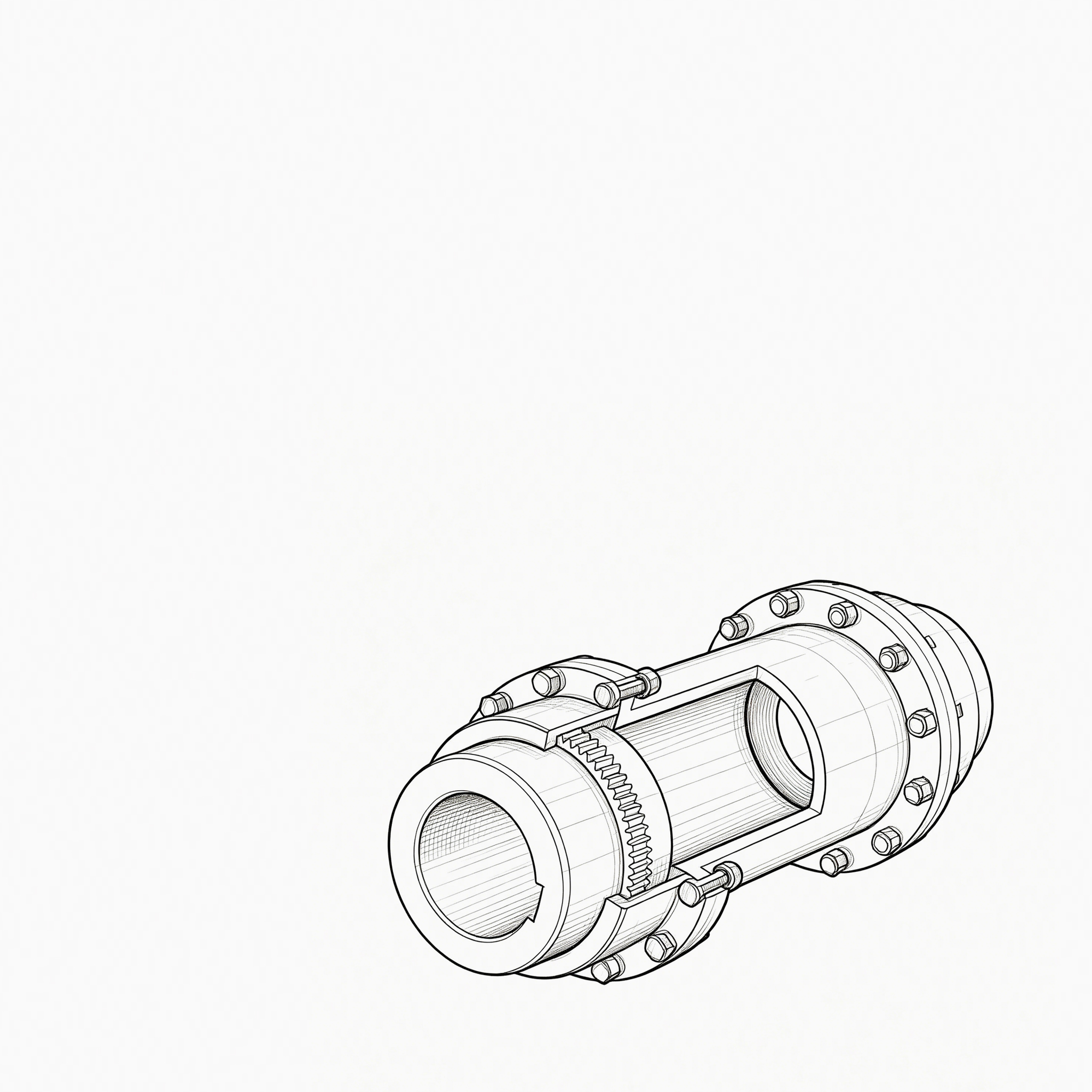
| Drum gear coupling | High | Moderate, angular and parallel | Rolling mills, conveyors, hoists, paper machinery |
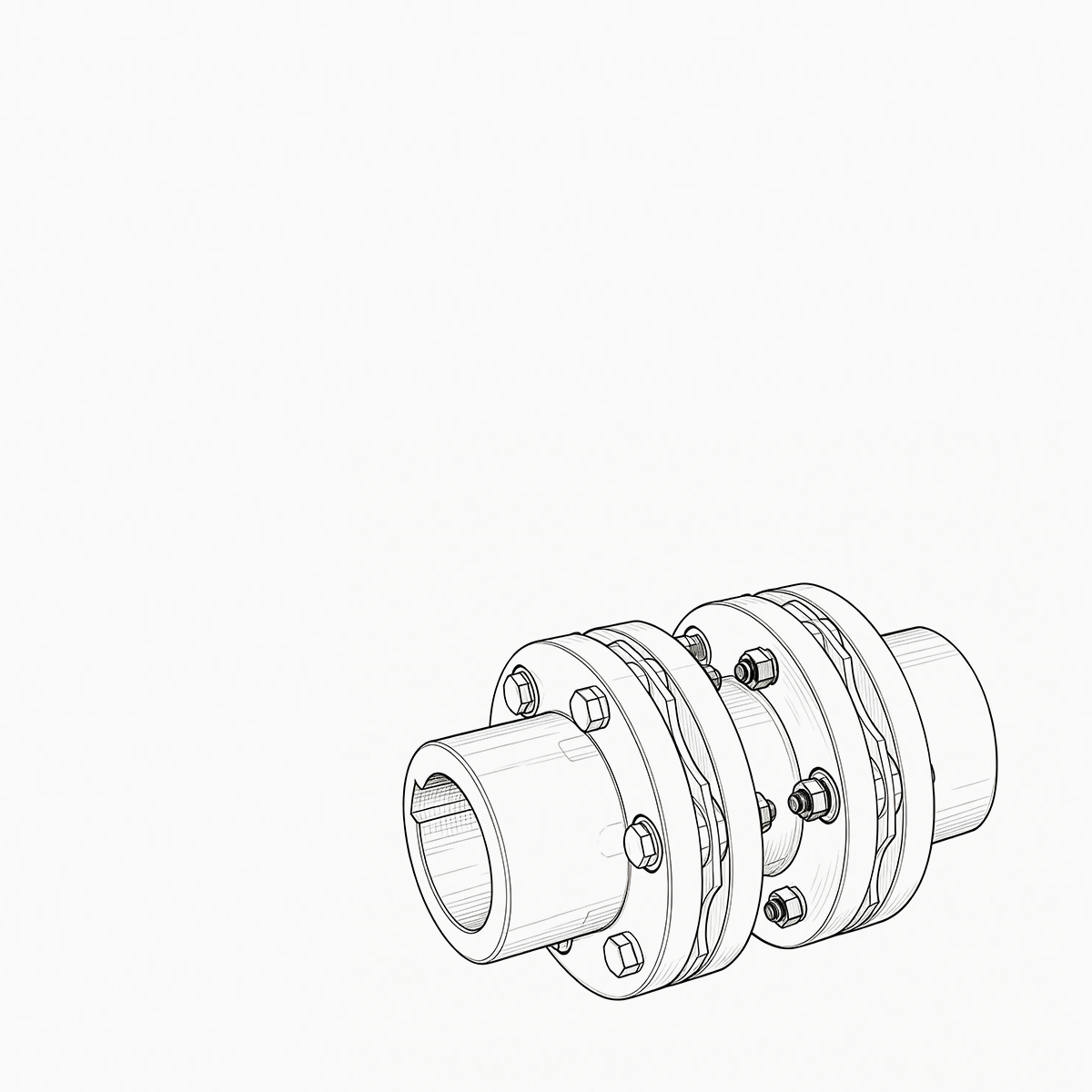
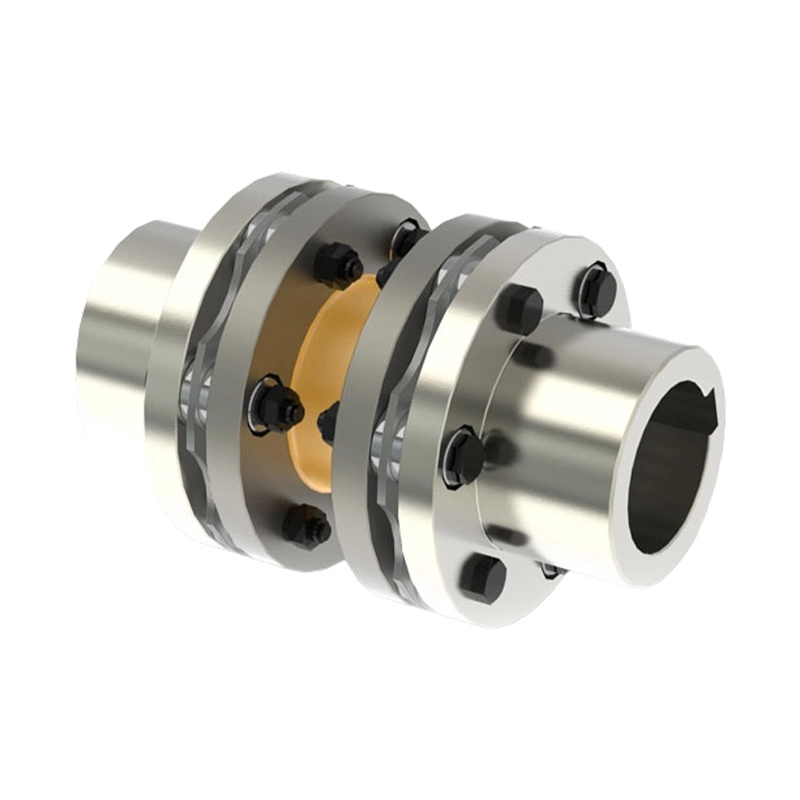
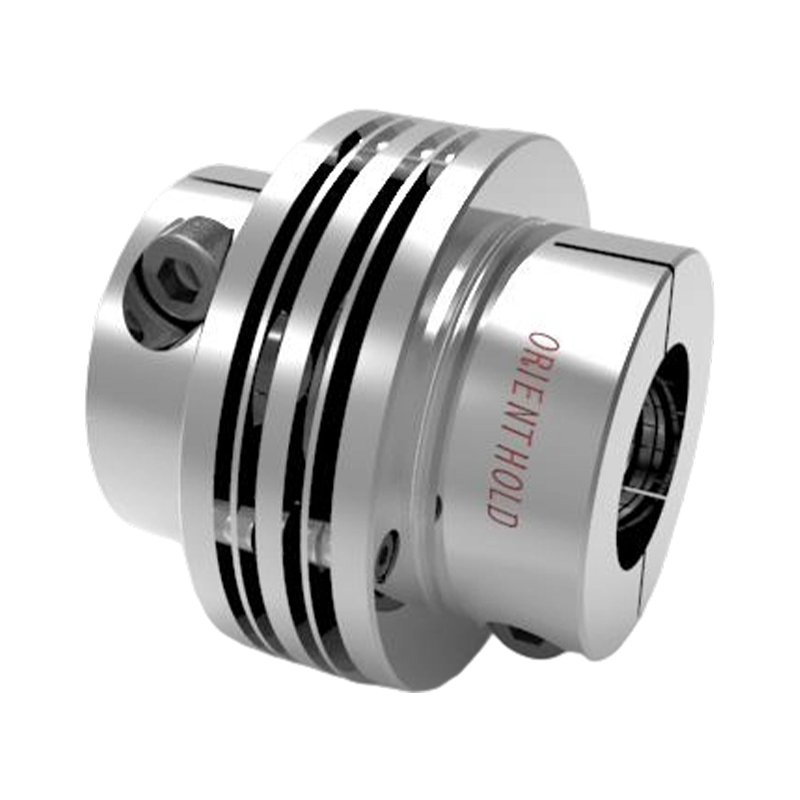
| Diaphragm coupling | Medium to high | Moderate | Pumps, compressors, turbines, generators |
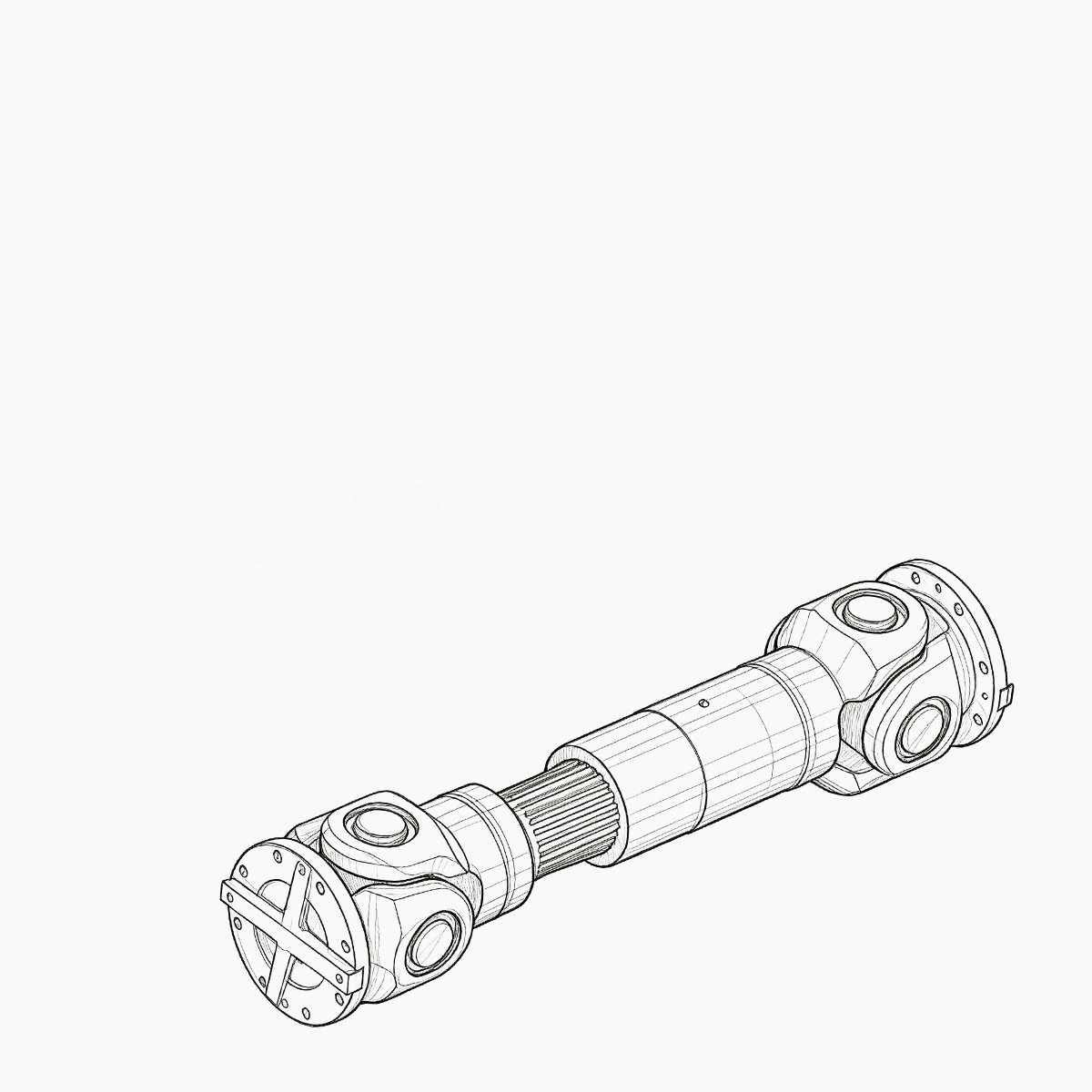
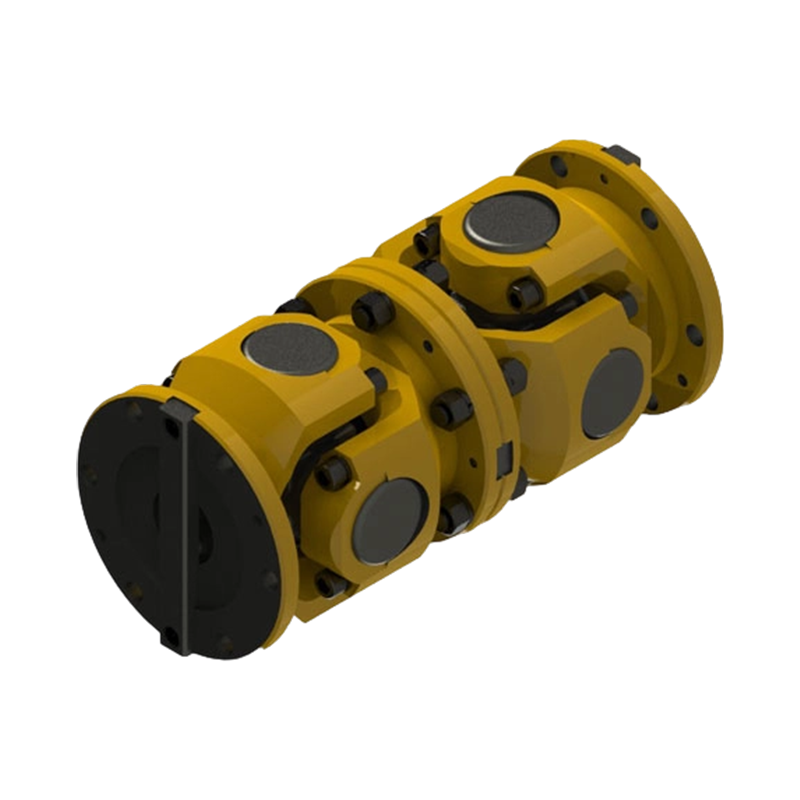
| Universal joint shaft | High | High, large working angles | Steel rolling, construction and hoisting machinery |
| Elastic sleeve pin coupling | Medium | Moderate | Frequent start-stop motor drives |
| Elastomeric pin coupling | Medium | Moderate | General industrial machinery, braking applications |
| Plum (spider) coupling | Low to medium | Low to moderate | Small pumps, light conveyors, auxiliary drives |
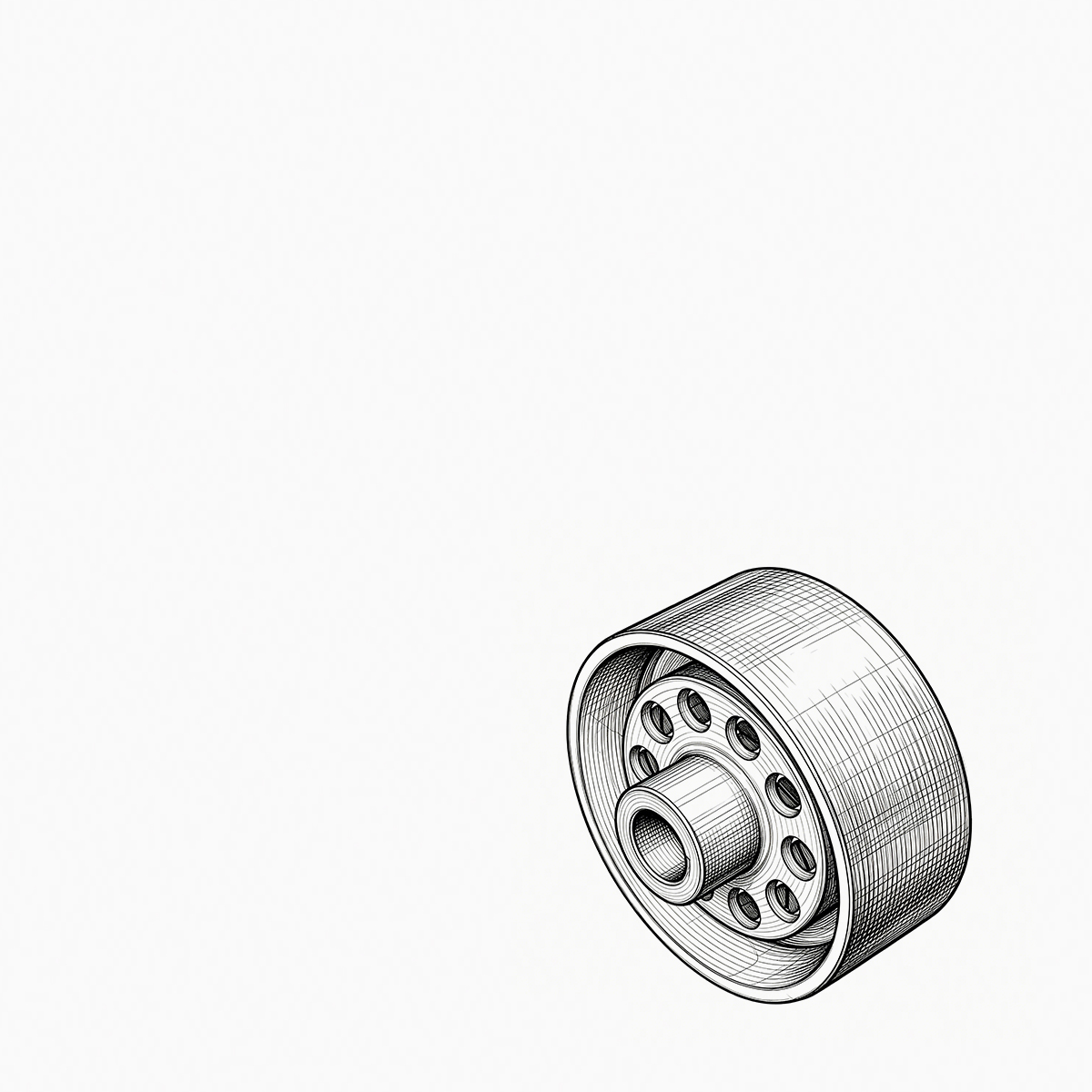
| Tire coupling | Medium | High, soft torsional behavior | Shock-loaded drives, marine and mining equipment |
Structural variations matter as much as the coupling family. Couplings with integrated brake wheels or brake discs are common in crane and hoist service, where braking fits inside the coupling envelope. Intermediate-shaft versions bridge long distances between driver and driven machine. A supplier that offers these options has practical experience with real installation constraints.
How to Verify Manufacturing and Quality Control
Because a single failure is expensive, factory practices deserve scrutiny. Verify the following before placing an order.
- In-house production scope: identify which coupling types are manufactured internally. Internal production gives the supplier control over tolerances and lead times.
- Inspection equipment: check for hardness testers, balancing machines, and dimensional gauges. Complete instruments signal a functioning quality system.
- Standards compliance: confirm products are manufactured and tested to national standards, with documentation available for review.
- Custom machining capability: for non-standard bores, special flanges, or integrated brake parts, the supplier should machine, heat-treat, and balance in-house.
- Continuous supervision: a quality supervision system catches deviations during production, not after shipping.
Matching Supplier Experience to Your Industry
Industry experience narrows the supplier list faster than any other criterion. A coupling that performs well in a steel rolling mill may be wrong for a marine drive or a petrochemical pump, even though both count as heavy industry. Keep the following application patterns in mind when talking to prospective suppliers.
- Steel and metallurgy: high torque density, reversals, and high temperatures favor drum gear and universal joint couplings.
- Marine: corrosion resistance, classification rules, and soft torsional behavior make tire and elastomeric couplings common on auxiliary drives.
- Petrochemical: sealing, maintenance access, and predictable service intervals point to diaphragm and elastomeric pin couplings.
- Mining: shock loads, dust, and large misalignments favor rugged gear and tire couplings on conveyors and crushers.
- Hoisting and construction: cranes and boom drives need couplings with integrated brake wheels or discs and high angular flexibility.
- Power generation: boiler feed pumps and fans require precise, low-maintenance couplings, often with intermediate shafts.
Ask each supplier which industries it serves regularly and which coupling families it recommends for those applications. The answers reveal whether you are working with a generalist selling parts or a specialist solving drive problems.
The Real Cost of Choosing a Coupling Supplier
The visible price of a coupling is a small fraction of its lifetime cost. The real comparison is total cost of ownership: purchase price, installation, preventive maintenance, spare-part availability, and unplanned downtime. Because downtime dominates everything else, supplier evaluation should weight the factors that prevent it.
Suggested weighting for a coupling supplier evaluation scorecard:
Quality control and consistency
30%
Application engineering support
25%
In-house manufacturing capability
20%
Delivery and lead-time reliability
15%
Price competitiveness
10%
Quality control and application engineering together carry more than half of the decision weight. That allocation is deliberate: both reduce the probability of unplanned downtime, the most expensive event in any plant. Price varies by only a few percentage points among qualified suppliers, while the difference between a well-engineered coupling and a marginal one is measured in lost production days.
A Practical Checklist for Shortlisting Coupling Suppliers
When you compare industrial coupling suppliers, use a consistent set of criteria so that quotes and capabilities remain comparable. The following checklist is a solid starting point.
- Verify in-house manufacturing for the coupling types you need, not just for the ones shown on the supplier's website.
- Confirm the quality system includes inspection instruments, test procedures, and compliance with national standards.
- Describe your application in full: torque, speed, misalignment, temperature, duty cycle, and the coupling's position in the drive train.
- Ask for industry experience and references in sectors similar to yours, especially steel, marine, petrochemical, mining, hoisting, or power generation.
- Check structural needs: brake wheels, brake discs, intermediate shafts, custom bores, or special materials.
- Compare lead times, packaging, logistics flexibility, payment terms, and after-sales response.
- Start with a pilot order before committing to long-term supply, so you can assess actual quality and communication quality.
Working through this list takes effort, but it is the same amount of effort a maintenance team spends on a single unplanned shutdown. The trade is a good one.
A coupling supplier proves its value only after installation: through smooth startups, predictable maintenance, and fast answers when questions arise. A supplier with in-house manufacturing, disciplined quality control, and cross-industry experience makes that outcome routine. That is worth far more than a few percentage points on the initial price.
PREV: No previous articleNEXT: Drum Gear Coupling Guide: Types, Tolerances, Lubrication, and Buying Risks
Be the First to Know
For exclusive deals and latest offers, sign up by entering your email address below.
Related products
News
-
-
Your compressor train is running at 9,800 rpm when the vibration monitor triggers an alarm. The first component your ma...
READ MORE -
Two quotes land for the same replacement gear coupling: $1,850 from one shop and $2,600 from another. Both promise stan...
READ MORE -
A rotating equipment engineer at a steel finishing mill recently described a flexible coupling that had failed twice in...
READ MORE -
A maintenance engineer pulls a failed coupling from a pump drive. The elastomer sleeves are cracked, the pin bolts are ...
READ MORE -
China's coupling industry is at a critical historical juncture of transformation from scale expansion to quality and eff...
READ MORE


ABOUT US
PRODUCTS
INDUSTRIES
CONTACT US
- Phone: +86-18652865511
- Email: sales@ohmach.com
- Address: No.1, Minying Developing Zone, Zhenjiang, Jiangsu, China
Copyright Zhenjiang Orienthold Machinery Co., Ltd. All Rights Reserved.
 Custom Industrial Shaft Coupling Manufacturers