 English
 русский
 Português
 عربى
عربى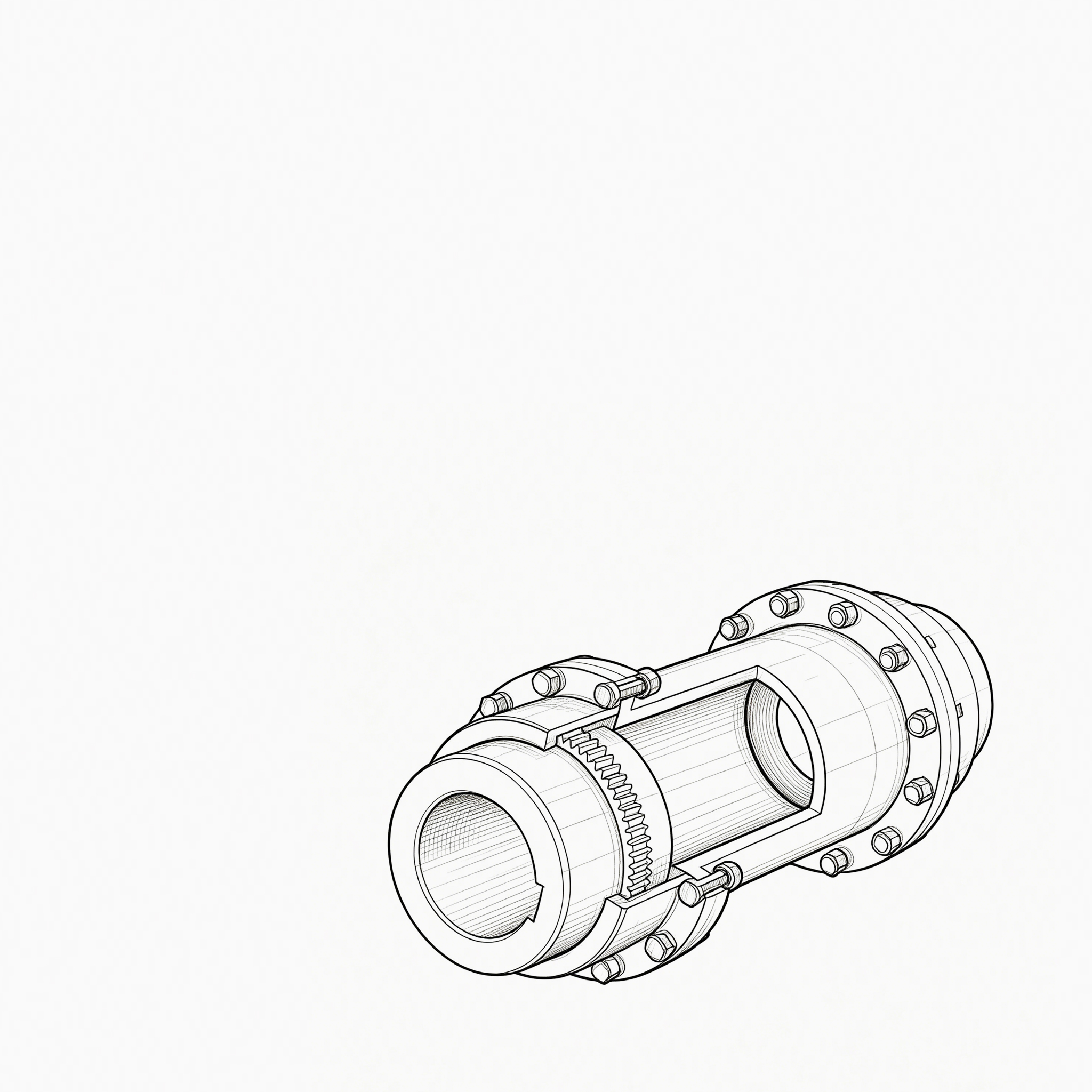
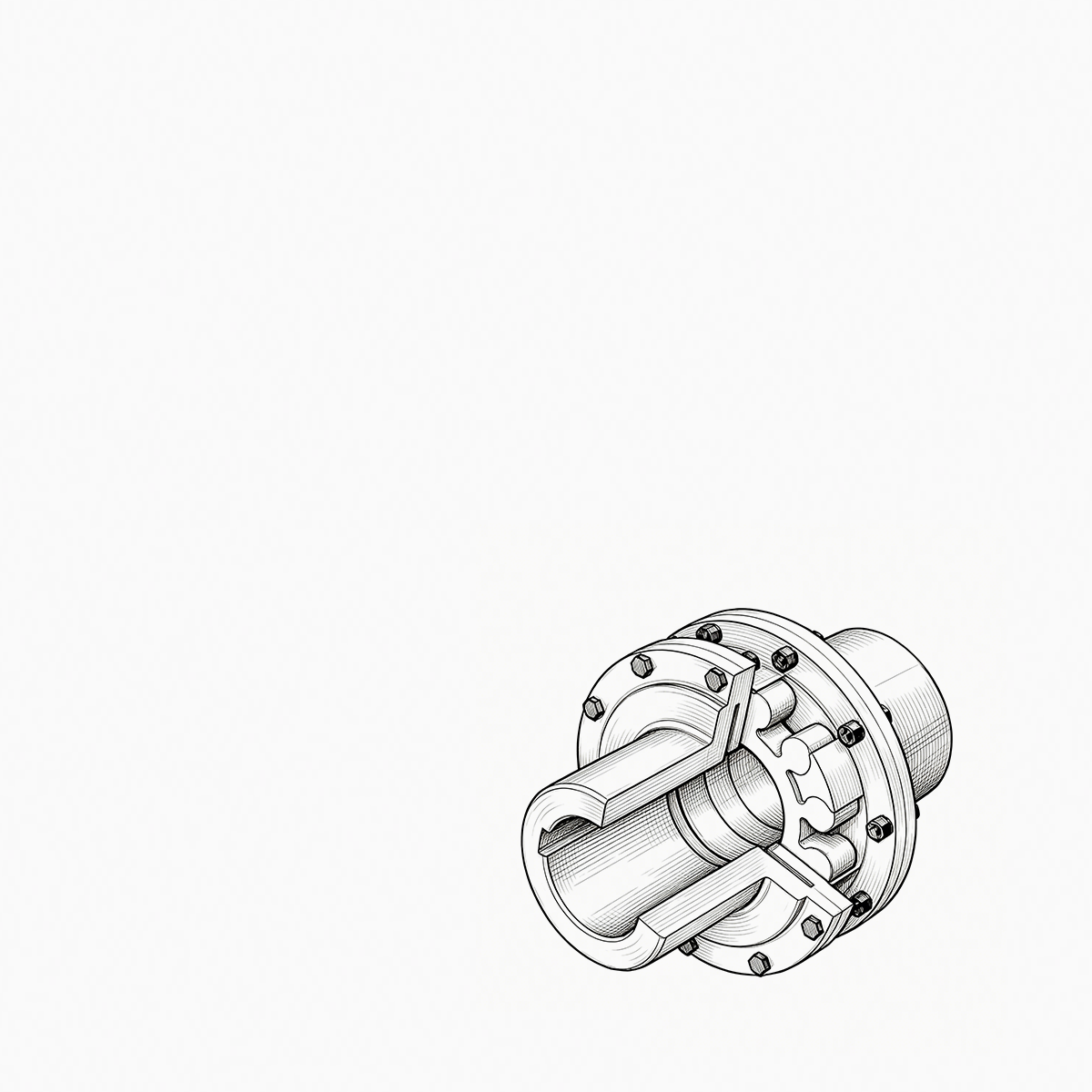
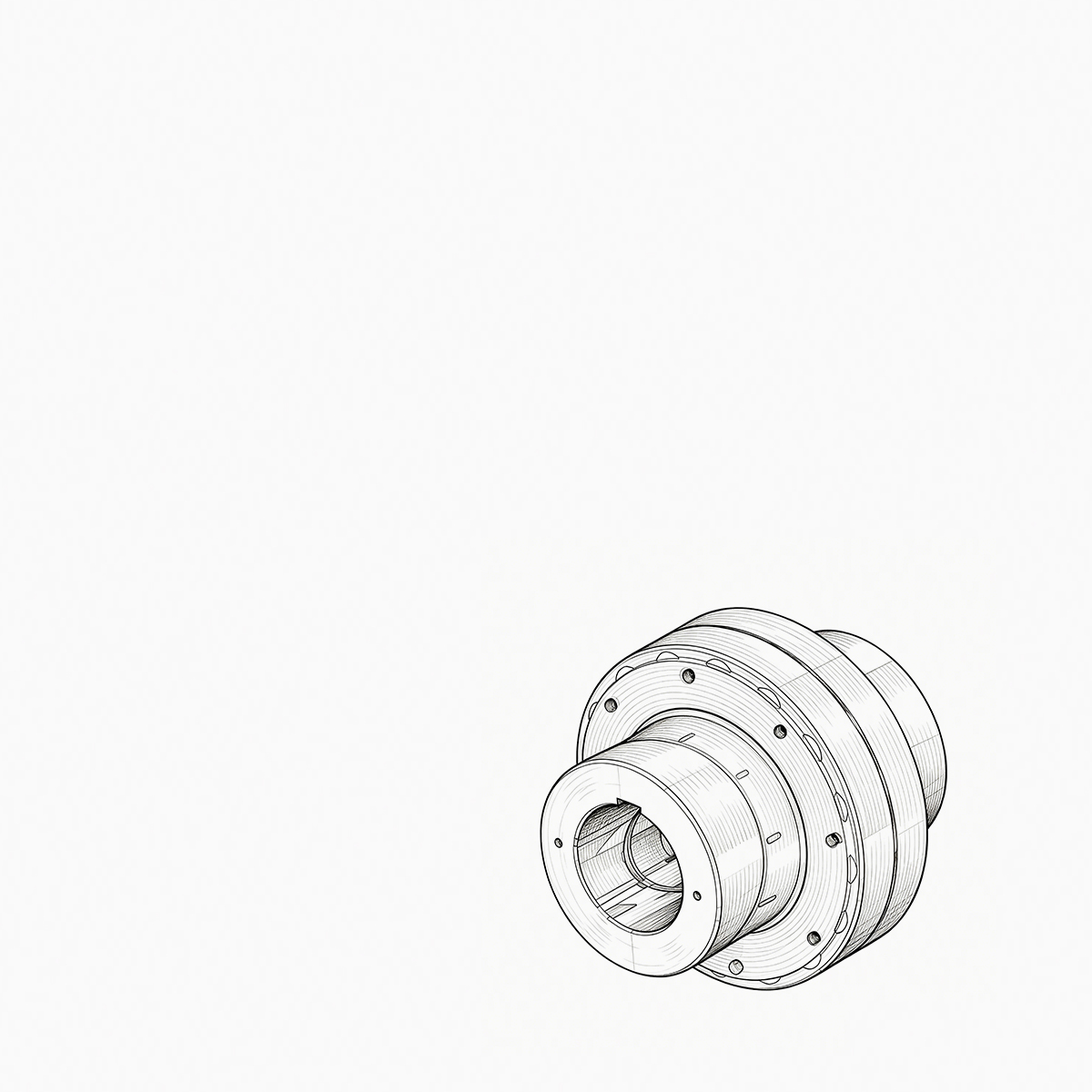
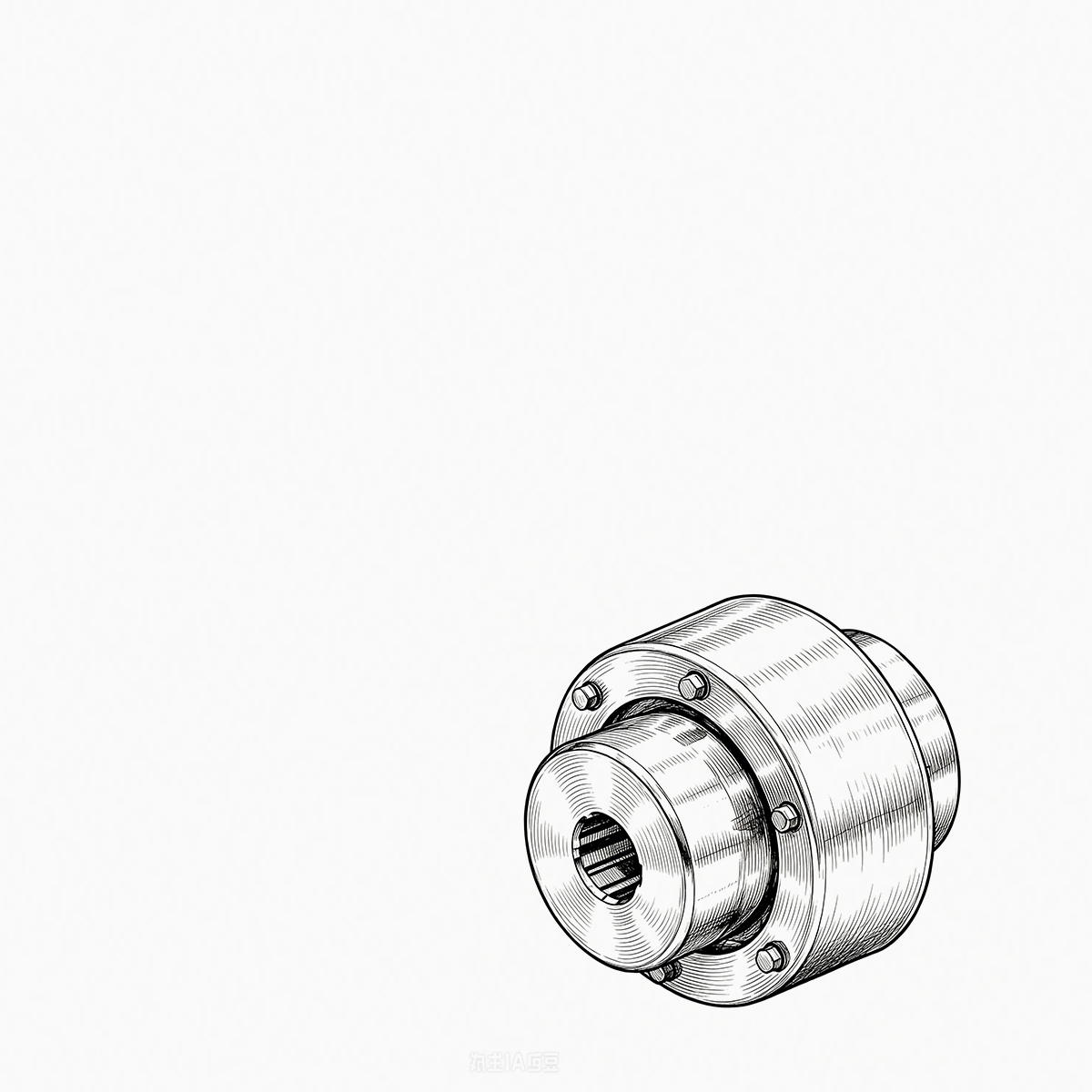
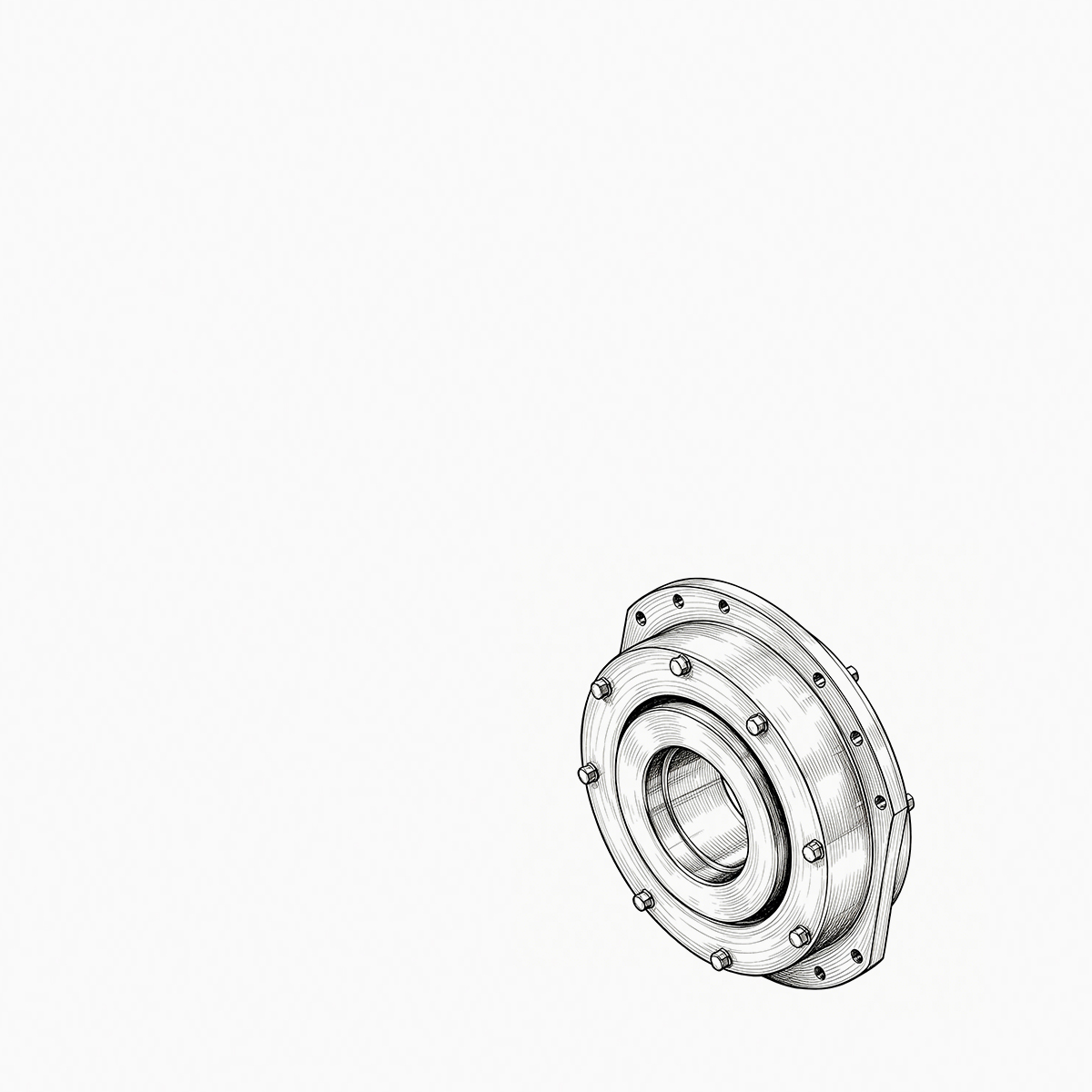
Two quotes land for the same replacement gear coupling: $1,850 from one shop and $2,600 from another. Both promise standard compliance, both quote four weeks, and the drawings loo...
READ MORE
 Cross Universal Coupling
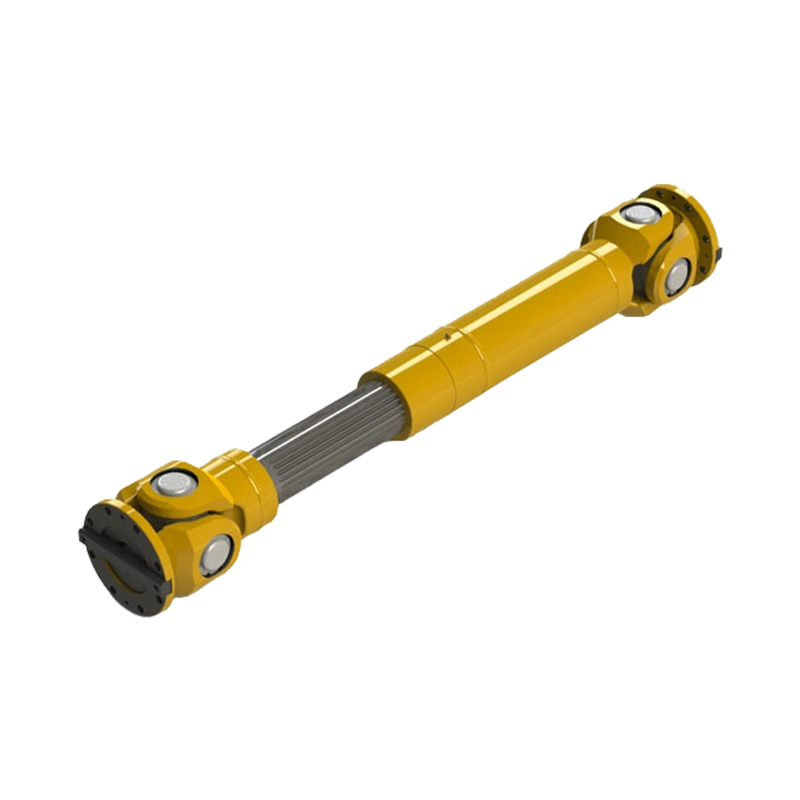
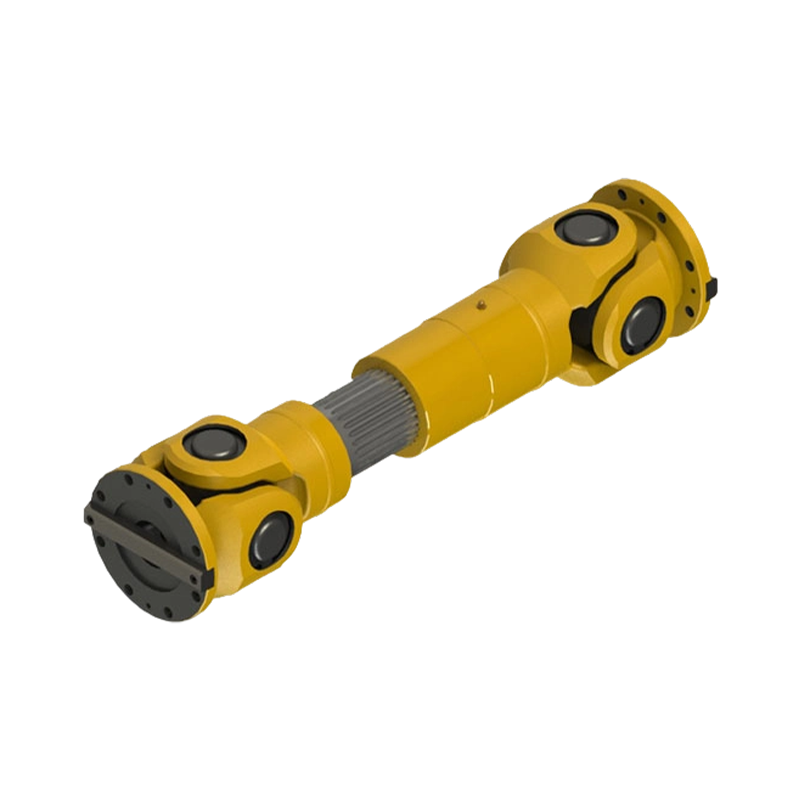
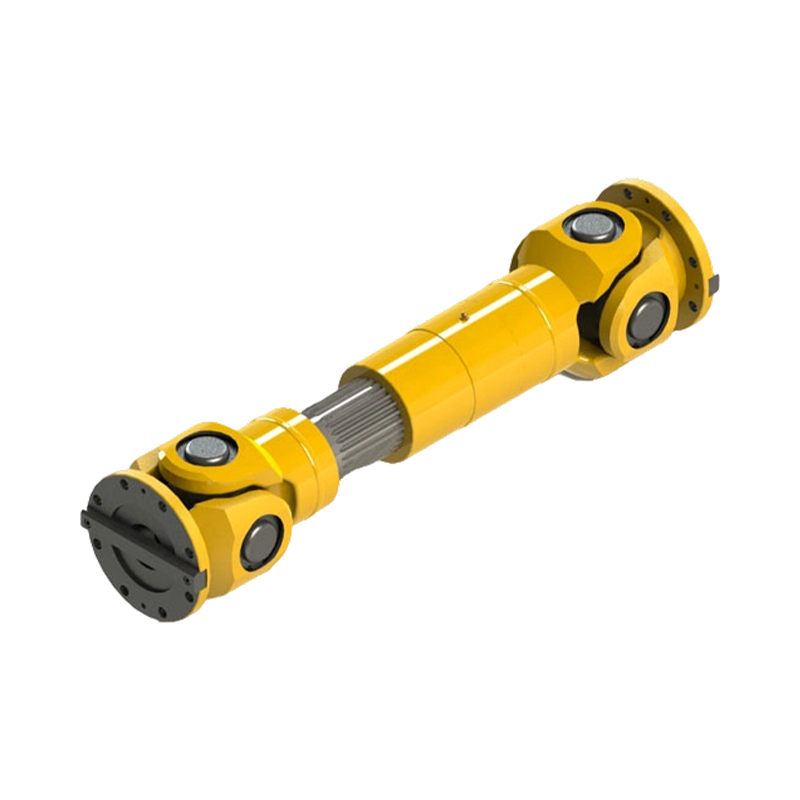
SWC-CH Long Telescopic Welded Universal Coupling
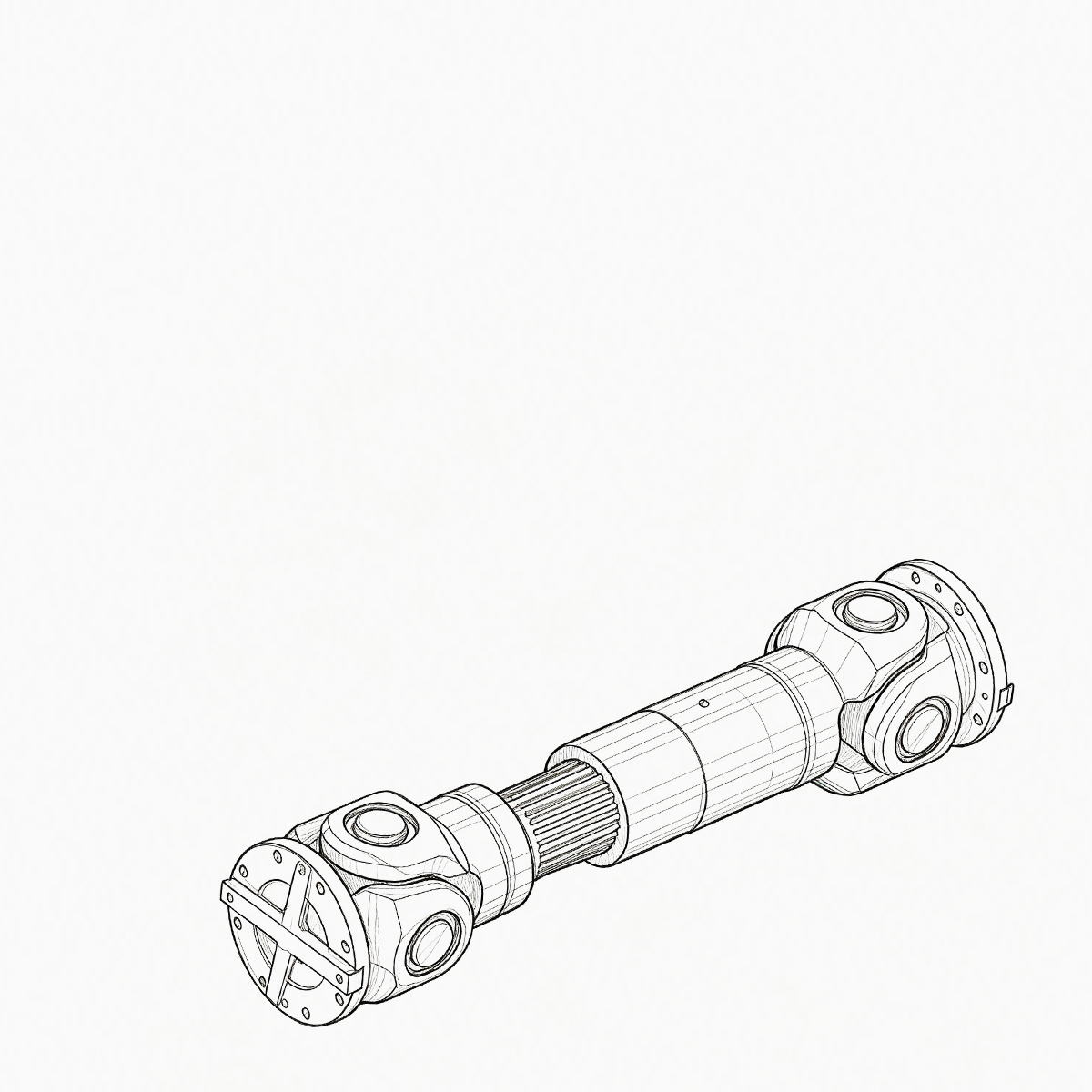
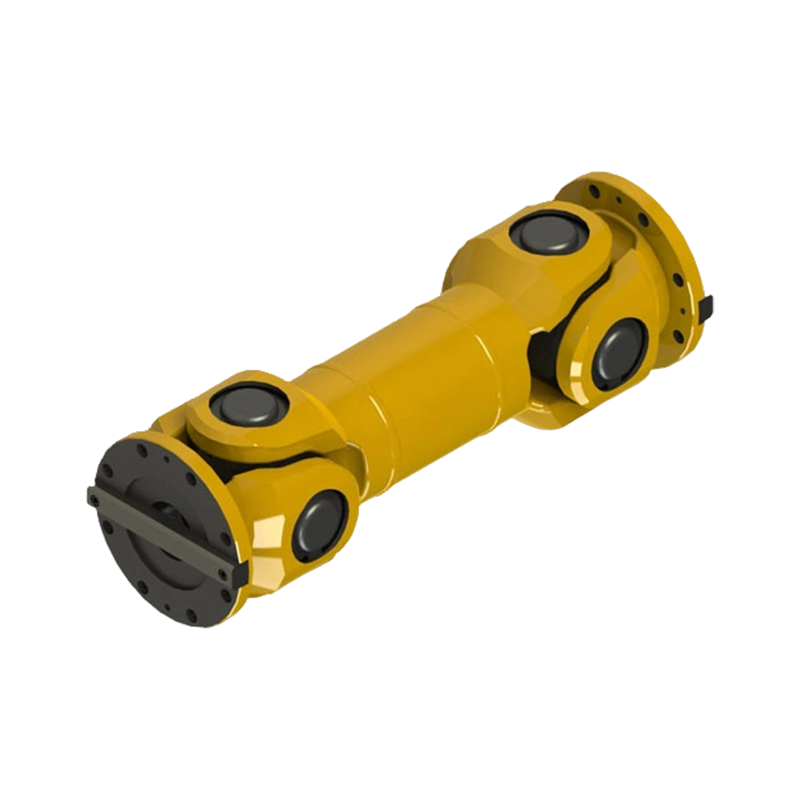
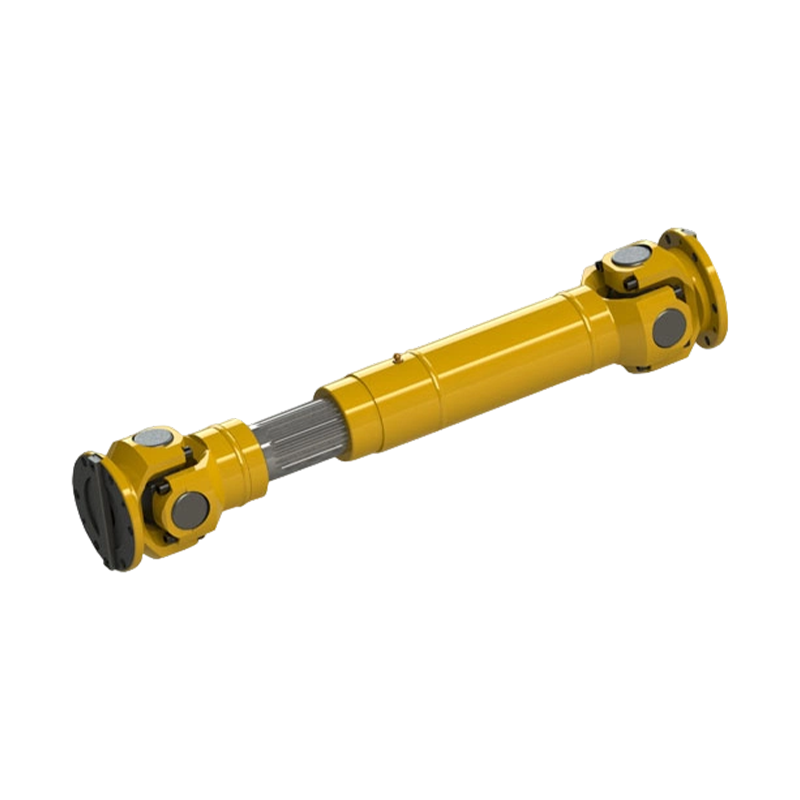
The SWC-CH Long Telescopic Welded Universal Coupling is a high-performance mechanical transmission component, specially designed for applications requiring large angle transmission and axial displacement. It is widely used in heavy-duty and high-impact industrial environments. Its core advantage lies in combining the strength of a welded structure with the long telescopic compensation function, ensuring efficient and stable power transmission in complex working conditions.
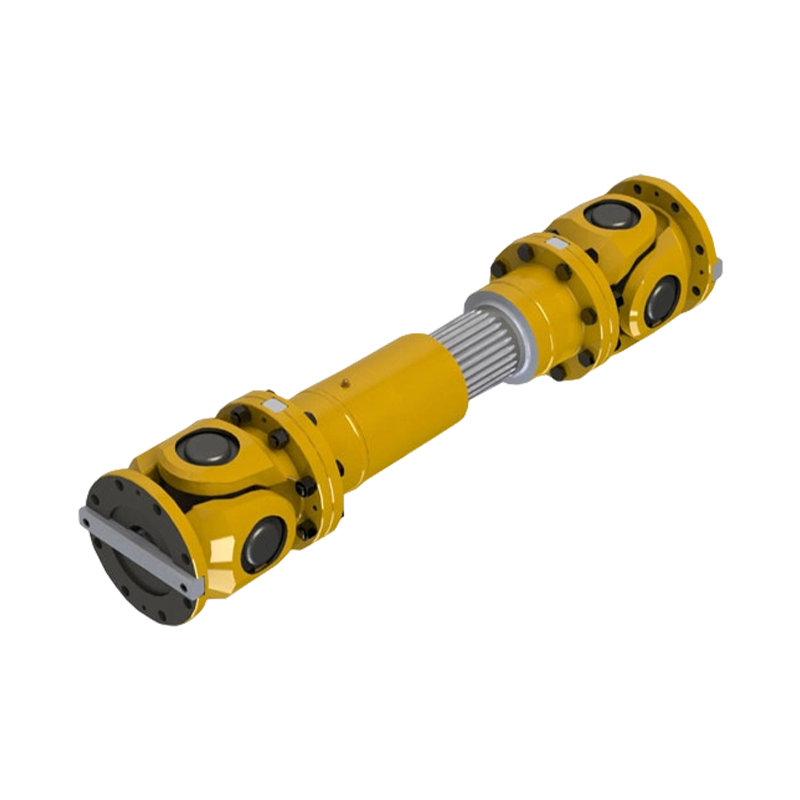
The coupling features a modular design, with core components including a flange connection end, telescopic spline set, cross universal joint, welded body, and lubrication system. These components work in precise coordination to ensure efficient power transfer and excellent adaptability. Notably, the welded body design significantly improves the coupling's rigidity and torsional strength compared to traditional bolted connections. It also enhances sealing performance, effectively preventing connection loosening, and reducing the risk of equipment failure.
The long telescopic feature of the SWC-CH coupling is its standout characteristic. By precisely aligning the telescopic spline set, it can flexibly compensate for axial deviations caused by thermal expansion, installation errors, or dynamic displacement during operation, avoiding stress concentration and premature component failure. The telescopic structure uses an involute tooth profile with precise gap control, ensuring smooth axial extension while improving wear resistance and extending the service life.
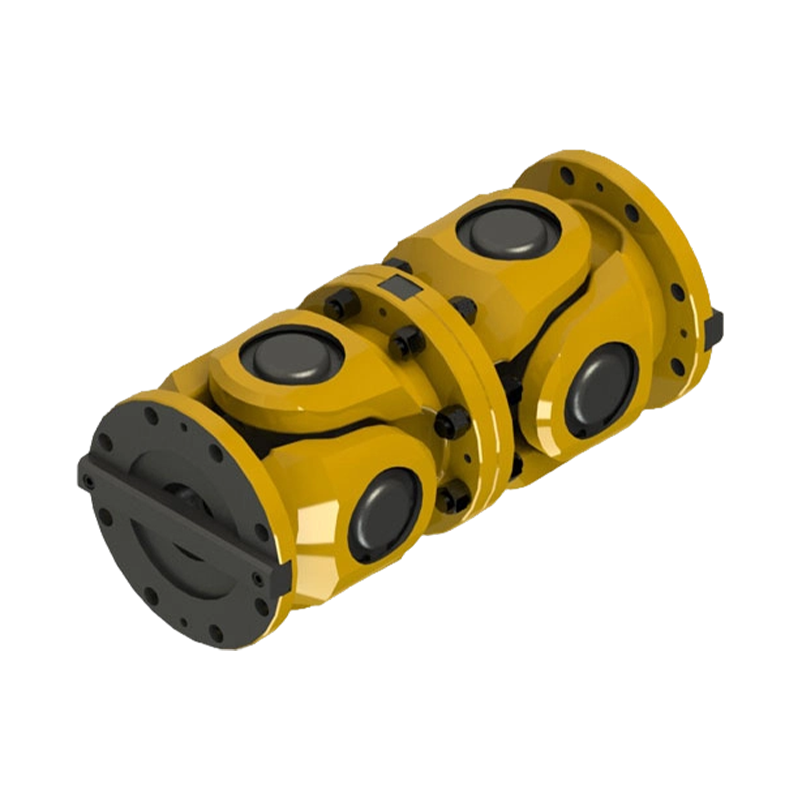
The cross universal joint, which serves as the core power transmission component, is made from high-strength alloy steel and undergoes precision heat treatment and surface strengthening. This ensures stable torque transmission within a large angle deflection range. The angle compensation typically ranges from 15° to 25°, and when used in a double-stage series, the compensation capacity is further enhanced. This effectively resolves power transmission issues in cases of misalignment and large axis angle, ensuring stable and reliable performance during prolonged high-load operations.
Company
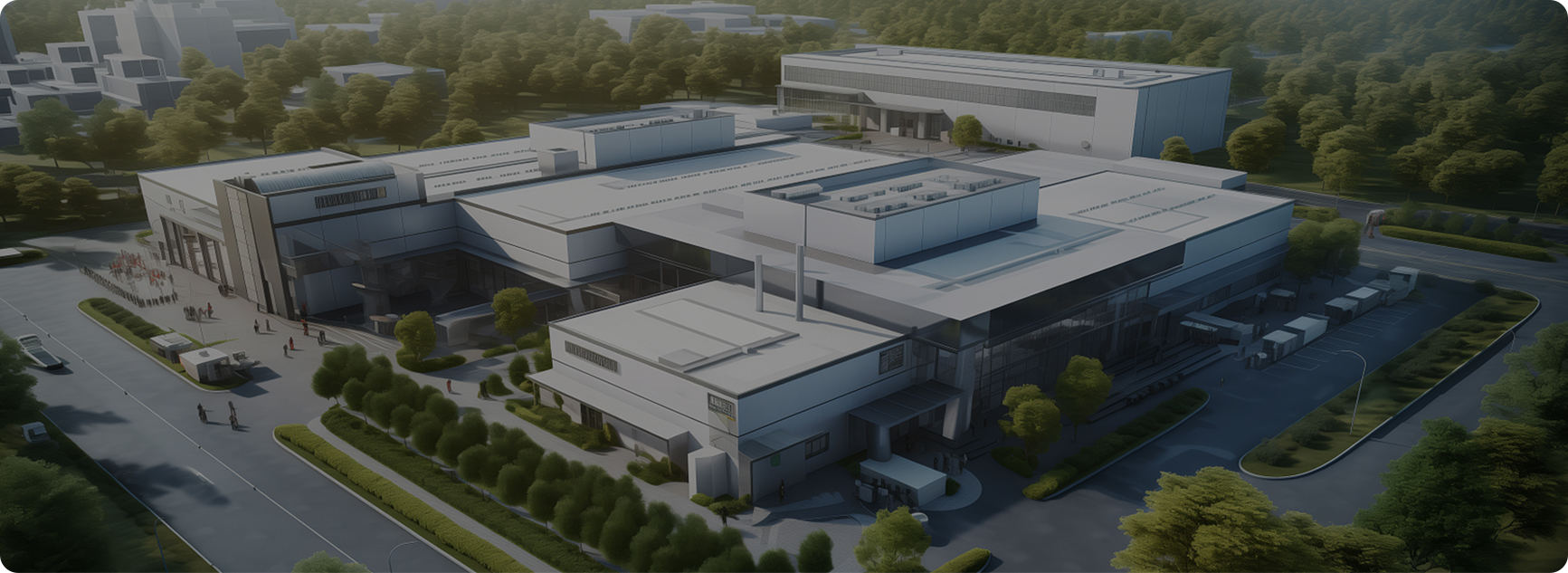
Zhenjiang Orienthold Machinery Co., Ltd.
As China SWC-CH Long Telescopic Welded Universal Coupling Factory and SWC-CH Long Telescopic Welded Universal Coupling Manufacturers, Zhenjiang Orienthold Machinery Co., Ltd. is a medium-sized enterprise specialized in the production of couplings and papermak-ing machinery, integrating design, production and service.
Boasting strong technical strength, advanced equipment and comprehensive testing methods, our products are widely used in industries and equipment such as transportation, metallurgy, chemical engineering, mining, construction and hoisting, and are supplied to various large-scale enterprises all year round.
Equipped with a strict quality supervision system as well as complete inspection and testing instruments and equipment, our products fully comply with national standards. In particular, the production technology and quality of our papermaking machinery have reached international levels. Our products have won wide praise in the market and gained high recognition from customers.
Contact us
Sign up with your email to grab exclusive discounts, latest industry news and potential overseas inquiries. Don’t miss out on business opportunities worldwide.
Related products
News
-
-
Consider a 250 kW crane hoist that begins to vibrate only when the load is lifted. The drum gear coupling is inspected after a few months and the tooth wear is concentrated on one...
READ MORE -
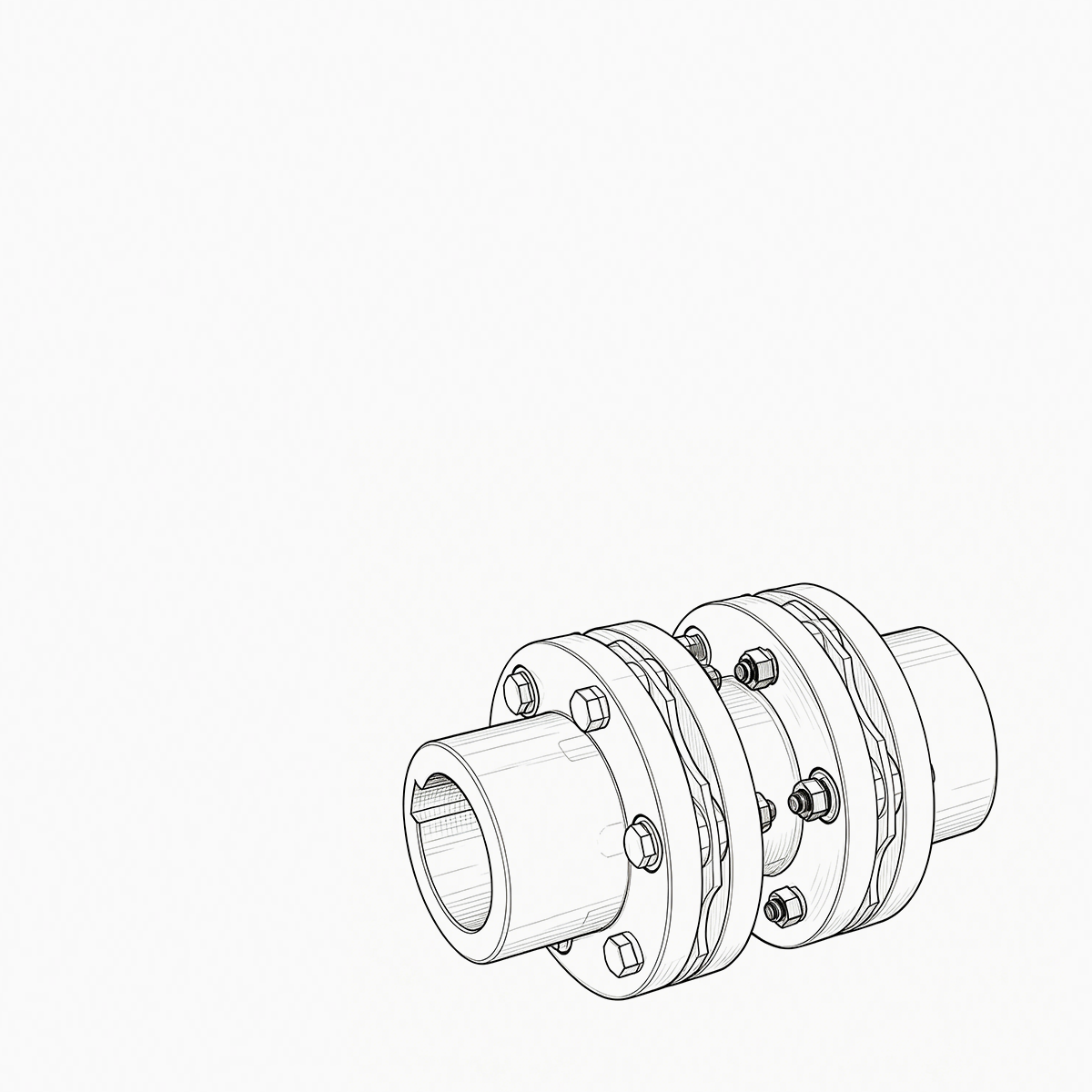
A maintenance engineer pulls a failed coupling from a pump drive. The elastomer sleeves are cracked, the pin bolts are scored, and the hub bore shows the tell-tale fretting marks ...
READ MORE -
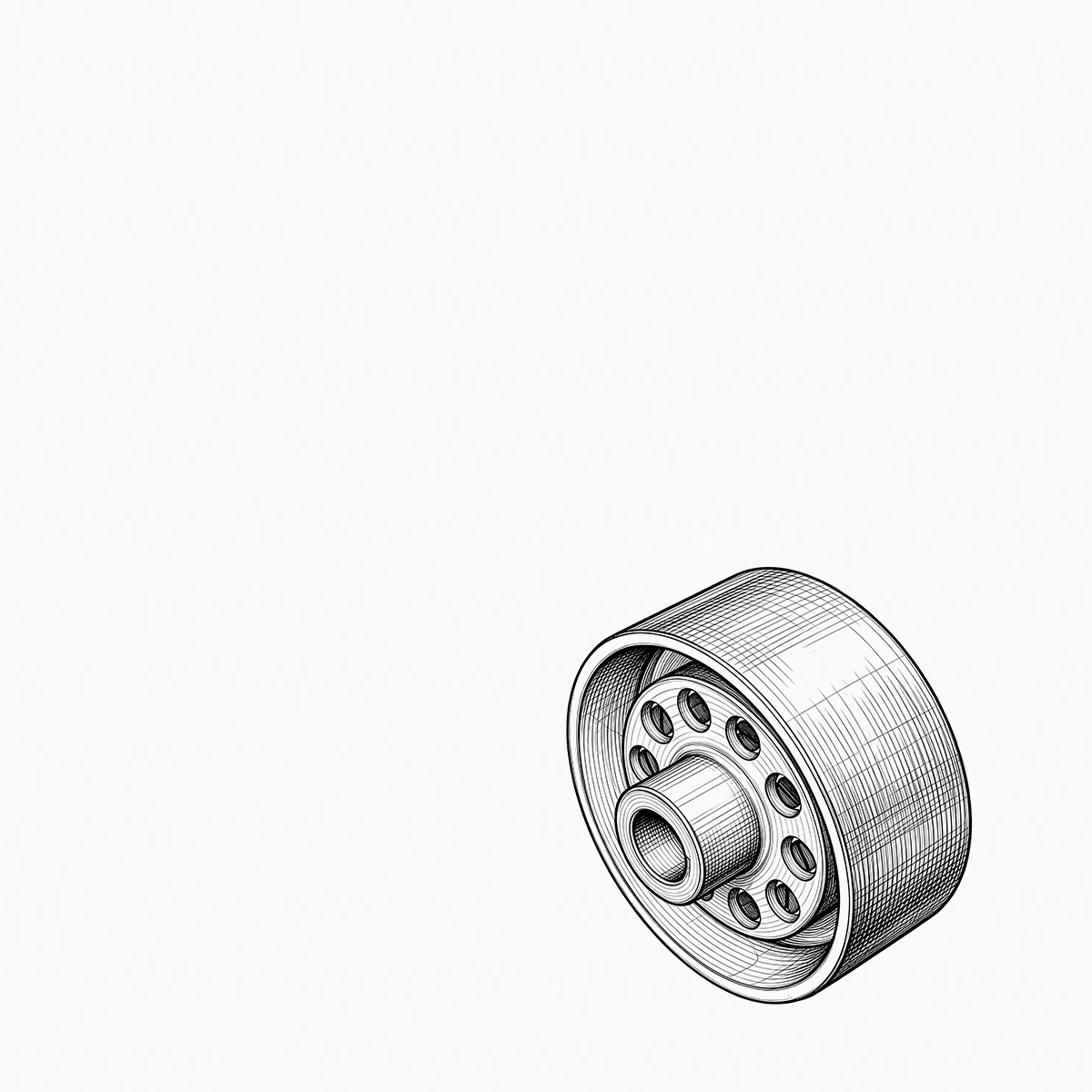
A rotating equipment engineer at a steel finishing mill recently described a flexible coupling that had failed twice in fourteen months. The first replacement came from the origin...
READ MORE -
Your compressor train is running at 9,800 rpm when the vibration monitor triggers an alarm. The first component your maintenance team inspects is the coupling. If the disc couplin...
READ MORE


ABOUT US
PRODUCTS
INDUSTRIES
CONTACT US
- Phone: +86-18652865511
- Email: sales@ohmach.com
- Address: No.1, Minying Developing Zone, Zhenjiang, Jiangsu, China
Copyright Zhenjiang Orienthold Machinery Co., Ltd. All Rights Reserved.
 Wholesale SWC-CH Long Telescopic Welded Universal Coupling Factory